How to Reduce Catheter Associated Urinary Tract Infections with Bladder Scanners
Catheter associated urinary tract infections remain one of the most common and preventable healthcare associated infections worldwide. Hospitals that want to reduce catheter associated urinary tract infections need a strategy that goes beyond simply reminding staff to remove catheters sooner. They need the right diagnostic tools, the right protocols, and the right culture of accountability at the bedside.
In the United States alone, acute care hospitals reported more than 17,000 CAUTI events in a single recent year. The CDC estimates that between 15 and 25 percent of hospitalized patients receive a urinary catheter during their stay, and each day that catheter remains in place increases the risk of infection by 3 to 7 percent. These are not abstract statistics. They represent real patients experiencing pain, prolonged hospitalization, antibiotic exposure, and in serious cases, sepsis and death.
The good news is that the evidence is clear. Facilities that adopt a combination of bladder scanning technology, nurse driven catheter removal protocols, and standardized voiding management programs see dramatic reductions in unnecessary catheterization and CAUTI rates. This article walks through exactly how that works and what your facility can do starting today. 🩺
Why Catheter Associated Urinary Tract Infections Are Still a Problem
Despite decades of prevention guidelines from organizations like the CDC, SHEA, and IDSA, catheter associated urinary tract infections continue to burden hospitals and patients. The fundamental issue is straightforward. Urinary catheters create a direct pathway for bacteria to enter the bladder. Biofilms begin forming on catheter surfaces within hours of insertion, and organisms can ascend to the bladder within one to three days.
The longer a catheter stays in place, the higher the cumulative risk. Studies consistently show that the duration of catheterization is the single most important modifiable risk factor for CAUTI. Yet catheters are frequently left in place longer than medically necessary, sometimes simply because no one has actively assessed whether the patient still needs one.
This is where the opportunity lies. If healthcare facilities can accurately identify which patients truly need catheterization and which patients can be managed with less invasive alternatives, the impact on infection rates is immediate and measurable.
The Financial and Clinical Cost of CAUTI
Beyond patient suffering, catheter associated urinary tract infections carry significant financial consequences for healthcare institutions. CAUTI events are associated with increased length of stay, additional diagnostic testing, antibiotic therapy, and in some cases, escalation to intensive care. Under current reimbursement policies in the United States, hospitals do not receive additional payment for treating hospital acquired CAUTIs, which means the full cost falls on the institution.
For healthcare administrators and infection preventionists, every CAUTI that can be prevented represents both a better patient outcome and a direct cost savings. The return on investment for CAUTI prevention programs that include bladder scanning technology has been demonstrated repeatedly in the clinical literature.
How Bladder Scanners Help Reduce Unnecessary Catheterization
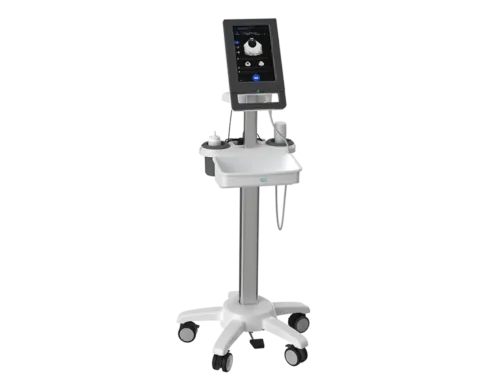
A portable ultrasound bladder scanner is a non-invasive device that measures the volume of urine in the bladder through the abdominal wall. The scan takes only seconds, causes no discomfort, and gives the clinician an objective measurement in milliliters. This simple piece of data transforms clinical decision making around catheterization.
Without a bladder scanner, clinical teams are left relying on subjective indicators like patient complaints, abdominal palpation, and time since last void. These methods are unreliable. Studies have shown that manual palpation significantly underperforms compared to ultrasound assessment for detecting bladder distension. The result is that patients are either catheterized unnecessarily or, worse, left with undetected urinary retention that leads to complications.
With a bladder scanner at the bedside, a nurse can quickly determine whether a patient’s bladder volume warrants intervention or whether the patient can safely continue to be monitored. This evidence-based approach replaces guesswork with data and is the cornerstone of CAUTI prevention with bladder scanner technology.
When to Use a Bladder Scanner Instead of a Catheter
The clinical scenarios where bladder scanning is most valuable include postoperative patients who have not voided within the expected timeframe, patients with suspected urinary retention, patients being evaluated for catheter removal, and patients in rehabilitation settings who are undergoing bladder retraining. In each of these situations, a quick non-invasive bladder volume assessment can determine whether catheterization is truly necessary.
For postoperative urinary retention specifically, research has shown that implementing a standardized voiding management protocol that includes universal bladder scanning after the first void can reduce unnecessary re-catheterization by as much as 90 percent without overlooking patients who have genuine urinary retention. That single statistic demonstrates the power of objective bladder volume data in clinical practice.
Building a Nurse Driven Catheter Removal Protocol
One of the most effective strategies for reducing CAUTI is implementing a nurse driven catheter removal protocol. These protocols empower nursing staff to assess catheter necessity using standardized criteria and to remove catheters without waiting for a specific physician order. The evidence supporting nurse driven protocols is strong and has been endorsed by the CDC, SHEA, IDSA, APIC, and The Joint Commission.
A well-designed nurse driven catheter removal protocol typically includes the following components. First, a clearly defined list of appropriate indications for urinary catheter use. Second, a daily assessment checklist that nursing staff complete during rounds to determine whether the catheter is still medically necessary. Third, standing orders that authorize nurses to remove catheters when the clinical criteria for continued use are no longer met. And fourth, a standardized post removal monitoring plan that includes bladder scanning to assess voiding function and detect retention early.
Integrating Bladder Scanning into the Removal Protocol
The post removal phase is where bladder scanners become essential. After a catheter is removed, patients need to be monitored to confirm that they can void spontaneously and that they are not developing urinary retention. A nurse driven catheter removal protocol that includes scheduled bladder scans at defined intervals after catheter removal gives staff the objective data, they need to intervene early if retention develops, while avoiding the reflexive re-insertion of a catheter based on anxiety rather than evidence.
Hospitals that have implemented this combined approach report not only fewer CAUTIs but also shorter lengths of stay, earlier discharge readiness, and fewer calls from nursing staff to physicians about bladder management. The protocol creates clarity, reduces variability in practice, and puts the right information in the hands of the people closest to the patient.
7 Evidence Based Strategies to Reduce Catheter Associated Urinary Tract Infections
Drawing from the clinical evidence and published guidelines, here are seven strategies that hospitals and clinics can implement to reduce catheter associated urinary tract infections effectively. 📋
1. Avoid Unnecessary Catheter Insertion
The most effective way to prevent a CAUTI is to avoid placing a catheter in the first place. Ensure that every catheter insertion is justified by an appropriate clinical indication. Common appropriate indications include acute urinary retention, perioperative use for selected surgeries, hourly urine output monitoring in critically ill patients, and management of open sacral or perineal wounds in incontinent patients. Incontinence alone, nursing convenience, and routine surgical practice without a specific indication are not appropriate reasons for catheterization.
2. Deploy Bladder Scanners Throughout Your Facility
Make portable bladder volume measurement devices available on every unit where urinary catheters are used. When a clinician is considering catheterization, a quick bladder scan can determine whether the patient actually has sufficient urinary retention to justify the procedure. This single step prevents a significant proportion of unnecessary catheter insertions. Bladder scanners should be as accessible as blood pressure cuffs in any clinical environment where urinary retention is a concern.
3. Implement a Nurse Driven Catheter Removal Protocol
Empower nursing staff with standing orders and clear criteria for catheter removal. Daily assessment of catheter necessity during nursing rounds ensures that catheters are removed as soon as they are no longer needed. Pairing this protocol with post removal bladder scanning creates a safety net that catches retention early without defaulting to re-catheterization.
4. Standardize Postoperative Voiding Management
Develop a facility wide protocol for managing postoperative urinary retention. This should include expected voiding timelines after surgery, defined bladder scan intervals for patients who have not voided, volume thresholds that trigger intervention, and clear guidance on when intermittent catheterization is preferred over indwelling catheter re-insertion. Evidence based protocols have been shown to reduce postoperative re-catheterization rates dramatically while still identifying patients with true urinary retention.
5. Use Intermittent Catheterization When Possible
When catheterization is necessary, intermittent straight catheterization carries a lower risk of urinary tract infection compared to indwelling catheters. For patients with neurogenic bladder, spinal cord injury, or temporary postoperative retention, intermittent catheterization combined with regular bladder scanning to determine catheterization timing is the preferred approach. Bladder scanners help optimize the schedule by showing when the bladder has reached a volume that warrants drainage, avoiding both premature and delayed catheterization.
6. Educate and Engage the Entire Care Team
CAUTI prevention is a team effort. Nurses, physicians, infection preventionists, and hospital administrators all play a role. Education programs should cover appropriate catheter indications, proper insertion and maintenance technique, the importance of daily catheter necessity review, and how to use bladder scanning equipment correctly. Ongoing education and periodic competency assessments keep these practices front of mind.
7. Track, Report, and Improve
Establish a system for monitoring catheter utilization rates, catheter days, and CAUTI events. Use data to identify high risk units, track the impact of interventions, and celebrate successes. Transparency in reporting creates accountability and sustains momentum. Many hospitals use standardized infection ratio and standardized utilization ratio metrics through programs like the CDC’s National Healthcare Safety Network to benchmark their performance against national data.
The Role of Bladder Scanning in Rehabilitation and Long-Term Care
CAUTI prevention is not limited to acute care hospitals. Rehabilitation centers, skilled nursing facilities, and long-term care environments face unique challenges related to urinary catheter management. Patients recovering from stroke, spinal cord injury, traumatic brain injury, and neurological conditions often have impaired bladder sensation and function that puts them at ongoing risk for both retention and infection.
In these settings, a portable bladder scanner is an indispensable tool for monitoring bladder volumes, guiding intermittent catheterization schedules, and supporting bladder retraining programs. Rather than relying on fixed catheterization times, clinicians can use real time bladder volume data to personalize the approach for each patient. This improves outcomes, reduces infection risk, and supports the patient’s dignity and quality of life throughout their recovery.
For senior care facilities, where residents may be unable to communicate symptoms of urinary retention, regular bladder scanning provides an objective safety check that protects vulnerable patients from the consequences of undetected retention and unnecessary catheterization alike. 🏥
Clinical Evidence Supporting Bladder Scanner Use for CAUTI Reduction
The clinical literature supporting the use of bladder scanners as part of a comprehensive CAUTI prevention strategy is substantial. Published guidelines from the CDC, SHEA, and IDSA specifically recommend the use of bladder scanners as alternatives to indwelling catheterization and as tools for standardizing the diagnosis and management of postoperative urinary retention.
Multiple studies have demonstrated that nurse driven protocols incorporating bladder scanning technology reduce catheterization rates, decrease catheter days, and lower CAUTI incidence without compromising patient safety. One quality improvement study found that implementing a standardized voiding management protocol with universal bladder scanning reduced unnecessary re-catheterization by 90 percent while maintaining the same detection rate for true urinary retention.
Another study found that raising the catheterization threshold to 800 mL and implementing volume dependent bladder scan intervals reduced the need for sterile intermittent catheterization in the post anesthesia care unit by more than 65 percent, without increasing catheterization rates on the ward. These results are consistent across multiple institutions and patient populations, reinforcing that bladder scanning is not just a nice to have but an essential component of modern CAUTI prevention.
Choosing the Right Bladder Scanner for CAUTI Prevention
Not all bladder scanners are created equal. When evaluating a bladder volume measurement device for your facility, consider the following factors. Accuracy is paramount because clinical decisions about catheterization depend on reliable volume data. Look for a device with documented accuracy of ±5 percent or better for volumes above 100 mL. Speed matters in busy clinical environments, so a scanner that delivers results in under three seconds minimizes disruption to workflow.
Portability and ease of use determine whether the device will actually be used consistently by frontline staff. A device that is lightweight, intuitive, and requires no calibration removes barriers to adoption. Connectivity features like Wi-Fi and Bluetooth support seamless data documentation. And storage capacity for patient records allows your team to build a longitudinal dataset for quality improvement analysis.
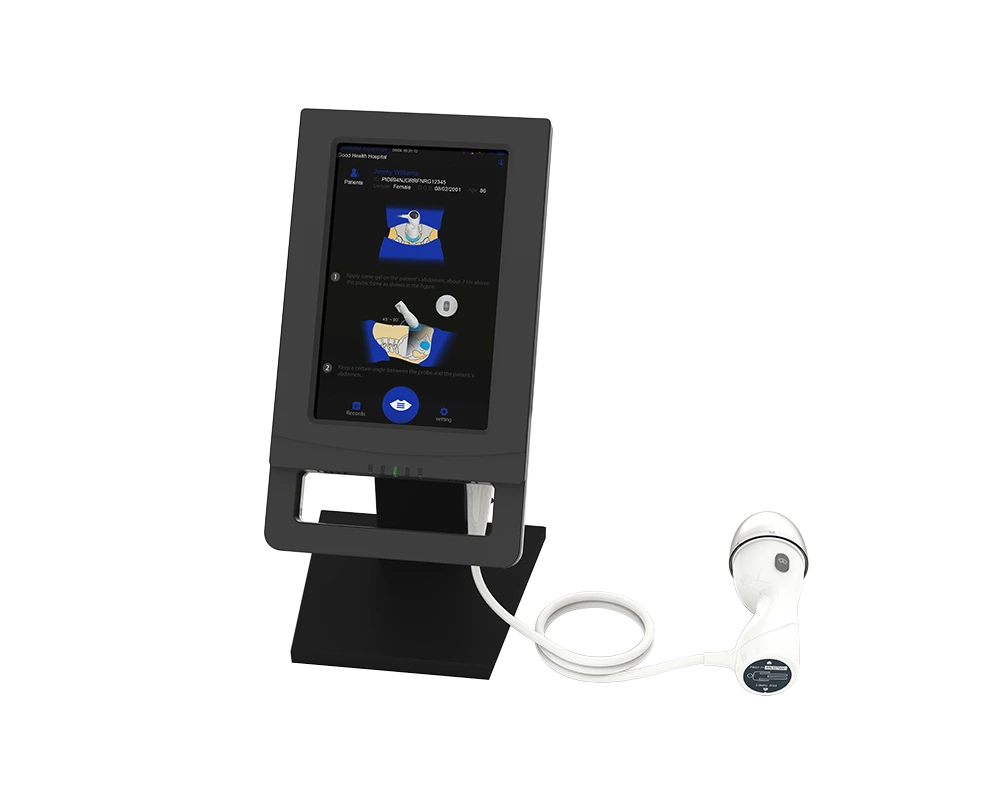
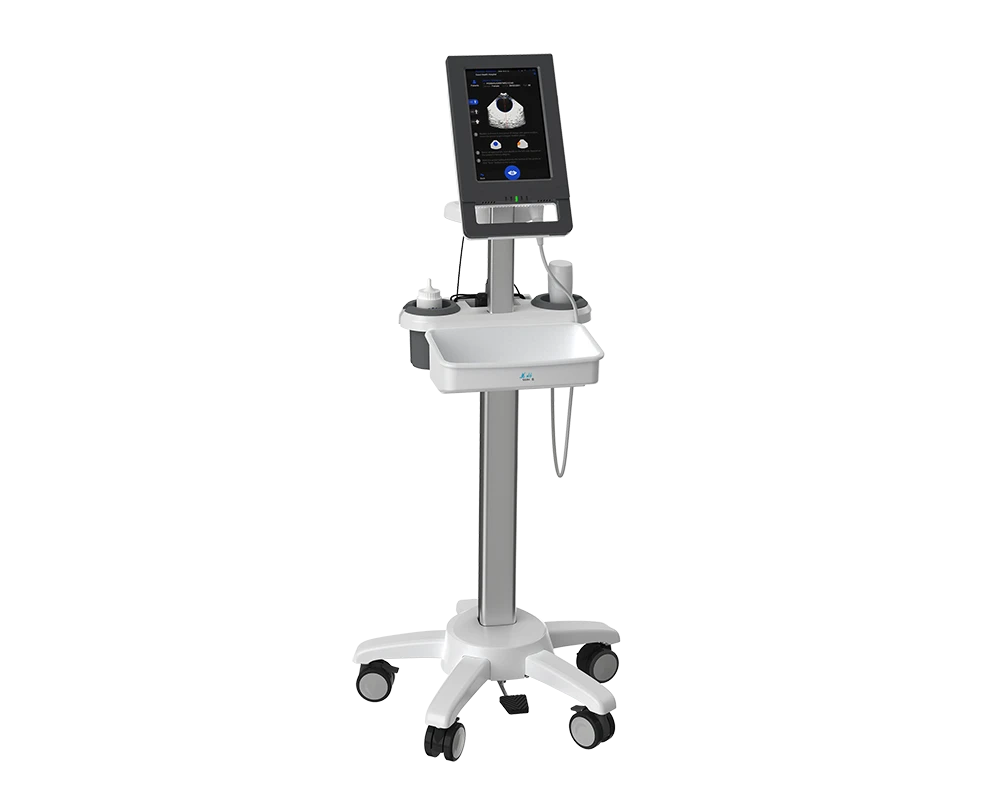
The best bladder scanners combine 3D ultrasound imaging technology with an intuitive touchscreen interface, giving clinicians both accurate volume measurements and visual confirmation of bladder anatomy. This combination of precision and simplicity makes it easy for nursing staff at all experience levels to incorporate bladder scanning into their daily practice.
Getting Started with CAUTI Prevention at Your Facility
Reducing catheter associated urinary tract infections does not require a massive capital investment or a complete overhaul of your clinical operations. It starts with three foundational steps. First, make bladder scanning technology available at the point of care. Second, implement a nurse driven catheter removal protocol with clear criteria and standing orders. Third, standardize your approach to postoperative voiding management with defined scan intervals and evidence-based catheterization thresholds.
The facilities that see the greatest improvements are those that approach CAUTI prevention as a multidisciplinary quality improvement initiative. Physician champions, nursing leadership, infection prevention specialists, and hospital administrators all need to be aligned around the same goals and equipped with the same data.
If your facility is ready to take the next step toward reducing catheter associated urinary tract infections, start by auditing your current catheter utilization rates and CAUTI data. Identify the units with the highest catheter use and the greatest opportunity for improvement. Then equip those units with portable bladder scanners and a standardized protocol. The evidence says the results will follow. ✅
Frequently Asked Questions and CAUTI Prevention with Bladder Scanner
How accurate are portable bladder scanners for measuring bladder volume?
Modern portable 3D bladder scanners provide accuracy of ±5 percent for bladder volumes at or above 100 mL and ±5 mL for volumes below 100 mL. This level of accuracy is more than sufficient for making clinical decisions about catheterization, voiding trial success, and intermittent catheterization scheduling. The 3D ultrasound imaging technology captures multiple cross sectional planes of the bladder to produce a reliable volumetric calculation.
Do nurses need special certification to use a bladder scanner?
No special certification or sonography training is required. Portable bladder scanners are designed for point of care use by nursing staff at all experience levels. Most devices feature intuitive touchscreen interfaces and on-screen guidance that walk the user through probe placement and scanning technique. A brief in-service training session, typically 15 to 30 minutes, is sufficient to prepare nursing staff to use the device confidently and accurately.
How does bladder scanning reduce hospital costs related to urinary tract infections?
By reducing unnecessary catheterization and facilitating earlier catheter removal, bladder scanning directly reduces catheter days, which is the primary driver of catheter associated urinary tract infection risk. Fewer infections mean fewer courses of antibiotics, fewer additional diagnostic tests, shorter lengths of stay, and fewer readmissions. For facilities where hospital acquired CAUTI events are not reimbursed, every prevented infection represents a direct cost savings. The investment in bladder scanning equipment typically pays for itself within months through reduced catheter use and infection related costs alone.
For questions about bladder scanning solutions, clinical demonstrations, or volume pricing for healthcare facilities, contact our team. We are here to help you build a CAUTI prevention program that protects your patients and strengthens your institution.