
🦻🏽ENT Surgical Instruments 👃🏽
Our ENT Surgical Instruments category features a comprehensive selection of precision tools used across ear, nose, and throat procedures 👂👃🩺. This collection includes instruments for otologic surgery such as myringotomy blades, ventilation ear tubes, disposable ear specula, and tympanoplasty instruments, as well as nasal and sinus surgery tools including nasal packing, septal splints, antrum cannulas, suction instruments, and postoperative ear protection devices.
Designed to support both diagnostic and surgical workflows, these ENT surgical instruments are selected to meet the needs of modern otolaryngology practices, ambulatory surgery centers, and hospital operating rooms. Surgeons rely on these instruments for procedures ranging from ear tube placement and middle ear surgery to sinus irrigation, septoplasty, nasal reconstruction, and postoperative care 🏥🔬.
Scroll down to explore each instrument category and learn more about our quality-focused selections designed to support reliable performance and confident patient outcomes ✨
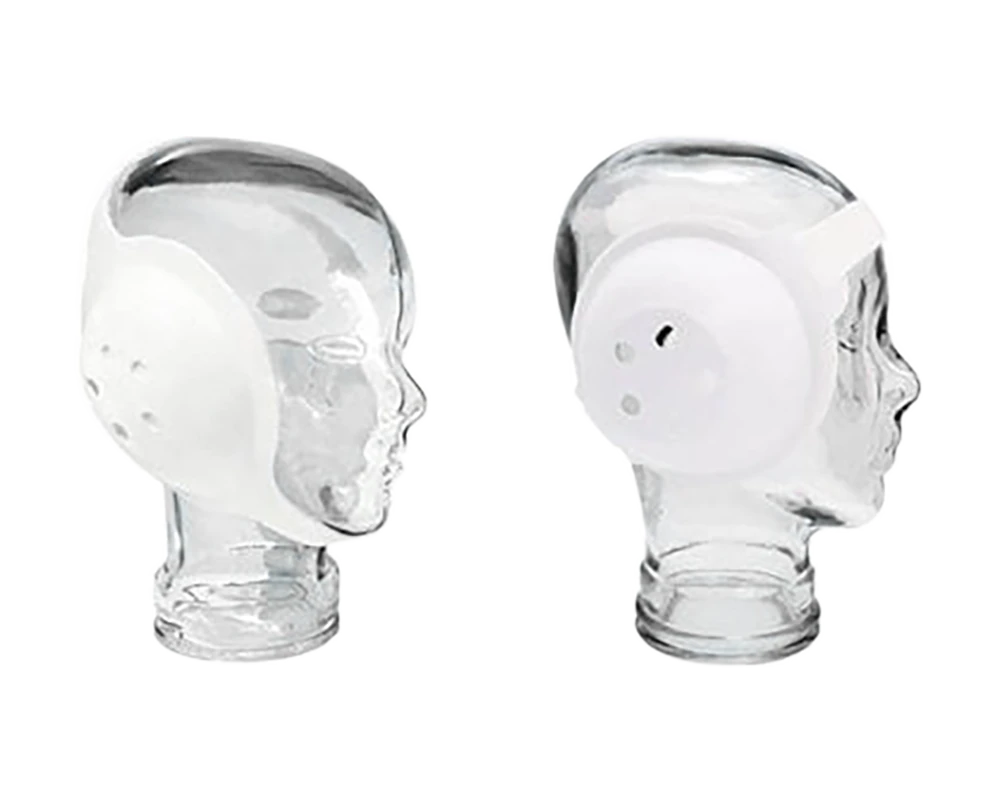
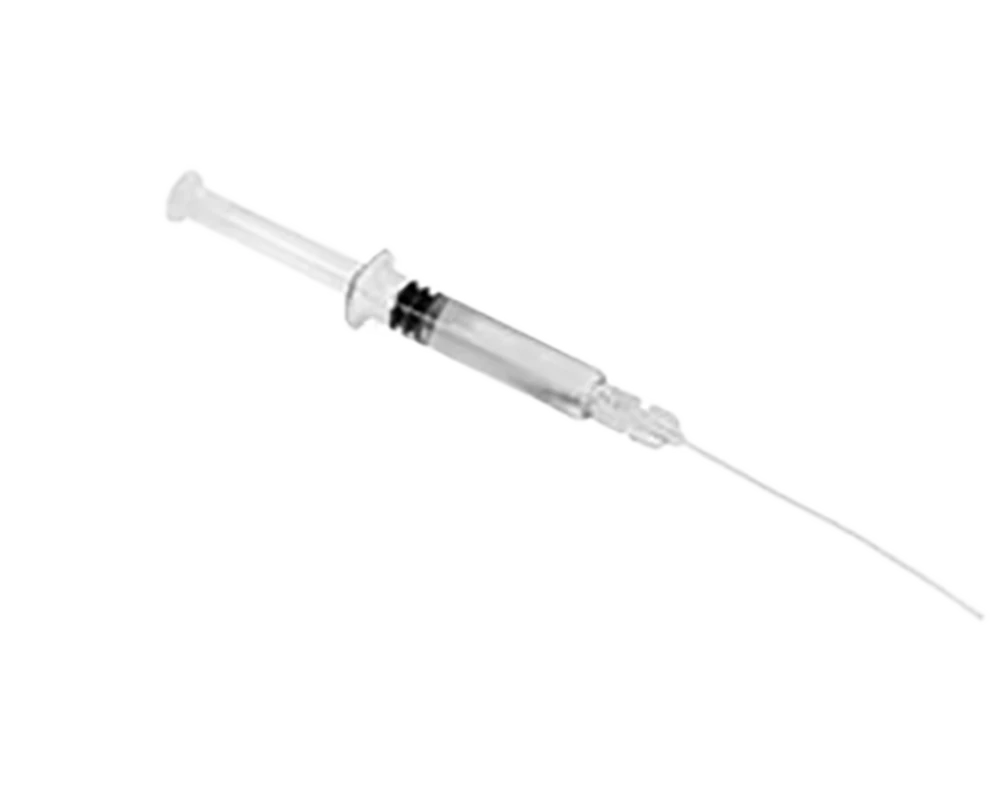
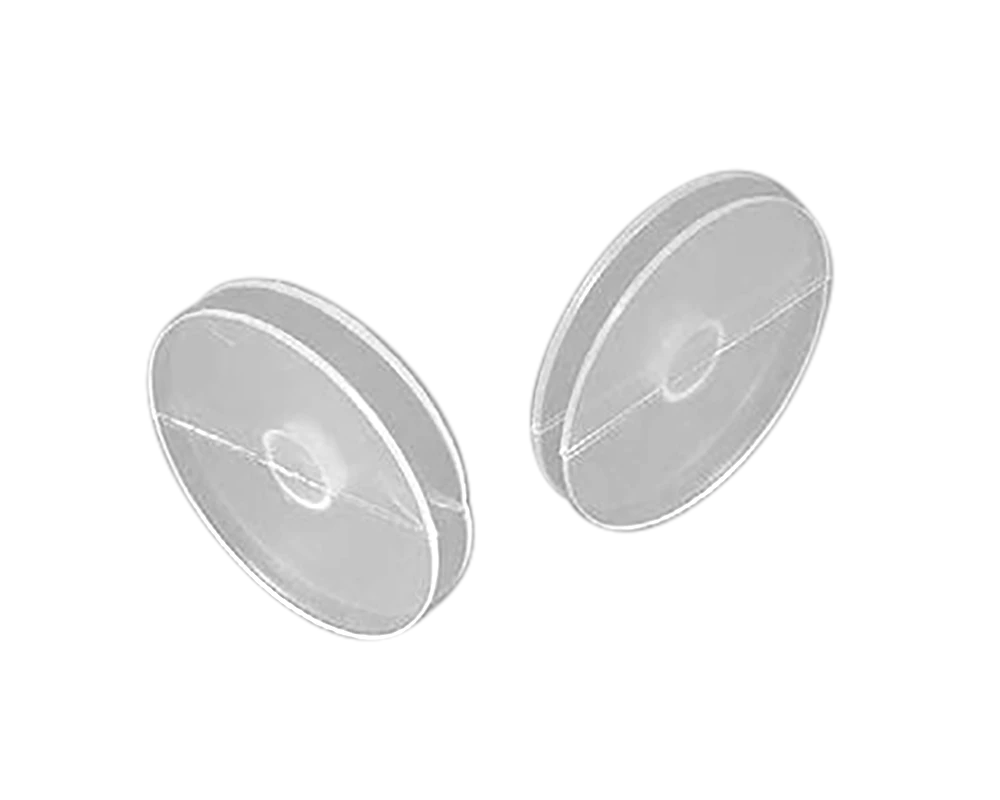
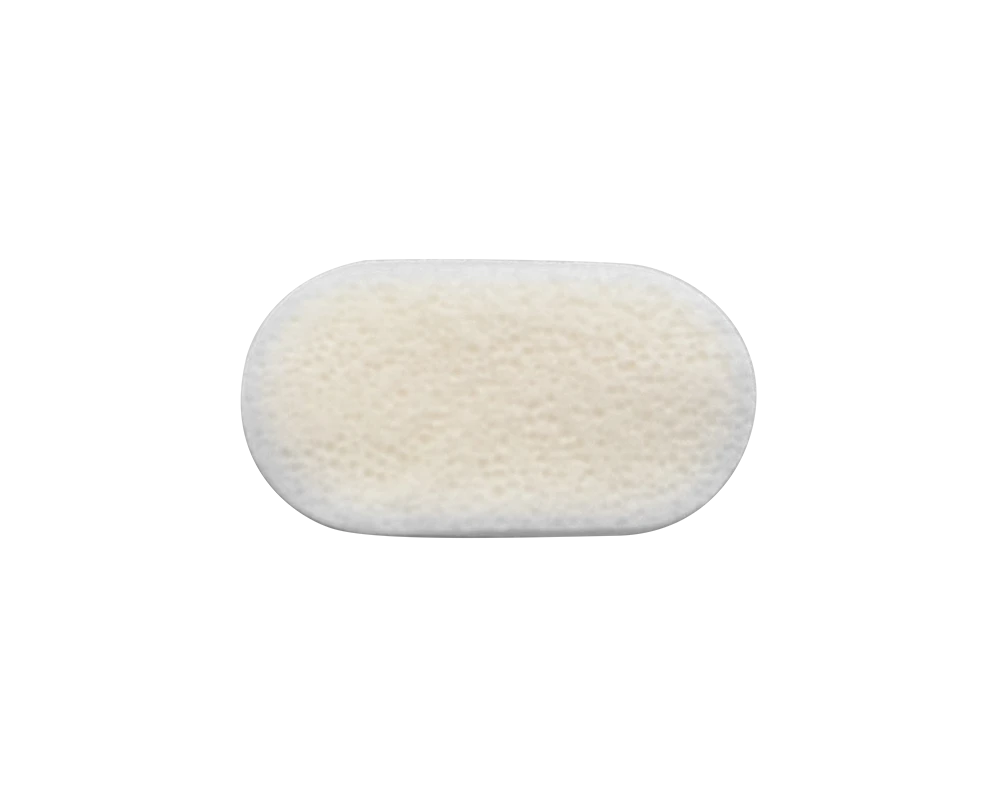
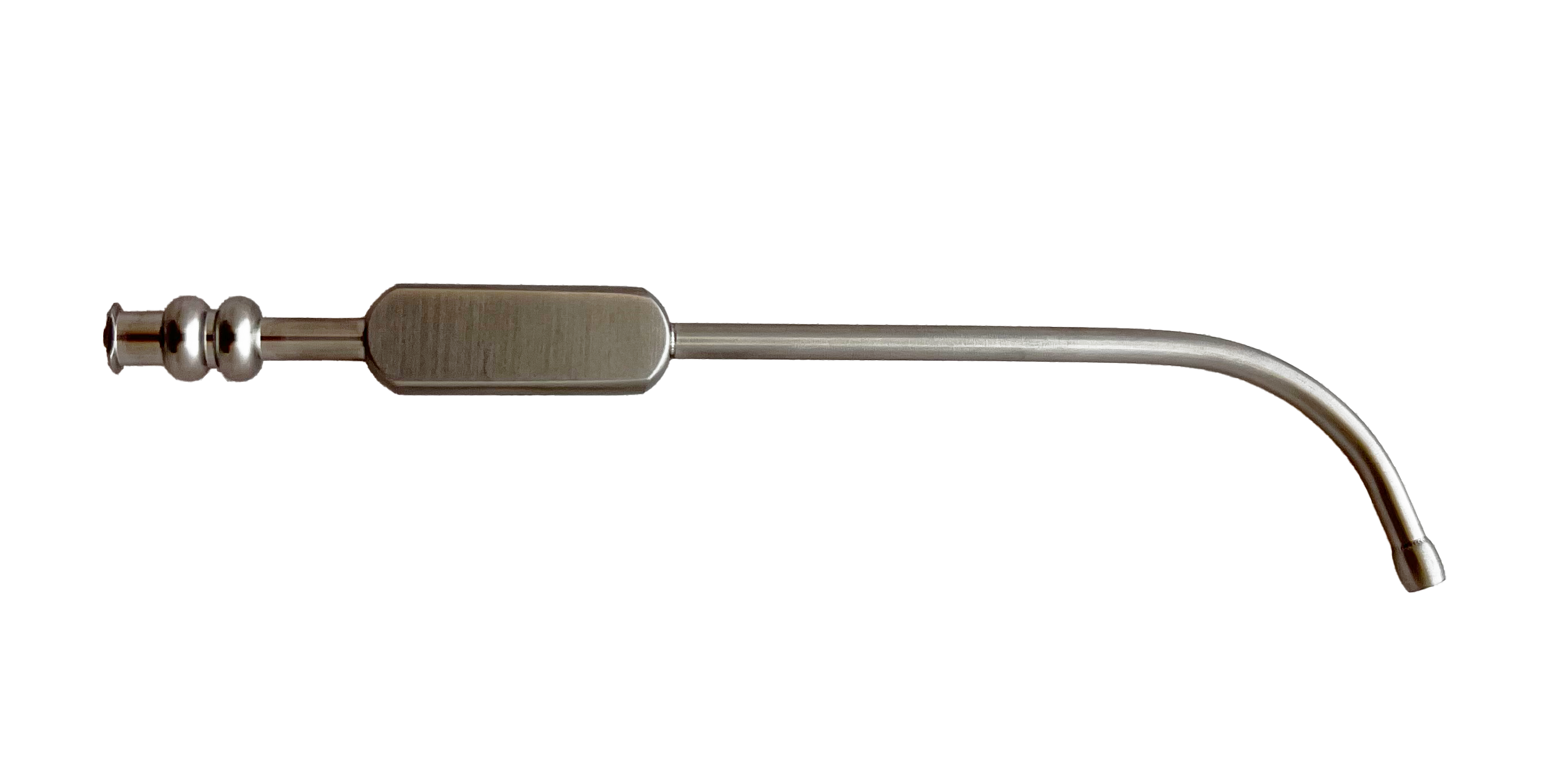
Focused ENT Instrumentation for Ear and Nasal Procedures 👂👃
Within otolaryngology, ear and nasal procedures demand a unique combination of precision, control, and specialized instrumentation. Our ENT surgical instrument selection is designed to support these highly detailed procedures by providing reliable tools that address both otologic and sinonasal anatomy with confidence 🩺🔬. From delicate middle ear work to structured nasal support and sinus access, these instruments are selected to meet the technical needs surgeons encounter every day.
In otologic procedures, precision is critical. Instruments such as myringotomy blades, ventilation ear tubes, disposable ear specula, and tympanoplasty tools are commonly used during procedures addressing chronic otitis media, middle ear effusions, and tympanic membrane repair. Accurate incision control and atraumatic placement help support efficient ear tube insertion and stable postoperative outcomes, especially in pediatric and adult patients alike 👶👨⚕️.
Nasal and sinus procedures introduce a different set of challenges, requiring instruments that can adapt to varying anatomy while maintaining control and patient comfort. Nasal packing, internal and external nasal splints, antrum cannulas, and suction instruments play an important role during sinus irrigation, septoplasty, turbinate reduction, and postoperative nasal stabilization. These tools assist in managing hemostasis, maintaining airway patency, and supporting mucosal healing throughout recovery 🌬️✨.
Across both ear and nasal workflows, consistency and ergonomics matter. ENT surgical instruments must feel intuitive in the hand, provide dependable performance, and integrate seamlessly into existing procedural setups. Whether used in the operating room or clinical office setting, these instruments help streamline procedures while supporting safe, predictable results for patients undergoing ENT care.
This focused approach allows ENT surgeons to build reliable instrument sets for the procedures they perform most frequently, supporting efficiency, confidence, and long-term outcomes across ear and nasal surgery.
ENT Surgical Instruments for Ear and Nasal Procedures 👂👃
ENT surgery demands an exceptional level of precision, control, and reliability, particularly when working within the delicate anatomy of the ear and nasal cavities. The instruments selected for these procedures directly influence surgical efficiency, visualization, and patient outcomes 🩺🔬. Our ENT surgical instrument offerings are curated to support the most commonly performed otologic and nasal procedures across hospital operating rooms, ambulatory surgery centers, and office-based ENT practices.
From middle ear interventions to complex sino-nasal procedures, surgeons rely on instruments that offer predictable handling, atraumatic performance, and consistent quality. These tools support both diagnostic and therapeutic workflows, helping ENT specialists manage chronic conditions, acute pathology, and postoperative care with confidence and efficiency.
Otologic Surgery Instrumentation and Clinical Applications 👂🧠
Otologic procedures require refined instruments designed to navigate small working spaces while preserving delicate structures such as the tympanic membrane, ossicular chain, and middle ear mucosa. Accurate incision placement, controlled dilation, and secure tube positioning are essential to successful outcomes in ear surgery.
Myringotomy and Ear Tube Placement Procedures 🩺
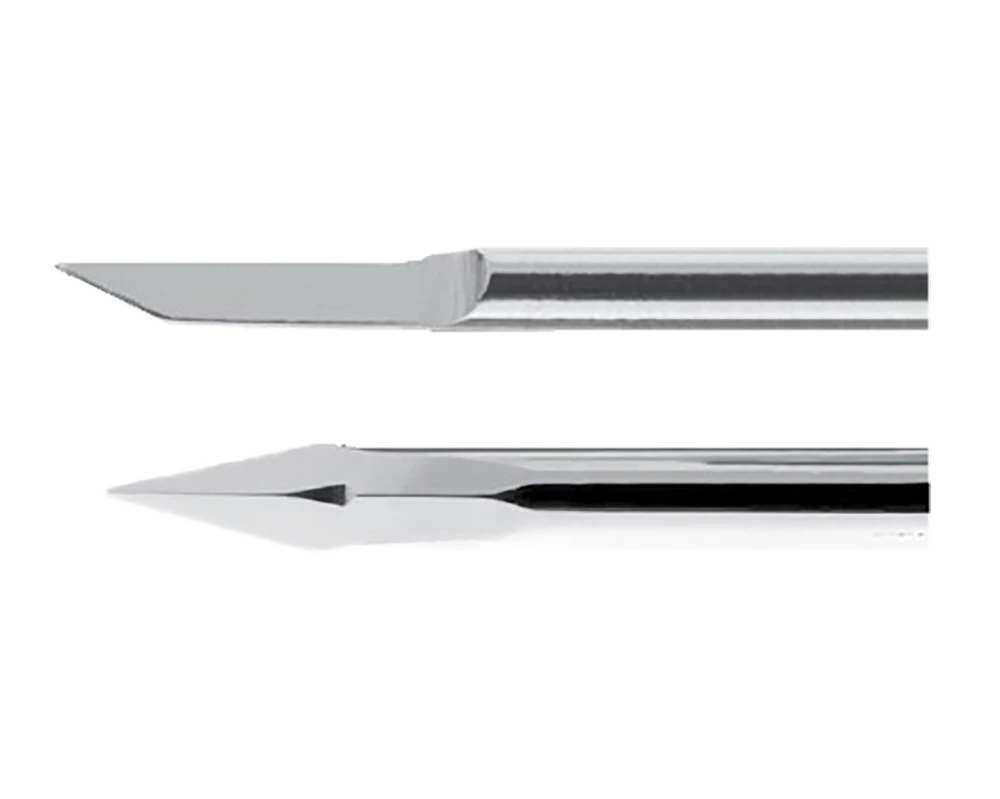
Myringotomy is one of the most frequently performed otologic procedures, often combined with ventilation tube placement to treat chronic otitis media, recurrent ear infections, or persistent middle ear effusion. During these procedures, surgeons rely on sharp, well-balanced myringotomy blades to create precise tympanic membrane incisions with minimal trauma.
Ventilation ear tubes are then carefully positioned to maintain middle ear aeration and reduce fluid accumulation. Different tube designs support varying clinical goals, from short-term drainage to long-term ventilation. Selecting the appropriate tube geometry and material helps minimize extrusion risk while supporting effective middle ear pressure regulation.
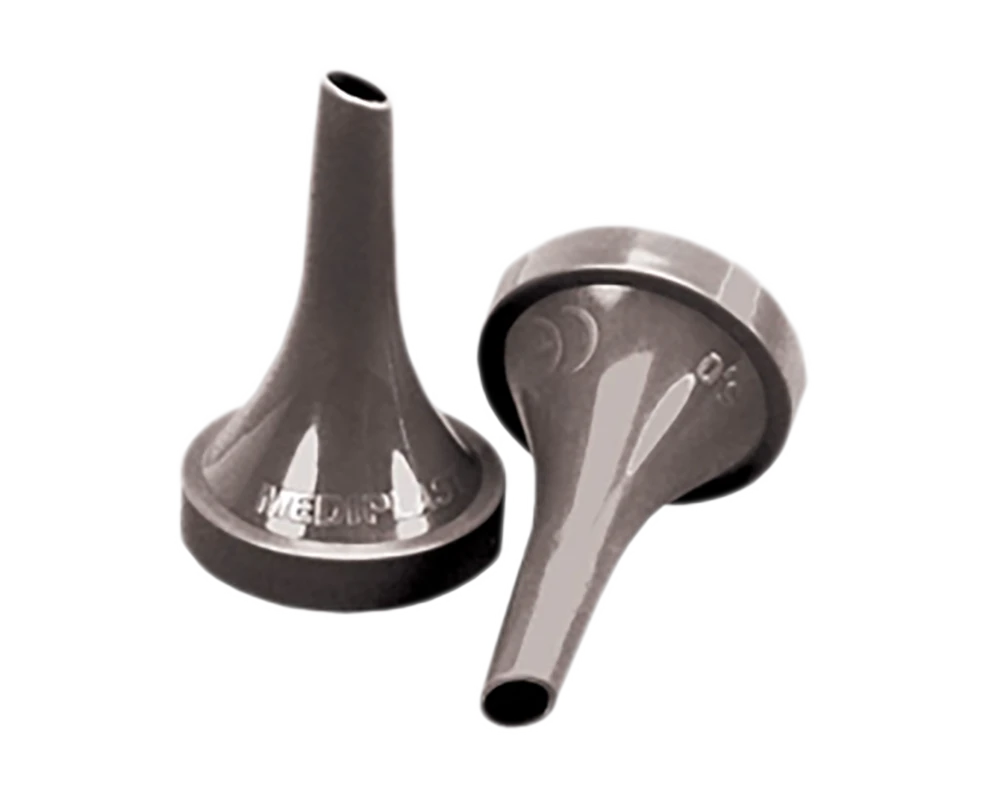
Disposable ear specula are used throughout these procedures to provide clear visualization of the ear canal and tympanic membrane. Consistent sizing and smooth edges support atraumatic insertion, particularly in pediatric patients where comfort and efficiency are critical 👶✨.
Tympanoplasty and Middle Ear Repair 🦻
Tympanoplasty procedures involve repairing perforations of the tympanic membrane or reconstructing middle ear structures. These procedures require stable access, fine dissection tools, and controlled tissue handling to support graft placement and healing.
ENT surgical instruments used during tympanoplasty are designed to facilitate delicate manipulation while preserving surrounding anatomy. The ability to work precisely under magnification allows surgeons to restore membrane integrity and improve conductive hearing outcomes. Instrument reliability and tactile feedback play a significant role in maintaining procedural confidence throughout these complex repairs.
Nasal and Sinus Surgery Instrumentation 🌬️🔬
Nasal and sinus procedures encompass a wide range of interventions, from routine septoplasty to advanced sinus irrigation and postoperative care. Instrument selection must accommodate anatomical variability while supporting controlled access and effective tissue management.
Septoplasty and Nasal Structural Support 🏥
Septoplasty procedures require instruments that can stabilize internal nasal structures while supporting mucosal healing. Internal nasal splints are commonly used following septal correction to maintain alignment, prevent hematoma formation, and reduce adhesion risk during recovery.
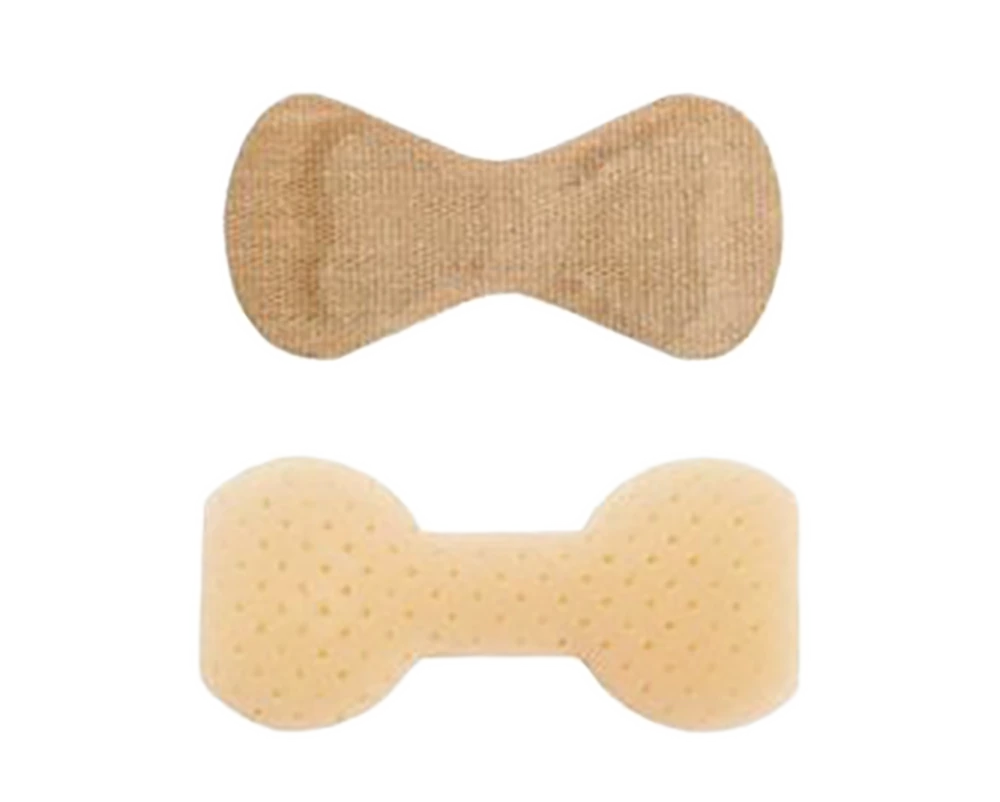
External nasal splints provide additional stabilization after procedures involving nasal bone or cartilage reshaping. These splints help maintain contour while protecting the surgical site from external pressure or trauma. The ability to select splints with varying rigidity and conformability allows surgeons to tailor postoperative care to individual patient needs.
Sinus Irrigation and Antral Access 👃💧
Sinus irrigation and lavage procedures are frequently performed to manage chronic sinusitis, postoperative debris, or diagnostic evaluation of sinus cavities. Instruments such as antrum cannulas and sinus suction devices support controlled fluid delivery and aspiration during these interventions.
Malleable cannulas are particularly valuable in sinus procedures, allowing surgeons to shape the instrument to match patient anatomy and achieve optimal positioning within the maxillary sinus. This adaptability improves procedural efficiency while minimizing unnecessary manipulation or discomfort.
Postoperative Nasal Packing and Healing Support ✨
Postoperative nasal packing plays a critical role in managing hemostasis, maintaining separation of mucosal surfaces, and supporting healing following nasal surgery. Bioresorbable and absorbable nasal dressings help reduce adhesion formation while minimizing patient discomfort during removal or resorption.
These dressings provide gentle internal support while promoting a moist healing environment. Their controlled degradation allows surgeons to manage postoperative bleeding without the need for aggressive packing removal, improving patient experience during recovery.
Instrument Selection Across ENT Workflows 🧠🩺
ENT surgical instruments must perform consistently across a wide range of clinical settings. Whether used in the operating room or outpatient clinic, these tools support efficient workflows while maintaining patient safety.
Surgeons benefit from instrument systems that integrate seamlessly with existing procedural setups. Ergonomic handles, predictable cutting performance, and durable materials help reduce fatigue during repetitive procedures. Instrument consistency also supports standardization within ENT practices, simplifying training and inventory management.
ENT instruments used for ear and nasal procedures are often employed repeatedly throughout the day. Their ability to withstand sterilization cycles while maintaining performance is essential to maintaining efficiency in high-volume practices.
Pediatric and Adult Considerations in ENT Instrumentation 👶👨⚕️
ENT procedures are commonly performed across all age groups, from infants to older adults. Instrument selection must account for anatomical differences, procedural complexity, and patient comfort.
Pediatric ENT Applications 🧸
Pediatric ear procedures, such as myringotomy and ventilation tube placement, require instruments that support rapid, precise intervention. Smaller anatomy demands carefully sized instruments to reduce trauma while maintaining visualization.
Disposable ear specula and appropriately sized ear tubes help streamline pediatric workflows. Smooth surfaces and consistent dimensions support atraumatic access, reducing procedure time and improving patient tolerance.
Adult ENT Applications 🧑⚕️
Adult ENT procedures often involve more complex pathology, including chronic sinus disease, septal deviation, or structural nasal changes. Instruments must accommodate broader anatomical variation while maintaining precision.
Nasal splints, sinus cannulas, and suction instruments are frequently used in adult patients to manage postoperative healing and sinus access. Instrument durability and adaptability support consistent outcomes across diverse patient populations.
Postoperative Care and Patient Recovery Support 🌱
ENT surgical instruments extend beyond the operating room, playing an important role in postoperative care. Dressings, splints, and protective devices help maintain surgical results while supporting patient comfort during recovery.
Ear protectors and compression dressings are commonly used following otologic procedures to shield the surgical site and reduce swelling. Nasal packing and splints help maintain airway patency while supporting internal healing processes.
The ability to provide comprehensive postoperative solutions improves continuity of care and enhances patient satisfaction throughout the recovery period.
Quality and Manufacturing Standards 🛠️✨
ENT surgeons rely on instruments that deliver consistent performance over time. Manufacturing quality directly influences instrument reliability, longevity, and safety. High-quality materials, precise fabrication, and rigorous inspection processes help ensure dependable performance across repeated uses.
ENT surgical instruments must withstand repeated sterilization cycles while maintaining sharpness, structural integrity, and ergonomic balance. Quality manufacturing supports predictable outcomes while reducing the risk of instrument-related complications.
By focusing on durable materials and precision engineering, ENT instruments can support high-volume clinical use while maintaining surgical confidence.
Supporting Efficiency in Modern ENT Practices 🏥📈
ENT practices today demand efficiency, standardization, and flexibility. Instruments that perform consistently help reduce variability and improve procedural flow. Standardized instrument sets allow surgical teams to operate efficiently while maintaining high standards of care.
Instrument systems that support both ear and nasal procedures allow practices to streamline inventory while ensuring readiness for a wide range of interventions. This approach supports cost control without compromising clinical performance.
Built for the Procedures You Perform Every Day 👂👃
ENT surgical instruments are essential tools that support accurate diagnosis, effective intervention, and successful recovery across ear and nasal procedures. From myringotomy and ventilation tube placement to septoplasty, sinus irrigation, and postoperative care, these instruments are designed to meet the real-world demands of otolaryngology.
Each instrument category supports a specific role within the ENT workflow, allowing surgeons to deliver consistent, high-quality care across diverse patient populations. Thoughtful instrument selection helps improve efficiency, reduce complications, and enhance patient outcomes.
Explore Our ENT Surgical Instrument Selections 🩺✨
Scroll back to the top of the page to explore our full range of ENT surgical instruments and learn more about the options available for ear and nasal procedures. Review each category, compare configurations, and request a quote to find the right instruments to support your clinical practice and patient care goals.