
Ear Tubes 🦻🏽
ACE Medical offers a wide range of ear tubes designed to support middle ear ventilation during ENT and otologic procedures 👂🩺. These ventilation ear tubes are commonly used to equalize pressure, promote drainage, and help manage conditions such as chronic otitis media in both pediatric and adult patients.
Available in multiple styles, materials, and retention designs, our ear tubes allow surgeons to select the appropriate option based on patient anatomy, duration of placement, and clinical preference. This variety supports predictable placement, reliable ventilation, and consistent outcomes across tympanostomy and middle ear procedures.

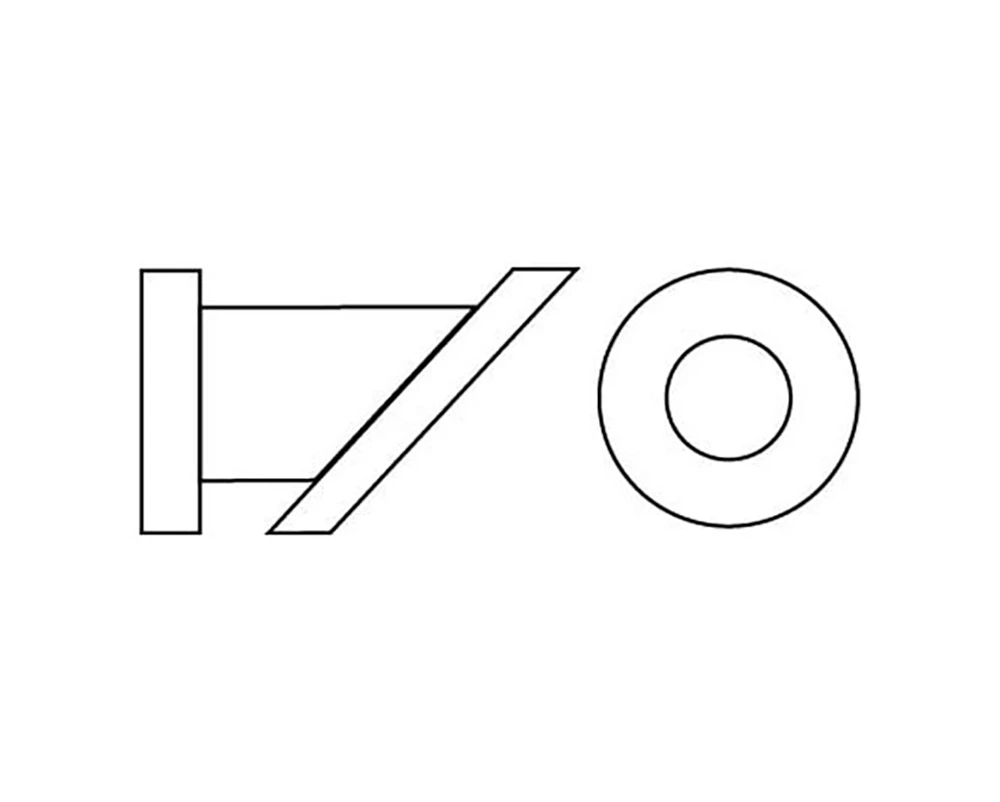
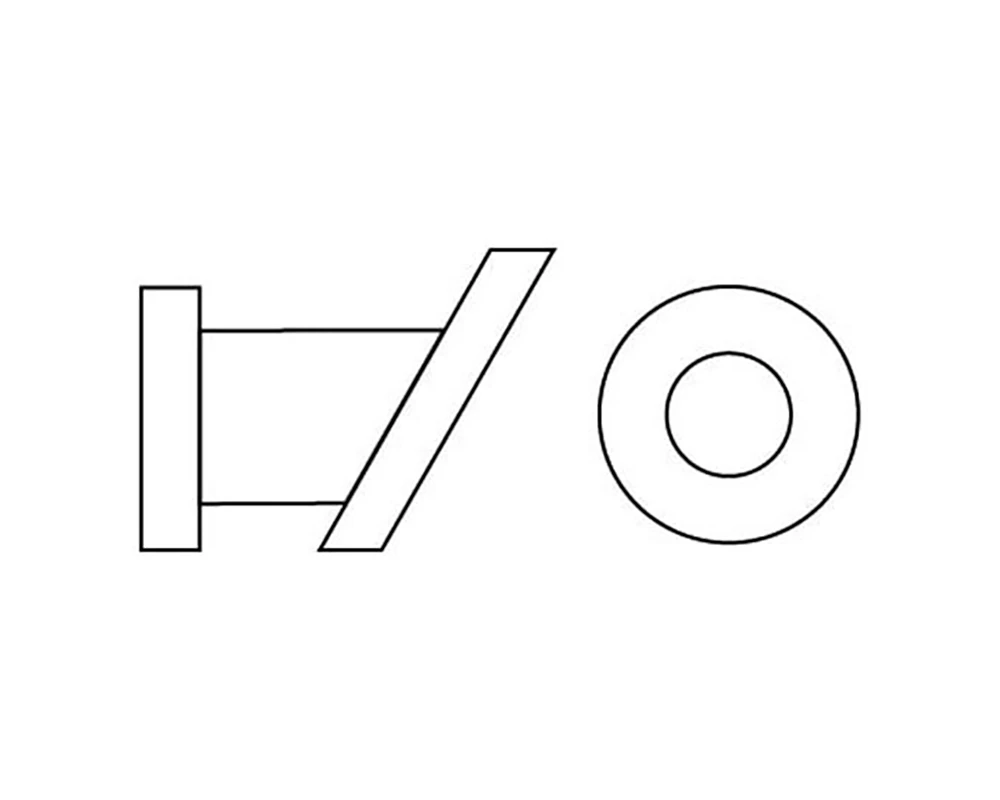
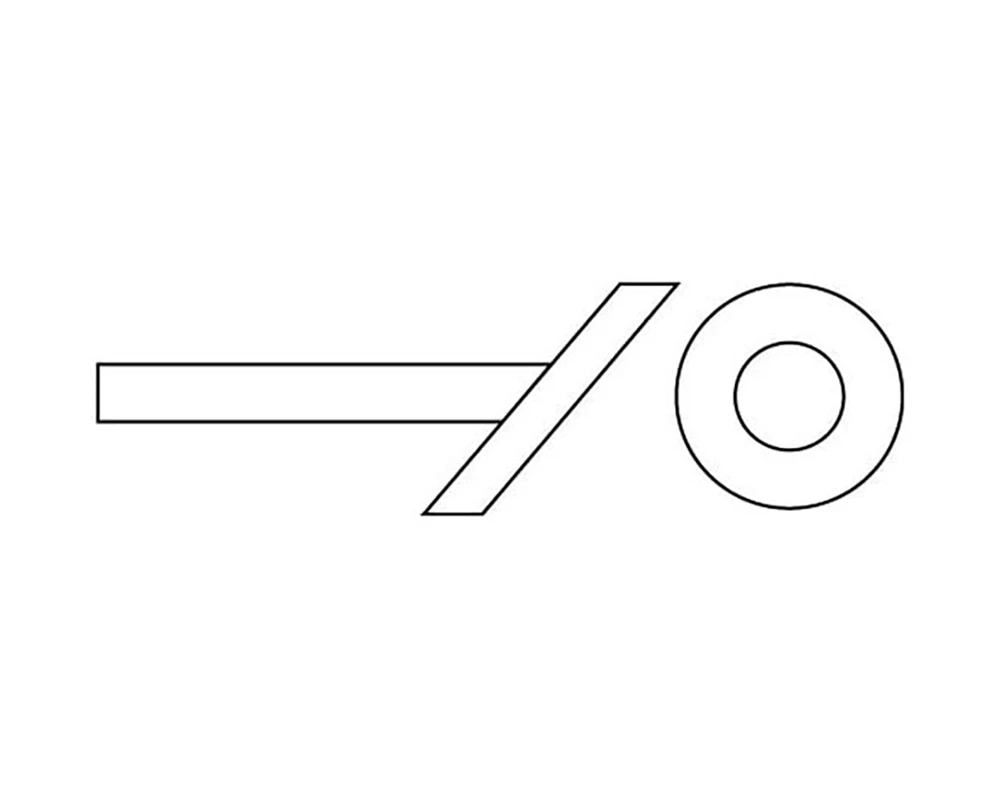
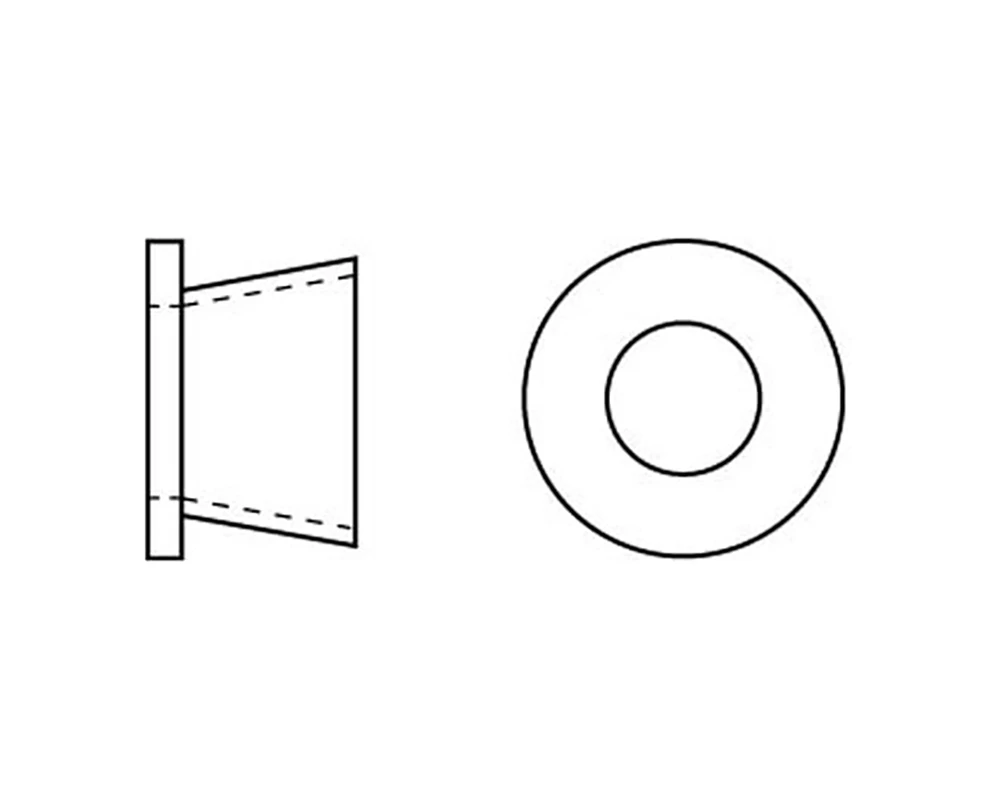
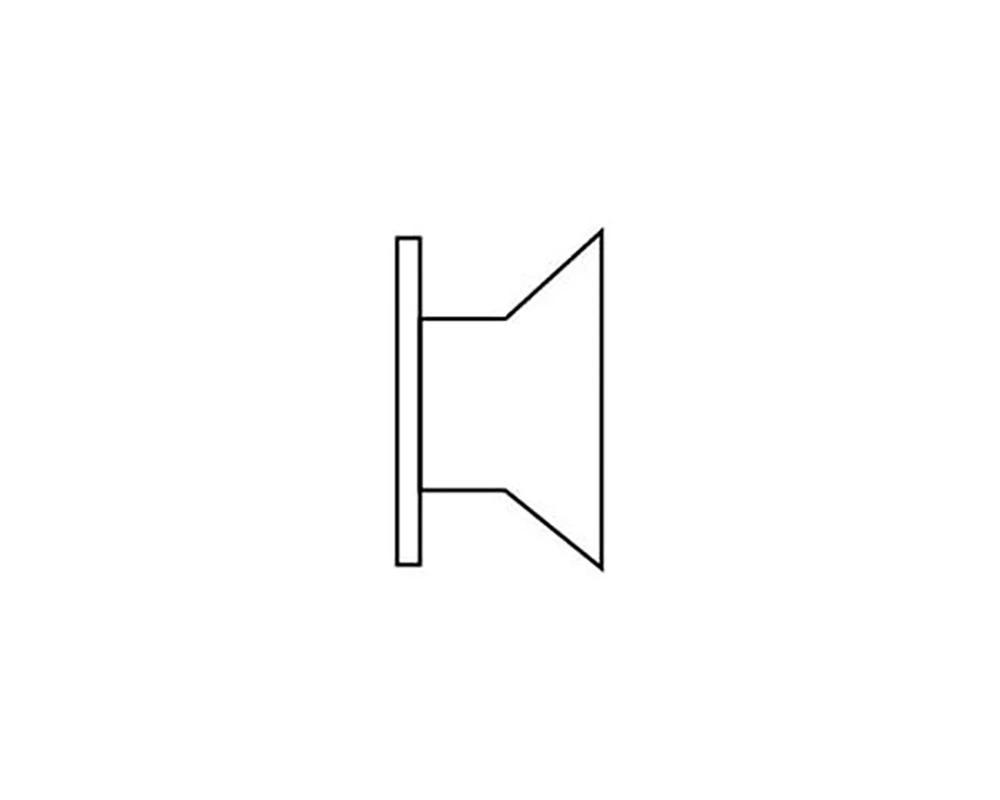
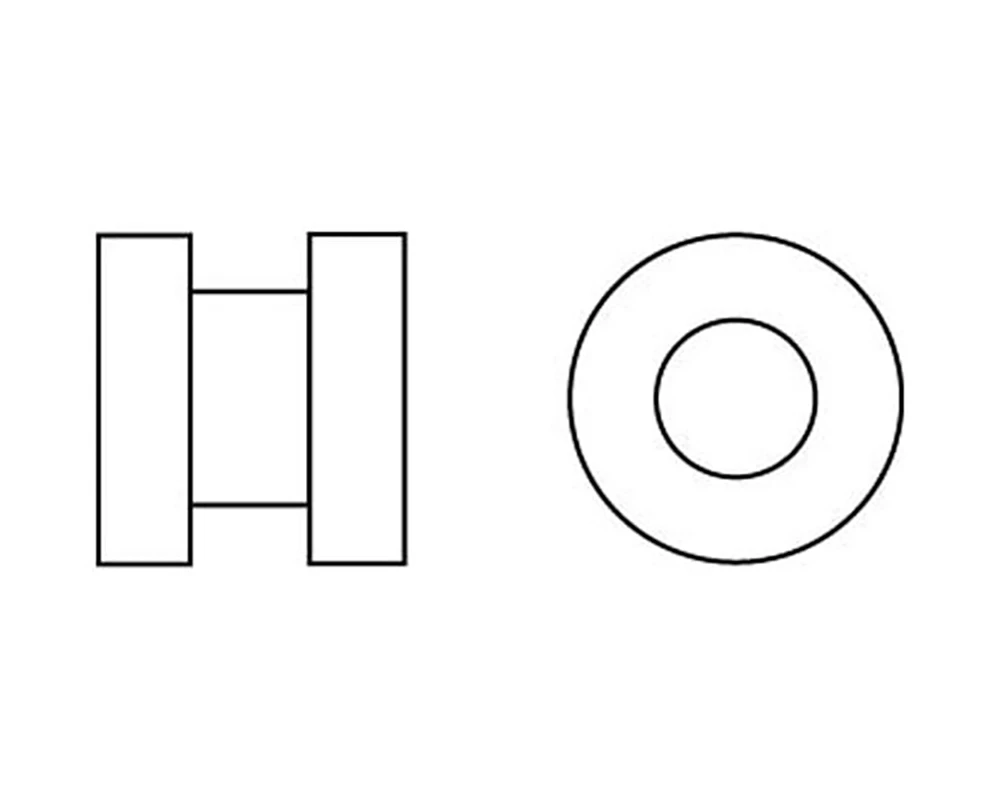

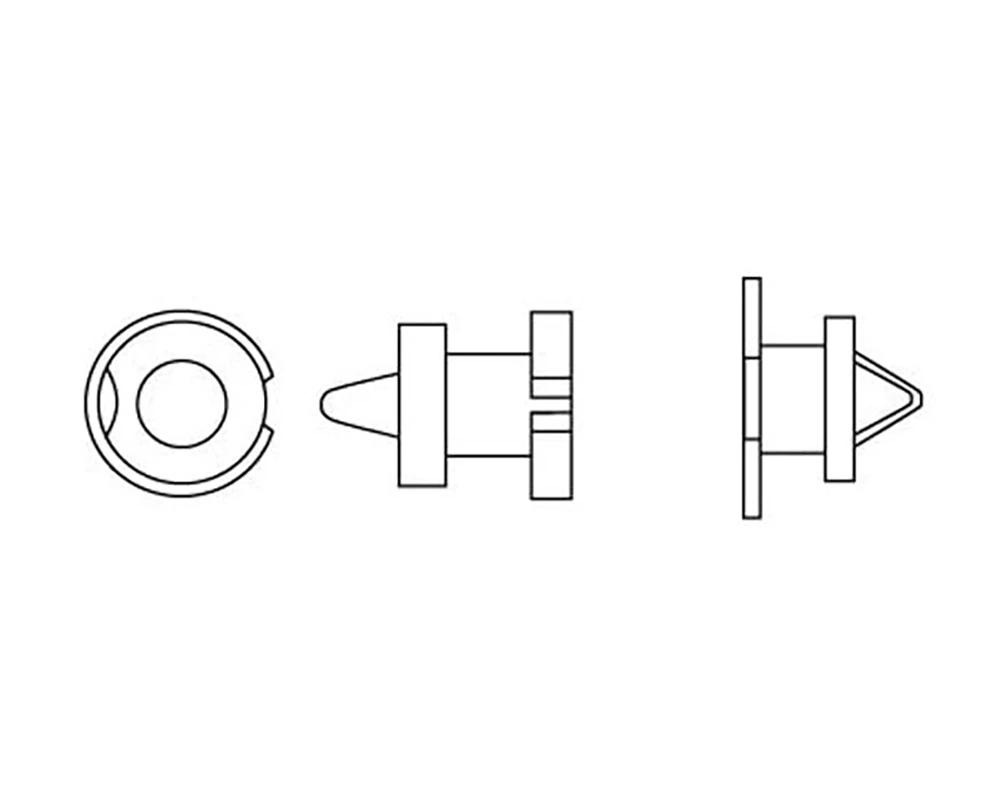
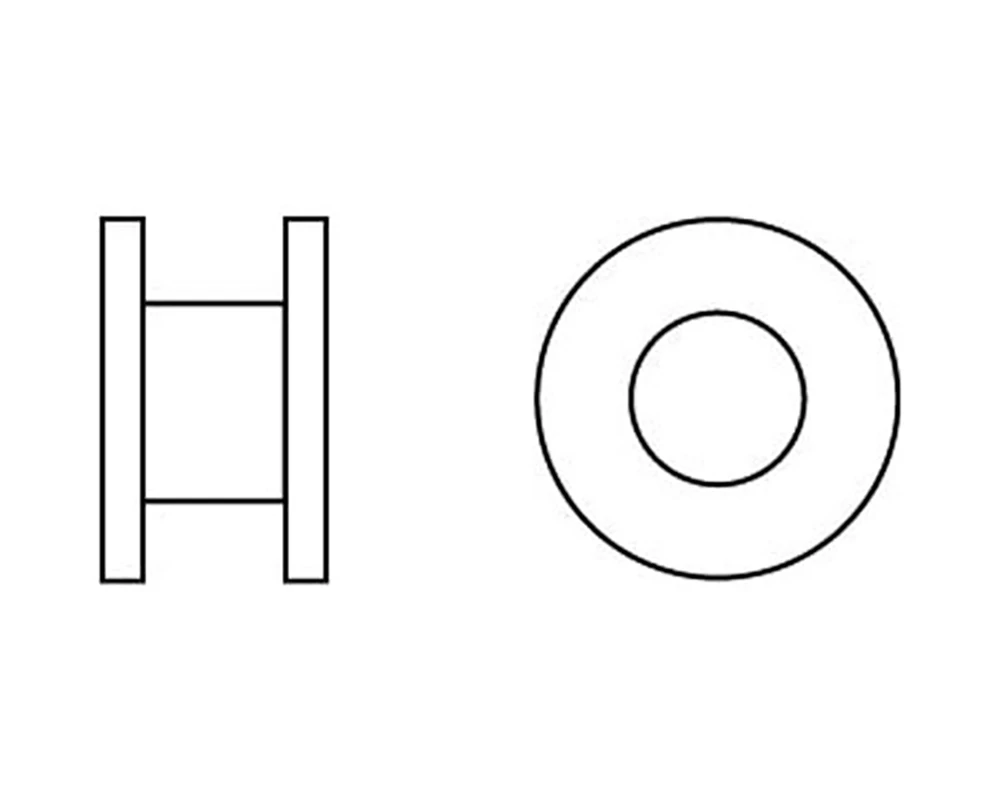
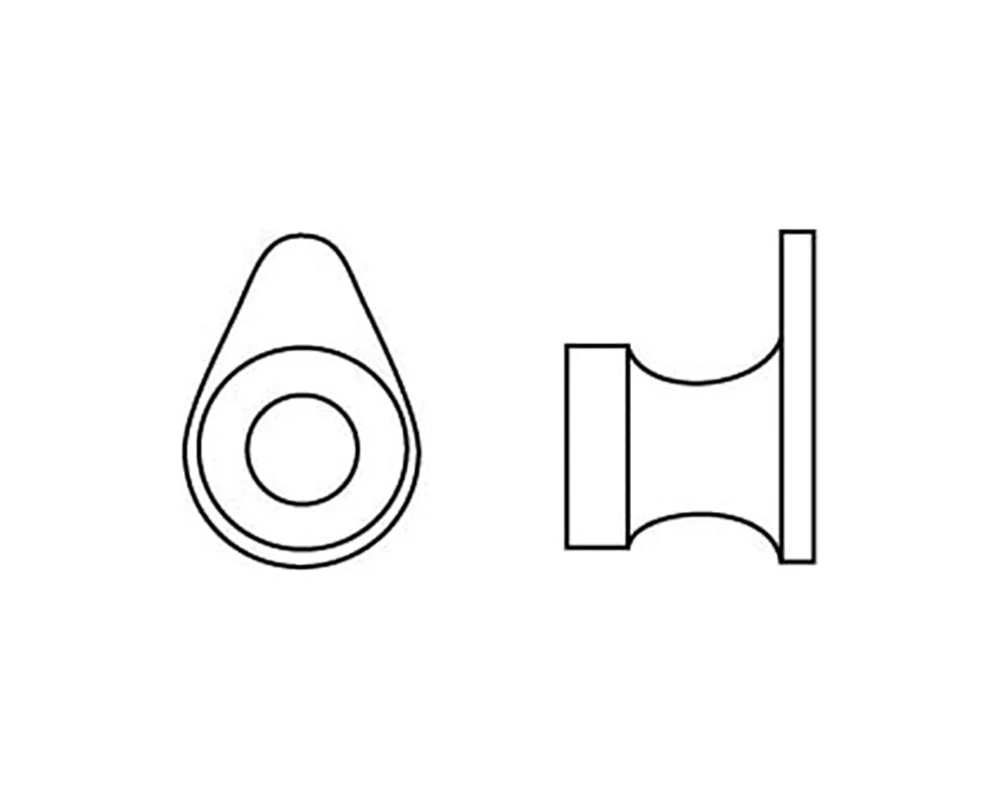
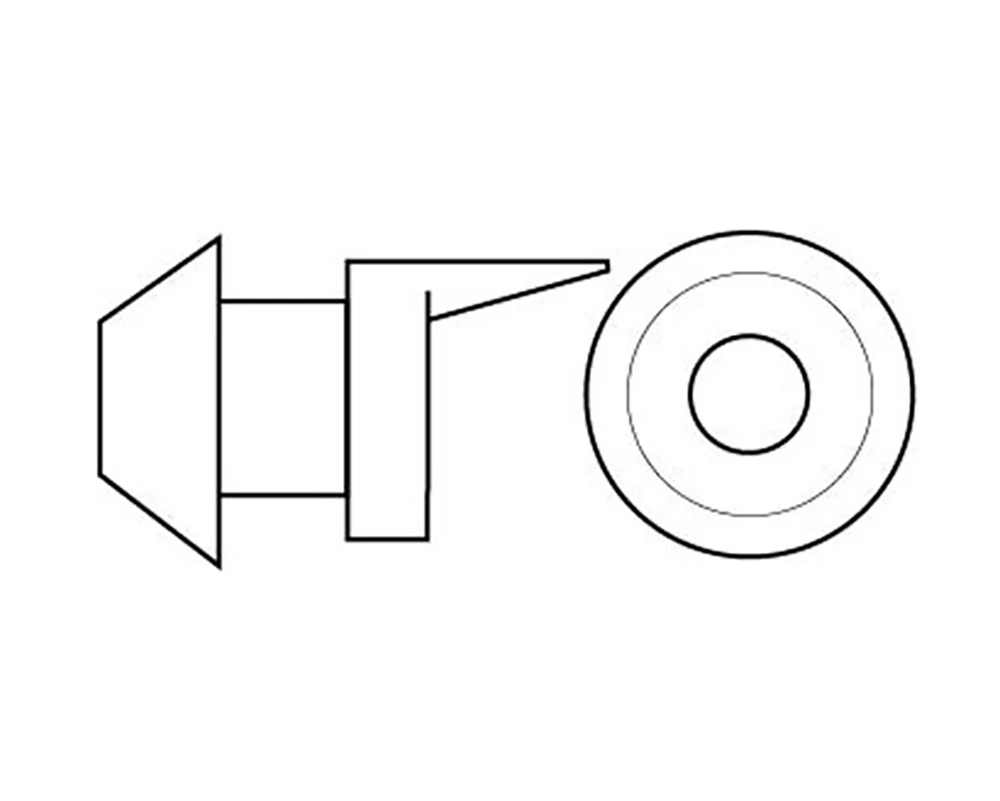
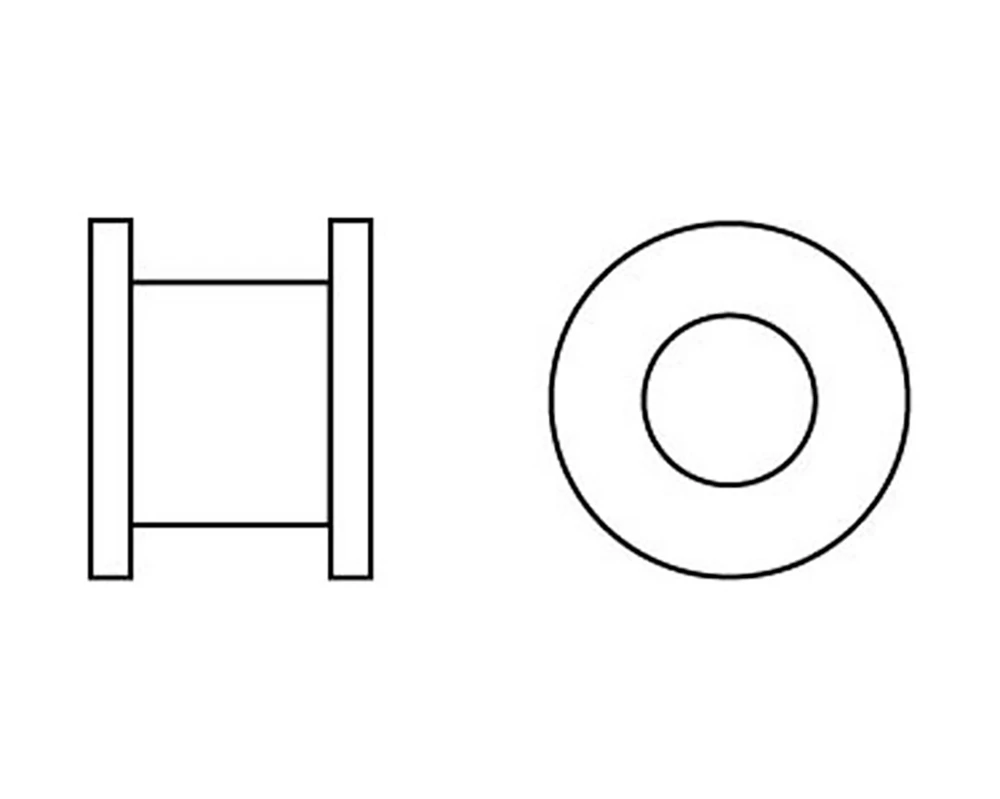

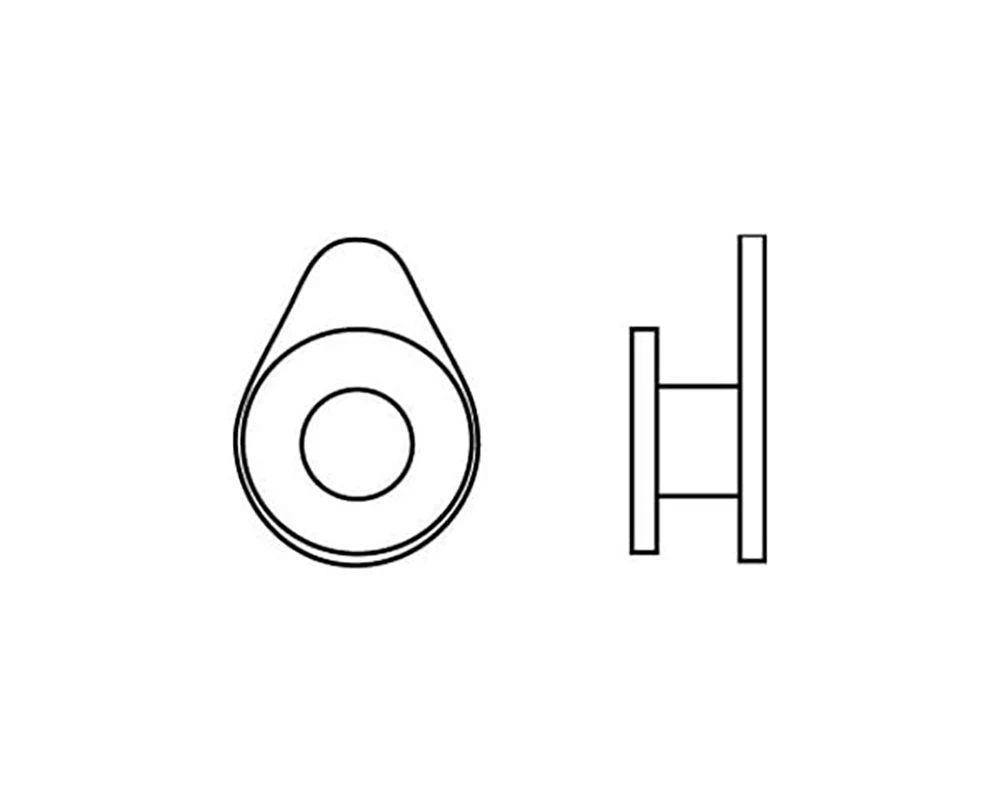

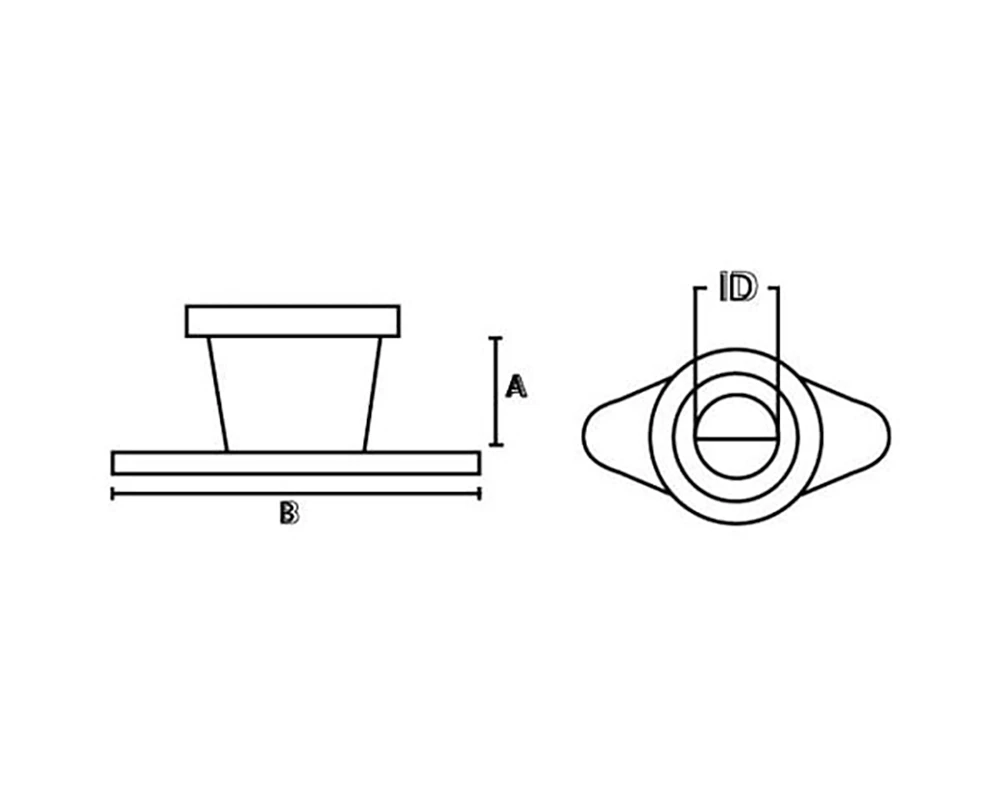
Ear Tubes in Tympanostomy and Middle Ear Procedures
Ear tubes play a critical role in modern otologic surgery by supporting middle ear ventilation and long term pressure regulation 👂🩺. These devices are most commonly used during tympanostomy procedures to help manage recurrent ear infections, chronic otitis media, and persistent middle ear effusion in both pediatric and adult patients.
During tympanostomy surgery with ear tube placement, surgeons create a controlled opening in the tympanic membrane to allow fluid drainage and pressure equalization. The placement of ventilation ear tubes helps prevent the re-accumulation of fluid, improves hearing outcomes, and reduces the frequency of infection episodes over time 🌬️.
Use of Ear Tubes for Chronic Otitis Media
Chronic otitis media with effusion is one of the most common indications for ear tube placement, particularly in pediatric patients 👶. In these cases, ear tubes for chronic otitis media allow continuous aeration of the middle ear, helping to reduce inflammation and restore normal middle ear function.
Surgeons performing tympanostomy with ventilation ear tubes often select specific tube styles based on expected duration of placement and patient anatomy. Short term ear tubes may be preferred for younger patients with transient conditions, while longer term ventilation ear tubes are selected when prolonged middle ear support is required.
Ear Tubes for Recurrent Ear Infections
For patients experiencing recurrent acute otitis media, ear tubes are used to decrease infection frequency and severity 👂. Ear tubes for recurrent ear infections help facilitate drainage and reduce the pressure buildup that contributes to pain and inflammation.
This procedure is frequently performed in outpatient surgical settings using disposable ear speculums to provide clear visualization of the ear canal. Single use ear speculums support infection control while allowing surgeons to maintain consistent access and visibility throughout the procedure 🔍.
Integration with Myringotomy Blades
Precise incision of the tympanic membrane is a key step in successful ear tube placement. Myringotomy blades are used to create a clean controlled opening that allows for atraumatic insertion of the ear tube 🧠. The combination of sharp myringotomy blades and well designed ventilation ear tubes helps support efficient placement and predictable healing.
Surgeons performing myringotomy and ear tube insertion rely on consistent blade geometry and tube design to minimize trauma to surrounding tissue. This integrated approach supports faster procedures, reduced complication rates, and improved post operative outcomes.
Ear Tubes in Adult Otologic Procedures
While commonly associated with pediatric care, ear tubes are also used in adult patients to manage eustachian tube dysfunction, barotrauma, and chronic middle ear fluid 👂. Ear tubes for adult patients are often selected with different retention and lumen characteristics to accommodate thicker tympanic membranes and longer treatment durations.
In adult tympanostomy procedures, the use of high quality ventilation ear tubes alongside disposable ear speculums and precision myringotomy blades supports consistent outcomes and efficient surgical workflow in office based and ambulatory settings 🏥.
Ventilation Tube Types and Clinical Applications
• Armstrong Grommet
Internal diameter approximately 1.14 mm
Low profile grommet design commonly used in routine tympanostomy procedures
Frequently selected for short term middle ear ventilation in pediatric patients with recurrent otitis media or middle ear effusion
• Modified Armstrong Grommet
Internal diameter approximately 1.14 mm
Designed to improve retention compared to standard grommets
Used when extended ventilation is desired without transitioning to long term designs
• Armstrong Straight Shank
Internal diameter approximately 1.14 mm
Straight shaft allows controlled insertion depth
Often used in adult ventilation procedures or in cases of chronic middle ear effusion
• Baxter Button Style
Internal diameter approximately 1.27 mm
Tapered lumen improves drainage and reduces clogging
Selected in patients with thicker middle ear fluid or recurrent infections
• Beveled Bobbin
Internal diameter approximately 1.14 mm
Double flanged design provides secure positioning
Commonly used when longer retention is preferred while maintaining a low external profile
• Donaldson Style
Internal diameter approximately 1.14 mm
Classic ventilation design with optional tabs for handling
Used in standard myringotomy procedures across pediatric and adult cases
• Mini Fluoroplastic Vent
Internal diameter approximately 0.76 mm
Ultra small profile designed for delicate tympanic membranes
Used in infants or patients with thin or fragile eardrums
• Paparella Style
Available internal diameters approximately 1.00 mm, 1.14 mm, and 1.50 mm
Larger lumen options support improved drainage
Commonly used in patients with significant middle ear effusion
• Reuter Bobbin
Available in multiple materials and diameters
Designed for enhanced durability and retention
Often selected when longer term ventilation is required
• Shah Style
Internal diameter approximately 1.14 mm
Simple and reliable grommet design
Used as a first line option for routine ventilation procedures
• Shea Parasol
Internal diameter approximately 1.02 mm
Tabbed design allows easier handling and placement
Used when ease of insertion and controlled positioning are priorities
• Sheehy Collar Button
Available internal diameters ranging from approximately 0.76 mm to 1.50 mm
Collar button shape provides strong retention
Selected for long term ventilation in patients with persistent middle ear conditions
• Shepard Grommet
Internal diameter range approximately 1.02 mm to 1.27 mm
Widely used design suitable for a broad range of indications
Offers balanced retention and ventilation
• Spoon Bobbin
Internal diameter approximately 1.14 mm
Designed for extended ventilation with increased stability
Used in chronic cases requiring prolonged middle ear aeration
• Straight Shank Vent Tube
Available lengths approximately 7 mm or 12 mm
Allows precise control of insertion depth
Often used in adult tympanostomy procedures
• T-Tube Style
Internal diameter approximately 1.14 mm to 1.32 mm
Long term ventilation solution
Used in patients with recurrent or chronic middle ear disease requiring extended support
• Ultra Vent Style
Internal diameter approximately 1.27 mm
Enhanced venting and retention design
Selected when traditional options may extrude early or clog
Material Selection and Manufacturing Quality in Ventilation Tubes
The performance of ventilation tubes is directly influenced by the materials used in their design and the quality standards behind their manufacturing 👂🩺. Material choice affects biocompatibility, retention time, drainage efficiency, and ease of removal, all of which play an important role in achieving predictable outcomes during tympanostomy and middle ear procedures.
Surgeons and purchasing teams often consider material properties carefully when selecting ventilation tubes for pediatric or adult patients, especially when balancing short term versus long term ventilation needs.
Fluoroplastic Ventilation Tubes
Fluoroplastic ventilation tubes are widely used due to their smooth surface, durability, and reliable performance in standard tympanostomy procedures 🌬️. These tubes offer consistent drainage and are less likely to accumulate debris, making them well suited for routine middle ear ventilation in patients with recurrent otitis media or chronic effusion.
Surgeons performing myringotomy with fluoroplastic ventilation tubes often appreciate their predictable extrusion timelines and ease of placement. This material is frequently selected when short to intermediate duration ventilation is desired with minimal tissue reaction.
Silicone Ventilation Tubes
Silicone ventilation tubes provide increased flexibility and softness, which can be advantageous in patients with sensitive or thin tympanic membranes 👶. These tubes are commonly used when longer dwell time is anticipated or when gentle interaction with the tympanic membrane is preferred.
In procedures involving chronic eustachian tube dysfunction or recurrent middle ear disease, silicone ventilation tubes are often chosen to support sustained ventilation while maintaining patient comfort over time.
Titanium Ventilation Tubes
Titanium ventilation tubes offer exceptional strength, biocompatibility, and long term stability 🧠. Their rigid structure and resistance to deformation make them well suited for patients requiring extended middle ear ventilation or those with a history of early tube extrusion.
Surgeons placing long term ventilation tubes for persistent middle ear effusion may select titanium designs when durability and retention are primary considerations, particularly in older pediatric or adult populations.
Precision Manufacturing and Consistency
Beyond material selection, precise manufacturing plays a critical role in the performance of ventilation tubes 🔬. Consistent internal diameters, smooth edges, and accurate flange geometry support atraumatic insertion and predictable healing following myringotomy.
High quality manufacturing standards help ensure that each ventilation tube performs as intended, reducing variability during placement and minimizing the risk of complications such as blockage or premature extrusion. This level of consistency is especially important for high volume ENT practices and ambulatory surgery centers.
Why Quality Matters for Clinical Outcomes
Reliable ventilation tube performance supports improved drainage, reduced infection recurrence, and better hearing outcomes over time 📈. When materials and manufacturing quality are aligned with clinical needs, surgeons can focus on technique and patient care rather than device variability.
By offering a broad selection of ventilation tubes produced with consistent quality standards, ACE Medical supports ENT surgeons and clinical teams in delivering dependable care across a wide range of middle ear procedures.
Buyer Focused Ventilation Tube Selection Guidance
Selecting the appropriate ventilation tube involves balancing clinical needs, expected duration of placement, patient anatomy, and procedural volume 👂🩺. For buyers and surgical teams, understanding how different tube designs align with specific use cases helps ensure consistent outcomes while supporting efficient inventory management.
Short Term Ventilation Needs
For patients requiring temporary middle ear ventilation, such as children with recurrent acute otitis media or transient middle ear effusion, shorter term designs are often preferred 🌬️. Grommet style ventilation tubes with smaller internal diameters support reliable drainage while allowing natural extrusion as the tympanic membrane heals.
Buyers supporting high volume pediatric tympanostomy procedures often prioritize these designs due to their predictable performance, broad applicability, and efficient turnover within clinical inventory.
Intermediate Ventilation Requirements
When longer support is anticipated but permanent placement is not required, intermediate retention designs provide a balance between durability and natural extrusion 👶. Bobbin and collar style tubes are commonly selected in cases involving chronic otitis media with effusion or eustachian tube dysfunction that may persist beyond initial treatment.
For procurement teams, stocking multiple intermediate ventilation tube options allows surgeons to tailor treatment without transitioning to long term solutions prematurely.
Long Term Ventilation and Recurrent Disease
Patients with persistent middle ear disease or a history of early tube extrusion often benefit from long term ventilation solutions 🧠. T tube and collar button designs are frequently used in older pediatric and adult populations where sustained middle ear aeration is required.
Buyers supporting ENT practices that treat complex or recurrent cases often include these longer retention options as part of a comprehensive ventilation tube portfolio.
Material Considerations for Purchasing Decisions
Material selection plays a significant role in both clinical performance and purchasing strategy 🧪. Fluoroplastic tubes are widely used for routine procedures due to their durability and predictable extrusion, while silicone tubes are selected when flexibility and patient comfort are priorities.
Titanium options may be included for practices that require long term solutions with enhanced structural stability. Maintaining a mix of materials allows purchasing teams to support a wider range of surgeon preferences and patient needs.
Standardization and Inventory Efficiency
For hospitals and ambulatory surgery centers, standardizing ventilation tube offerings can simplify inventory management while still supporting surgeon choice 📦. Stocking a curated selection of short term, intermediate, and long term tube styles helps ensure readiness across diverse clinical scenarios.
By aligning purchasing decisions with procedural volume and surgeon preference, buyers can optimize supply availability, reduce waste, and support consistent clinical outcomes across tympanostomy and middle ear procedures.
Pediatric vs Adult Considerations for Ventilation Tubes
Pediatric Ventilation Tube Considerations
In pediatric patients, ventilation tubes are most commonly used to manage recurrent otitis media and chronic middle ear effusion that can impact hearing development and speech acquisition 👶👂. Children often present with smaller ear canals and thinner tympanic membranes, which influences both tube size selection and material choice.
Short term and intermediate duration designs are frequently selected for pediatric tympanostomy procedures, allowing effective middle ear ventilation while supporting natural extrusion as the tympanic membrane heals. Smaller internal diameters and low profile designs help minimize trauma while maintaining adequate drainage and pressure equalization.
In pediatric cases, surgeons also consider the likelihood of future procedures. Selecting a ventilation tube that balances effective aeration with predictable extrusion helps reduce the need for repeat interventions while maintaining safe middle ear function over time.
Adult Ventilation Tube Considerations
Adult patients often require ventilation tubes for different underlying conditions, including chronic eustachian tube dysfunction, barotrauma, or persistent middle ear fluid related to sinus or allergy disorders 👂🧠. Adult tympanic membranes are thicker and more rigid, which allows for a broader range of tube designs and materials.
Longer retention options are more commonly selected for adults, particularly in cases where sustained middle ear ventilation is required. Designs with larger internal diameters may be chosen to improve drainage efficiency and reduce the risk of blockage in patients with thicker secretions.
Adult procedures are frequently performed in office based or ambulatory settings, making ease of placement and reliable retention important considerations when selecting ventilation tubes.
Shared Clinical Considerations Across Age Groups
Across both pediatric and adult populations, proper visualization and technique remain critical to successful outcomes 🔍. The use of disposable ear speculums supports clear access to the ear canal, while precision myringotomy blades help create controlled incisions that support clean tube placement and predictable healing.
By understanding the anatomical and clinical differences between pediatric and adult patients, surgeons and purchasing teams can select ventilation tubes that align with procedural goals, patient needs, and long term treatment strategies.
Quality and Manufacturing Standards
Consistent clinical performance starts with quality manufacturing 👂🩺. All ACE Medical ventilation tubes are produced using medical grade materials and manufactured to meet rigorous quality standards that support safety, reliability, and predictable outcomes across ENT procedures.
Precision manufacturing ensures smooth surfaces, accurate internal diameters, and dependable retention characteristics that support atraumatic placement and effective middle ear ventilation. This attention to detail helps reduce variability during tympanostomy procedures and supports long term patient outcomes across both pediatric and adult populations.
Explore Our Ventilation Tube Selection
⬆️ Scroll back to the top of the page to browse our full selection of ventilation tubes and find the styles, sizes, and materials that best support your clinical needs 👂🔍. When you’re ready, explore our available options and equip your practice with dependable solutions designed for consistent performance and trusted results.