Why Controlled Irrigation in Stone Surgery Is Critical 💧
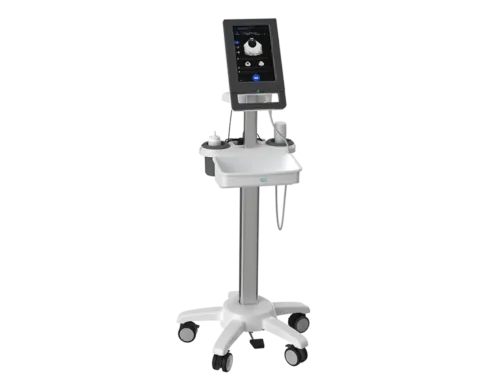
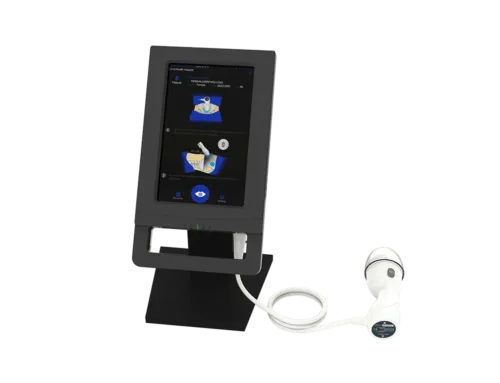
Controlled irrigation in stone surgery is essential for maintaining visualization, managing intrarenal pressure, and supporting safe and effective stone removal. During endoscopic procedures, irrigation is responsible for clearing debris, dissipating heat generated by laser lithotripsy, and enabling precise manipulation of instruments within confined anatomical spaces 🧠.
When controlled irrigation in stone surgery flow is poor, surgeons may encounter reduced visibility, pressure related complications, or prolonged operative times. Conversely, effective irrigation management allows surgeons to balance flow and pressure dynamically, supporting both efficiency and patient safety. This makes irrigation control a core component of modern stone surgery technique rather than a passive background process 🏥.
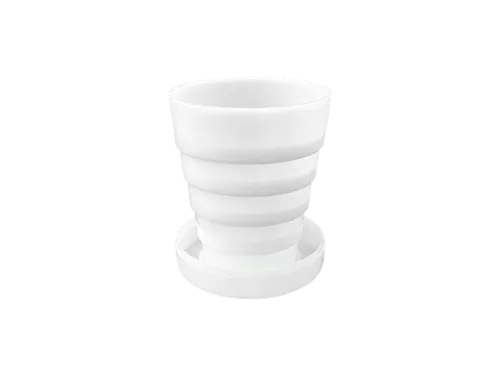
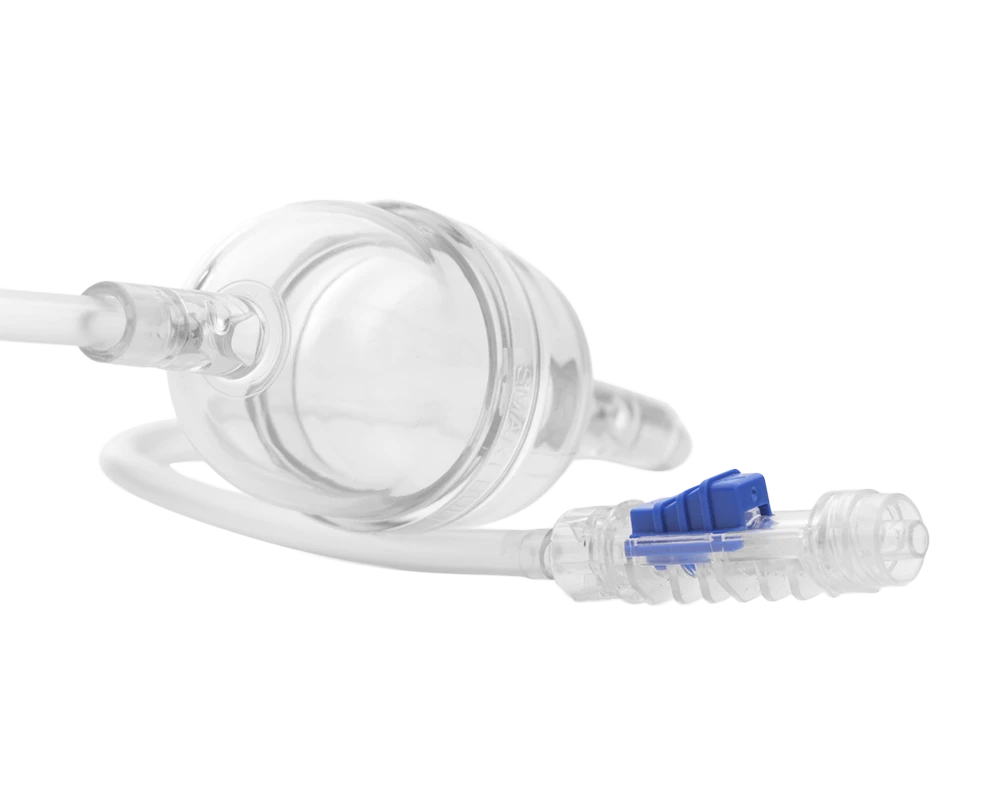
Smart Bulb Bladder Irrigator for Bladder Stone Procedures 🧠⚕️
Bladder stone procedures present unique controlled irrigation in stone surgery requirements compared to upper tract surgery. The bladder is a larger cavity that benefits from controlled distension, continuous outflow, and efficient debris clearance. The Smart Bulb bladder irrigator is well suited for these demands, offering direct manual control over irrigation volume and flow.
The Smart Bulb allows surgeons to respond immediately to changes in visualization during cystoscopic bladder stone removal. Stone dust and fragments can be flushed quickly, improving scope optics and reducing procedural interruptions 🪨.
Manual Control for Safer Bladder Distension
Overdistension of the bladder can lead to discomfort or mucosal injury. The Smart Bulb supports incremental fluid delivery, allowing the surgeon to distend the bladder only as much as needed to maintain visualization while avoiding excessive pressure.
For bladder procedures where active controlled irrigation in stone surgery and continuous adjustment are required, the Smart Bulb provides simplicity, responsiveness, and reliable control.
Controlled Irrigation in Stone Surgery The Upper Tract💧
Kidney and ureteral stone surgery requires a more delicate balance of irrigation flow and pressure due to the confined nature of the collecting system. Excessive intrarenal pressure can increase the risk of pyelo venous backflow, infection, and postoperative pain. Controlled irrigation helps maintain visualization while protecting renal structures during ureteroscopy and laser lithotripsy 🧠.
Upper tract stone procedures demand irrigation systems that allow rapid adjustments based on real time visual feedback. This is particularly important during prolonged laser activation, when heat dissipation and debris clearance are ongoing concerns.
Mini Pillow and Peditrol as Irrigation Control Options ⚖️
Two commonly used methods for achieving controlled irrigation in kidney stone surgery are the Mini Pillow and the Peditrol. While both support effective fluid management, their control mechanisms differ significantly, influencing workflow and surgeon ergonomics.
Mini Pillow Hand Held Irrigation Control 💧
The Mini Pillow is a hand held irrigation controller that allows direct tactile modulation of irrigation flow. By compressing or releasing the pillow, the operator can adjust pressure and flow instantly based on visual feedback from the endoscope.
One of the key advantages of the Mini Pillow is its intuitive control. Surgeons or assistants can make fine adjustments without relying on automated systems or preset pressure levels. This responsiveness is particularly valuable during laser lithotripsy, where debris generation and visualization needs can change rapidly 🧠.
An important workflow consideration is that many surgeons already use a foot pedal to control laser activation during stone surgery. In these cases, adding a second foot pedal for irrigation control can increase cognitive load and require the surgeon to shift attention between pedals. Using the Mini Pillow allows irrigation control to be managed by hand, reducing the need for foot pedal switching and supporting a smoother, more focused workflow 🏥.
For surgeons who prefer to maintain laser control with their foot, the Mini Pillow offers a practical solution that minimizes distraction and supports precise coordination during critical procedural moments.
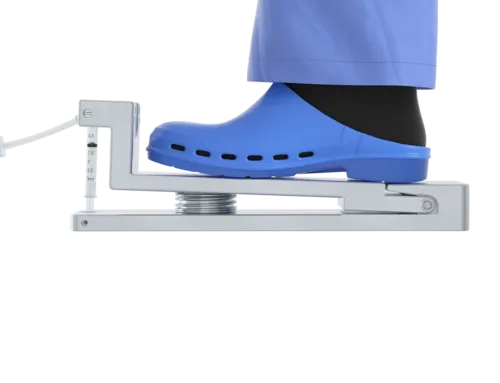
Peditrol Foot Pedal Controlled Irrigation 🚶💧
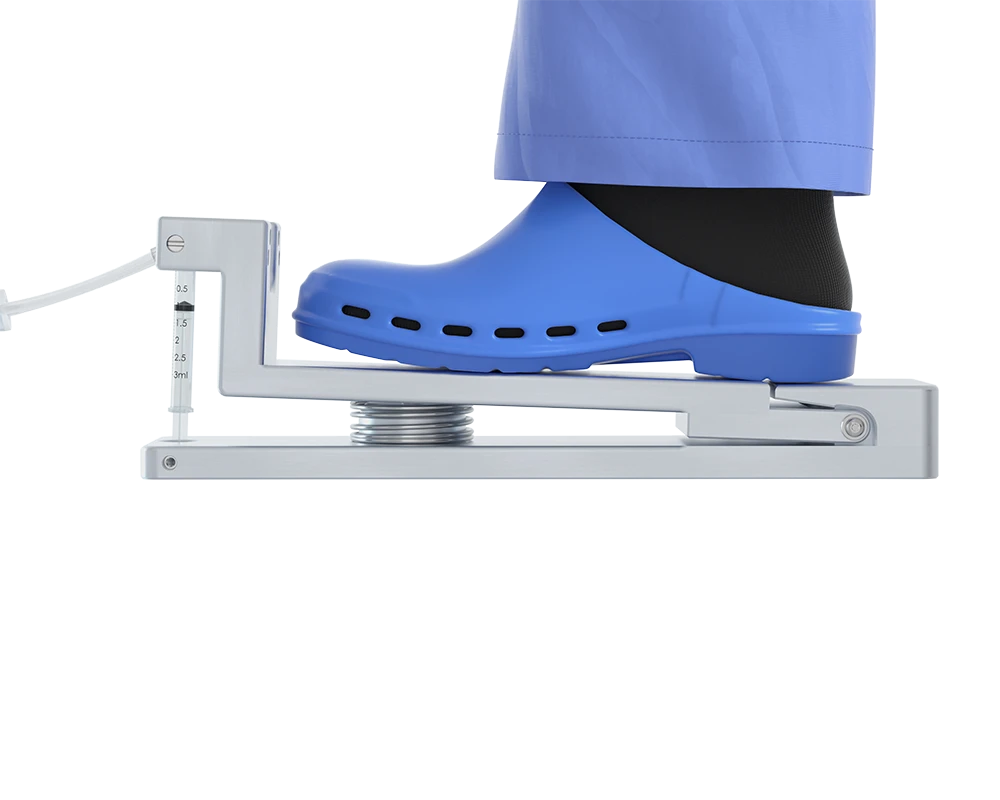
The Peditrol provides irrigation control through a foot pedal, allowing hands free adjustment of fluid flow. This approach can be advantageous for surgeons who prefer to manage all irrigation adjustments independently while keeping both hands on the scope and laser fiber.
Foot pedal control integrates well in operating rooms where surgeons are accustomed to managing multiple pedal based devices. The Peditrol allows rapid changes in irrigation without hand repositioning, which can improve efficiency during certain phases of the procedure.
However, when laser activation is also controlled by a foot pedal, surgeons may need to alternate between pedals. This can introduce workflow complexity, especially during delicate maneuvers where timing and coordination are critical. In such cases, careful consideration of pedal placement and team coordination is essential to avoid unintended pressure changes or delays.
Choosing the Right Irrigation Control Method 🧠
The choice between Mini Pillow and Peditrol should be guided by surgeon preference, procedural complexity, and overall operating room workflow. Both methods support controlled irrigation in stone surgery, but their ergonomics and control styles may make one more suitable than the other in specific scenarios.
Mini Pillow may be advantageous when:
• The surgeon is already controlling the laser with a foot pedal
• Fine, tactile adjustments to irrigation are frequently required
• Reducing foot pedal switching improves focus and safety
• Assistant involvement supports dynamic irrigation management
Peditrol may be advantageous when:
• The surgeon prefers hands free irrigation control
• Laser control is managed differently or by an assistant
• Operating room setup supports coordinated pedal use
• Consistent pedal based workflows are already established
By aligning irrigation control method with laser control strategy, surgeons can reduce cognitive load, improve coordination, and maintain better control over intrarenal pressure throughout the procedure 🧠.
Maintaining Safe Renal Pressures Through Smart Irrigation 💧
Maintaining safe renal pressures is essential to minimizing complications in stone surgery. Controlled irrigation in stone surgery helps prevent excessive pressure buildup while ensuring adequate visualization and fragment clearance.
Both Mini Pillow and Peditrol systems can support safe pressure management when used thoughtfully. The key is selecting a method that allows timely adjustments without disrupting the surgeon’s focus or procedural flow 🏥.
Integrating Irrigation Devices Into Stone Surgery Workflows 🧠
Effective stone surgery depends on the integration of multiple tools working together. The Smart Bulb supports bladder stone procedures, while the Mini Pillow and Peditrol offer flexible options for upper tract irrigation control.
Selecting the appropriate irrigation device for each clinical scenario allows surgeons to tailor their approach, optimize safety, and improve procedural efficiency across a wide range of stone cases 🪨.
In Summary 🧠✨
Controlled irrigation in stone surgery is a cornerstone of safe and effective endoscopic stone management. Devices such as the Smart Bulb, Mini Pillow, and Peditrol offer different approaches to irrigation control, each with advantages depending on procedural context and workflow preferences.
When laser activation is already controlled by a foot pedal, using a Mini Pillow for irrigation may reduce the need to alternate between pedals, supporting better focus and smoother coordination. By aligning irrigation strategy with overall workflow, surgeons can maintain safe renal pressures, enhance visualization, and deliver better outcomes for patients.
Additional Search Terms
controlled irrigation in stone surgery, controlled irrigation in stone surgery techniques, controlled irrigation in stone surgery systems, controlled irrigation in stone surgery workflow, controlled irrigation in stone surgery safety, controlled irrigation in stone surgery pressure management, controlled irrigation in stone surgery ureteroscopy, controlled irrigation in stone surgery bladder stones, controlled irrigation in stone surgery renal pressure control, controlled irrigation in stone surgery endourology, controlled irrigation in stone surgery laser lithotripsy, controlled irrigation in stone surgery clinical best practices