Why Stone Fragment Clearance Is Critical in Modern Stone Surgery 🧠
Stone fragment clearance is one of the most important determinants of long term success in kidney and ureteral stone surgery. While advances in ureteroscopy and laser lithotripsy have improved the ability to fragment stones efficiently, the presence of residual fragments remains a leading cause of postoperative symptoms, recurrence, and repeat intervention.
Even small residual fragments can serve as a nidus for future stone growth. Patients who appear symptom free immediately after surgery may return months later with recurrent pain or obstruction caused by retained material. As a result, stone fragment clearance has become a central focus of modern endourology, emphasizing not only stone fragmentation but also complete removal and evacuation 🏥.
Understanding Residual Stone Fragments 🔬
Residual stone fragments are defined as stone material that remains in the urinary tract following a surgical intervention. These fragments may be visible on postoperative imaging or may only become apparent when they migrate and cause symptoms.
Fragments can vary widely in size and location. Some may settle in dependent calyces, while others may lodge in the ureter or renal pelvis. Regardless of size, retained fragments increase the likelihood of recurrence and negatively impact patient outcomes 🧠.
Clinically Insignificant Fragments
Fragments once considered clinically insignificant are now recognized as contributors to recurrence. Improved imaging and follow up data have highlighted the importance of comprehensive fragment clearance.
Fragment Clearance in Ureteroscopy 🧠
Ureteroscopy allows direct visualization of stones and fragments, providing an opportunity for active clearance during the procedure. However, achieving complete stone fragment clearance requires more than laser fragmentation alone.
Stone dust, fine debris, and small fragments can accumulate quickly during lithotripsy. Without effective clearance strategies, these materials may remain in the collecting system despite apparently successful fragmentation 🪨.
Role of Irrigation in Stone Fragment Clearance 💧
Irrigation plays a fundamental role in stone fragment clearance by mobilizing debris and flushing fragments away from the treatment site. Controlled irrigation helps prevent fragment accumulation and allows surgeons to assess residual burden more accurately.
Effective irrigation supports both visualization and clearance, particularly when dusting techniques are used. Without adequate flow, fine particles can obscure the visual field and remain trapped within calyces 🧠.
Balancing Flow and Pressure
While irrigation aids clearance, excessive pressure can force fragments deeper into the collecting system. Controlled irrigation supports clearance while maintaining safe intrarenal pressures.
Active vs Passive Fragment Clearance Strategies 🪨
Stone fragment clearance can be approached actively or passively. Active strategies involve direct retrieval of fragments using baskets or graspers, while passive strategies rely on irrigation and gravity to evacuate debris.
Active retrieval offers greater certainty of removal but may prolong operative time. Passive clearance is efficient for fine dust but may leave residual fragments if not carefully managed. Most procedures employ a combination of both approaches 🏥.
Use of Collection Devices for Stone Fragment Clearance 🧠
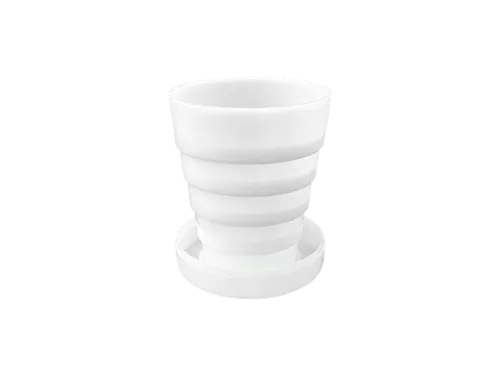
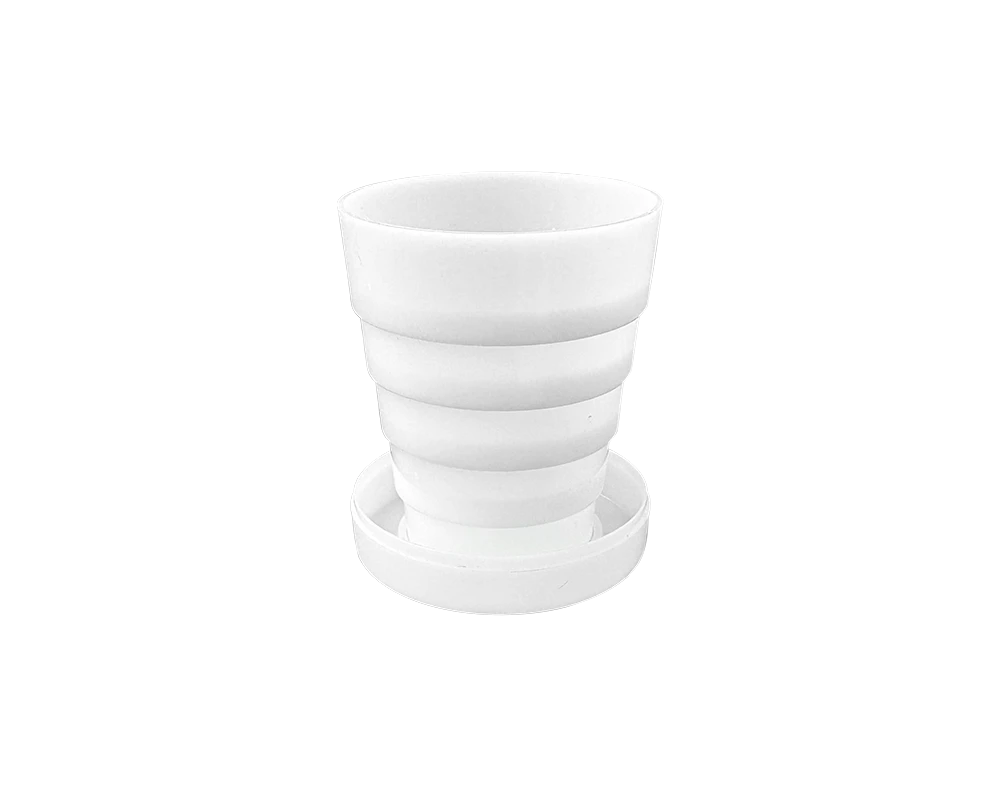
Collection devices like the Kidney Stone Collection Cups play an important role in confirming stone fragment clearance. By capturing fragments as they exit the urinary tract, surgeons can assess the volume and size of material removed.
These devices provide immediate feedback and support decision making regarding whether additional fragmentation or retrieval is required. They also facilitate stone analysis and postoperative documentation 🪨.
Supporting Stone Analysis
Collected fragments allow for laboratory analysis that informs long term preventive care. This diagnostic benefit reinforces the importance of effective clearance.
Fragment Clearance in Bladder Stone Procedures 🧠
Bladder stone surgery presents unique clearance challenges due to the size of the cavity and the volume of debris generated. Effective irrigation and continuous outflow are essential to prevent fragment accumulation and maintain visualization.
Controlled irrigation allows surgeons to evacuate fragments efficiently while avoiding bladder overdistension. Clear fragment clearance reduces operative time and improves procedural flow 🏥.
Fragment Clearance in Renal Calyces 🔬
Fragments located in dependent calyces are among the most difficult to clear. Gravity, anatomy, and limited access can allow debris to settle and persist despite thorough fragmentation.
Surgeons may adjust patient positioning, irrigation flow, or scope orientation to mobilize fragments from these regions. Effective stone fragment clearance requires awareness of anatomical factors that influence debris movement 🧠.
Lower Pole Challenges
Lower pole stones and fragments often require deliberate clearance strategies due to unfavorable drainage angles.
Laser Technique and Fragment Clearance 🧠
Laser settings influence fragment size and clearance efficiency. Dusting techniques create fine particles that rely heavily on irrigation for evacuation, while fragmentation techniques produce larger pieces that may require active retrieval.
Selecting laser parameters with clearance in mind helps reduce residual burden and supports more predictable outcomes 🪨.
Workflow Efficiency and Stone Fragment Clearance ⚙️
Efficient fragment clearance reduces the need for prolonged inspection and repeated scope passes. This improves operative efficiency and reduces fatigue for both the surgeon and the patient.
Clear workflows that integrate irrigation, visualization, and retrieval support consistent clearance across cases 🏥.
Reducing Repeat Procedures
Improved clearance lowers the likelihood of repeat interventions, benefiting patients and healthcare systems alike.
Postoperative Imaging and Fragment Clearance 🧠
Postoperative imaging plays a role in confirming stone fragment clearance. Imaging findings help guide follow up care and identify patients who may benefit from additional intervention.
Effective intraoperative clearance reduces the burden of residual fragments detected on imaging, improving long term outcomes 🪨.
Patient Outcomes and Stone Fragment Clearance 🧠
Patients who achieve complete fragment clearance experience fewer symptoms, lower recurrence rates, and improved quality of life. Reducing residual stone burden minimizes postoperative pain and emergency visits.
Stone fragment clearance directly impacts patient satisfaction and confidence in treatment outcomes 🏥.
Training and Best Practices for Fragment Clearance 🎓
Training programs increasingly emphasize fragment clearance as a core component of stone surgery. Surgeons learn to evaluate clearance continuously throughout the procedure rather than relying solely on final inspection.
Standardizing clearance strategies supports consistency and quality across providers 🧠.
Integrating Fragment Clearance Into Stone Surgery Strategy 🧠
Stone fragment clearance should be considered from the outset of surgical planning. Imaging, access strategy, laser technique, irrigation method, and retrieval tools all influence clearance success.
By adopting a clearance focused mindset, surgeons can improve outcomes and reduce recurrence 🪨.
Long Term Benefits of Effective Stone Fragment Clearance 🧠
Effective clearance reduces recurrence, minimizes repeat procedures, and supports preventive care through stone analysis. These benefits extend well beyond the operating room, improving long term patient health.
Stone fragment clearance is not an endpoint but a cornerstone of comprehensive stone management 🏥.
In Summary 🧠✨
Stone fragment clearance is a critical component of successful kidney and ureteral stone surgery. From irrigation and laser technique to retrieval and documentation, every aspect of the procedure influences residual burden.
By prioritizing stone fragment clearance, surgical teams can reduce recurrence, improve patient outcomes, and deliver higher quality, guideline aligned stone care.