Understanding the Role of the Urethral Meatal Dilator in Modern Stone Surgery 🧠
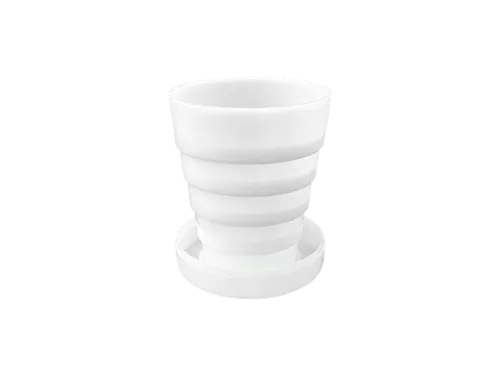
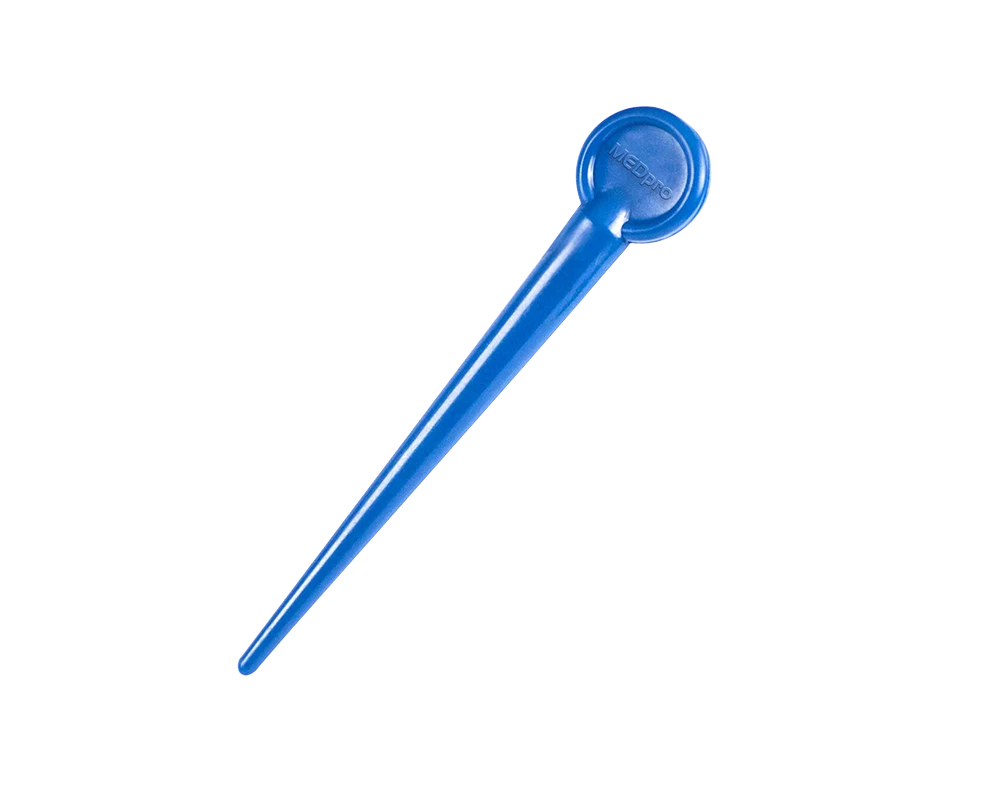
The urethral meatal dilators play a critical role in modern urologic procedures, particularly in the surgical management of kidney and ureteral stones. Safe and reliable access to the urinary tract is a foundational step in procedures such as ureteroscopy, and challenges at the level of the urethral meatus can complicate or delay treatment if not addressed appropriately. The urethral meatal dilator is designed to support controlled dilation of the urethral opening, helping surgeons establish smooth access while minimizing trauma and patient discomfort.
In stone surgery, where procedural efficiency and patient safety are paramount, even minor resistance during scope insertion can increase the risk of urethral injury, mucosal tearing, or postoperative complications. The use of a urethral meatal dilator allows surgeons to address anatomical narrowing in a deliberate and atraumatic manner, improving procedural flow and supporting consistent outcomes 🏥.
Why Urethral Access Matters in Ureteroscopy and Stone Management 🔬
Ureteroscopy is one of the most common surgical approaches for managing ureteral and renal stones. The success of ureteroscopy depends heavily on the ability to safely advance instruments through the urethra and into the urinary tract without causing unnecessary injury. Narrow or resistant urethral anatomy at the meatus can present an immediate obstacle, particularly in male patients or those with prior instrumentation, inflammation, or anatomical variation.
Urethral meatal dilators are often used early in the procedure to gently expand the urethral opening, allowing for smoother passage of scopes, access sheaths, and ancillary instruments. By reducing resistance at the entry point, the dilator helps preserve the integrity of the urethral mucosa and supports atraumatic advancement of the surgical equipment 🧠.
Reducing Resistance at the Start of the Procedure
Initial access sets the tone for the entire procedure. When urethral resistance is encountered during insertion, repeated attempts can increase the risk of tissue injury and bleeding. A urethral meatal dilator allows surgeons to address this resistance proactively, improving access while maintaining control and visibility from the outset.
Clinical Scenarios Where a Urethral Meatal Dilator Is Most Beneficial 🏥
Urethral meatal dilators is not used indiscriminately in every stone surgery case, but it provides clear benefits in specific clinical scenarios. Patients with a naturally narrow urethral meatus, prior urologic procedures, or mild urethral scarring may benefit significantly from controlled dilation. Additionally, patients presenting with inflammation or edema at the meatus can experience smoother access when a dilator is used appropriately.
In emergency stone cases where time is critical, establishing reliable access quickly can reduce operative time and patient discomfort. The urethral meatal dilator supports this goal by enabling predictable dilation and reducing the need for forceful manipulation during scope insertion 🔬.
Use in Male Patients and Challenging Anatomy
Male urethral anatomy presents unique challenges due to length and curvature. In these cases, even minor narrowing at the meatus can complicate access. The urethral meatal dilator helps surgeons navigate these challenges while maintaining a controlled and methodical approach.
Supporting Safe Scope and Access Sheath Placement 🧠
Beyond initial scope insertion, urethral meatal dilators also support placement of access sheaths and larger diameter instruments commonly used in stone surgery. Resistance at the urethral opening can make sheath advancement difficult, increasing the risk of mucosal trauma or false passage creation.
By gently dilating the meatus beforehand, surgeons create a smoother pathway for subsequent instrument placement. This not only reduces trauma but also supports better alignment and stability of the access sheath throughout the procedure 🏥.
Enhancing Procedural Efficiency
When access is achieved smoothly, surgeons can focus on stone fragmentation and retrieval rather than troubleshooting entry challenges. This efficiency benefits both the surgical team and the patient by reducing operative time and anesthesia exposure.
Technique Considerations When Using Urethral Meatal Dilators 🔧
Proper technique is essential to maximize the benefits of urethral meatal dilators while minimizing risk. Dilation should be performed gradually and deliberately, using appropriate lubrication and visual confirmation where applicable. Excessive force or rapid dilation can negate the benefits of the instrument and increase the risk of injury.
Surgeons typically select a dilator size that allows incremental expansion rather than aggressive stretching. This approach respects tissue elasticity and supports safer outcomes, especially in patients with fragile or inflamed tissue 🧠.
Gradual Dilation and Tissue Preservation
The goal of dilation is not maximal expansion but sufficient access. Controlled technique helps preserve tissue integrity and supports faster postoperative recovery.
Impact on Patient Comfort and Postoperative Outcomes 🏥
Patient comfort is an important consideration in stone surgery, particularly in procedures performed under regional or lighter anesthesia. Difficult or traumatic urethral access can contribute to postoperative pain, dysuria, and delayed recovery.
The use of a urethral meatal dilator supports gentler access, which may reduce irritation and inflammation at the urethral opening. By minimizing trauma during insertion, surgeons can help improve the patient experience both during and after the procedure 🧠.
Role in Preventing Urethral Injury and Complications 🔬
Urethral injury is a known risk in endourology procedures, particularly when resistance is encountered during instrumentation. Small tears or abrasions at the meatus can lead to bleeding, infection, or stricture formation over time.
Using urethral meatal dilators to address narrowing proactively helps reduce the need for forceful advancement and lowers the risk of these complications. This preventive approach aligns with best practices focused on minimizing iatrogenic injury during stone surgery 🏥.
Supporting Long Term Urethral Health
Preserving urethral integrity is especially important in patients who may require repeat procedures. Gentle access techniques supported by dilation can help protect long term urethral health.
Integration with Other Stone Surgery Tools 🧠
Urethral meatal dilators function as part of a broader toolkit used in stone surgery. When combined with high quality irrigation systems, ureteroscopes, laser lithotripsy equipment, and stone retrieval accessories, the dilator supports a seamless procedural workflow.
Proper access at the beginning of the procedure enhances the effectiveness of every subsequent step. By ensuring smooth entry, surgeons can optimize visualization, irrigation flow, and instrument maneuverability throughout the case 🔬.
Material Quality and Design Considerations 🛡️
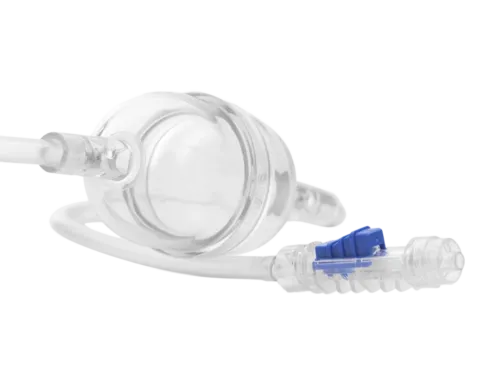
High quality urethral meatal dilators are manufactured from surgical grade polycarbonate that provide durability, smooth surface finish, and consistent performance. A well designed dilator offers predictable expansion and comfortable handling, supporting precise technique and surgeon confidence.
Ergonomics and Surgeon Control
Design features that support comfortable grip and controlled advancement contribute to safer and more efficient dilation, particularly in challenging cases.
Training, Experience, and Best Practices 🧠
As with all surgical instruments, effective use of a urethral meatal dilators improves with training and experience. Surgeons develop an understanding of when dilation is necessary, how much expansion is appropriate, and how to integrate the tool seamlessly into their workflow.
Teaching environments also benefit from standardized use of urethral meatal dilators, as trainees learn to approach urethral access with respect for anatomy and tissue integrity. This emphasis on controlled access supports safer practices across all levels of experience 🏥.
Urethral Meatal Dilators Use in Complex and Repeat Stone Cases 🔬
Patients with recurrent stones or prior urologic interventions may present with altered anatomy that complicates access. Scar tissue, prior dilation, or instrumentation can affect urethral compliance, making careful access even more important.
In these cases, the urethral meatal dilator provides a controlled method for reestablishing access while minimizing additional trauma. This approach supports safer repeat procedures and helps maintain procedural consistency over time 🧠.
Supporting Guideline Based and Patient Centered Care 🏥
Modern stone surgery emphasizes safety, efficiency, and patient centered outcomes. While guidelines focus on imaging, infection management, and treatment selection, procedural fundamentals such as safe access remain essential to successful care.
The urethral meatal dilator supports these principles by enabling controlled entry into the urinary tract, reducing risk, and improving procedural flow. Its use reflects a thoughtful approach to access that prioritizes both surgical effectiveness and patient well being ✨.
In Summary 🧠✨
Urethral meatal dilators are a valuable instrument in the surgical management of kidney and ureteral stones. By supporting safe and controlled access to the urinary tract, it helps reduce resistance, minimize trauma, and improve procedural efficiency during ureteroscopy. From initial scope insertion to access sheath placement, the urethral meatal dilator plays a key role in enabling smooth workflows and reliable outcomes.
Incorporating urethral meatal dilators into stone surgery practice supports safer access, improved patient comfort, and consistent surgical performance. As part of a comprehensive endourology toolkit, it contributes meaningfully to high quality, patient focused stone care.