Best Practices for Endourology Irrigation Systems and Kidney Stone Surgery 💧🔬
Endourology irrigation systems during procedures for kidney and ureteral stone management rely heavily on proper visualization, controlled intrarenal pressure, and efficient removal of stone fragments. Among the most critical yet sometimes overlooked factors in achieving these goals is effective irrigation 💧. According to modern surgical guidance and clinical best practices, irrigation in endourology plays a central role in procedural safety, efficiency, and outcomes during ureteroscopy and other minimally invasive stone treatments.
During ureteroscopic stone surgery, irrigation serves multiple essential functions. It maintains a clear operative field by flushing blood, debris, and stone fragments away from the visual axis. It also supports heat dissipation during laser lithotripsy, reducing thermal injury risk to surrounding tissue. Without consistent and well controlled irrigation, visualization can degrade quickly, increasing procedure time and complication risk 🧠.
Primary considerations for Endourology Irrigation Systems
One of the primary considerations in endourology irrigation systems is balancing flow rate with intrarenal pressure. Excessive pressure can increase the risk of pyelo venous backflow and postoperative infection, while insufficient flow compromises visibility and procedural efficiency. Best practices emphasize controlled, steady irrigation that supports visualization without over distending the collecting system. High quality surgical irrigation systems allow clinicians to maintain this balance more reliably throughout the procedure.
Irrigation becomes especially important during ureteroscopy for kidney stone management, where stone fragmentation produces fine debris that can obscure vision if not efficiently cleared. Continuous irrigation helps evacuate fragments as they are generated, allowing surgeons to assess stone burden accurately and confirm adequate fragmentation before concluding the procedure 🪨. This is particularly relevant when treating larger stones or performing dusting techniques where fragment clearance determines stone free success.
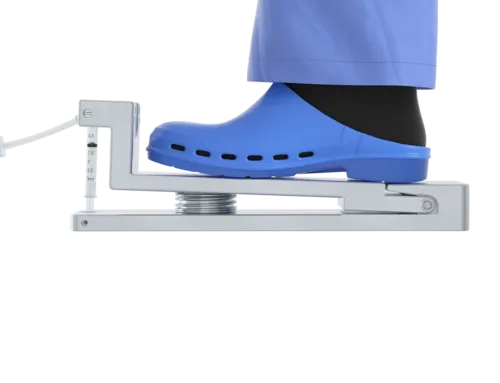
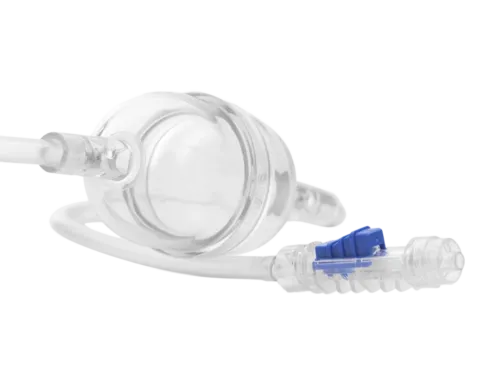
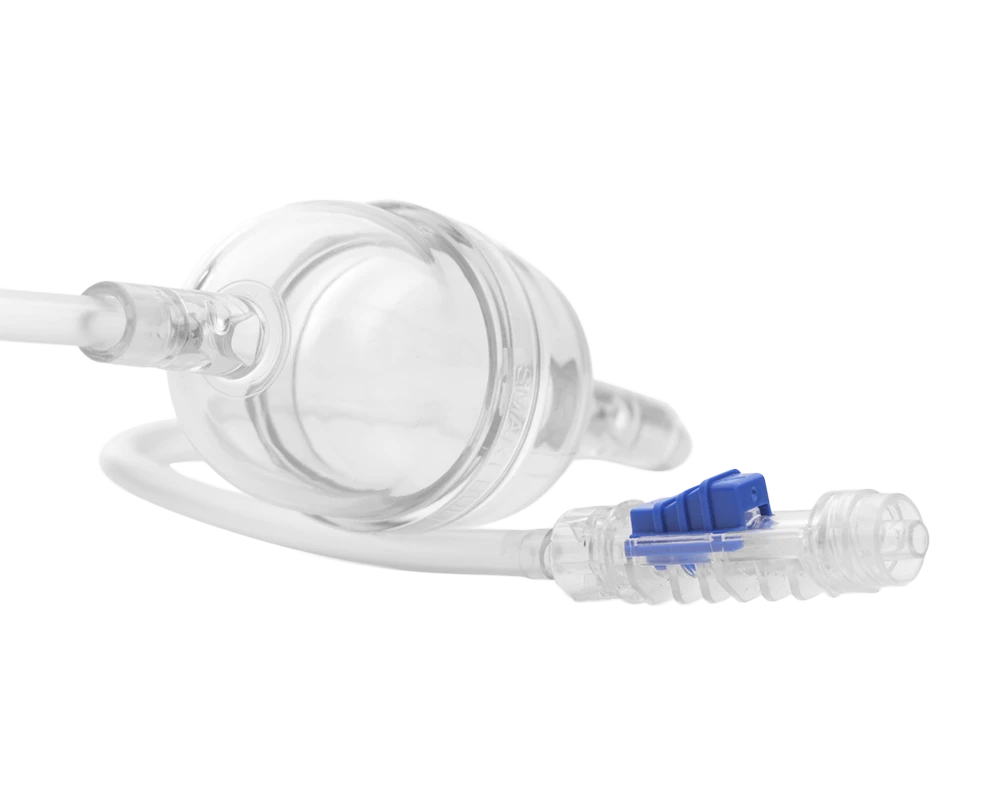
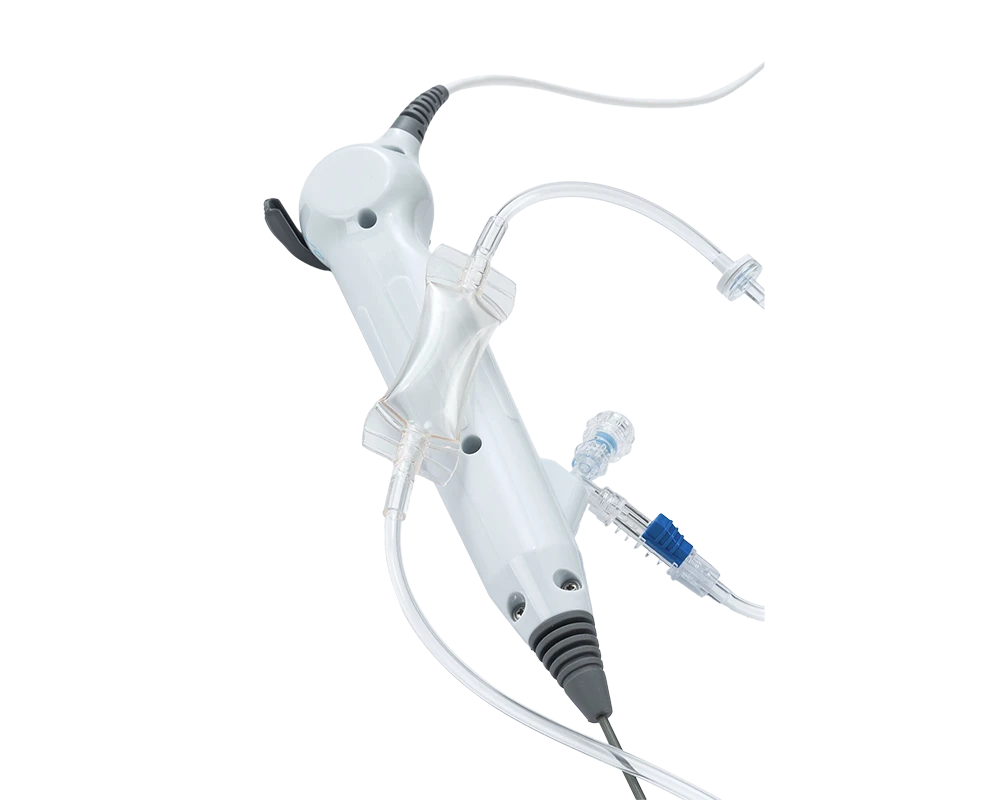
Endourology irrigation systems are also essential for maintaining workflow efficiency. Reliable tubing, connectors, and flow control components reduce interruptions and allow surgical teams to focus on technique rather than equipment adjustments. Inconsistent flow or poor system compatibility can disrupt procedural rhythm, increasing operative time and surgeon fatigue. Purpose built endourology irrigation products help streamline setup and support consistent performance across cases.
From a safety perspective, irrigation plays a role in infection prevention and postoperative outcomes. Preoperative urine culture and antibiotic protocols are emphasized in stone surgery guidelines, but intraoperative irrigation quality also contributes to reducing bacterial load and flushing contaminants from the operative field 🏥. Controlled irrigation helps limit pressure spikes that could otherwise facilitate bacterial translocation, supporting safer outcomes in both routine and complex cases.
Endourology irrigation systems are equally important when treating ureteral stones compared to renal stones. In ureteroscopic access, clear visualization of the ureteral wall is essential to avoid mucosal injury. Gentle, controlled irrigation supports atraumatic advancement of the scope and improves visibility during stone engagement and fragmentation. In these settings, precise fluid management can directly influence procedural confidence and patient comfort.
Modern endourology practices increasingly favor irrigation solutions that integrate seamlessly with other accessories used during stone surgery. When combined with appropriate dilation tools, retrieval accessories, and suction or collection devices, effective irrigation supports comprehensive stone management from access to fragment clearance 🔬. This integrated approach aligns with guideline based care that emphasizes safety, efficiency, and complete stone removal.
Beyond visualization, endourology irrigation systems play a critical role in protecting tissue integrity during endourological stone procedures 🔬. Laser lithotripsy generates heat at the point of stone contact, and without adequate irrigation, this heat can accumulate in the confined space of the collecting system. Proper irrigation helps dissipate thermal energy, reducing the risk of urothelial injury, edema, or postoperative pain. This is particularly important during prolonged laser activation or when treating dense stone compositions that require extended fragmentation time.
The relationship between endourology irrigation systems and intrarenal pressure is another key consideration in kidney stone surgery. Elevated intrarenal pressure has been associated with increased postoperative infection risk, including fever and sepsis. Best practices emphasize maintaining sufficient flow for visibility while avoiding excessive pressure that may force fluid and bacteria into the bloodstream 🧠. Controlled irrigation systems allow surgeons to regulate flow more precisely, helping maintain safer pressure levels throughout the procedure.
In practical terms, irrigation management begins even before scope insertion. Ensuring that irrigation tubing is properly primed, free of air, and securely connected helps prevent sudden pressure fluctuations once the procedure begins. Consistent flow from the outset supports smooth ureteroscope advancement and minimizes mucosal trauma during access. In cases involving narrow ureters or anatomically challenging access, steady irrigation can improve visualization while supporting careful, atraumatic progression.
Irrigation also plays an important role during stone targeting and laser engagement. Clear visualization allows surgeons to maintain optimal laser fiber positioning relative to the stone surface. When irrigation flow is inconsistent, stone fragments and debris can obscure the visual field, increasing the likelihood of unintended laser contact with surrounding tissue. By maintaining a clean operative field, irrigation supports precision and confidence during fragmentation, particularly in delicate areas of the renal pelvis or lower pole calyces 🪨.
During dusting techniques, where stones are broken into fine particulate matter rather than extracted fragments, irrigation becomes essential for fragment mobilization. Continuous flow helps move dust out of the immediate field of view, allowing surgeons to assess progress and determine when sufficient fragmentation has been achieved. Inadequate irrigation can cause dust to accumulate, making it difficult to evaluate residual stone burden and potentially prolonging operative time.
In procedures where basket retrieval or accessory devices are used, endourology irrigation systems continue to support workflow efficiency. Fluid flow helps guide fragments toward retrieval tools and reduces resistance during extraction. When combined with collection accessories, irrigation assists in evacuating fragments from the urinary tract, supporting more complete stone clearance and reducing the likelihood of residual fragments that could contribute to recurrence 🏥.
Another important aspect of endourology irrigation systems in endourology is its impact on surgeon ergonomics and procedural rhythm. When visualization is stable and predictable, surgeons can maintain a steady pace and focus on technique rather than troubleshooting equipment. Poor irrigation performance often leads to repeated scope withdrawal, adjustments, or interruptions, increasing fatigue and prolonging the procedure. High quality endourology irrigation systems help minimize these disruptions and support consistent performance across cases.
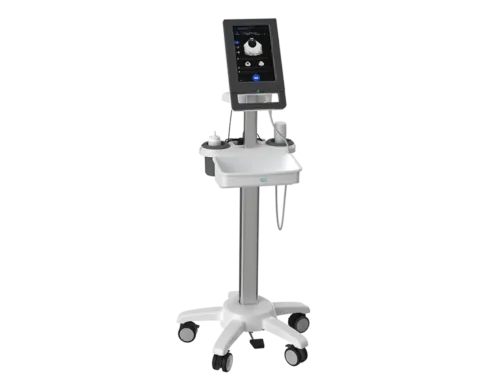
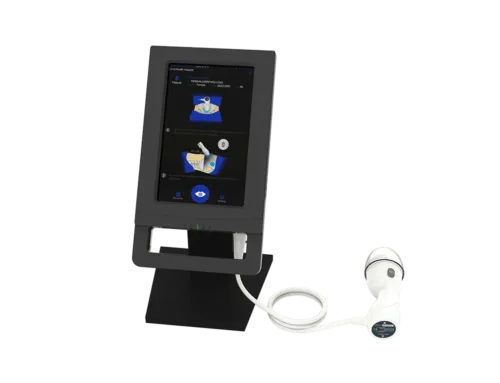
From a systems perspective, endourology irrigation systems reliability is critical for operating room efficiency. Surgical teams depend on irrigation components that integrate seamlessly with existing setups and perform consistently throughout the case. Leaks, flow inconsistencies, or incompatible connections can introduce delays and frustration, impacting both surgeon satisfaction and patient throughput. Purpose built endourology irrigation products are designed to meet the specific demands of urologic procedures, supporting dependable performance in high volume environments ⚙️.
In complex stone cases, such as those involving large stone burden, multiple calyces, or anatomical abnormalities, endourology irrigation becomes even more important. These procedures often require longer operative times and extensive laser use, increasing the need for effective fluid management. Controlled irrigation helps maintain visualization across different regions of the collecting system while supporting safe pressure levels as the scope is repositioned. In these scenarios, irrigation is not just a supportive tool but a key component of procedural strategy.
Endourology Irrigation Systems considerations also extend into postoperative outcomes. Efficient intraoperative irrigation can help reduce the amount of residual debris left behind, potentially decreasing postoperative discomfort and reducing the likelihood of emergency department visits for colic or obstruction. By supporting more complete stone clearance, irrigation contributes indirectly to patient satisfaction and long term success rates 🧬.
Training and experience further influence how irrigation is used during endourology procedures. Surgeons develop preferences for flow rates and techniques based on stone type, location, and patient anatomy. Having irrigation systems that respond predictably to adjustments allows clinicians to apply their experience effectively without compensating for equipment limitations. This consistency is particularly valuable in teaching environments, where trainees learn to associate visual feedback with controlled irrigation techniques.
Infection control is another area where irrigation plays a supporting role. While preoperative antibiotics and sterile technique are foundational, intraoperative irrigation helps flush bacteria and debris from the operative field. Maintaining appropriate flow without excessive pressure supports safer procedures, especially in patients with a history of infection stones or positive urine cultures. Thoughtful irrigation management complements broader infection prevention strategies and aligns with guideline driven care 🧠.
As endourology continues to evolve, irrigation remains a constant element across technologies and techniques. Whether using flexible or semi rigid ureteroscope, dusting or fragmenting strategies, or adjunctive retrieval tools, irrigation supports visualization, safety, and efficiency at every stage. Advances in irrigation system design continue to focus on improving flow control, compatibility, and ease of use, reflecting its central role in stone surgery workflows.
Ultimately, endourology irrigation systems should be viewed as an active component of surgical technique rather than a passive background process. Surgeons who prioritize effective irrigation strategies often experience smoother procedures, improved visualization, and greater confidence in stone clearance outcomes. By selecting high quality endourology irrigation systems designed specifically for urologic procedures, surgical teams can support best practices in kidney and ureteral stone management while maintaining focus on patient safety and procedural success ✨.
In summary, endourology irrigation systems are not simply a supporting function but a foundational component of successful kidney stone surgery. Proper fluid management improves visualization, supports thermal safety during laser use, aids fragment evacuation, and contributes to better overall outcomes. By using high quality endourology irrigation systems designed for urologic procedures, surgical teams can optimize performance while maintaining patient safety and procedural efficiency ✨.