The Importance of Complete Stone Management in Modern Urology 🧠
Kidney stone surgery has evolved significantly over the past several decades, with advances in imaging, endoscopic technology, and laser lithotripsy transforming how stones are treated. Despite these advances, one principle remains constant across all stone management strategies: complete stone clearance is essential for optimal patient outcomes. Residual stone fragments, even when small, can contribute to recurrent symptoms, repeat procedures, and long term complications.
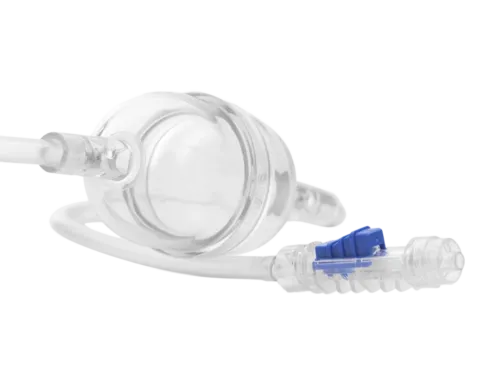
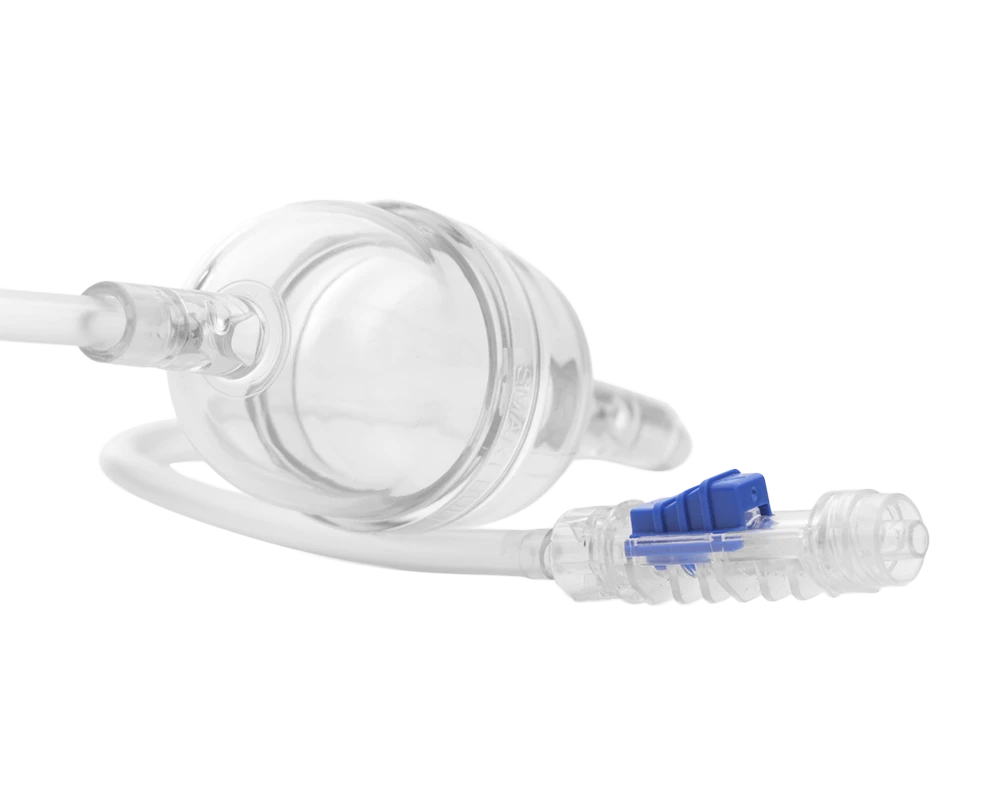
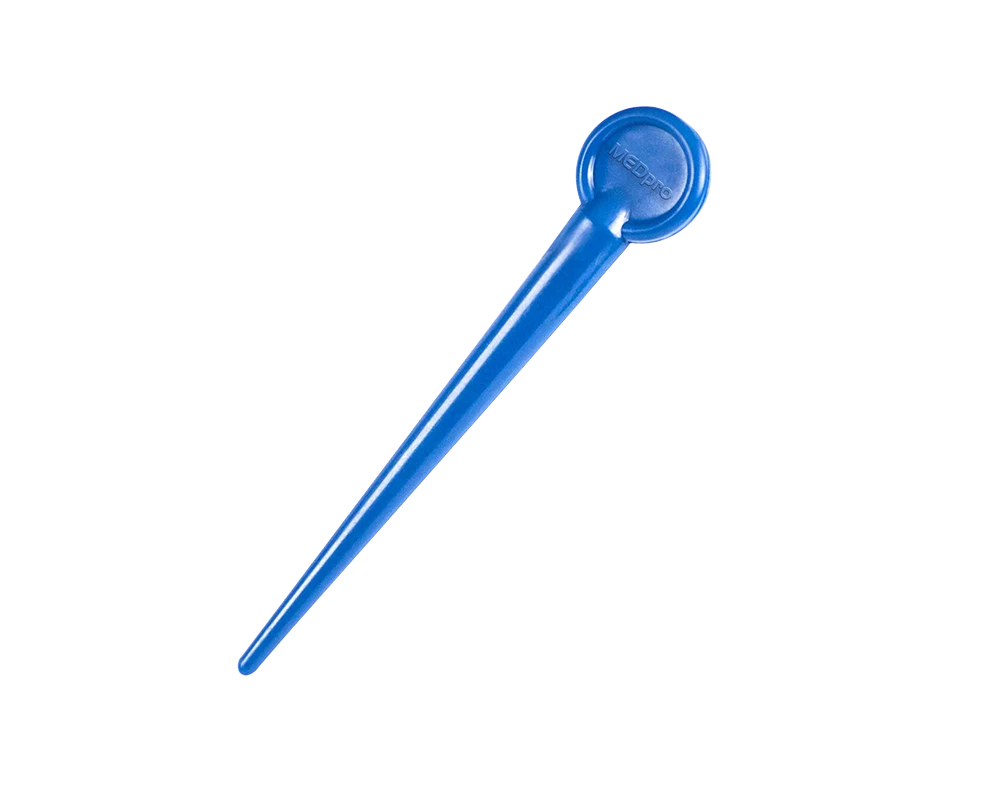
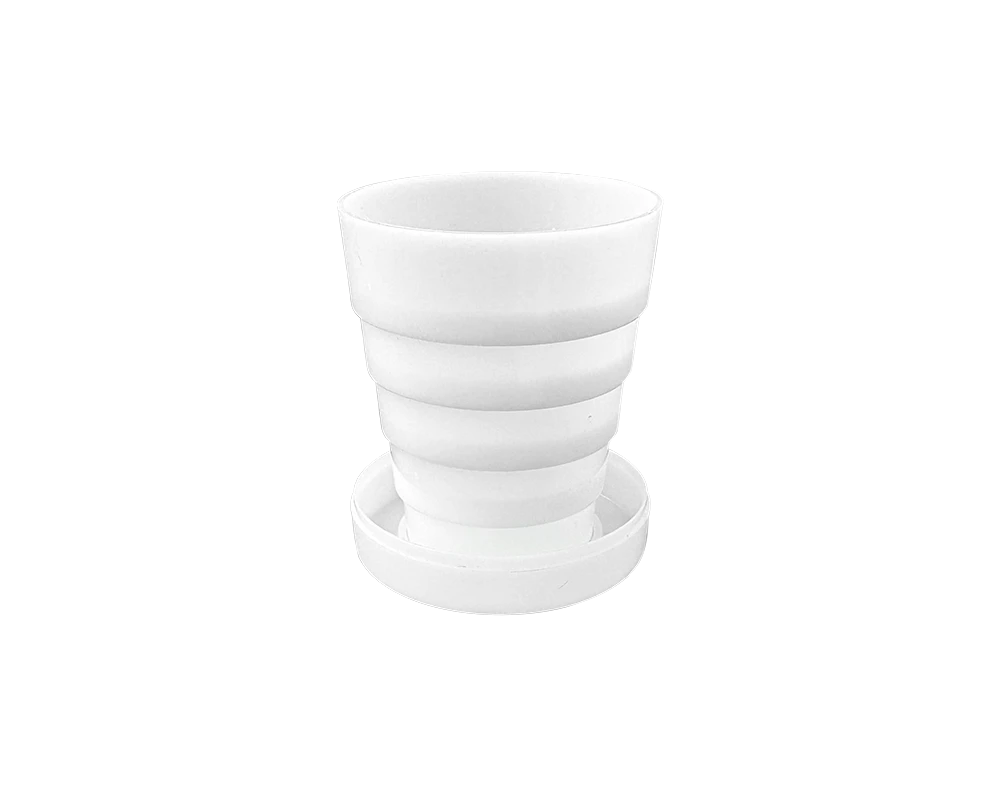
The kidney stone collection cups plays an important role in supporting this goal by providing a simple yet effective method for capturing stone fragments during and after surgical intervention. While often considered an accessory rather than a primary instrument, the kidney stone collection cup contributes meaningfully to procedural efficiency, postoperative evaluation, and patient engagement 🏥.
Understanding Stone Fragmentation and Retrieval 🔬
During ureteroscopy and laser lithotripsy, stones are fragmented into smaller pieces to allow passage or removal. Depending on the chosen technique, stones may be dusted into fine particles or fragmented into retrievable pieces. In either case, managing these fragments effectively is essential for achieving stone free status.
Fine dust can obscure visualization and migrate within the urinary tract, while larger fragments may lodge in calyces or the ureter. The kidney stone collection cup provides a controlled way to capture fragments as they exit the body, allowing surgical teams to account for stone burden and assess procedural success 🪨.
Dusting Versus Fragmentation Strategies
Different stone compositions and sizes influence whether surgeons choose dusting or fragmentation techniques. Regardless of the approach, the ability to collect fragments supports accurate assessment of stone clearance and helps guide postoperative management.
Role of the Kidney Stone Collection Cups During Ureteroscopy 🧠
In ureteroscopy, stone fragments often pass through irrigation flow and gravity once the procedure is complete. Without a dedicated collection method, fragments may be lost, making it difficult to determine whether stones have been fully cleared. The kidney stone collection cups capture these fragments efficiently, providing immediate feedback on the quantity and size of material removed.
This information is valuable for surgeons when deciding whether additional fragmentation is needed or when planning postoperative imaging. By integrating a kidney stone collection cup into the workflow, surgical teams can enhance decision making without adding complexity to the procedure 🏥.
Supporting Accurate Stone Analysis and Diagnosis 🔬
Stone analysis is a critical component of long term kidney stone management. Identifying stone composition helps guide dietary recommendations, metabolic evaluation, and preventive strategies. However, accurate analysis depends on the availability of collected stone material.
The kidney stone collection cups enable reliable capture of fragments suitable for laboratory analysis. By preserving stone material, clinicians can better tailor follow up care and reduce the likelihood of recurrence. This diagnostic value extends beyond the operating room, supporting comprehensive patient management 🧠.
Improving Preventive Care Through Stone Composition Data
Calcium oxalate, uric acid, cystine, and struvite stones each require different preventive approaches. Collection cups help ensure that stone material is available to inform these strategies.
Enhancing Stone Free Rates and Reducing Recurrence 🏥
Residual fragments are a known risk factor for stone recurrence. Even fragments considered clinically insignificant can serve as a nidus for future stone growth. By supporting more complete fragment capture, the kidney stone collection cups contribute indirectly to improved stone free rates.
When surgeons can confirm fragment removal intra-operatively or immediately postoperatively, they can reduce the need for repeat procedures and additional imaging. This efficiency benefits both patients and healthcare systems by lowering costs and minimizing patient burden 🪨.
Workflow Efficiency in the Operating Room ⚙️
Efficiency in the operating room is influenced by both primary instruments and supporting accessories. The kidney stone collection cups are designed to integrate seamlessly into existing workflows, requiring minimal setup while delivering meaningful benefits.
By capturing fragments passively as they exit the urinary tract, the collection cup allows surgical teams to focus on the procedure itself rather than managing loose fragments. This simplicity supports smoother transitions between procedural steps and contributes to overall efficiency 🏥.
Reducing Operative Time and Interruptions
Clear confirmation of fragment capture reduces uncertainty and minimizes the need for prolonged inspection or repeated scope passes, helping shorten operative time.
Patient Engagement and Education 🧠
Patients often benefit from seeing tangible evidence of stone removal. The kidney stone collection cups provide an opportunity to visually demonstrate procedural success, helping patients better understand their condition and treatment.
This engagement can improve adherence to postoperative recommendations and lifestyle modifications. When patients understand the nature and quantity of stones removed, they are more likely to take preventive measures seriously 🪨.
Use in Different Stone Surgery Settings 🔬
The kidney stone collection cups are versatile and can be used across a range of stone management settings, including outpatient ureteroscopy, inpatient procedures, and emergency interventions. Its simplicity makes it suitable for both high volume centers and smaller practices.
In each setting, the collection cup provides consistent benefits by supporting fragment capture, analysis, and documentation. This adaptability makes it a valuable addition to stone surgery instrument sets 🏥.
Application in Shock Wave Lithotripsy Follow Up
Although primarily used during endoscopic procedures, collection cups can also assist in capturing fragments passed after shock wave lithotripsy, supporting assessment of treatment success.
Material Design and Practical Considerations 🛡️
High quality kidney stone collection cups are designed to be durable, easy to handle, and compatible with clinical environments. Materials must be suitable for medical use and allow clear visualization of collected fragments.
Design considerations also include stability, ease of disposal or cleaning, and compatibility with existing equipment. A well designed collection cup supports reliable use without adding complexity to the procedure 🧠.
Supporting Documentation and Quality Assurance 📊
Accurate documentation is increasingly important in modern healthcare. The kidney stone collection cups support procedural documentation by providing physical evidence of fragment removal.
This can be useful for operative reports, quality assurance programs, and postoperative review. Clear documentation supports transparency and helps maintain high standards of care across practices 🏥.
Reducing Postoperative Complications 🔬
Residual fragments can lead to postoperative pain, obstruction, or infection. By capturing fragments effectively, the kidney stone collection cup helps reduce these risks.
When fewer fragments remain, patients are less likely to experience colic or require unplanned follow up visits. This contributes to smoother recovery and improved patient satisfaction 🧠.
Integration with Other Stone Management Tools 🧠
The kidney stone collection cups function best as part of a comprehensive stone management toolkit. When combined with effective irrigation systems, retrieval devices, and laser lithotripsy equipment, it supports complete and efficient stone care.
Each component plays a role in achieving optimal outcomes, and the collection cup serves as the final step in confirming success 🪨.
Cost Effectiveness and Value for Healthcare Systems 💰
While simple in design, the kidney stone collection cups offer meaningful value by supporting better outcomes and reducing repeat procedures. From a cost perspective, preventing recurrence and minimizing complications can result in significant savings over time.
Healthcare systems increasingly value tools that contribute to efficiency and quality without adding excessive cost. The collection cup aligns with these priorities 🏥.
Training and Best Practices for Use 🧠
Effective use of a kidney stone collection cups require minimal training, making it easy to adopt across surgical teams. Standardizing its use can help ensure consistent fragment capture and documentation across cases.
Teaching environments benefit from incorporating collection cups into training protocols, reinforcing the importance of complete stone management from the earliest stages of surgical education 🔬.
Supporting Long Term Stone Prevention Strategies 🪨
Stone surgery is only one component of comprehensive stone management. Long term prevention depends on understanding stone composition, patient risk factors, and treatment outcomes.
By enabling reliable fragment collection, the kidney stone collection cup supports preventive strategies that extend beyond the operating room, contributing to improved long term patient health 🧠.
In Summary 🧠✨
The kidney stone collection cups are a simple yet essential tool in modern stone surgery. By supporting effective fragment capture, accurate stone analysis, and improved documentation, it plays a key role in achieving complete stone management.
From enhancing stone free rates to supporting patient education and preventive care, the kidney stone collection cups deliver value at every stage of the treatment journey. Incorporating this accessory into stone surgery workflows supports better outcomes, greater efficiency, and a more comprehensive approach to kidney stone care.