
Myringotomy Blades for Tympanostomy Procedures
Myringotomy is a widely performed ENT procedure used to relieve middle ear pressure and allow fluid drainage by creating a precise incision in the tympanic membrane 👂🩺. Accurate incision depth and clean entry are essential to support effective ventilation and reduce trauma during ear tube placement.
Our myringotomy blades are engineered for controlled, consistent performance, helping surgeons achieve predictable results in both pediatric and adult tympanostomy cases. Their precision design supports smooth workflow and reliable incision quality across a wide range of clinical settings 🔬.
For best procedural outcomes, our myringotomy blades pair seamlessly with our complete selection of ENT ventilation ear tubes. Scroll down to explore our product selections, learn more about our quality manufacturing standards, and see how our instruments support reliable performance and confident clinical outcomes 🌬️✨

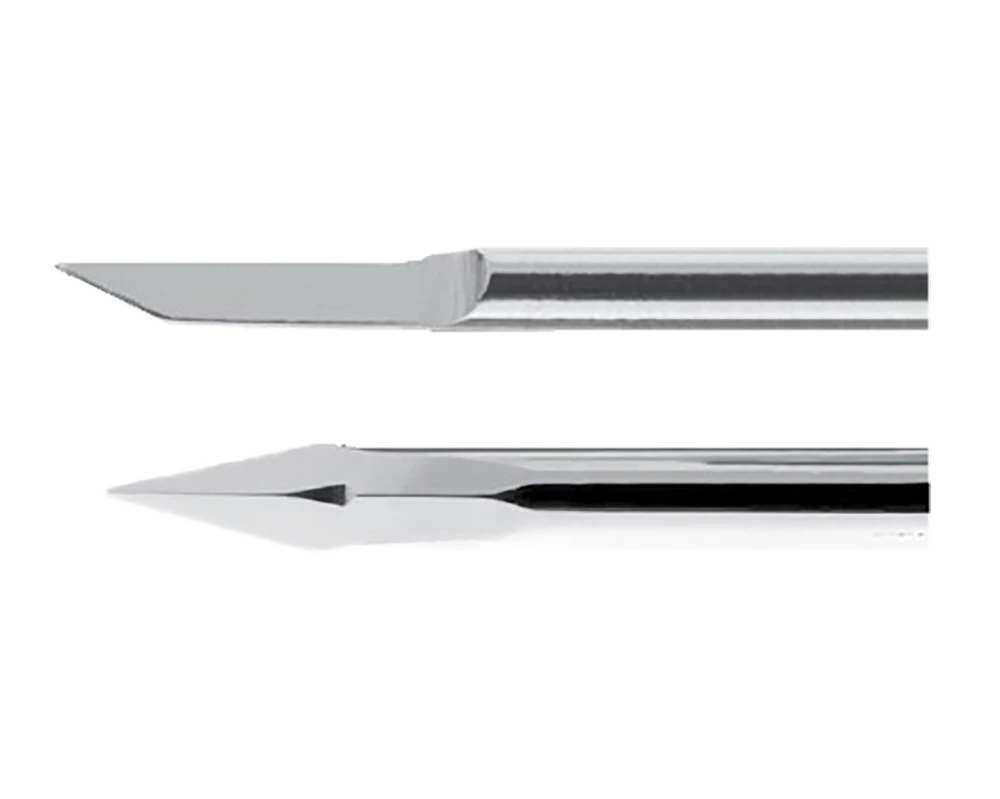
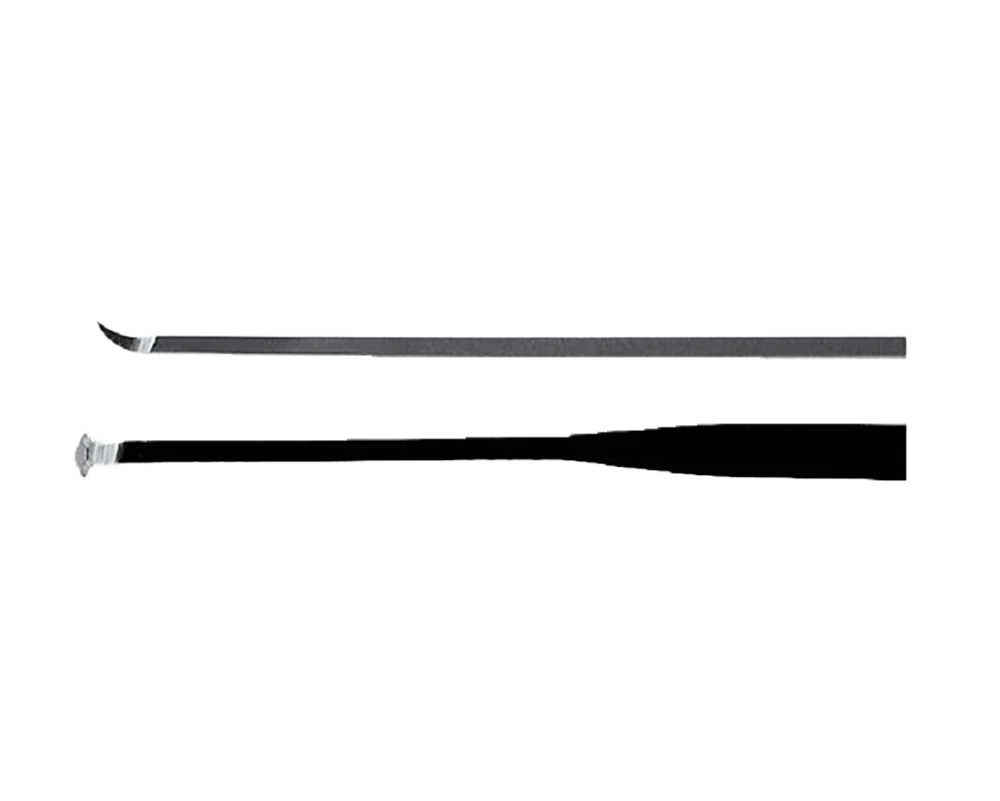
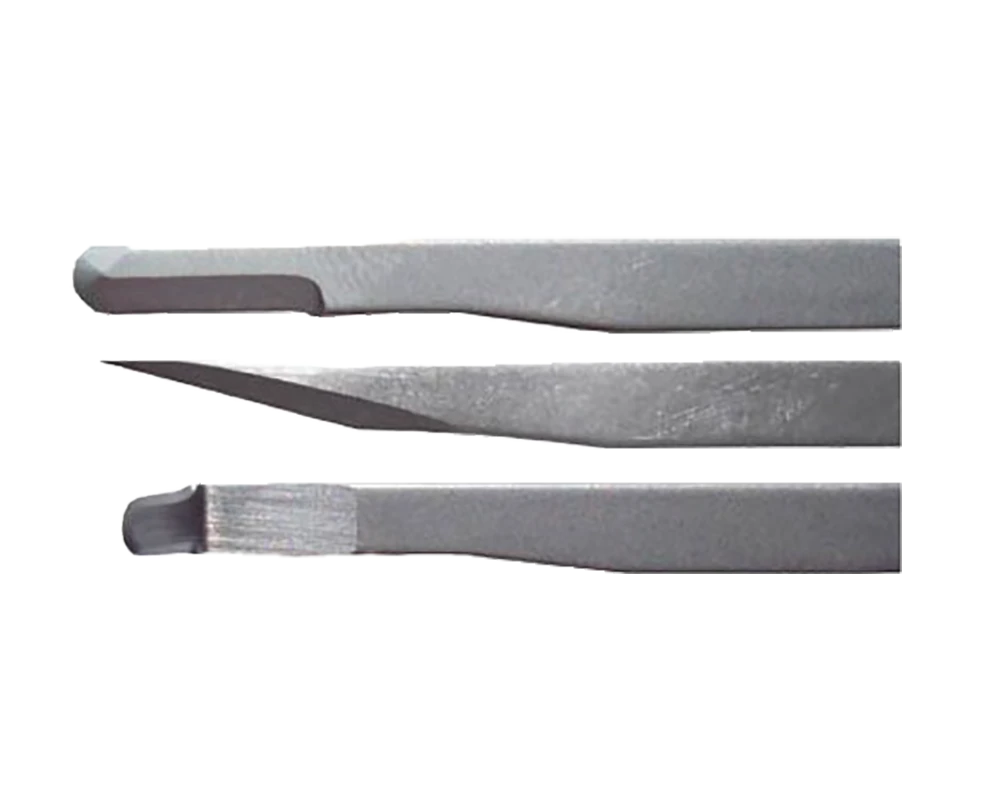
Myringotomy Blades in Ear Tube Placement Procedures
Myringotomy blades play a central role in tympanostomy procedures where controlled access to the middle ear is required for ventilation ear tube placement 👂🩺. Creating a precise incision in the tympanic membrane allows surgeons to safely evacuate middle ear fluid and position ear tubes accurately, supporting pressure equalization and long-term middle ear health.
In procedures treating recurrent otitis media, chronic middle ear effusion, or eustachian tube dysfunction, the quality of the myringotomy incision directly impacts the ease of tube insertion and the stability of the final placement 🌬️. Sharp, well-designed myringotomy blades help achieve consistent incision size and depth, reducing trauma while promoting predictable healing.
Pediatric Tympanostomy and Ear Tube Surgery
During pediatric ear tube placement, myringotomy blades must provide exceptional control due to smaller anatomy and thinner tympanic membranes 👶🔬. Pediatric tympanostomy procedures often require swift, accurate incision to minimize operative time and reduce stress on young patients.
Flat shaft and angled myringotomy blades are commonly selected in pediatric cases to improve visibility through narrow ear canals and allow precise blade positioning under microscopic guidance. These design features support clean incision creation, making it easier to place ventilation ear tubes securely and efficiently.
Adult Myringotomy and Ventilation Ear Tube Placement
In adult tympanostomy procedures, myringotomy blades are frequently used to address chronic otitis media, persistent middle ear fluid, or pressure-related hearing issues 👂🧠. Adult patients may present with thicker tympanic membranes or scarring from prior procedures, making blade sharpness and geometry especially important.
Angled and straight myringotomy blades allow surgeons to tailor their approach based on ear canal anatomy and membrane condition, supporting controlled incision and accurate ear tube placement even in complex cases.
Blade Geometry and Surgical Technique
Different myringotomy blade profiles support different surgical techniques during ear tube placement 🔍. Lance and spear style blades allow surgeons to select between linear incision methods or point-entry approaches depending on preference and clinical scenario.
Upcutting and downcutting blade options further enhance control during tympanic membrane incision, helping surgeons manage tissue interaction while maintaining consistent incision geometry. These design considerations are essential when placing ventilation ear tubes that require precise fit and positioning.
Pairing Myringotomy Blades with ENT Ear Tubes
Successful ear tube placement relies on the seamless integration of myringotomy blades with high-quality ventilation ear tubes 🧠📦. A precise incision supports smoother tube insertion, reduces manipulation of the tympanic membrane, and helps maintain tube stability during the postoperative period.
Using appropriately matched myringotomy blades and ear tubes allows ENT teams to standardize technique, improve procedural efficiency, and support consistent outcomes across both pediatric and adult patient populations.
Procedure Variations and Blade Selection Guidance
Myringotomy blades are used across a wide range of tympanostomy techniques, and selecting the appropriate blade geometry can directly influence procedural efficiency and outcomes 👂🔬. In standard ear tube placement procedures, surgeons often choose blade styles based on incision preference, membrane thickness, and access angle within the ear canal.
Angled myringotomy blades are commonly used when visualization is limited or when working around anatomical variations, allowing the surgeon to approach the tympanic membrane at an optimal angle under microscopic guidance. Straight myringotomy blades are often selected for direct access cases where a linear incision supports efficient ventilation ear tube placement and predictable healing 🌬️.
Lance style blades are frequently chosen for controlled linear incisions, while spear style blades allow for precise point entry and gradual extension of the incision. These variations support flexibility in surgical technique across pediatric and adult tympanostomy procedures.
Surgeon Technique and Clinical Preference
Surgeon preference plays a key role in myringotomy blade selection 🧠🩺. Factors such as hand position, dominant cutting motion, and familiarity with upcutting or downcutting techniques all influence which blade configuration feels most intuitive during surgery.
In pediatric tympanostomy, surgeons often favor blade designs that allow for rapid, controlled incision to minimize operative time. In adult ear tube placement, especially in cases involving scarring or thicker tympanic membranes, sharper blade profiles and ergonomic handles support consistent incision depth and reduce resistance during cutting.
Having access to multiple myringotomy blade styles allows surgeons to adapt their technique based on patient anatomy, pathology, and procedural complexity without compromising precision.
Buyer Focused Inventory and Tray Standardization
From a purchasing and inventory standpoint, myringotomy blades represent a core component of any ENT surgical tray 📦. Stocking a selection of angled and straight blades with both lance and spear profiles ensures readiness for a broad range of tympanostomy procedures without overcomplicating inventory management.
Standardizing myringotomy blades alongside ventilation ear tubes helps streamline case preparation and supports consistent procedural workflows across operating rooms and ambulatory surgical centers. Sterile packaging and predictable performance reduce delays and improve efficiency for both clinical and purchasing teams.
Quality Manufacturing and Clinical Reliability
Reliable performance in myringotomy procedures depends on blade sharpness, consistency, and manufacturing quality ✨. High-quality myringotomy blades support clean incisions, reduce tissue trauma, and help promote predictable healing following ear tube placement.
Durable construction and precise blade geometry ensure dependable performance across repeated procedures, supporting surgeon confidence and patient safety in both routine and complex tympanostomy cases.
Request a Quote
⬆️ Scroll back to the top of the page to browse our full selection of Myringotomy Blades and explore the available blade styles and configurations 👂🩺. Review the options that best support your surgical technique, then request a quote to equip your practice with precision ENT instruments designed for reliable performance and consistent outcomes 📩📦.
Additional Search Terms
myringotomy blades, myringotomy knives, ent myringotomy instruments, ear tube placement blades, tympanostomy myringotomy blades, pediatric myringotomy blades, adult myringotomy blades, angled myringotomy blades, straight myringotomy blades, lance myringotomy knives, spear myringotomy knives, sterile myringotomy blades, otologic myringotomy instruments, myringotomy blades for ear tubes, ent ear tube surgery instruments, tympanic membrane incision blades, myringotomy surgical blades