Description
Tympanoplasty Blades for Precision Tympanic Membrane Repair
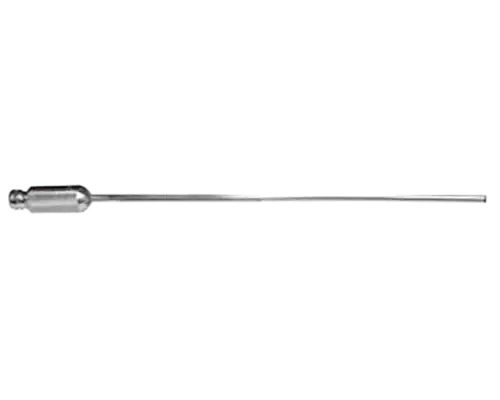
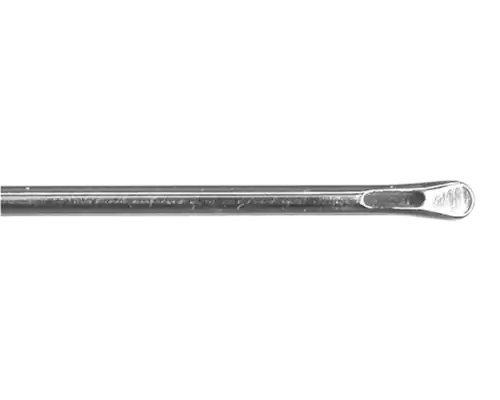
Tympanoplasty Blades are specialized otologic instruments designed to support precise incision and tissue manipulation during tympanic membrane repair procedures 👂🩺. These blades are engineered to provide controlled cutting performance, allowing surgeons to work confidently in delicate middle ear anatomy where accuracy and visibility are critical.
Used in both routine and complex tympanoplasty procedures, these blades help support predictable outcomes while minimizing trauma to surrounding structures.
Use in Tympanoplasty and Middle Ear Reconstruction
One of the primary clinical applications for tympanoplasty blades is tympanic membrane repair, including graft preparation and precise incision of scar tissue or remnant membrane 🔬. In tympanoplasty procedures addressing perforations, retraction pockets, or chronic otitis media, clean and controlled dissection is essential for successful reconstruction.
Surgeons performing tympanoplasty surgery rely on specialized blades to support careful elevation of tissue planes and accurate shaping of graft sites, helping promote proper healing and restoration of middle ear function.
Angled Tympanoplasty Blades for Enhanced Access
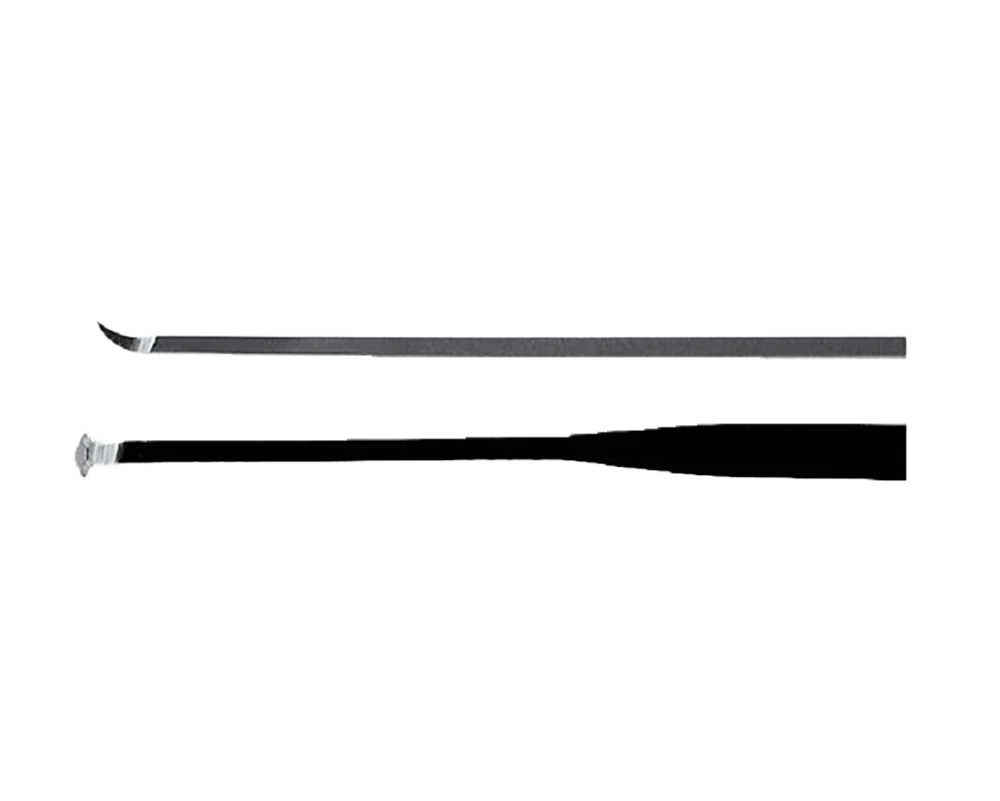
Angled tympanoplasty blades are commonly used when access to the tympanic membrane or middle ear space is limited 🧠. The angled profile allows surgeons to approach the surgical field from optimal angles under the operating microscope, improving visibility and control.
These blades are particularly useful when working around ossicular structures or within confined middle ear spaces, where straight access may be restricted.
Straight Tympanoplasty Blades for Direct Control
Straight tympanoplasty blades offer direct, linear control for surgeons who prefer a straightforward approach to incision and tissue manipulation ✨. These blades are well suited for initial membrane incisions, graft trimming, and controlled dissection in cases where direct access is available.
Their predictable geometry supports consistent cutting performance and reliable handling across a wide range of tympanoplasty techniques.
Sickle Blades for Fine Dissection and Elevation
Sickle blades are frequently used in tympanoplasty procedures requiring fine dissection, tissue elevation, or release of adhesions 🧠. The curved sickle profile allows surgeons to gently separate tissue layers and maneuver around delicate middle ear structures with precision.
These blades are especially valuable in revision tympanoplasty or cases involving scarring from prior procedures, where careful manipulation is required to preserve surrounding anatomy.
Pediatric and Adult Clinical Applications
Tympanoplasty blades are used in both pediatric and adult ENT surgery 👶👂. Pediatric cases often require refined blade control due to smaller anatomy and thinner tissues, while adult cases may involve more complex pathology such as chronic infection, scarring, or ossicular involvement.
The availability of multiple blade styles allows surgeons to tailor instrument selection based on patient age, anatomy, and procedural complexity.
Integration with ENT Surgical Instrument Sets
Successful tympanoplasty procedures rely on precise coordination of microsurgical instruments 🧠. Tympanoplasty blades integrate seamlessly into standard ENT surgical trays and are commonly used alongside micro forceps, suction instruments, and otologic dissectors to support efficient workflow and consistent outcomes 🔍.
Their sterile packaging and dependable performance make them suitable for both hospital and ambulatory surgical center environments.
Buyer and Inventory Considerations
For buyers and surgical supply teams, tympanoplasty blades represent an essential component of otologic instrument inventories 📦. Their versatility across multiple blade styles and clinical applications allows facilities to support surgeon preference while maintaining efficient inventory management.
Stocking angled, straight, and sickle tympanoplasty blades ensures readiness for a wide range of tympanic membrane repair procedures and reconstructive ENT cases.
Request a Quote
⬆️ Scroll back to the top of the page to explore our full selection of Tympanoplasty Blades and review the available blade styles and configurations 👂🩺. When you’re ready, request a quote to equip your practice with precision otologic instruments designed to support confident technique and reliable surgical outcomes 📩📦.