
Pituitary Rongeurs
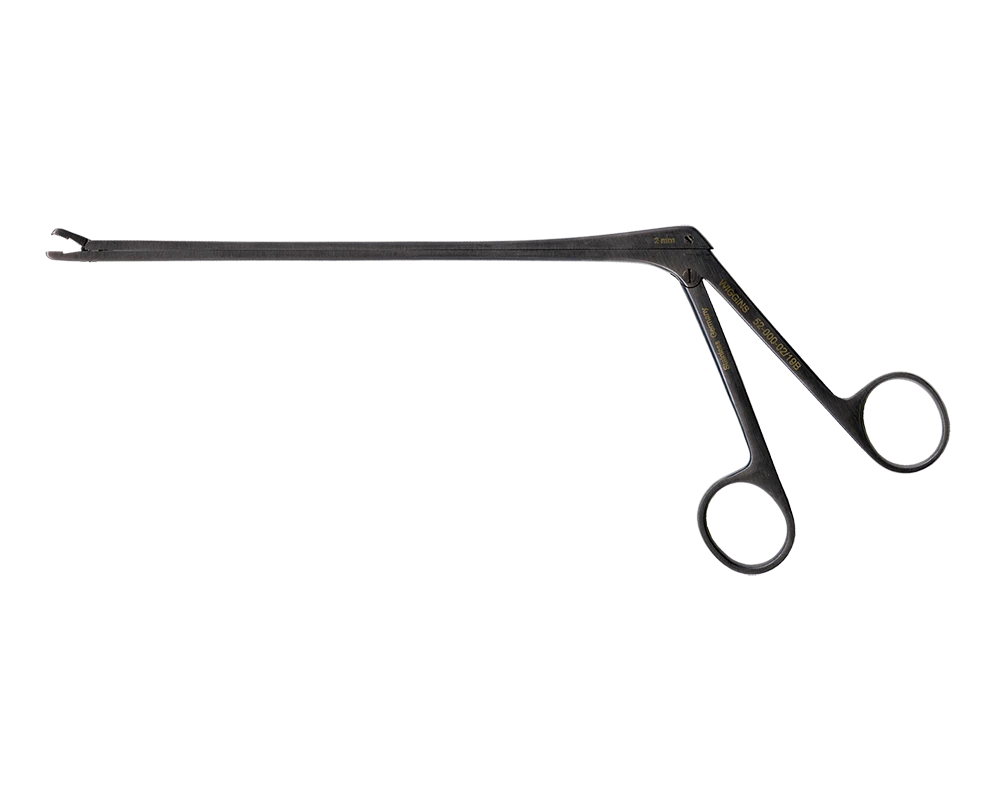
ACE Medical’s Pituitary Rongeurs deliver exceptional precision and versatility across Spine, Neurosurgical, ENT, and Skull Base procedures. The Cushing Pituitary Rongeur offers a narrow, cup-profile tip ideal for fine tissue removal and tumor resection. The Caspar Fenestrated Rongeur combines a strength-focused frame with fenestrations to improve visualization and maximize bite control. For ACDF’s, the Peapod Rongeur features a slender “pod” design that slides effortlessly into narrow corridors, offering controlled resection while preserving surrounding structures.
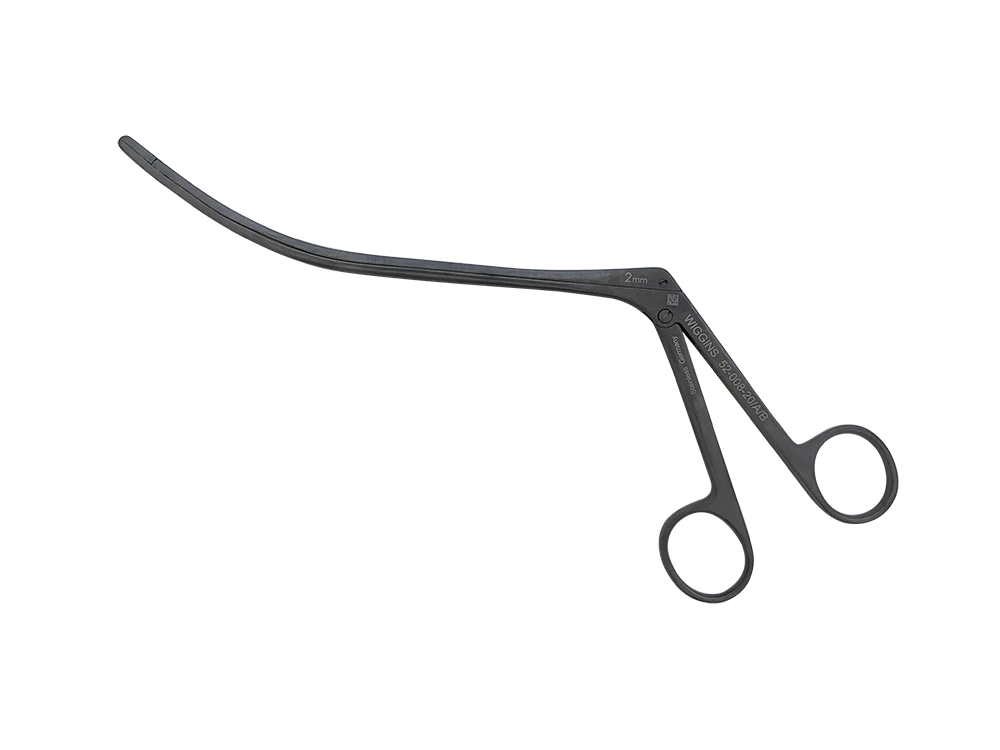
For microsurgical tasks, the Decker Micro Pituitary Rongeur provides ultra-fine bite widths and a compact design suited to microadenoma and dural work. The Williams Rat-Tooth Rongeur delivers powerful grasping and cutting capability at the tip, ideal when controlled removal of fibrous or tenacious tissue is required. Meanwhile, our Curved Pituitary Rongeur allows for angled access to sellar and parasellar anatomy, extending surgical reach without compromising line-of-sight.
Collectively, these instruments equip surgeons to address complex spine, transphenoidal and skull base cases with confidence, from precision resection to tough tissue removal. Designed for elite performance, every tool in the line supports optimal access, controlled removal, and efficient workflow. If you’re ready to elevate your pituitary surgery toolkit, contact us today to request a demo or explore customized instrument sets.
Mastering Disc and Bone Removal in Spine Surgery: A Deep Dive into Pituitary Rongeurs
When precision meets durability in the operating room, few instruments are as essential and versatile as the Pituitary Rongeurs. Despite its name, which evokes neurosurgical or skull base applications, pituitary rongeur is, in fact, foundational instruments in spine surgery, especially for intervertebral disc removal and meticulous bone resection. From anterior cervical procedures to lumbar discectomies and decompressions, pituitary’s provide the access, control, and cutting power spine surgeons need to operate efficiently and safely.
This in-depth overview will explore the various pituitary rongeurs available from ACE Medical Company, highlighting their designs, dimensions, and surgical use cases. From the iconic Cushing Rongeur, named after one of the pioneers of modern neurosurgery, to the highly specialized Peapod Rongeur designed for ACDFs, this suite of tools has been thoughtfully engineered to meet the demands of today’s most skilled spinal surgeons.
The Role of Pituitary Rongeurs in Spine Surgery
In spine surgery, disc and bone removal is critical for decompressing neural elements, restoring spinal alignment, and preparing for fusion. Whether working in the anterior or posterior approach, a pituitary rongeur allows for clean, controlled bites of the intervertebral disc and soft bone without disturbing adjacent structures.
Common Procedures Where Pituitary Rongeurs Excel:
-
Anterior Cervical Discectomy and Fusion (ACDF)
-
Posterior Lumbar Interbody Fusion (PLIF)
-
Transforaminal Lumbar Interbody Fusion (TLIF)
-
Micro Discectomy
-
Decompression laminectomies and foraminotomies
-
Minimally invasive spine (MIS) approaches
-
Tumor resections involving vertebral bodies or discs
Each pituitary rongeur is uniquely suited to its role depending on size, curvature, bite length, and cutting edge design, whether the surgeon is removing small disc fragments near the dura, undercutting bone in a lateral recess, or accessing the interbody space from a tight anterior corridor.

The Cushing Pituitary Rongeurs: A Neurosurgical Legacy in Spine
The Cushing Pituitary Rongeurs are one of the most iconic instruments in the field, named after Dr. Harvey Cushing, the father of modern neurosurgery. But its applications go well beyond the skull base. In spine surgery, the Cushing is a workhorse for removing intervertebral disc material during ACDF and lumbar decompression procedures.
Key Features:
-
Available in Straight, Up biting, and Down biting orientations
-
Lengths: 7″, 9″, 11″, and 14″
-
Bite widths: from an ultra-narrow 0.5mm to a robust 6.0mm
-
10mm round cutting-edge cup, hand-finished for precision
This rongeur’s clean, consistent cut is the result of its hand-finished, circular cup, which ensures the entire bite surface engages with each pass. The range of bite widths makes it an ideal choice for both fine anterior disc removal and aggressive posterior decompression.
Surgeons often favor the up biting version for working under the lamina or behind the vertebral body, while the down biting configuration is useful for reverse-angle access, particularly in lower lumbar cases. The 14” length gives extended reach for deeper anatomical approaches without compromising hand positioning.
Caspar Fenestrated Pituitary Rongeurs: Designed for Aggressive Grip and Visualization
Developed with input from Dr. Caspar, a pioneer in spinal instrumentation, this rongeur is designed for maximum grip and bite efficiency. Its defining characteristic is its fenestrated tip, a windowed jaw that offers superior visualization and improved bite capacity, especially in dense bone or fibrous disc material.
Key Features:
-
Fenestrated cutting jaws with small serrated teeth
-
Enhanced grip for fibrous or slippery disc tissue
-
Lengths: 7″, 9″, 11″, and 14″
The fenestrations reduce material slippage and allow the surgeon to see through the jaws for more accurate placement, critical in minimally invasive spine surgery or when working through a tubular retractor. The small serrated edges provide an added mechanical grip for aggressive disc removal.
This is an ideal choice during PLIF and TLIF procedures where visibility is limited and fibrous annular tissue must be removed with confidence and control.
Curved Pituitary Rongeurs: Access in Angled Corridors
Curved pituitary rongeurs fill a critical need in cases where the surgical path doesn’t allow a straight approach. These instruments are especially useful when the surgical field is deep, narrow, or requires work around corners or over bony ridges.
Key Features:
-
Available in 7” length
-
Bite direction: Straight or Up biting
-
10mm bite length
-
Curved shaft for anatomical adaptability
These pituitary rongeurs are often employed in anterior approaches to the cervical spine, skull base resections, and lateral recess decompressions, where indirect access is required. The up biting curved configuration is particularly effective for removing disc material or bone under the endplate or vertebral body edge without disturbing surrounding neural elements.
Decker Micro Pituitary Rongeurs: Built for Delicate, Controlled Work
When precision takes precedence, especially in microsurgical decompressions or intrathecal tumor removal, the Decker Micro Pituitary Rongeur offers unmatched finesse. Its slim profile and small cup design make it ideal for highly focused removal with minimal surrounding disruption.
Key Features:
-
6mm micro cup
-
Orientations: Straight, Up biting, Down biting
-
Optional rat-tooth versions for added grip
-
Available in 6″, 8″, and 10″ lengths
The toothed variations add aggressiveness when needed for firmer tissue or scar removal, while the smooth micro cup is perfect for fine disc fragments near the nerve root. The compact sizes make this rongeur a go-to tool for micro discectomies or revision surgeries where space is limited and surrounding anatomy is delicate.
Peapod Pituitary Rongeurs: Tailored for ACDF Procedures
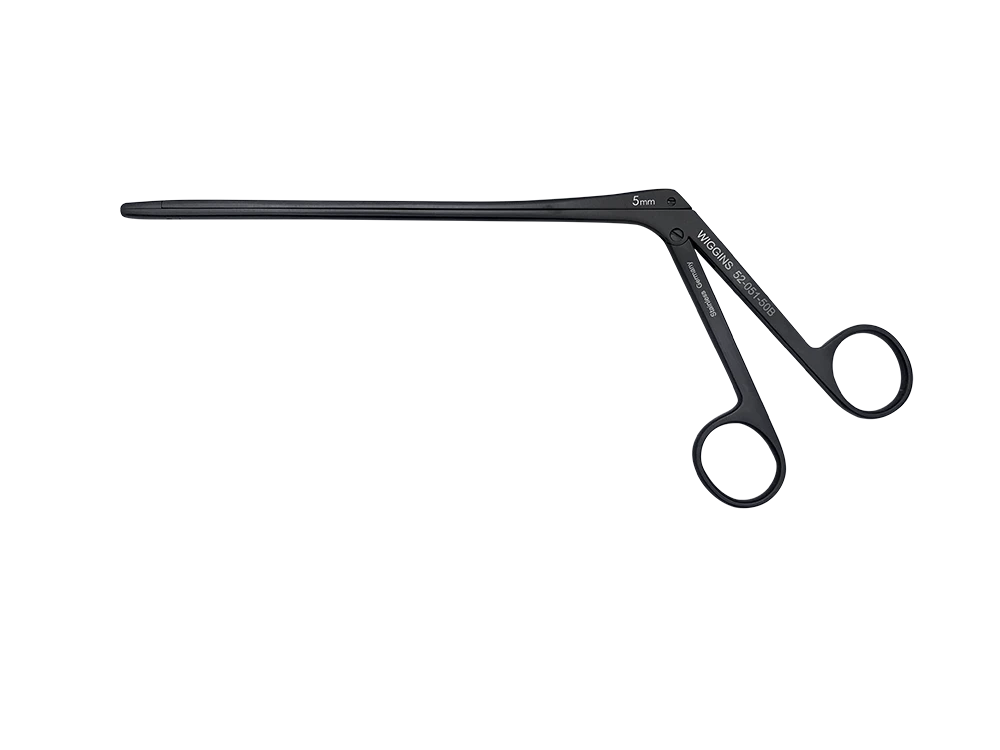
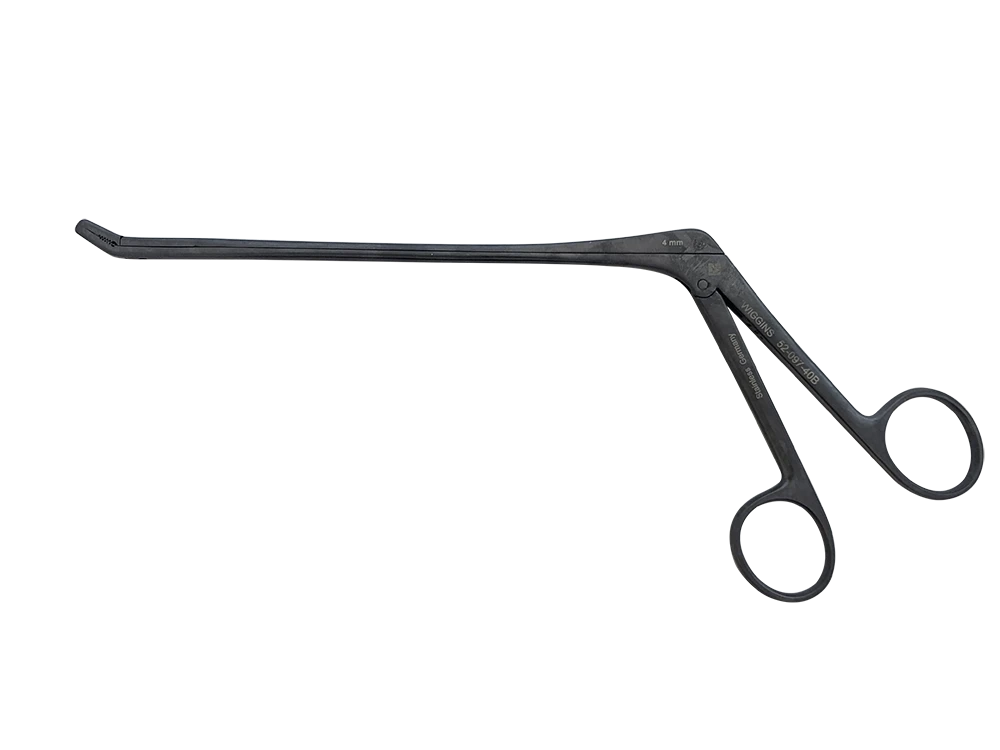
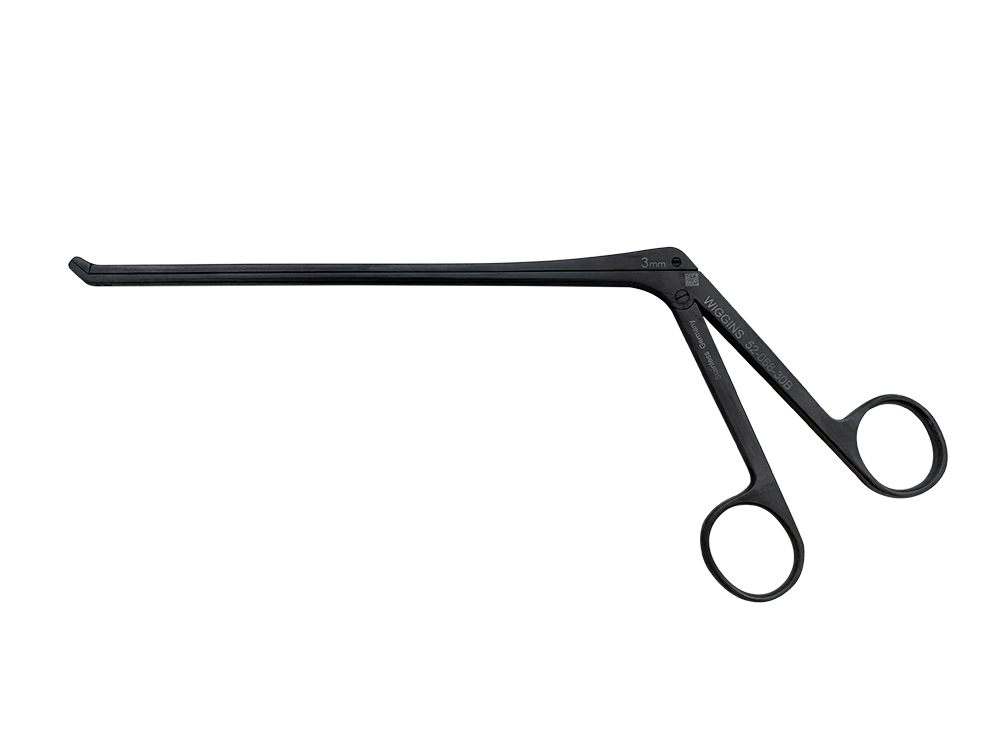
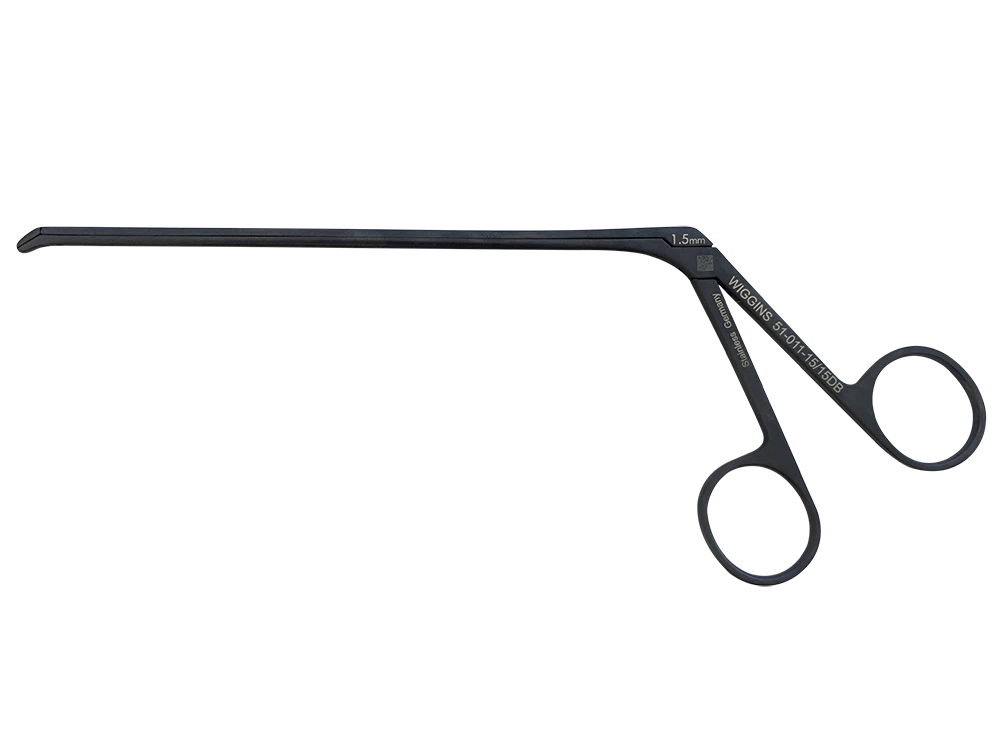
Purpose-built for anterior cervical discectomy and fusion, the Peapod Pituitary Rongeur features a slim, oval jaw profile that resembles a pod—ideal for working through narrow disc spaces while preserving endplate integrity.
Key Features:
-
Lengths: 5″ and 7″
-
Bite widths: 1.0, 1.5, 2.0, 2.5, 3.0, and 4.0mm
-
Oval-shaped “peapod” jaws for smooth insertion and retraction
-
Up biting and Straight profile for anterior use
This is one of the most surgeon-preferred rongeurs in ACDF procedures due to its slim entry profile and cutting precision. The wide variety of bite sizes allows the surgeon to tailor the tool to the space and stage of disc removal, from initial nucleotomy to final preparation for interbody placement.
Williams Rat-Tooth Pituitary Rongeur: Grip Meets Power
Known colloquially as the “rat-tooth” pituitary, the Williams Pituitary Rongeur is a specialty instrument designed for scenarios where tissue toughness and bite strength are paramount. It features a serrated tooth at the tip to anchor into fibrous tissue or stubborn disc material that resists standard rongeurs.
Key Features:
-
Aggressive toothed design for secure gripping
-
Optimized for posterior lumbar work and dense fibrous tissue
-
Available in 7″, 2mm and 3mm widths
This rongeur is particularly valuable in revision spine surgery, calcified disc cases, or when dealing with older, scarred tissues that don’t separate easily. The rat-tooth design ensures each bite counts, reducing the need for repeated passes and minimizing surgical time.
Ferris-Smith Pituitary Rongeur
For surgeons who need power and control in disc or bone removal, the Ferris-Smith Pituitary Rongeur is your go-to for aggressive resection. Engineered with a reinforced spring mechanism, it delivers a stronger, more deliberate bite, robust enough to tackle cortical bone and dense disc material with confidence. Available in 7” length and 4mm, 5mm, and 6mm widths, the Ferris-Smith comes in both straight and up biting configurations, making it highly effective in lumbar discectomies, foraminotomies, and cases requiring significant bony decompression. This is truly the powerhouse rongeur in any spine tray.
Engineered for Precision. Built for Performance.
All ACE Medical pituitary rongeurs are manufactured from high-grade surgical stainless steel, machined to tight tolerances, and inspected to meet the highest standards of performance and reusability. Many models are also available with our proprietary PVD (Black Coat) finish, which offers:
-
Enhanced surface hardness
-
Reduced glare under operating lights
-
Improved corrosion resistance
-
Smoother cleaning and sterilization workflow
These instruments are not only designed to perform during the procedure, but to stand up to the demands of repeated reprocessing in a high-throughput surgical environment.