Description
🦴The Caspar Pituitary Rongeurs
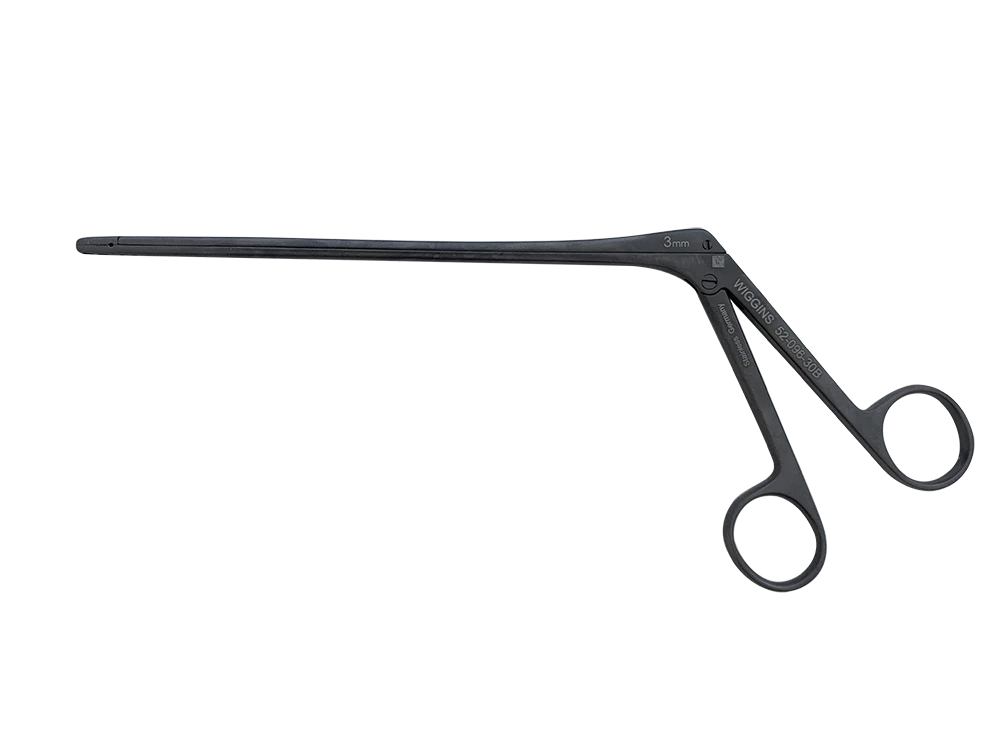
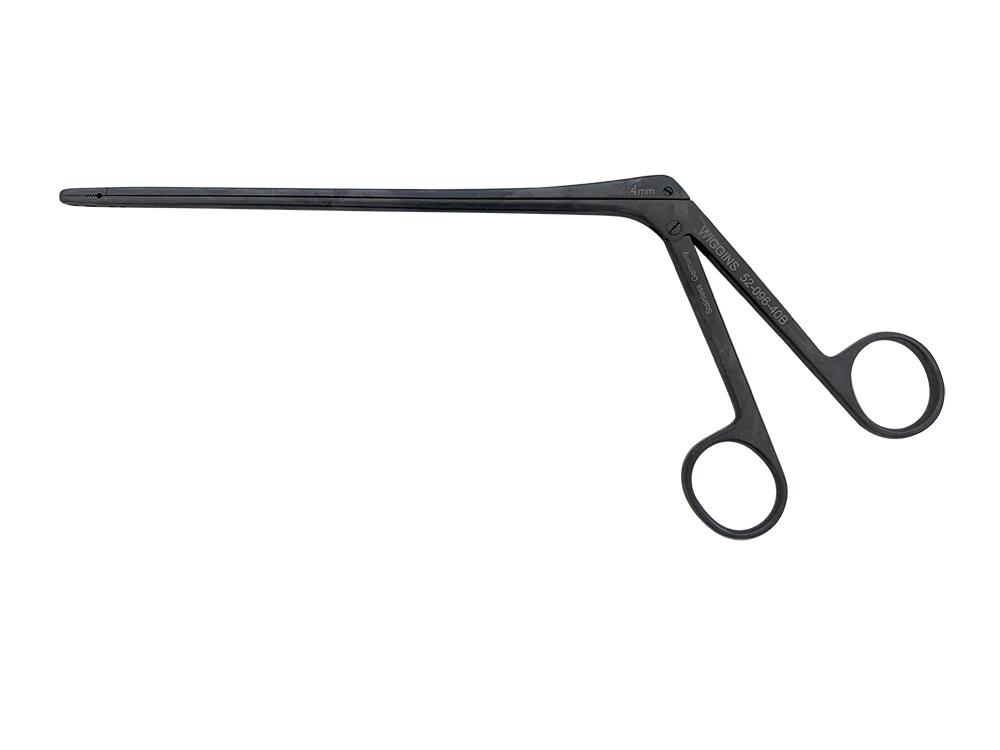
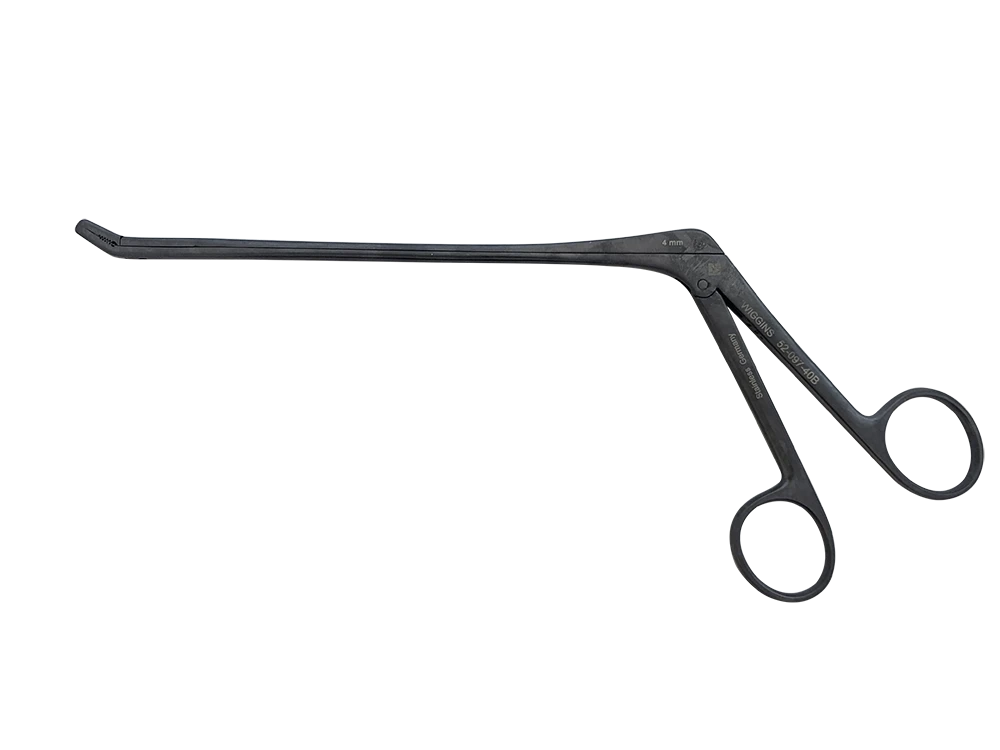
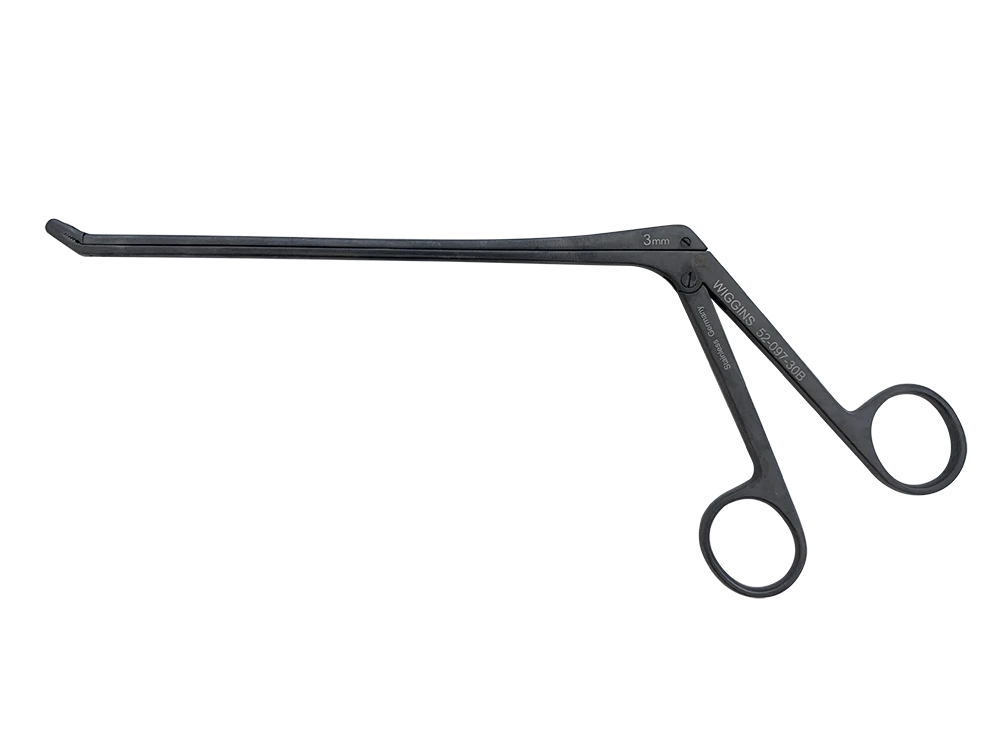
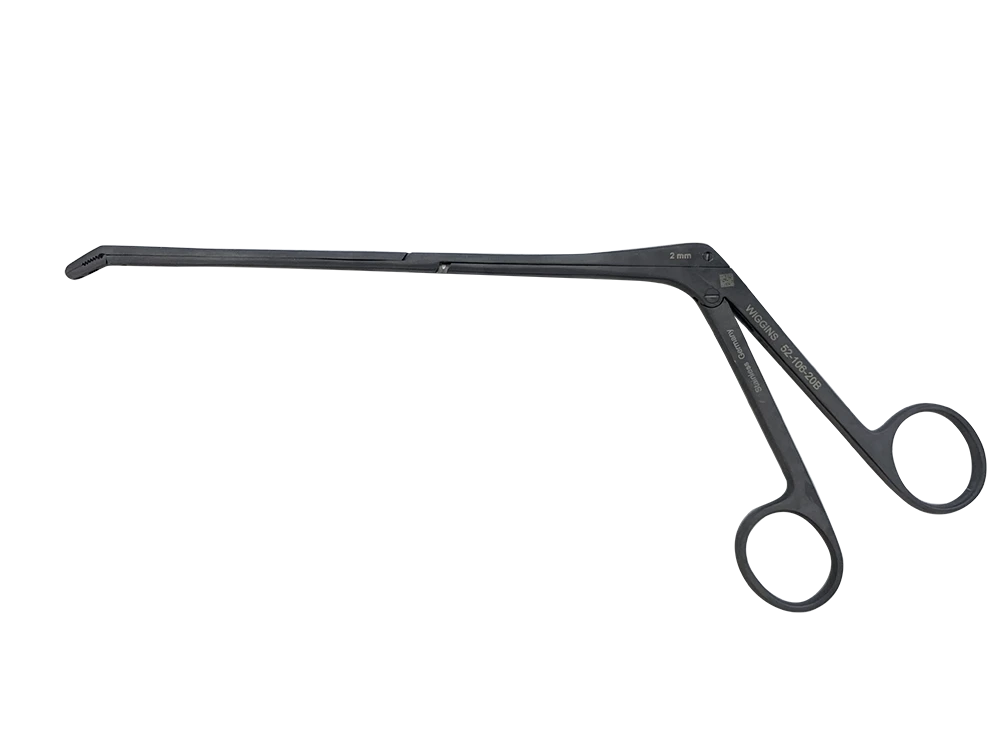
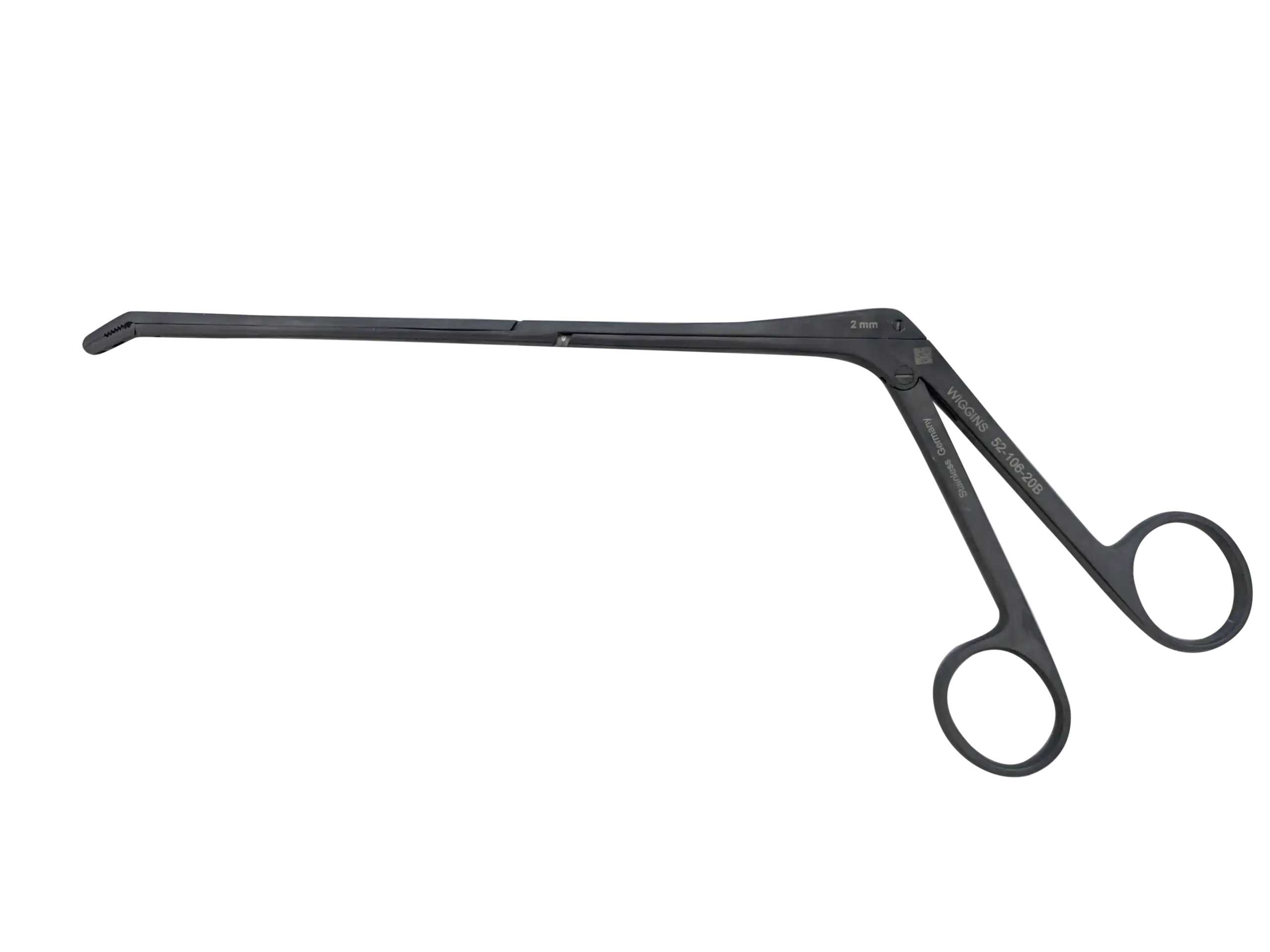
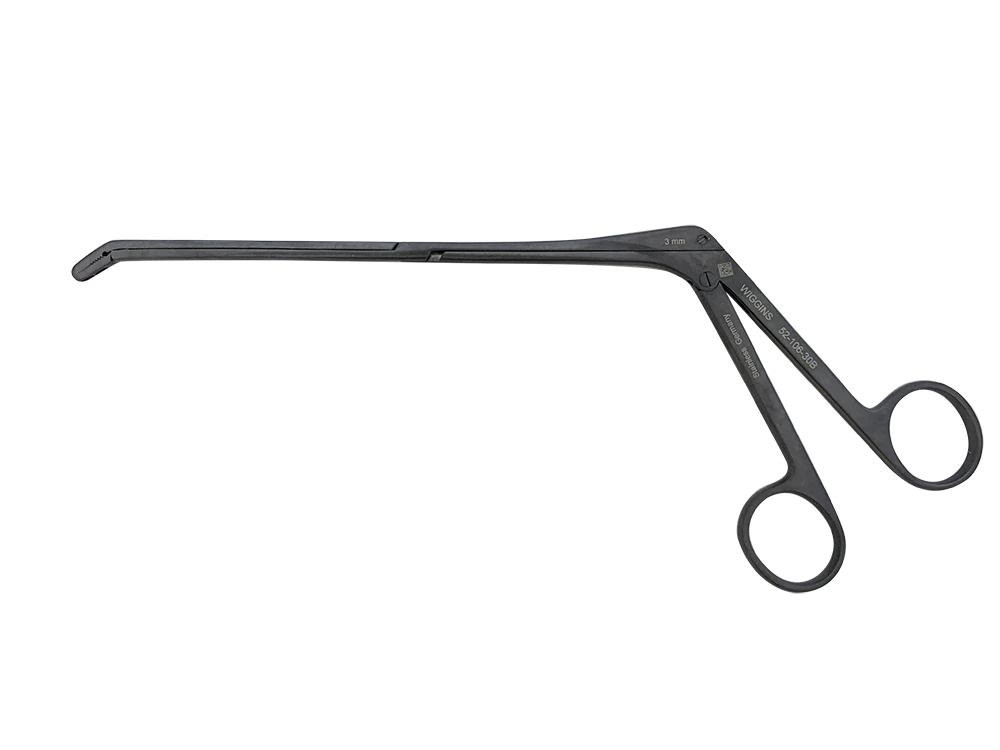
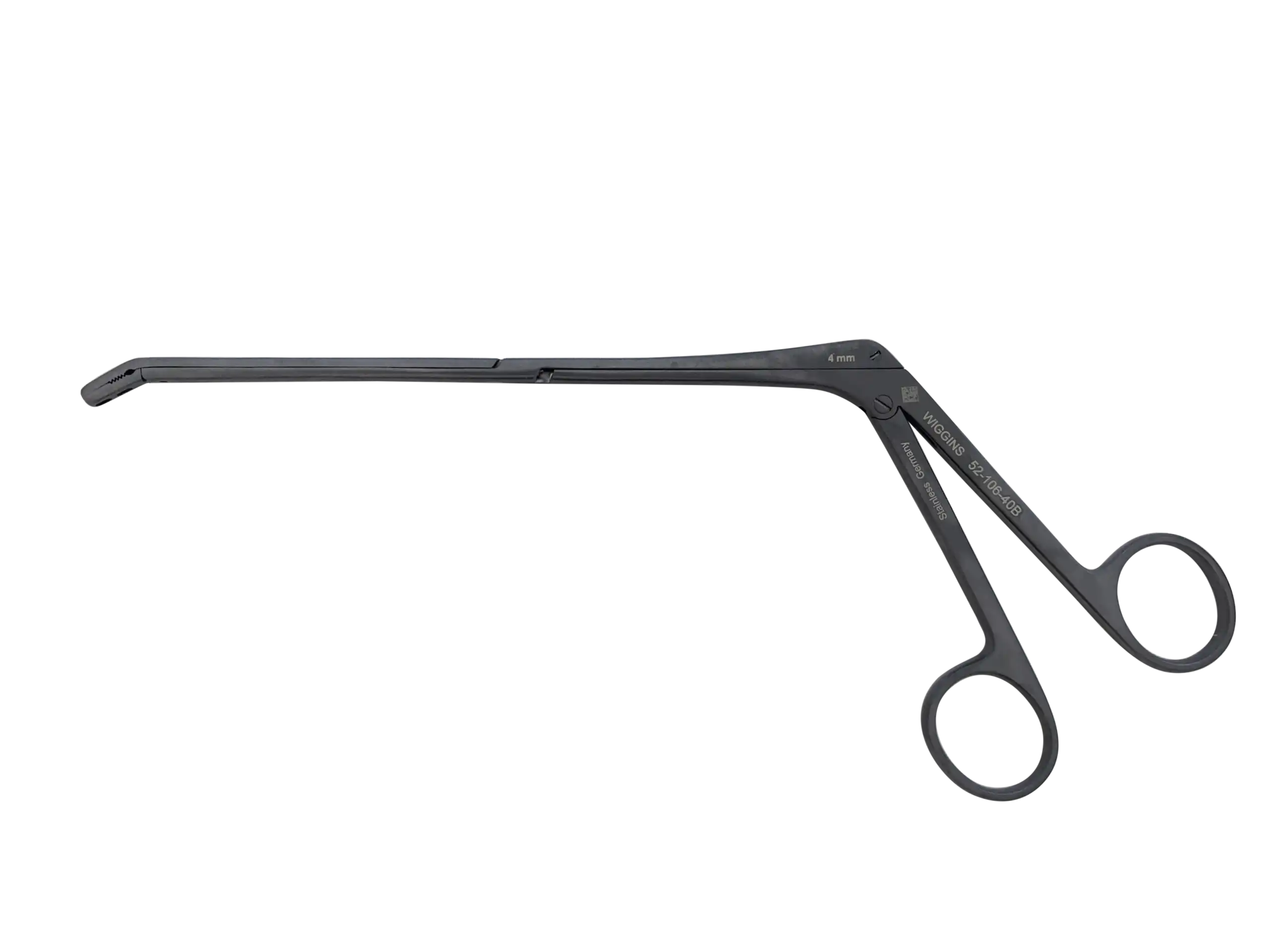
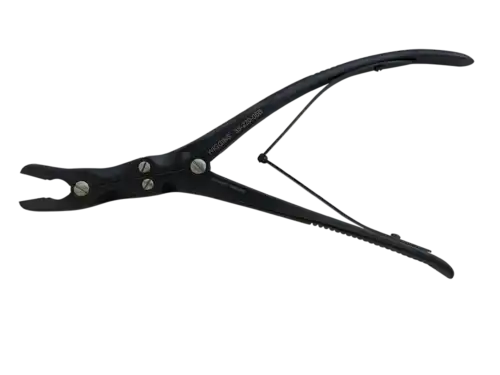
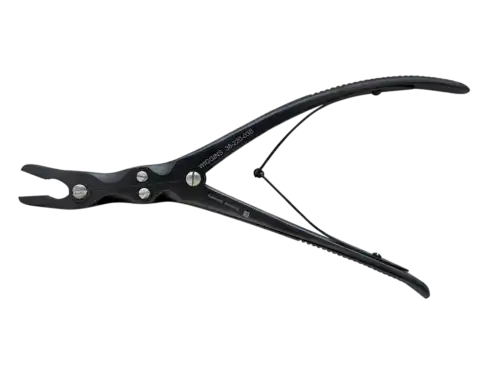
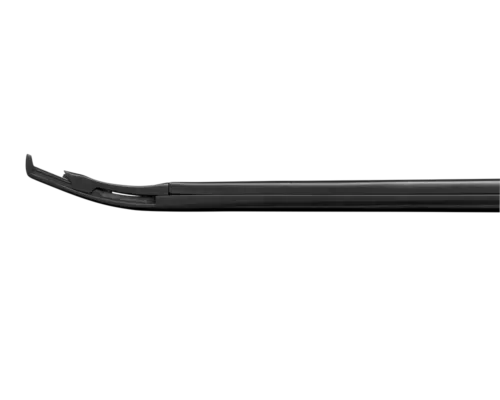
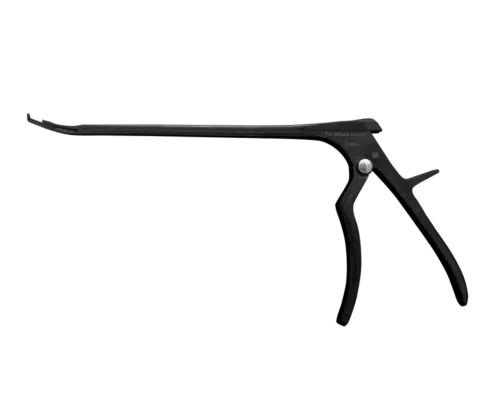
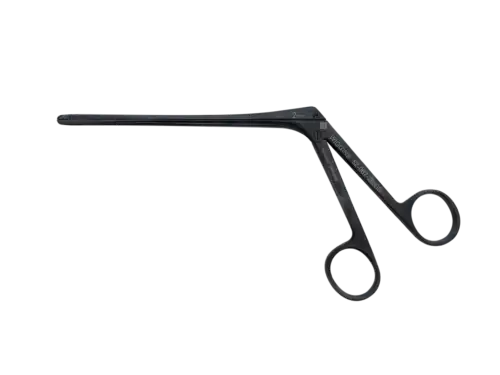
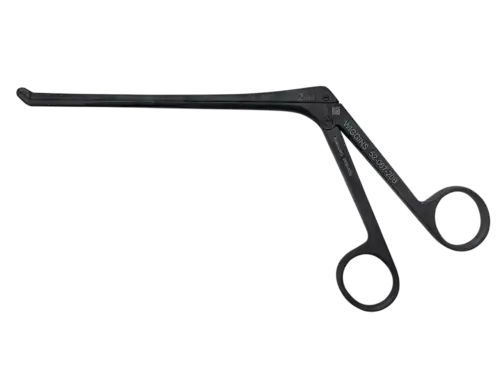
The Caspar Pituitary Rongeur is a spine surgery necessity, widely used for removing intervertebral disc material in procedures such as ACDF, PLIF, and lumbar decompressions. Named for pioneering neurosurgeon Dr. Wolfhard Caspar, this rongeur is built for clean, controlled resection of soft tissue in tight surgical corridors. Its hand-finished, fenestrated 10mm cup allows for efficient removal of disc material with each pass, while maintaining a smooth, responsive feel in the surgeon’s hand.
Engineered for stability and control, the cup features a series of five interlocking teeth on each edge, which securely grip fibrous disc tissue and prevent slippage during excision. This design delivers a strong, confident bite, ideal for working close to sensitive structures such as the dura and nerve roots. Whether approaching anteriorly or posteriorly, the Cushing Rongeur’s cutting strength and reliable grip help minimize repeated passes and reduce tissue trauma.
Surgeons often opt for a more aggressive pituitary rongeur when procedures involve dense, fibrous, or difficult disc material that requires stronger engagement 🦴. In these situations, an instrument designed to grasp tissue more securely can significantly improve control and efficiency. A pituitary rongeur with teeth and fenestrations allows the jaws to bite firmly into the disc, minimizing slippage and reducing the need for repeated passes through the surgical site.
The addition of teeth enhances the rongeur’s ability to penetrate and hold onto tougher tissue, while fenestrations create space for more material to be captured with each closure 🔬. This design is especially beneficial when using a Caspar pituitary rongeur for spine surgery, as it enables surgeons to remove larger disc fragments in fewer movements. By increasing the amount of tissue removed per bite, the instrument supports faster progression through the disc space while maintaining precision and stability.
During decompression or discectomy procedures where visibility and efficiency are critical, an aggressive pituitary rongeur helps maintain a clear operative field 🧠. The fenestrated jaws allow excised tissue to pass through the instrument rather than compressing at the tip, which improves cutting efficiency and reduces hand fatigue over time. This is particularly valuable in longer cases or when working within confined anatomical corridors.
Overall, a pituitary rongeur with teeth and fenestrations for disc removal gives surgeons greater confidence when addressing challenging pathology 🏥. The combination of secure tissue engagement and increased removal capacity supports smoother workflows, consistent results, and effective decompression, making it a practical choice for demanding spine procedures.
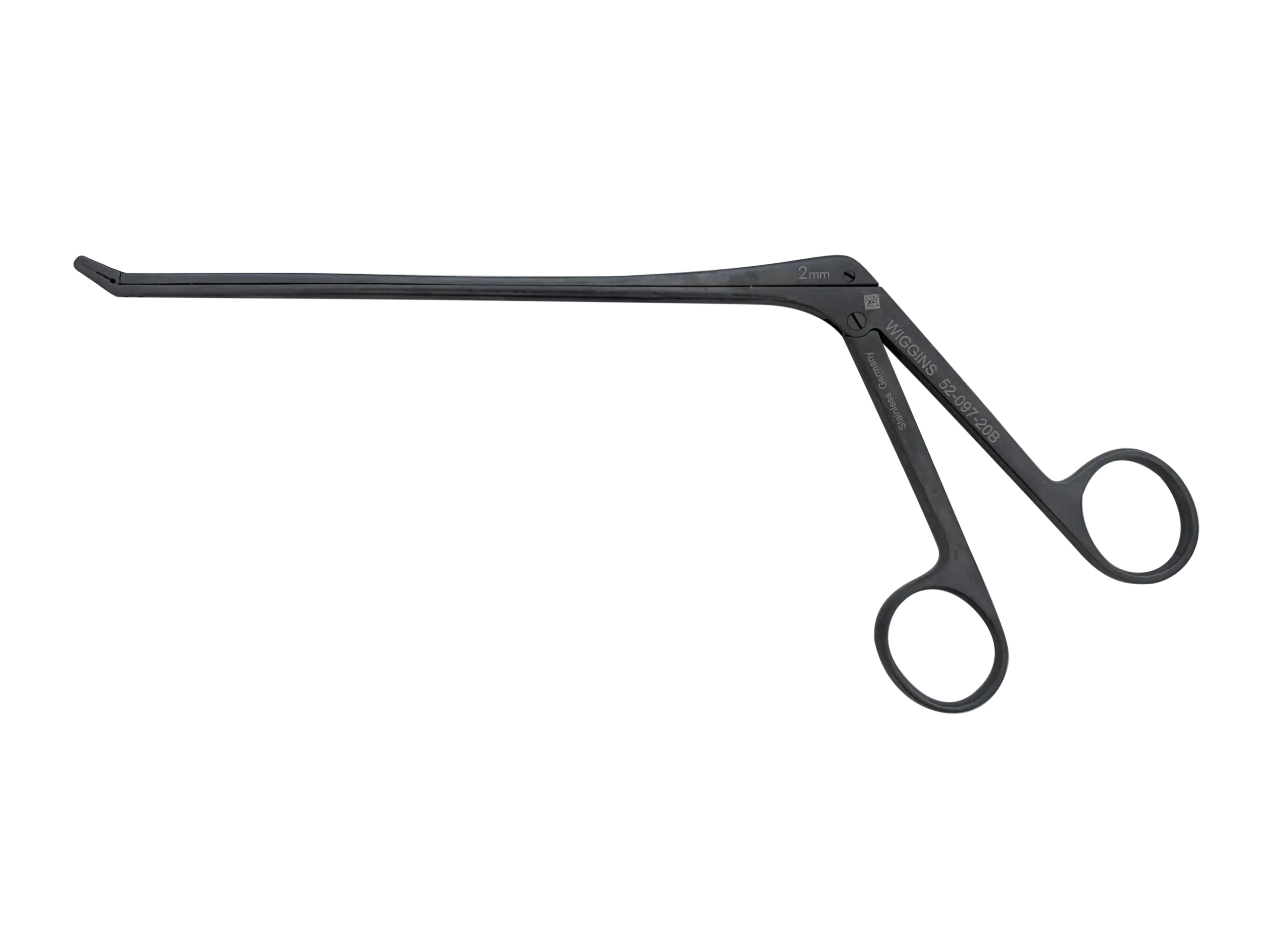
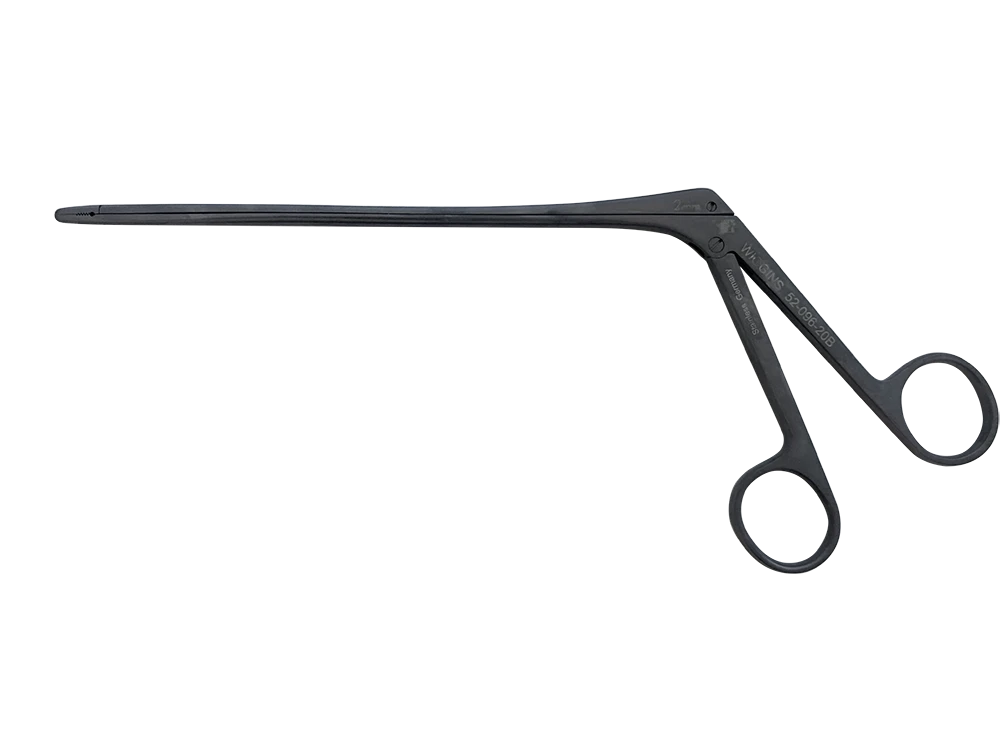
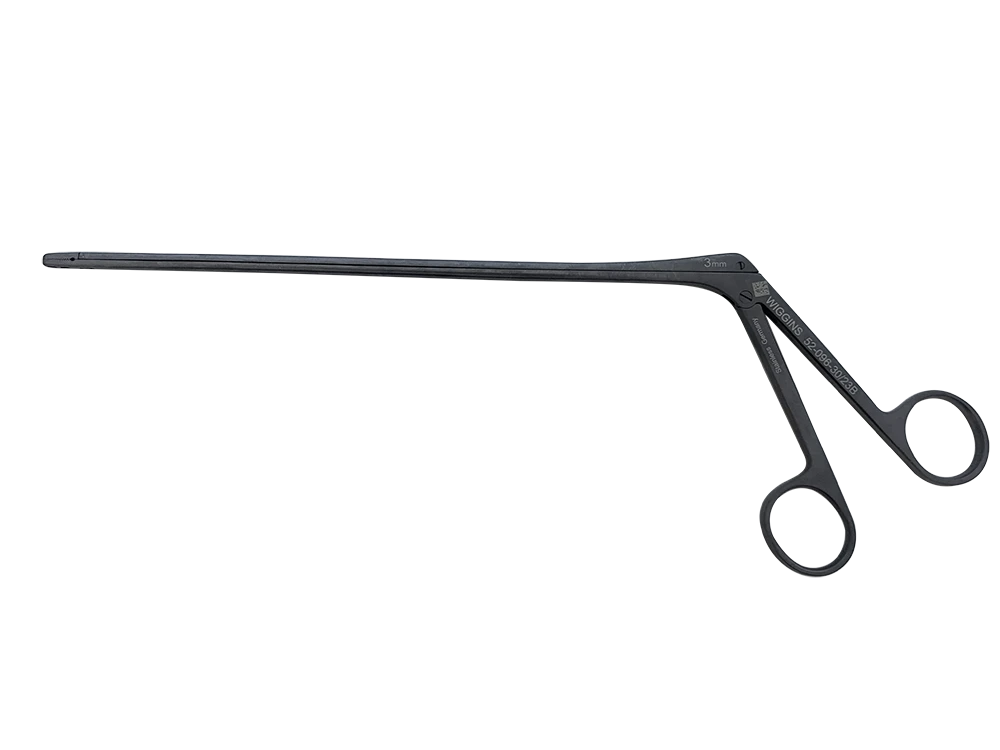
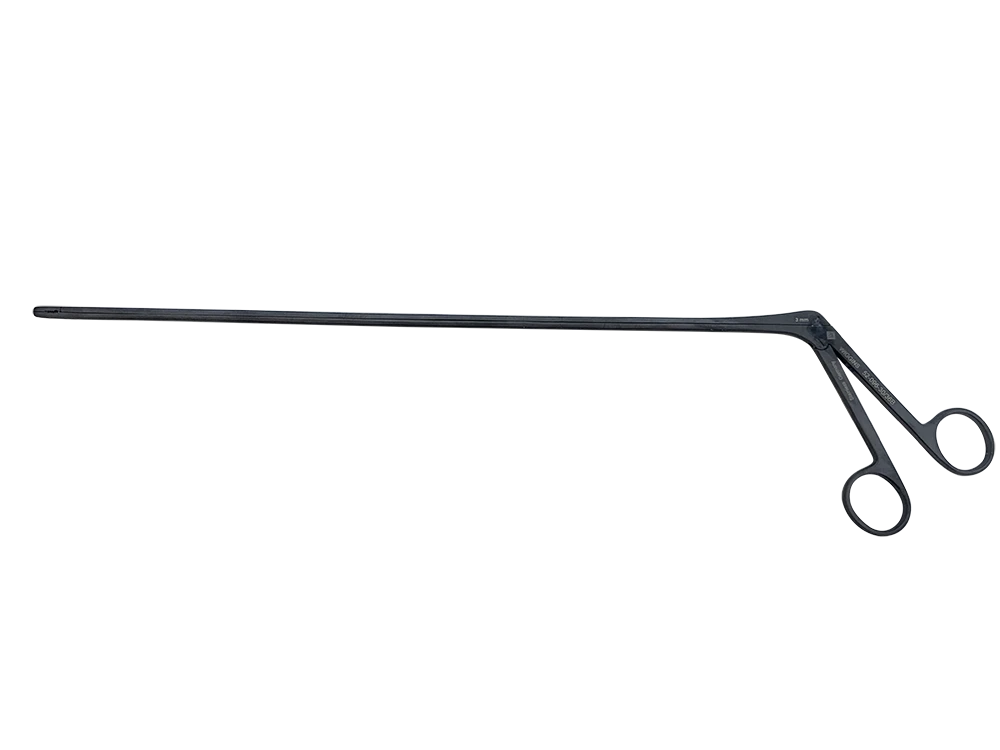
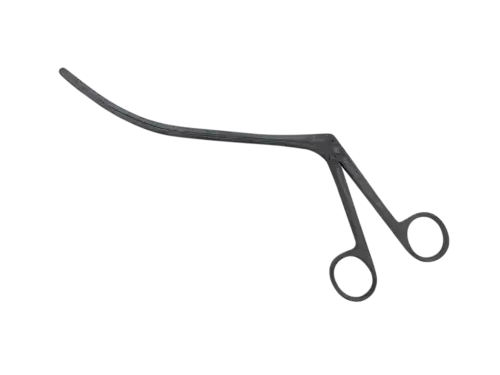
The rongeur is available in straight, up biting, and down biting orientations, allowing spine surgeons to choose the right angle for accessing disc space under the endplates, behind the vertebral body, or deep in the canal. It comes in 7″, 9″, and 14″ lengths, making it suitable for both open and minimally invasive access across the cervical, thoracic, and lumbar spine.
Offered in bite widths from 2.0mm to 6.0mm, the Caspar Pituitary Rongeurs provides ample versatility for different surgical demands, whether performing delicate cervical work or more robust lumbar disc clearance. Durable, ergonomic, and refined for surgical performance, it remains a trusted choice for spine surgeons seeking a reliable, high-performing rongeur built for precision and power.