Description
👩🏾⚕️Cushing Pituitary Rongeur
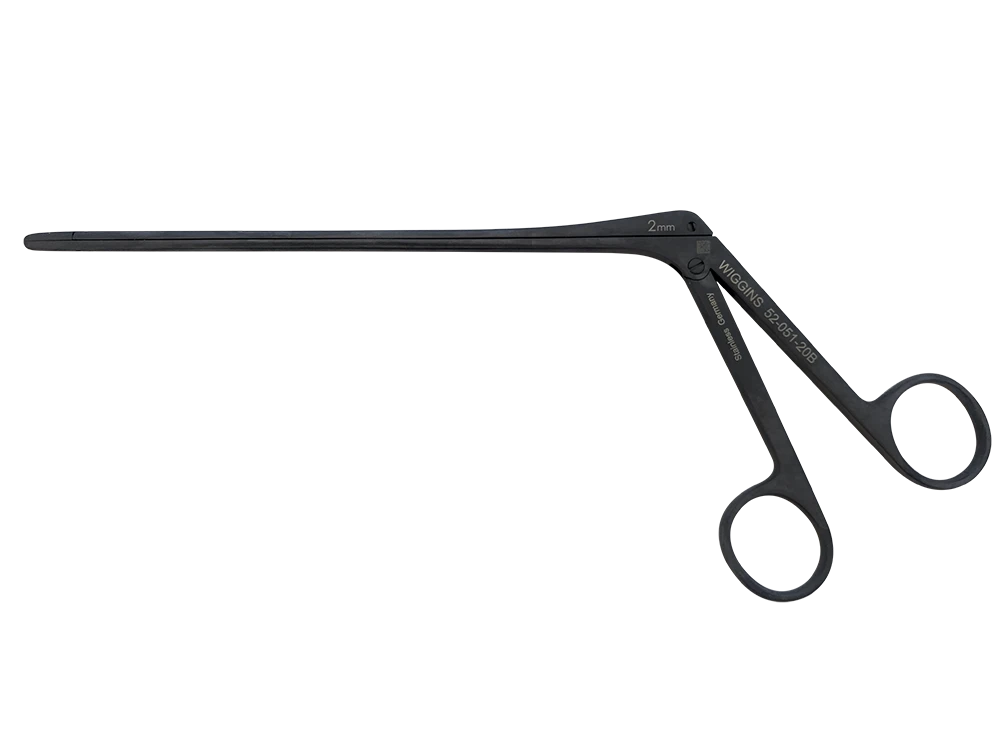
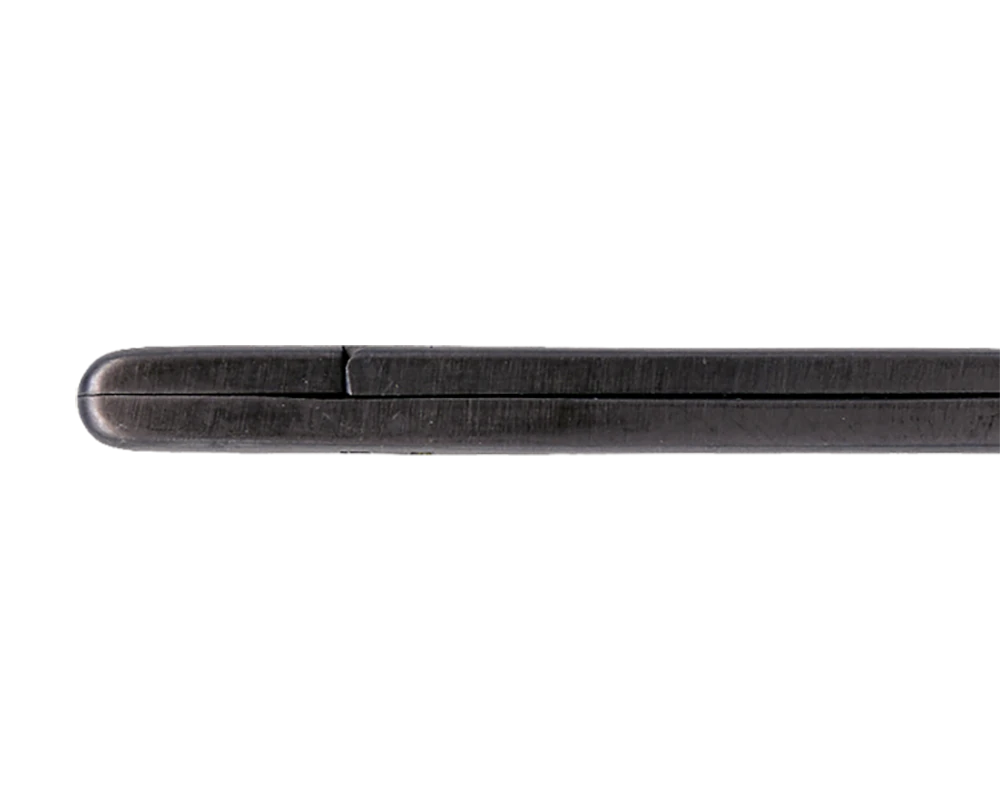
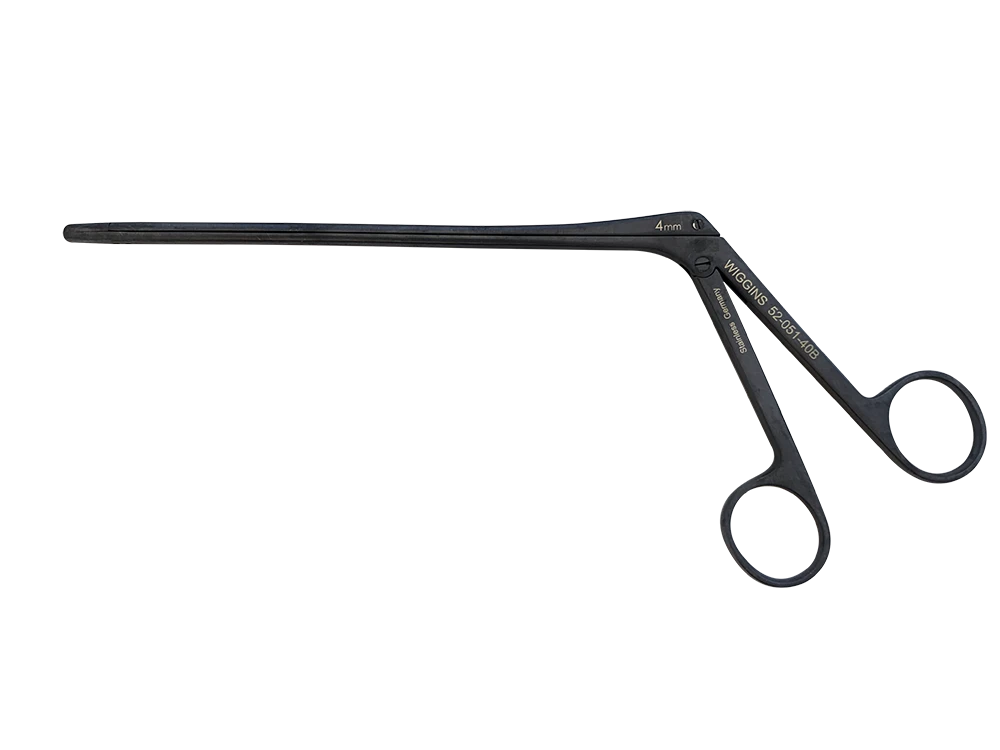
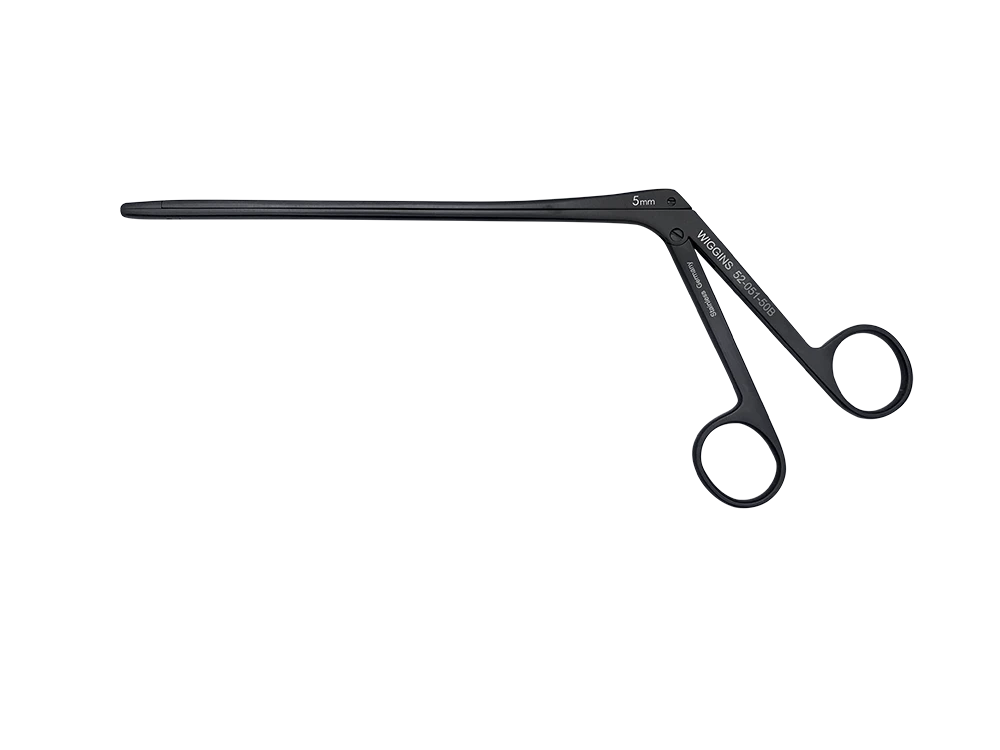
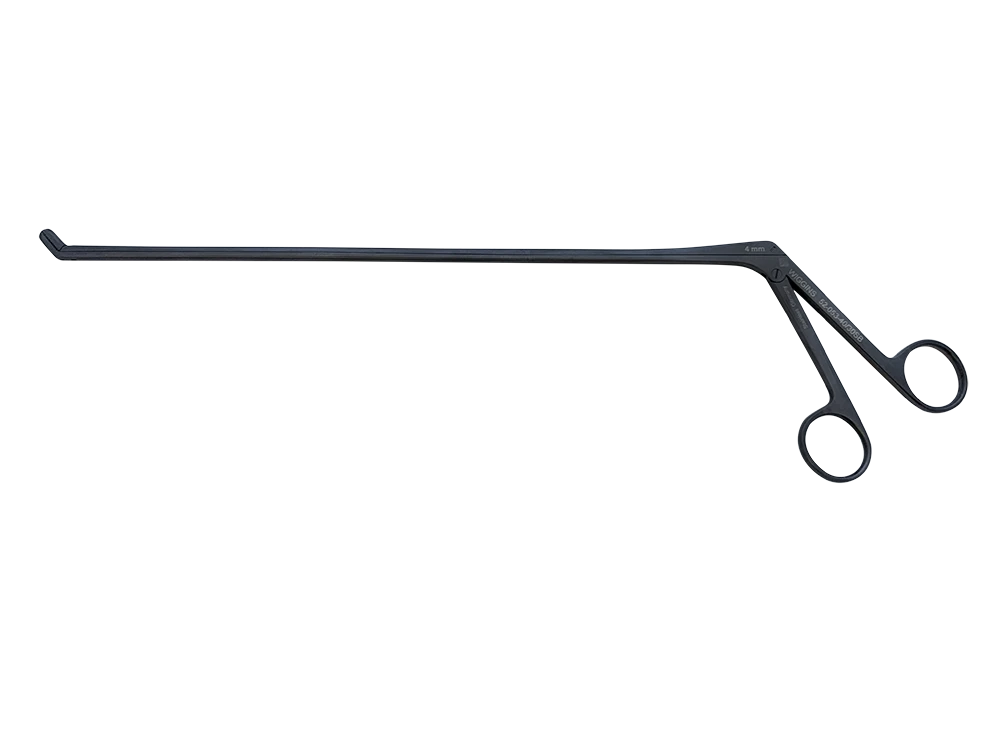
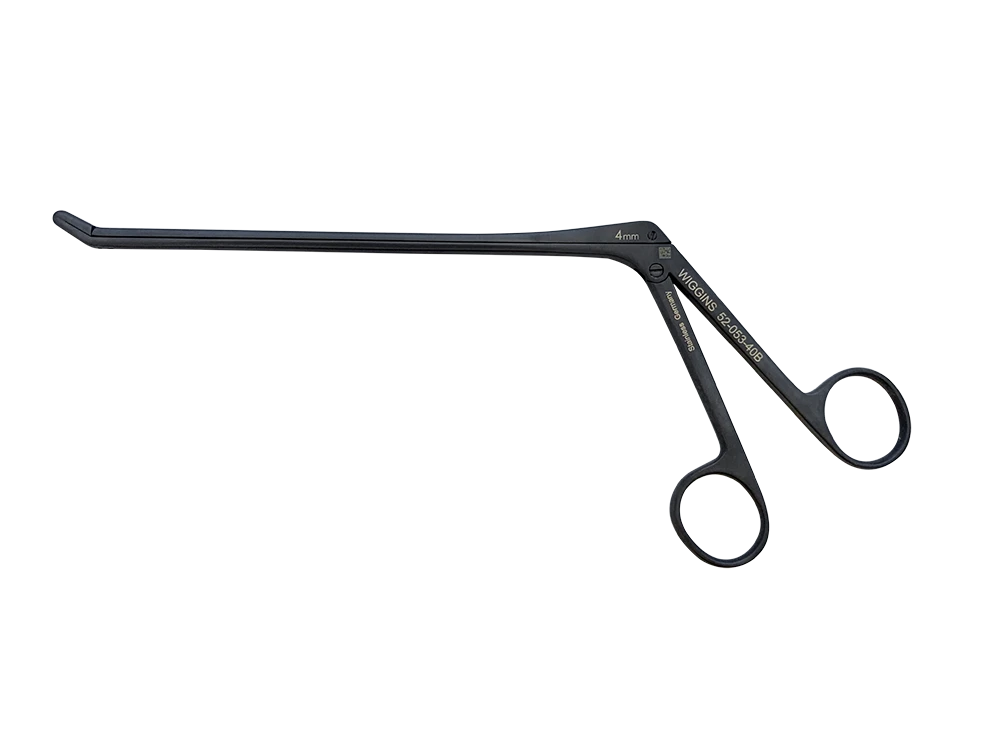
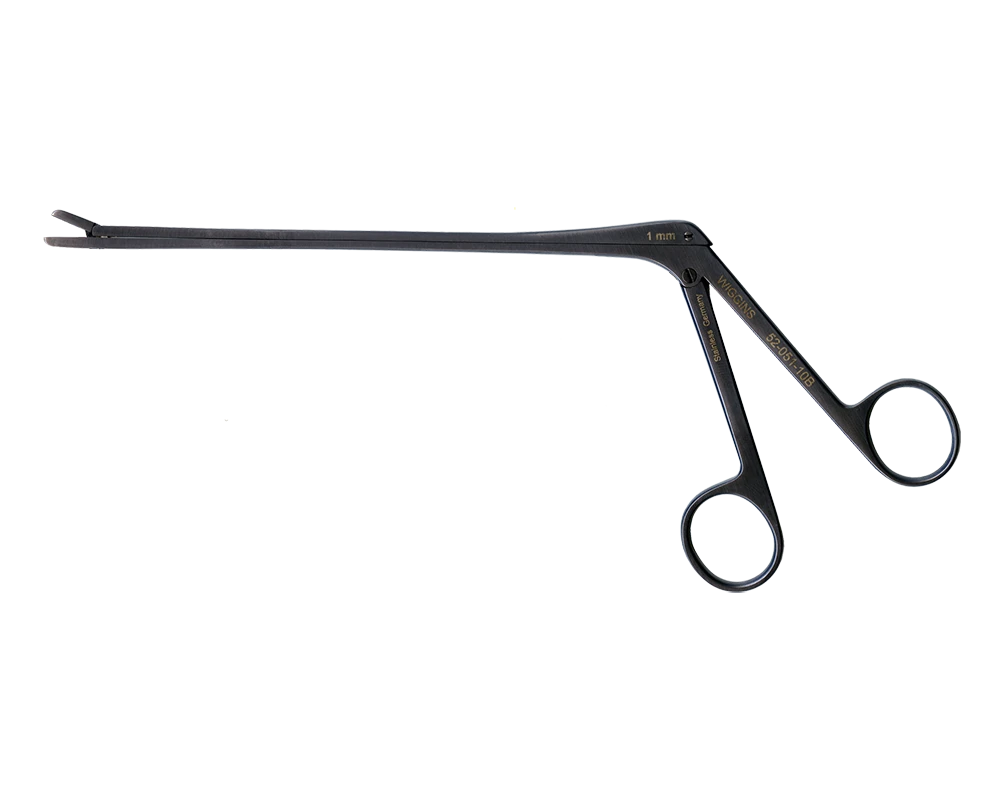
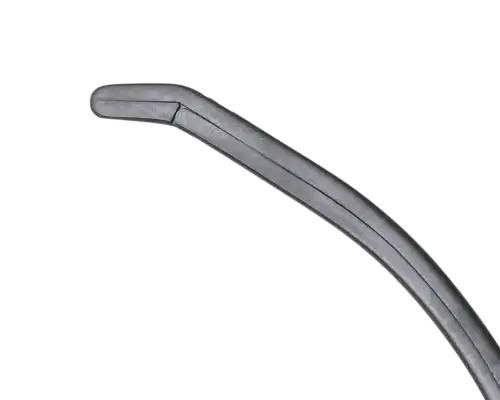
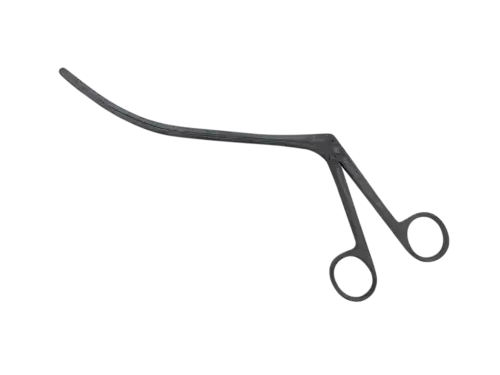
The Cushing Pituitary Rongeur is a trusted instrument in spine surgery, known for its balance of precision and performance. Originally named after neurosurgical legend Dr. Harvey Cushing, this rongeur has evolved into a staple for removing intervertebral disc material during procedures like ACDF, PLIF, and lumbar decompressions. Its rounded, hand-finished 10mm cutting cup ensures consistent, clean removal of tissue with minimal trauma to surrounding structures. 🦴
During spine and neurosurgical procedures, precise removal of soft tissue and disc material is critical to maintaining visibility and protecting surrounding neural structures 🧠. A pituitary rongeur for spine surgery is commonly introduced after initial exposure to allow controlled access to the operative site. Surgeons advance the instrument under direct visualization, using gentle, incremental movements to clear disc fragments while preserving adjacent anatomy.
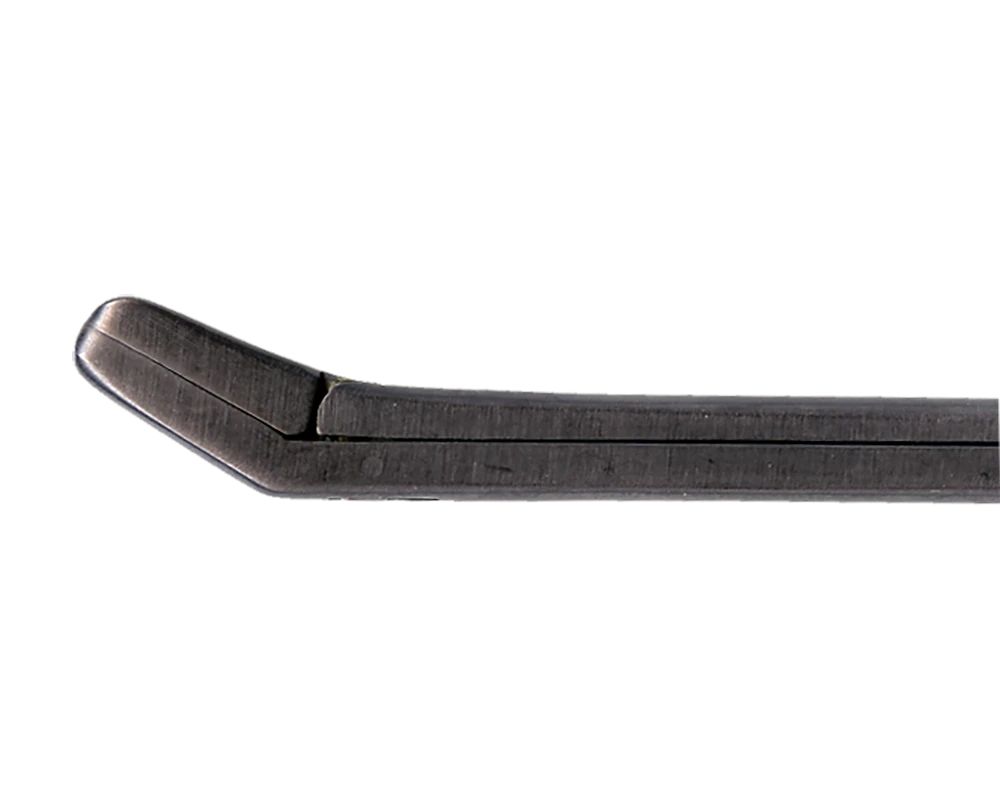
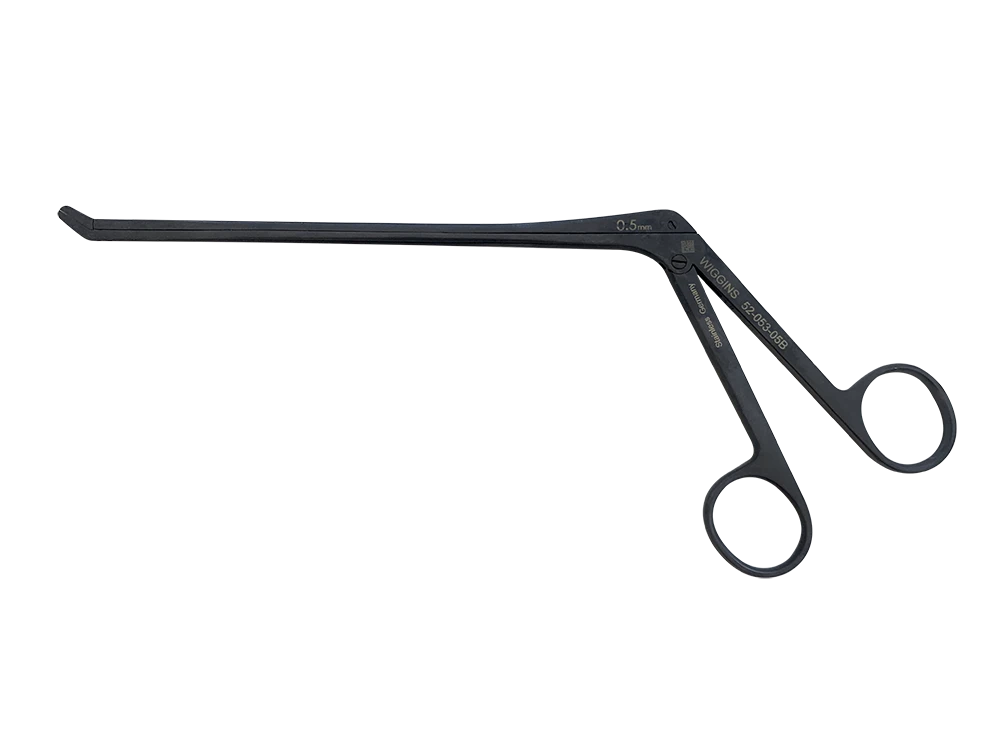
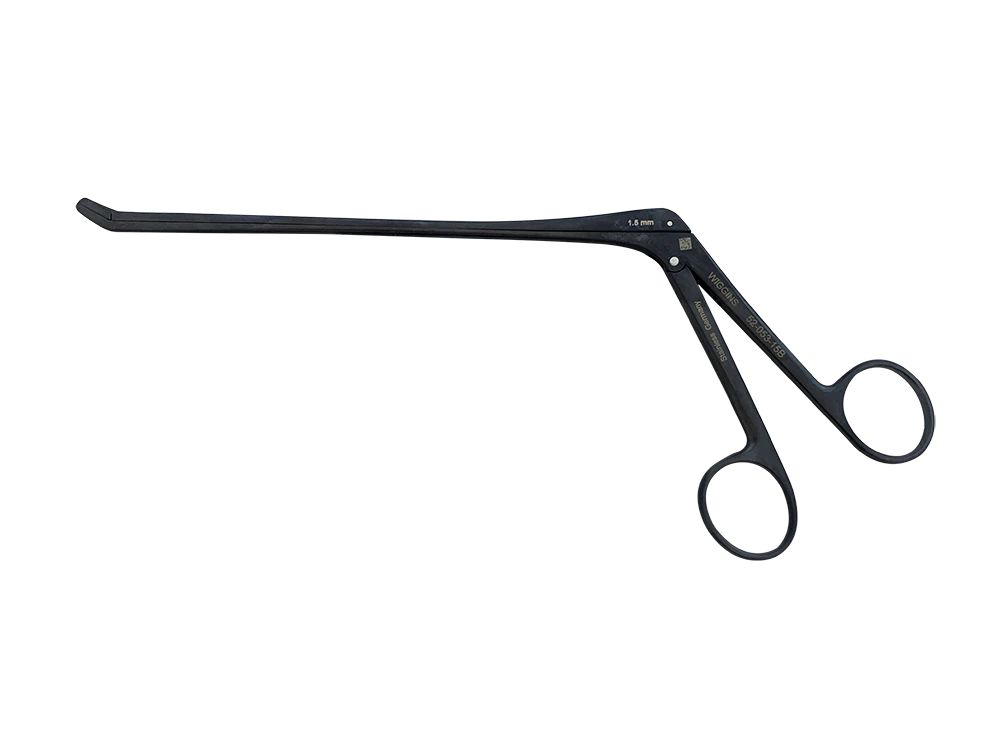
When working in confined spaces such as the cervical spine or during transforaminal approaches, a Cushing pituitary rongeur up biting configuration is often selected to reach tissue located superior to the instrument’s line of entry 🔬. This orientation allows surgeons to remove material above the working corridor without excessive retraction, supporting safer decompression of neural elements and improved procedural efficiency.
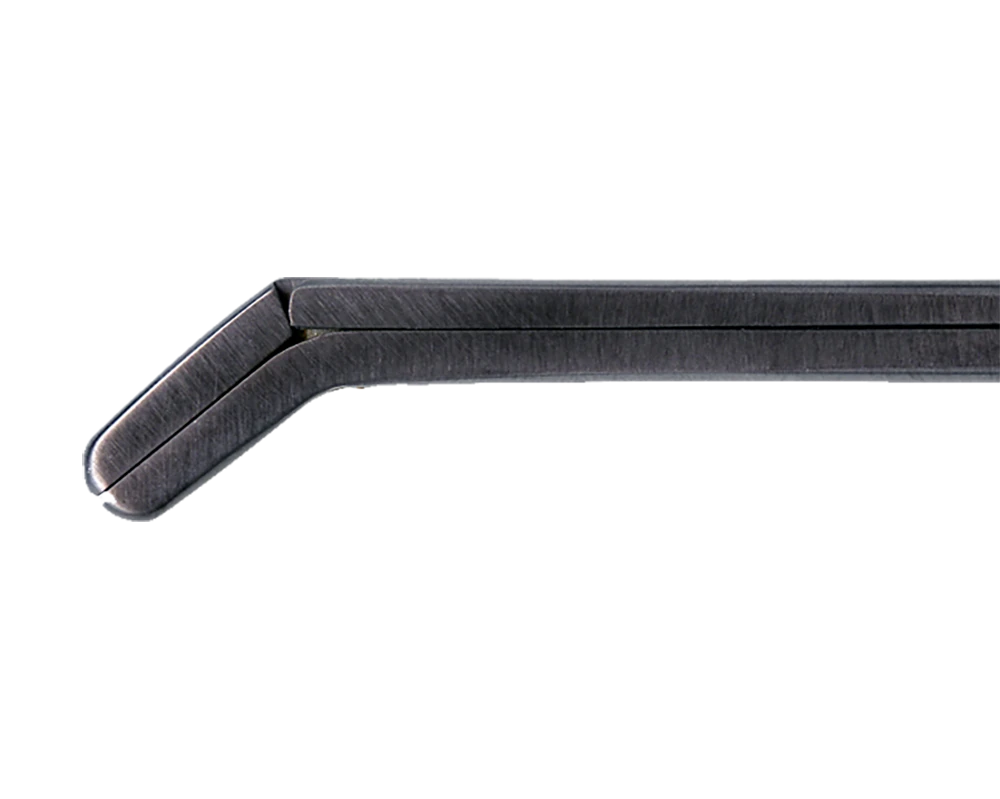
In contrast, a Cushing pituitary rongeur down biting design is frequently utilized when tissue removal is required below the visual field, such as during lumbar discectomy or posterior decompression procedures 🦴. By engaging tissue beneath the instrument tip, surgeons can maintain a stable hand position while achieving precise, controlled excision, reducing unnecessary manipulation within the surgical field.
Throughout these procedures, proper sequencing, steady hand control, and awareness of surrounding structures are essential for optimal outcomes 🏥. Selecting the appropriate pituitary rongeur configuration based on anatomical access and procedural goals helps support efficient tissue removal, clear visualization, and overall surgical precision from exposure through closure.
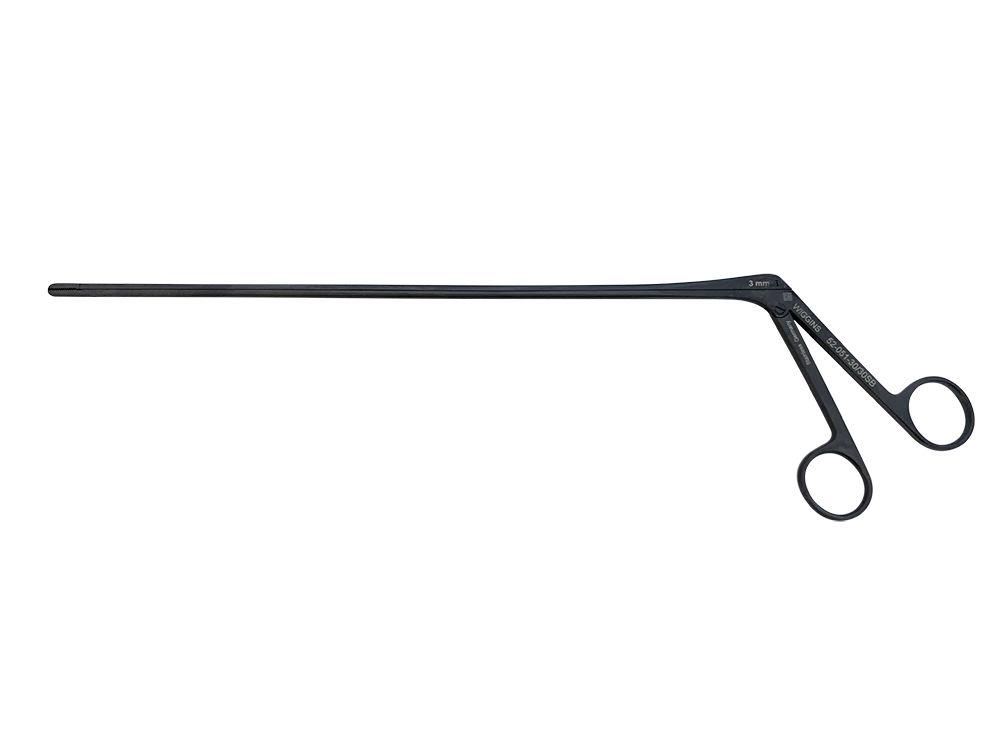
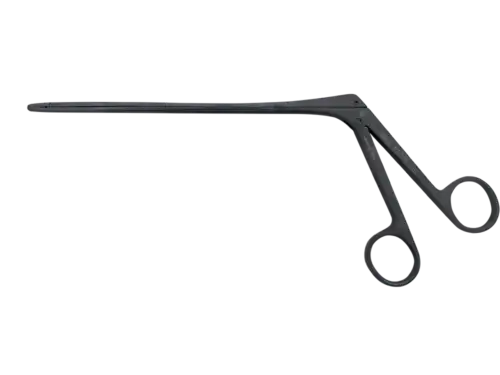
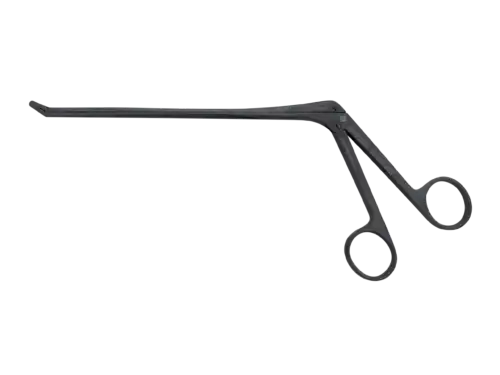
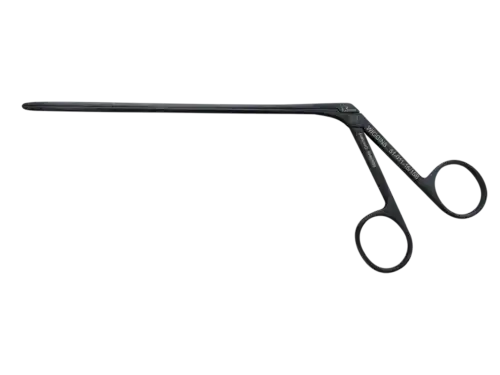
👉🏼Offered in straight, up-biting, and down-biting configurations, the Cushing Rongeur adapts seamlessly to different surgical approaches and anatomical challenges. Whether working anteriorly in a cervical space or posteriorly under the lamina, surgeons can select the angle that delivers the best access and visibility. These options enhance workflow and minimize the need for repositioning during complex procedures.
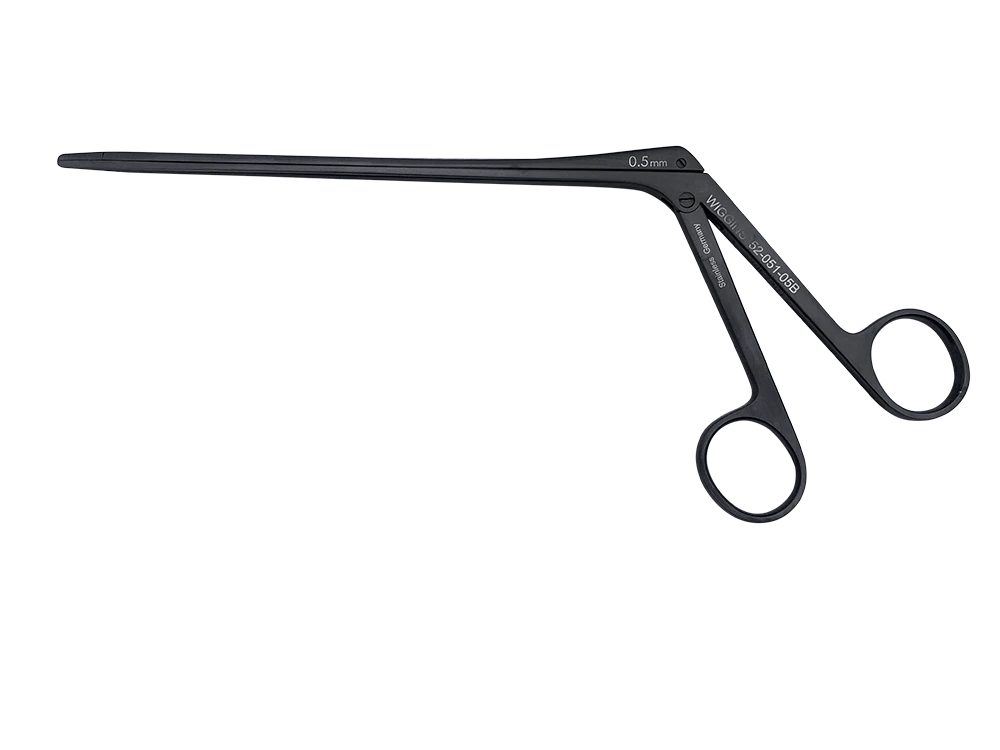
The instrument is available in lengths of 7″, 9″, 11″, and 14″, supporting both open and minimally invasive techniques. With bite widths from 0.5mm to 6.0mm, it offers precise control across a wide range of surgical scenarios, from fine work near nerve roots to more aggressive disc clearance in the lumbar spine. This range ensures a reliable bite profile suited to the patient’s anatomy and the surgeon’s style. 🦁
Built with high-quality materials and refined craftsmanship, the Cushing Pituitary Rongeur delivers dependable performance case after case. Its ergonomic feel and clean cutting action make it a favorite among spine surgeons who demand precision, versatility, and consistency in every pass.