Description
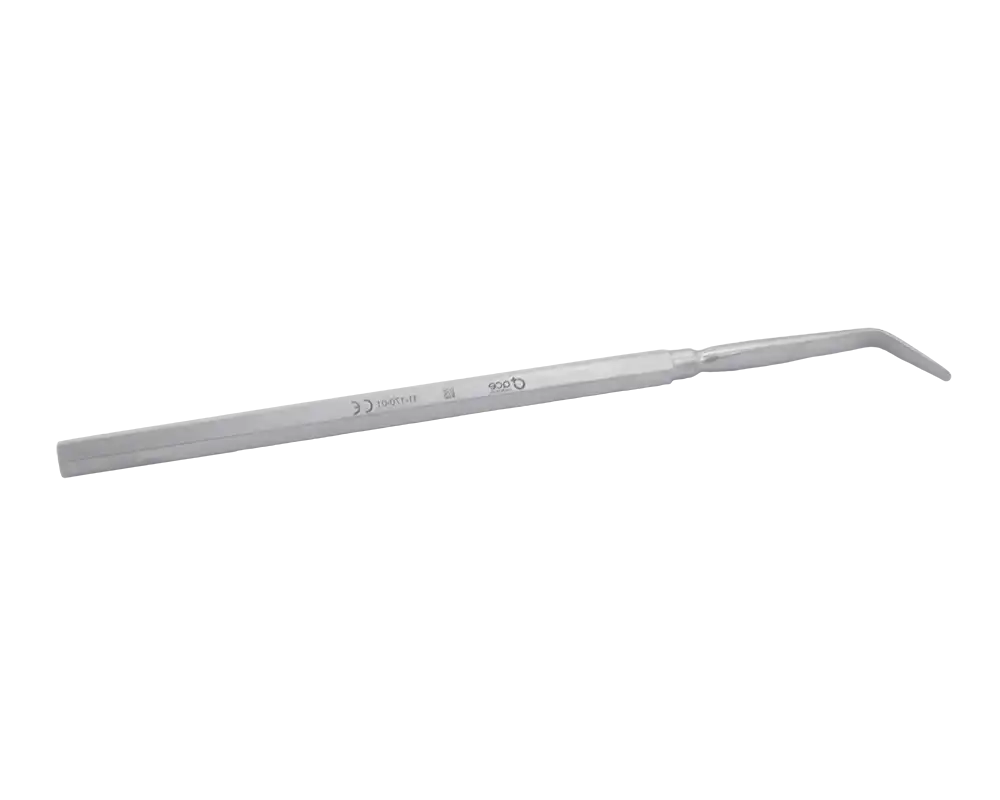
🔍 Frazier Angled Dissector — Precision Access in Tight Surgical Corridors
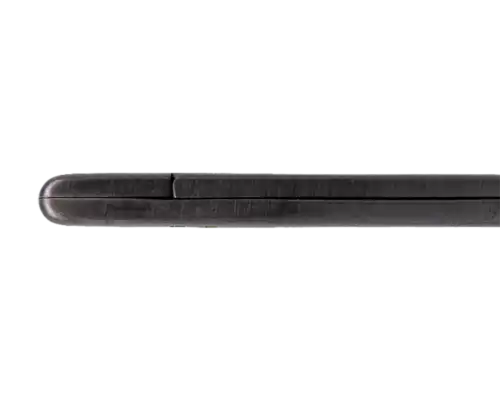
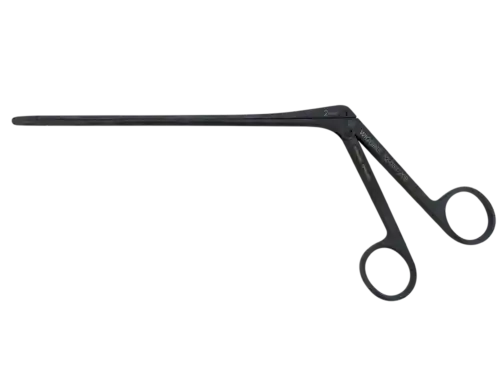
In surgical disciplines demanding meticulous control, such as neurosurgery, ENT, deep-spine procedures, and microsurgery, the Frazier Angled Dissector stands out as a trusted instrument. With its slim, robust shaft and precisely engineered angled tip, this tool excels at navigating narrow, depth-limited spaces where gentle tissue separation is critical. Crafted from premium German surgical stainless steel, it merges durability with tactile finesse, making it a mainstay on advanced surgical trays.
⚙️ What Makes the Frazier Angled Dissector a Must-Have?
Angled Tip for Enhanced Reach & Visibility
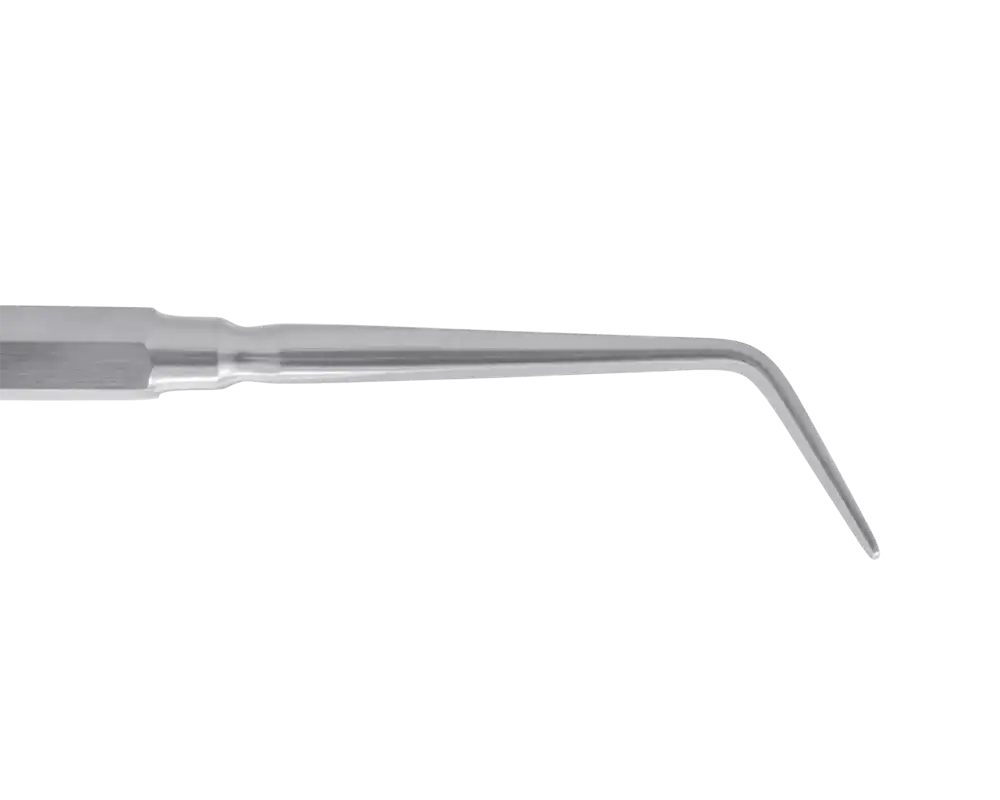
The hallmark feature is the gentle distal curvature, usually between 30° and 45°, anatomically aligned to target areas like the spinal canal, skull base, sinus cavities, or dura. This design keeps the surgeon’s hand clear of the field, improving line of sight and minimizing obstruction.
Slim, Rigid Shaft
Measuring approximately 5.5 to 7 inches (14–18 cm) long, the shaft provides institutional rigidity with lightweight handling. It offers clear tactile feedback, crucial for differentiating tissue planes during attention-focused dissections.
Tactile Sensitivity in Delicate Work
Unlike forceps, the Frazier dissector relies on manual subtle movements, perfect for teasing apart delicate adhesions, lifting fine membranes, or separating small nerve rootlets.
German Stainless Steel Construction
Crafted in Germany from surgical-grade stainless steel, the dissector resists corrosion, maintains alignment after repeated sterilization cycles, and supports consistent precision for years of use.
🔍 Technical Specifications at a Glance
| Component |
Details/Range |
| Material |
German surgical stainless steel |
| Tip Angle |
30°–45° angled, fine rounded tip |
| Shaft Length |
5.5″–7″ (14–18 cm) |
| Handle Design |
Rough or knurled handle for secure grip; smooth distal tip |
| Finish |
Mirror or satin-polished surfaces for durability and easy cleaning |
These specifications combine thoughtfully to offer a tool that’s precise, sturdy, and tactically responsive, ideal for both open and minimally invasive surgical approaches.
🏥 Clinical Applications Across Specialties
Neurosurgery
The Frazier Angled Dissector excels in brain, cranial base, and spinal canal work, its slim curve allows it to gently separate dura, arachnoid membrane, scar tissue, or tumor capsules from neural structures without causing undue micro trauma.
ENT (Ear, Nose, Throat)
Used in deep nasal cavity dissections, sinus elevation, or tympanic/mastoid work. The angled tip precisely navigates behind nasal turbinates, septal spurs, or around ossicles.
Spine Surgery
Essential in dorsal cervical, lumbar, or sacral canal access. Ideal for freeing nerve root adhesions, lifting epidural fat, or mobilizing thecal sac in confined retrospinal corridors.
Microsurgery & Plastic Surgery
Under magnification, the angled dissector supports techniques in nerve repair, tendon dissection, or fine flap elevation, helping preserve critical structures with exceptional dexterity.
General & Vascular
Useful in adhesiolysis, fine tissue separation around vessels, or dissecting vessels under tension, especially in narrow confines, such as retroperitoneal or pelvic regions.
🔒 Tactile Control with Safety Built-In
-
Rounded Tip: Prevents tissue perforation during dissection.
-
Angled Profile: Extension of surgeon’s vision, keeping hands out of the line of sight.
-
Fine Edge-to-Shaft Transition: Aids controlled, soft-glide dissection without snagging.
-
Stainless Construction: Immune to oxidation with balanced weight and rigidity.
🧼 Sterilization & Maintenance
Frazier Angled Dissectors are fully autoclavable, resistant to pitting, and easy to sterilize. Maintenance includes periodic hinge inspection (if applicable) and careful visual checks to detect mechanical wear, common practice to ensure consistency in surgical performance.
💼 Procurement Perspective: ROI in Precision Instruments
For surgical theaters and procurement teams, Frazier angled dissectors represent a strategic investment. Their durability, consistent performance, and versatility ensure:
-
High ROI via fewer replacements and decreased case interference.
-
Tray Standardization: One instrument serves multiple surgical specialties.
-
OR Efficiency: Reduced impediments during setup, surgery, and reprocessing.
-
Surgeon Satisfaction: Enhanced visibility and control during delicate dissections.
✅ Key Advantages Summary
-
🧠 Tactile Precision: Perfect for gentle, detailed dissections.
-
👀 Optimal Visualization: Angled design keeps hands out of view-spaces.
-
💪 Long-Lasting Design: German steel endures hundreds of sterilizations.
-
🏥 Multi-Specialty Utility: Beyond neurosurgery, ENT, spine, micro, vascular ends.
-
⚙️ Easy Maintenance: Autoclavable, corrosion-resistant, dependable tray staple.
🛒 Equip Your Surgical Trays
For teams performing delicate surgical interventions, spinal canal work, cranial base dissection, microsurgery, or ENT advancements, the Frazier Angled Dissector is a staple instrument that supports precision and control.
👉 Scroll up to request a quote and start simplifying your tray setup.
Need assistance? 👉 Contact us here for guidance on configurations, multi-pack deals, and OR toolkit design.