
Internal Nasal Splints 👃🏽
ACE Internal Nasal Splints options are designed to provide stable internal nasal support following septoplasty, rhinoplasty, and sinus surgery. These splints help maintain septal alignment, support airway patency, and reduce the risk of post-operative adhesions during the healing process.
Available in multiple sizes and configurations, ACE Internal Nasal Splints accommodate different nasal anatomies and surgical techniques. Options include designs with or without integrated airway tubes, smooth rounded edges for patient comfort, and materials selected to balance firmness with flexibility.
Internal nasal splints from ACE are commonly used by ENT, plastic, and facial plastic surgeons in both functional and aesthetic nasal procedures, making them a reliable solution for post-operative nasal support. 🐽
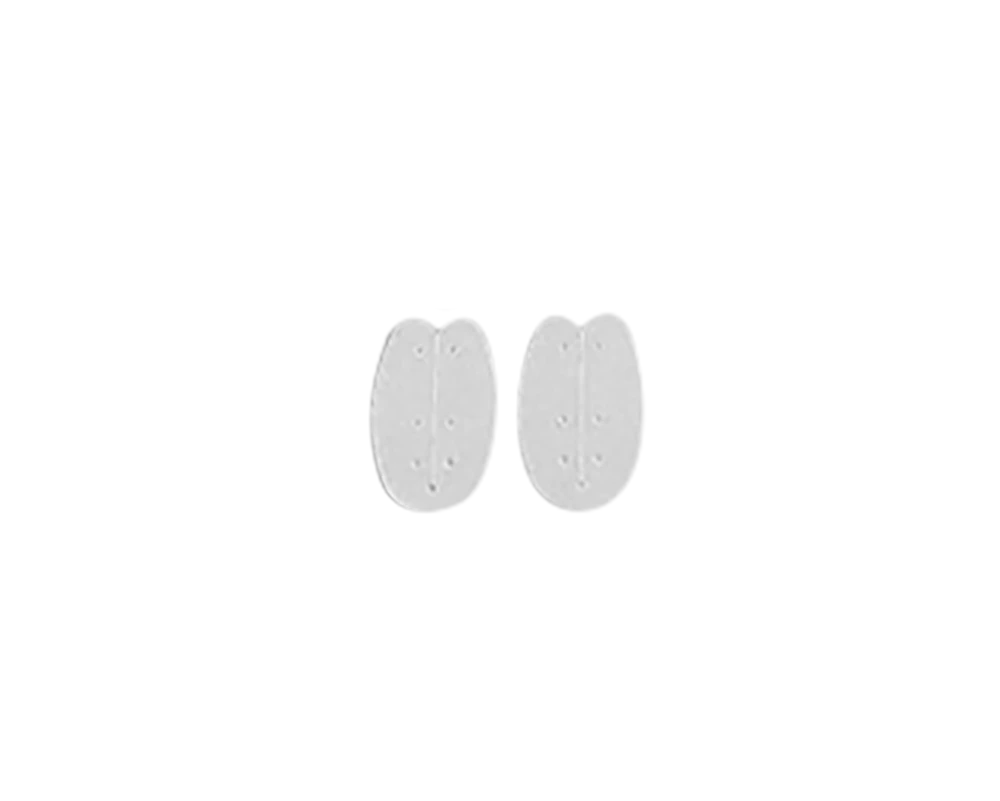
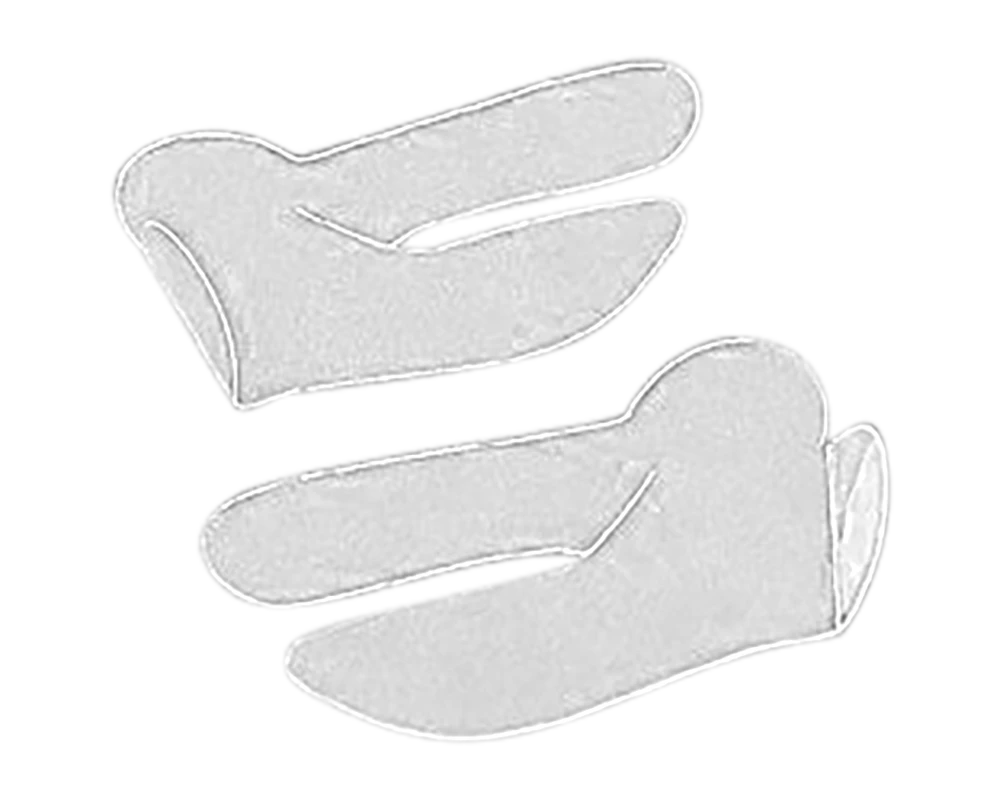
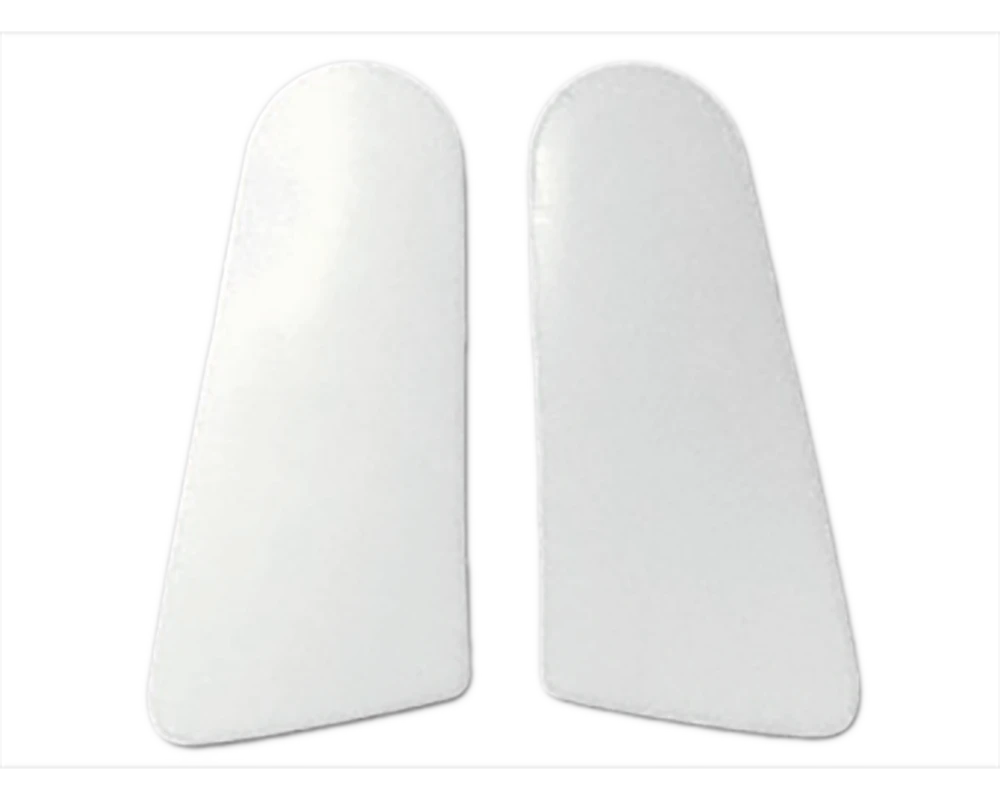
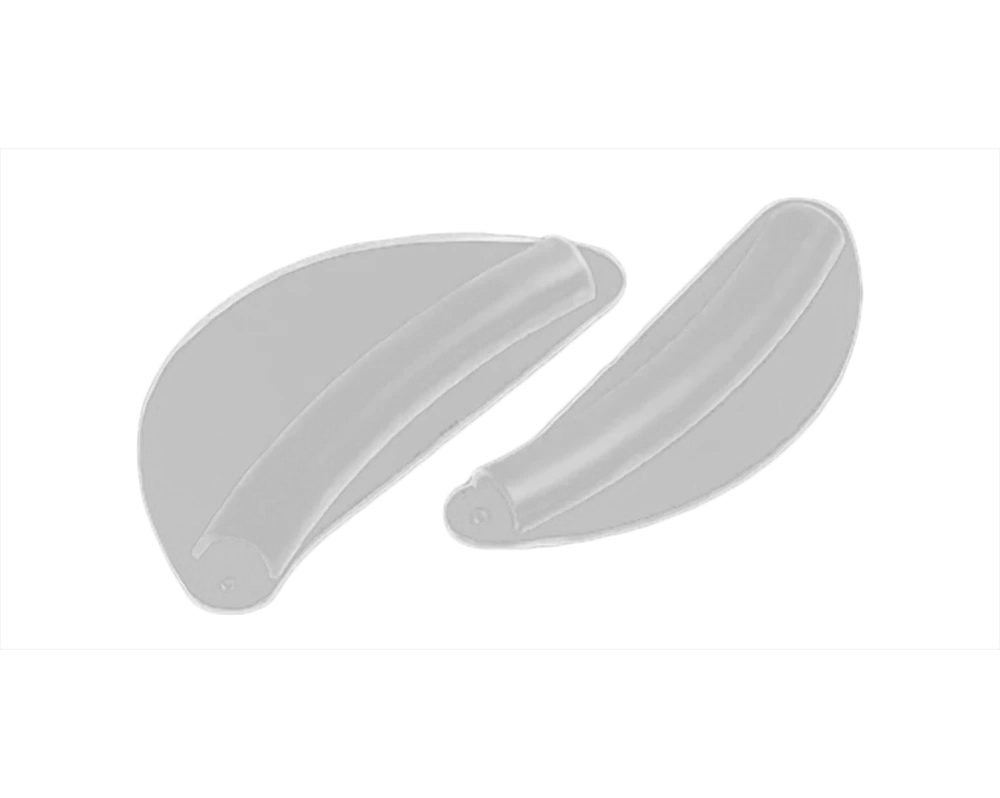
Bivalve Nasal Splints for Septal Stabilization and Airway Support
Bivalve Nasal Splints for Septal Stabilization and Airway Support
Bivalve nasal splints are commonly used in nasal surgery when controlled septal support and bilateral stabilization are required following correction of the nasal septum 🩺. Their two-piece design allows surgeons to position each splint on either side of the septum. This provides even pressure distribution while maintaining internal alignment during the early healing phase.
These splints are frequently selected after septoplasty procedures where precise septal repositioning is critical for long-term functional outcomes. By supporting both mucosal surfaces, bivalve nasal splints help reduce the risk of septal deviation recurrence. They also minimize contact trauma between opposing tissues during recovery.
Bivalve Nasal Splints After Septoplasty
In septoplasty cases, bivalve nasal splints are used to maintain midline septal alignment. They also prevent post operative shifting of cartilage and bone structures. Surgeons performing internal nasal splint placement after septoplasty often rely on bivalve designs to support healing while preserving airway patency throughout the nasal vault 🌬️.
The rigid yet contoured structure of bivalve splints allows consistent stabilization without excessive pressure on delicate mucosa. This makes them particularly effective in cases involving moderate to severe septal deviation. Uniform bilateral support is necessary for optimal recovery.
Use in Septorhinoplasty and Functional Nasal Surgery
Bivalve nasal splints are also widely used in septorhinoplasty procedures that combine functional correction with aesthetic refinement. In these cases, maintaining internal symmetry is essential to support both nasal airflow and external cosmetic results.
Internal nasal splints for septorhinoplasty using a bivalve configuration allow surgeons to protect internal structures while external swelling resolves 👃.
Facial plastic surgeons often select bivalve splints when performing functional nasal surgery that involves cartilage reshaping or grafting, as the dual splint design helps maintain graft position and reduces internal scar formation.
Clinical Benefits for Surgeons and Surgical Teams
From a procedural standpoint, bivalve nasal splints provide predictable placement and reliable internal fixation. This eliminates the need for excessive packing and improves patient comfort. They still deliver the internal support required for successful outcomes after nasal surgery.
Their design supports efficient insertion and removal, making them suitable for outpatient settings and high-volume surgical practices. Surgical teams using bivalve nasal splints for post operative nasal stabilization benefit from consistent performance across a wide range of nasal anatomies and surgical techniques 🏥.
Bivalve Nasal Splints for Septal Stabilization and Airway Support
Bivalve nasal splints are widely used in nasal surgery when precise internal support and bilateral stabilization of the septum are required 🩺👃. Their two-piece design allows surgeons to position each splint on either side of the septum, creating balanced internal support that helps maintain alignment during the critical early stages of healing.
These splints are commonly selected following septoplasty procedures where controlled septal positioning is essential for long-term functional outcomes 🌬️. By supporting both sides of the septum, bivalve nasal splints help reduce unwanted movement, limit internal tissue contact, and support predictable healing inside the nasal cavity.
Bivalve Nasal Splints After Septoplasty
During septoplasty, bivalve nasal splints are used to maintain midline septal alignment and stabilize cartilage and bone as swelling subsides 🦴✨. Surgeons placing internal nasal splints after septoplasty rely on bivalve designs to support the internal nasal framework while preserving airflow through the nasal passages.
The structured yet contoured shape of these splints provides uniform pressure across the septum without excessive compression of delicate mucosal tissue 💧. This balance makes bivalve splints particularly effective in cases involving moderate to severe septal deviation or complex internal corrections.
Use in Septorhinoplasty and Functional Nasal Surgery
Bivalve nasal splints are also commonly used in septorhinoplasty procedures where both functional breathing and aesthetic outcomes are addressed simultaneously 👃🎯. Maintaining internal symmetry during healing is essential for supporting nasal airflow and protecting the surgical refinements made to cartilage and soft tissue.
Facial plastic surgeons performing functional nasal surgery often choose bivalve nasal splints to help secure internal structures and reduce the risk of internal scar formation. Their bilateral support helps maintain graft positioning and internal contour while external swelling resolves naturally 🌸.
Clinical Advantages for Surgeons and Surgical Teams
From a procedural standpoint, bivalve nasal splints offer predictable placement and consistent internal stabilization without relying on excessive nasal packing 🏥🔧. This can improve patient comfort while still delivering the level of support required for successful post operative nasal surgery outcomes.
Their design supports smooth insertion and removal, making them well suited for outpatient surgical centers and busy clinical practices. Surgical teams using bivalve nasal splints for post operative nasal stabilization benefit from reliable performance across a wide range of nasal anatomies and surgical techniques 📦✅.
Custom Cut Silicone Internal Nasal Splints for Personalized Surgical Fit
Custom cut silicone internal nasal splints are designed for surgeons who prefer flexibility and precise control when managing internal nasal support after surgery ✂️👃. Made from soft medical grade silicone, these splints can be trimmed intraoperatively to match the patient’s anatomy and the specific surgical correction performed.
This adaptability makes custom cut silicone splints especially valuable in cases where nasal anatomy varies significantly or when revisions require tailored internal stabilization 🩺.
Surgeons performing internal nasal splint placement after rhinoplasty or septoplasty often select custom cut options to ensure optimal contact without excessive pressure on healing tissue.
Custom Cut Silicone Splints After Rhinoplasty
Following cosmetic or functional rhinoplasty, maintaining gentle internal support while protecting delicate mucosa is essential for both aesthetic and functional outcomes 🌸✨.
Custom cut silicone internal nasal splints after rhinoplasty allow surgeons to adjust length and contour to accommodate refined nasal structures, grafts, or subtle septal corrections.
Because silicone is soft and flexible, these splints conform comfortably to the nasal cavity while still providing enough support to reduce swelling and internal tissue movement. This makes them ideal for aesthetic practices where patient comfort and recovery experience are key priorities 💆♀️.
Use in Septoplasty and Revision Nasal Surgery
In septoplasty and revision nasal surgery, custom cut silicone nasal splints are commonly used when standard splint sizes may not provide an ideal fit 🦴🔧. Being able to trim the splint allows surgeons to adapt to asymmetric septal corrections or areas of localized support.
Custom cut silicone internal nasal splints for septoplasty help maintain septal alignment while minimizing mucosal irritation, which can be especially important in patients with sensitive nasal tissue or a history of prior nasal surgery 🌬️.
Benefits for Surgeons and Patient Recovery
From a surgical workflow perspective, custom cut silicone splints offer efficiency and versatility in the operating room 🏥✂️. Surgeons can quickly modify the splint to match procedural needs without changing product types, making them suitable for both planned and unexpected anatomical variations.
For patients, the soft silicone material improves comfort during the post operative period and supports easier removal during follow up visits. Surgical teams using custom cut silicone internal nasal splints benefit from predictable healing support across a wide range of functional and aesthetic nasal procedures 📦✅.
Guastella Mantovani Internal Nasal Splint for Advanced Septal Support
The Guastella Mantovani internal nasal splint is designed for cases where enhanced internal stabilization is required following complex nasal surgery 🦴👃. This splint style provides structured bilateral support along the septum, making it especially effective in procedures involving significant septal correction or reconstruction.
Surgeons performing functional nasal surgery often select this internal nasal splint when consistent pressure distribution and firm septal positioning are critical during the healing phase. Its design supports internal nasal architecture while helping maintain airway patency as post operative swelling resolves 🌬️.
Use After Septoplasty and Septal Reconstruction
In septoplasty and septal reconstruction procedures, the Guastella Mantovani internal nasal splint is used to stabilize repositioned cartilage and bone while protecting healing mucosa 🩺. This splint helps reduce internal movement that can compromise surgical correction, especially in cases involving severe deviation or weakened septal support.
Internal nasal splint placement after septoplasty using the Guastella Mantovani style provides reliable fixation that supports predictable healing and long term functional outcomes.
Application in Revision Rhinoplasty
Revision rhinoplasty often presents unique challenges due to altered anatomy and scar tissue from prior procedures 🔄👃. The Guastella Mantovani internal nasal splint is commonly used in these cases to reinforce internal support and maintain alignment after corrective work.
Facial plastic surgeons performing revision nasal surgery rely on this splint style to help protect grafts and reconstructed septal structures while reducing the risk of internal adhesions during recovery 🌸.
Clinical Advantages for Surgeons and Patients
From a surgical standpoint, the Guastella Mantovani internal nasal splint offers consistent placement and dependable internal stabilization across a range of nasal anatomies 🏥. Its structured design supports efficient insertion and removal while minimizing trauma to surrounding tissue.
For patients, this internal nasal splint helps maintain airflow and comfort during the post operative period, contributing to smoother recovery and reduced complication risk. Surgical teams benefit from a splint option that delivers reliable results in both primary and revision nasal procedures 📦✅.
Dempsey Internal Nasal Splint for Post Operative Septal Protection
The Dempsey internal nasal splint is commonly used when gentle yet reliable internal support is needed following nasal surgery 👃🩺. Its streamlined design is intended to protect healing mucosa while helping maintain septal position during the early recovery period.
This splint style is often selected in cases where minimizing internal trauma and maximizing patient comfort are important considerations.
Surgeons performing functional and aesthetic nasal procedures frequently rely on the Dempsey internal nasal splint to support healing while allowing natural airflow through the nasal cavity 🌬️. Its smooth profile helps reduce irritation and supports predictable post operative outcomes.
Dempsey Splint Use After Septoplasty
After septoplasty, the Dempsey internal nasal splint is used to protect the septum and reduce friction between opposing mucosal surfaces 🦴✨. By maintaining separation and alignment, the splint helps lower the risk of adhesions while supporting proper healing of corrected septal structures.
Internal nasal splint placement after septoplasty using the Dempsey style is especially helpful in straightforward corrections where stabilization is required without excessive rigidity. This makes it a preferred option for routine septal repairs and outpatient nasal surgery settings 🏥.
Application in Rhinoplasty and Functional Nasal Surgery
In rhinoplasty and functional nasal surgery, the Dempsey splint is often chosen to support internal tissues while minimizing pressure on refined cartilage and soft tissue structures 🌸👃. Facial plastic surgeons may select this splint when post operative support is needed without compromising comfort or airflow.
Its design allows consistent internal protection while accommodating swelling and subtle anatomical changes during the healing process. This makes the Dempsey internal nasal splint well suited for both primary rhinoplasty and combined functional nasal procedures.
Benefits for Surgeons and Patient Recovery
From a surgical workflow perspective, the Dempsey internal nasal splint offers ease of placement and removal, supporting efficient operating room and clinic routines 🏥🔧. Its predictable performance allows surgeons to confidently manage post operative nasal stabilization across a wide range of cases.
For patients, the smooth surface and balanced support of the Dempsey splint contribute to improved comfort during recovery and easier follow up visits. Surgical teams benefit from a versatile internal nasal splint that supports consistent healing outcomes while prioritizing patient experience 📦✅.
Breathe Easy Internal Nasal Splint for Airway Support and Post Operative Comfort
The Breathe Easy internal nasal splint is designed to provide reliable septal support while actively maintaining airflow during the post operative healing period 🌬️👃. This splint style incorporates integrated airway channels that allow patients to breathe more comfortably while internal nasal structures heal following surgery.
Surgeons performing functional nasal surgery often select the Breathe Easy internal nasal splint when airway management is a primary concern, particularly in cases involving significant swelling or internal nasal correction. Its design supports internal stabilization while helping reduce patient discomfort during the early recovery phase 🩺.
Breathe Easy Splint Use After Septoplasty and Sinus Surgery
After septoplasty and functional sinus surgery, maintaining airflow through the nasal cavity is critical to patient comfort and recovery 🌬️. The Breathe Easy internal nasal splint for septoplasty is commonly used to support the septum while allowing continuous airflow through integrated channels.
In sinus procedures, this splint helps reduce congestion related to post operative swelling while protecting healing mucosa and minimizing the risk of internal adhesions. Surgeons often choose this option when both stabilization and airway preservation are equally important goals.
Application in Rhinoplasty and Septorhinoplasty
In rhinoplasty and septorhinoplasty procedures, the Breathe Easy splint provides internal support without fully obstructing nasal airflow 👃✨. Facial plastic surgeons frequently rely on this internal nasal splint when patients benefit from improved breathing immediately following surgery.
By combining septal stabilization with airway patency, the Breathe Easy internal nasal splint supports both functional outcomes and patient satisfaction during recovery 🌸.
Clinical Advantages for Surgeons and Patient Experience
From a surgical workflow perspective, the Breathe Easy internal nasal splint offers dependable placement and consistent performance across a wide range of nasal anatomies 🏥🔧. Its airway design supports post operative comfort while still delivering the internal stabilization required for successful surgical outcomes.
Patients benefit from easier breathing, reduced congestion, and improved overall recovery experience. Surgical teams gain confidence knowing airway support is maintained throughout the healing process 📦✅.
Choose the Right Internal Nasal Splint for Your Practice
ACE offers a comprehensive selection of internal nasal splints designed to meet the needs of ENT plastic and facial plastic surgeons across a wide range of nasal procedures 🧠👃. Each splint style is engineered to support specific surgical techniques and recovery goals.
⬆️ Scroll back to the top of the page to explore our full range of internal nasal splint options, compare designs, and select the solution that best fits your surgical approach. When you’re ready, request a quote to equip your practice with reliable internal nasal splints designed to support better outcomes and patient comfort 🛒📩.
⬆️ Scroll back to the top of the page to explore our full range of internal nasal splint options, compare designs, and select the solution that best fits your surgical approach. When you’re ready, request a quote to equip your practice with reliable internal nasal splints designed to support better outcomes and patient comfort 🛒📩.
Additional Search Terms
internal nasal splints, internal nasal splint, silicone internal nasal splints, internal nasal splints after septoplasty, internal nasal splints after rhinoplasty, internal nasal splints for sinus surgery, internal nasal splints for septorhinoplasty, internal nasal splints with airway, internal nasal splints for nasal surgery, internal nasal splints post operative, internal nasal splints for ENT surgery, internal nasal splints for plastic surgery, internal nasal splints for facial plastic surgery, internal nasal splints for nasal reconstruction, internal nasal splints septal stabilization, internal nasal splints airway support, internal nasal splints for septal repair, internal nasal splints for nasal airway management, internal nasal splints after functional nasal surgery, internal nasal splints for revision rhinoplasty, internal nasal splints bivalve, internal nasal splints custom cut silicone, internal nasal splints Guastella Mantovani, internal nasal splints Dempsey, internal nasal splints Breathe Easy, internal nasal splints with airway tubes, internal nasal splints for post operative nasal support, Internal Nasal Splints