Description
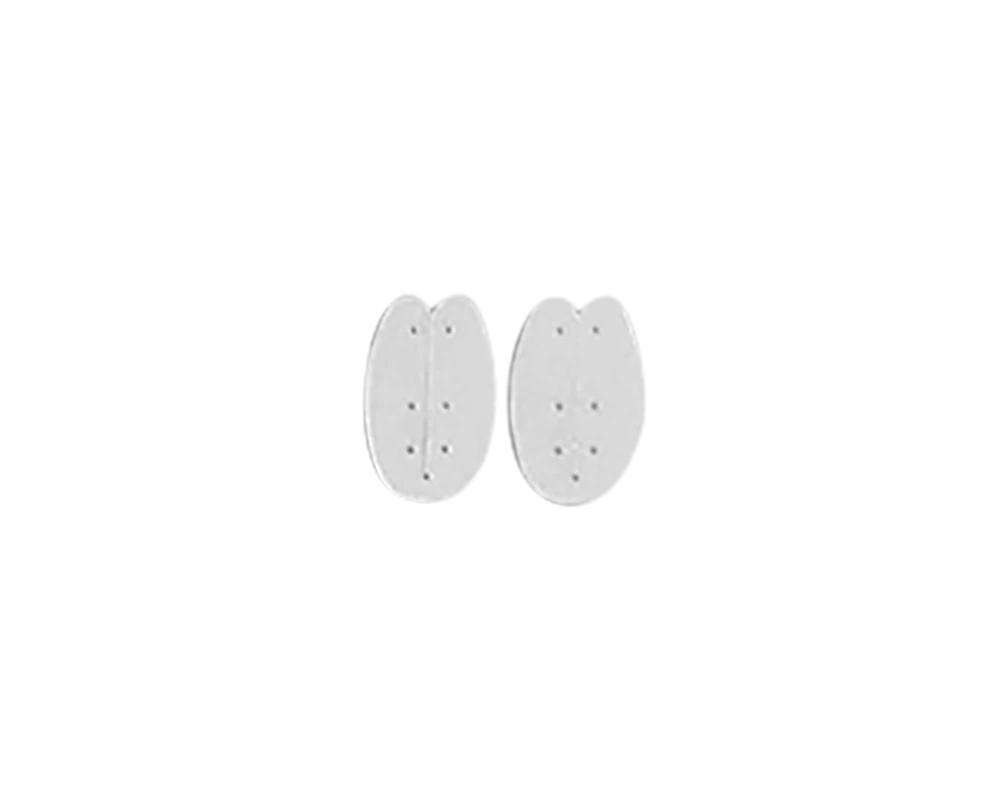
Bivalve Internal Nasal Splints for Post Operative Nasal Stabilization
Bivalve Internal Nasal Splints are designed to provide reliable internal support following nasal surgery where septal stabilization and airway protection are critical 👃🩺. These splints are commonly used after septoplasty, rhinoplasty, septorhinoplasty, and functional sinus procedures to help maintain septal alignment while healing occurs.
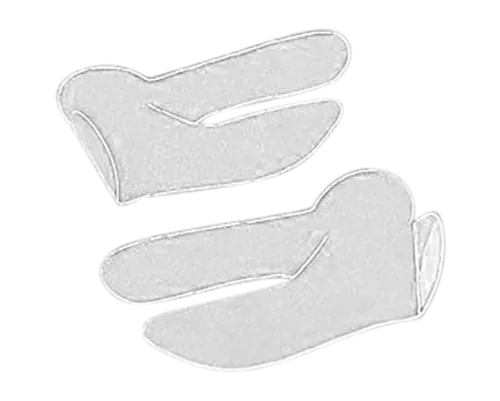
The bivalve configuration allows balanced bilateral support along the septum, reducing internal tissue contact and helping prevent post operative adhesions. Surgeons performing internal nasal splint placement after septoplasty often rely on bivalve designs to deliver consistent stabilization without excessive pressure on delicate mucosa 🌬️.
Material Design and Clinical Performance
These bivalve internal nasal splints are manufactured from 100% fluoroplastic, a smooth non reactive material selected for its durability and patient comfort 🧪. The fluoroplastic surface helps reduce friction against healing tissue and supports easy removal during follow up visits, which is especially important in busy ENT and facial plastic surgery practices.
Because fluoroplastic does not absorb moisture, the splints maintain structural integrity throughout the post operative period. This makes them suitable for internal nasal splints used after rhinoplasty and septal reconstruction procedures where consistent internal support is required.
Use After Septoplasty and Functional Nasal Surgery
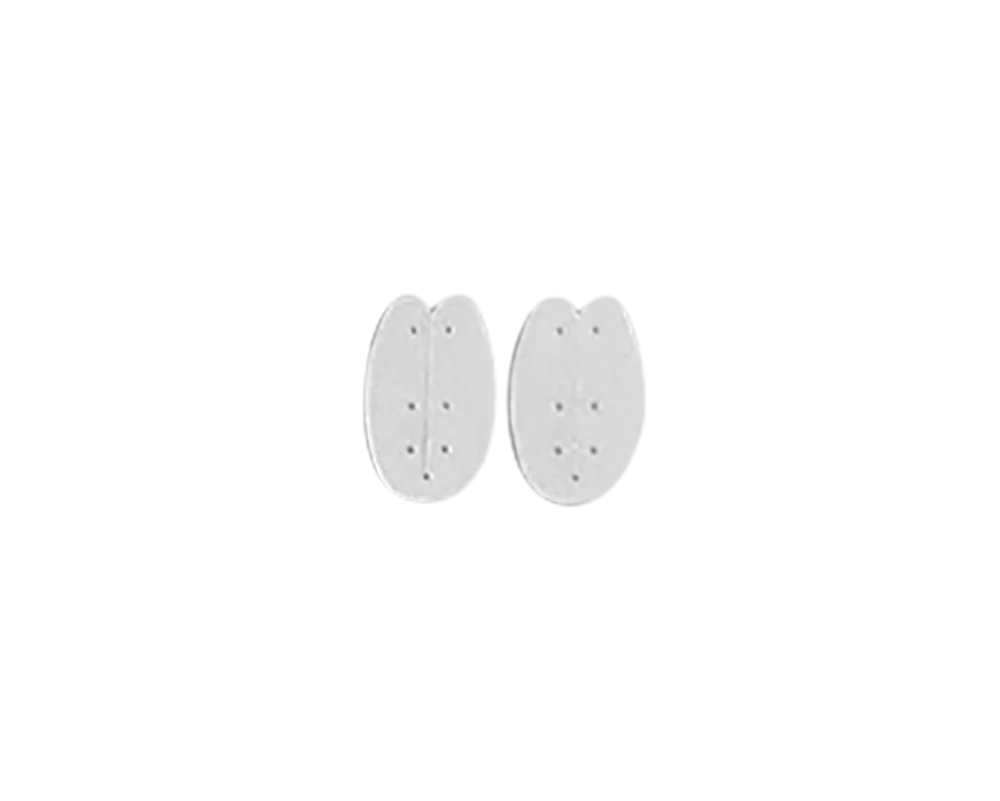
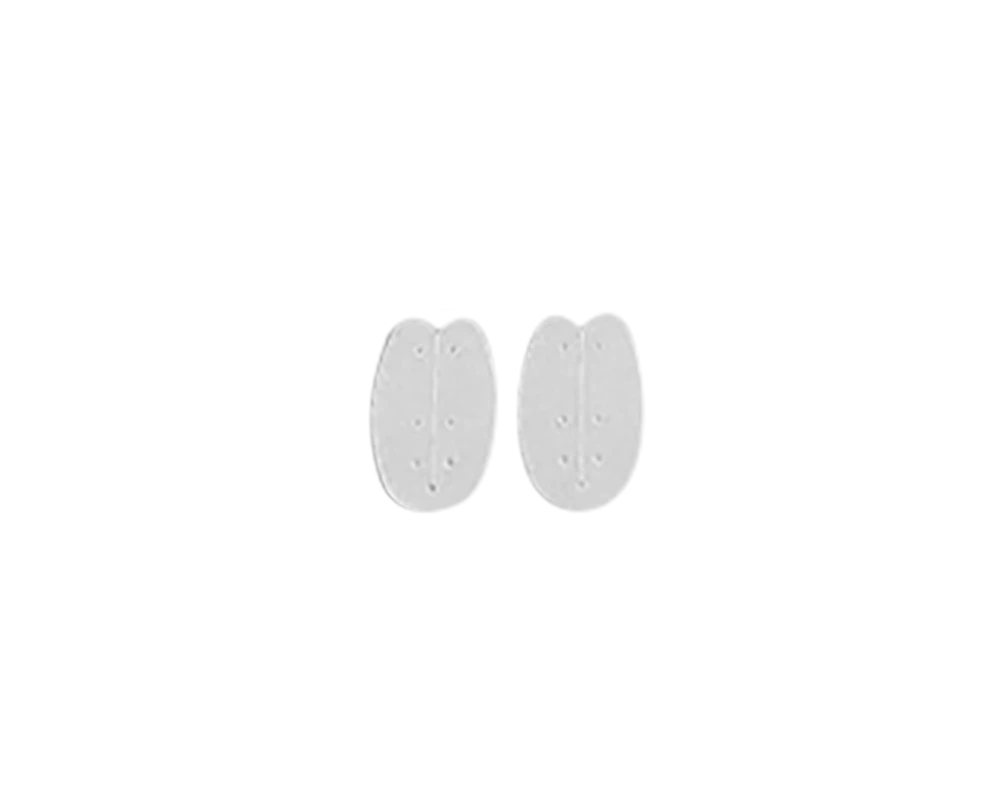
In septoplasty cases, bivalve internal nasal splints are used to stabilize repositioned cartilage and bone while maintaining the midline septal position 🦴. Surgeons performing nasal septal repair frequently select bivalve splints with pre cut suture holes to allow secure fixation and predictable placement.
Internal nasal splints for septoplasty using a bivalve design help reduce the risk of septal shift, minimize internal scarring, and support airway patency during the healing process. This makes them a reliable choice for functional nasal surgery focused on long term breathing outcomes 🌬️.
Application in Rhinoplasty and Septorhinoplasty
Bivalve internal nasal splints are also widely used after rhinoplasty and septorhinoplasty procedures where both cosmetic and functional corrections are performed 👃✨. Maintaining internal symmetry is essential to support external aesthetic results while protecting refined cartilage structures.
Facial plastic surgeons performing internal nasal splint placement after rhinoplasty often prefer bivalve splints because they provide firm yet controlled internal support without obstructing airflow. This balance helps improve patient comfort while preserving surgical results during the early recovery phase 🌸.
Sizes Thickness Options and Secure Placement
These bivalve internal nasal splints are available in two sizes, Standard and Large, allowing surgeons to select the appropriate fit based on patient anatomy. Two thickness options, .25mm and .50mm, provide flexibility in choosing the level of rigidity needed for different surgical indications.
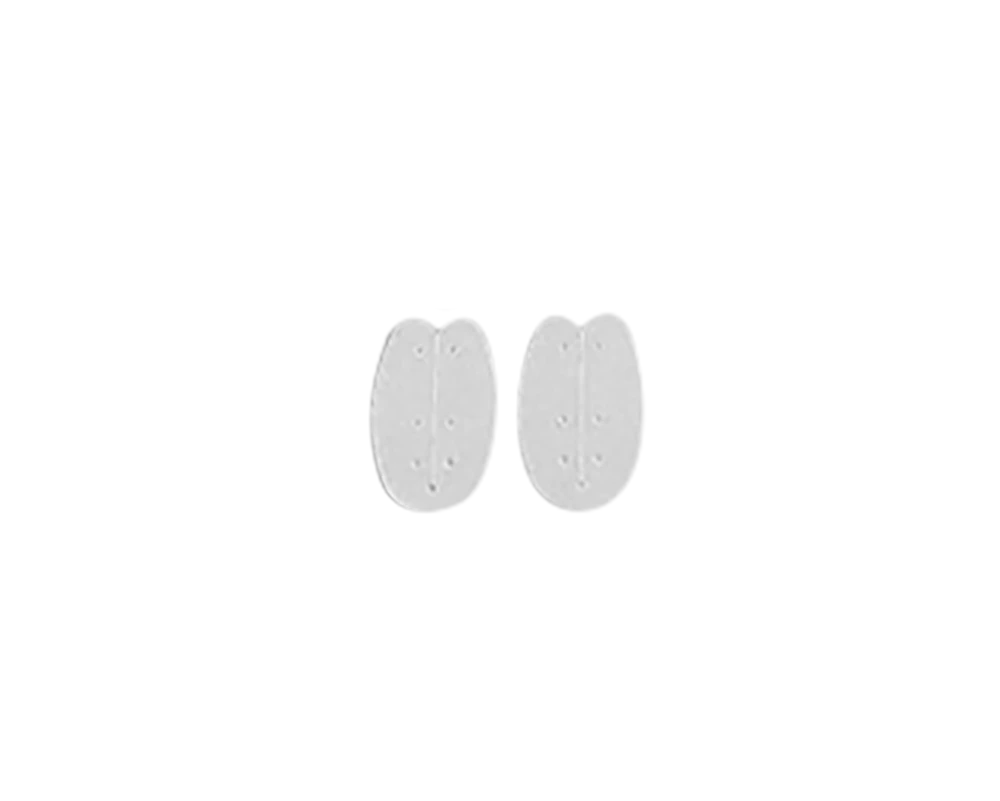
Each splint features pre cut holes designed specifically for suture placement, supporting secure fixation during insertion. This is particularly useful when using internal nasal splints with sutures for septal stabilization in more complex or revision nasal surgery cases 🧵.
Packaging Options for Clinical Efficiency
Bivalve Internal Nasal Splints are available in boxes of 5 or boxes of 10, making them suitable for both individual procedures and ongoing surgical inventory management 📦. This flexibility supports outpatient surgical centers, hospital operating rooms, and private practices that perform a high volume of nasal procedures.
A Reliable Internal Nasal Splint for ENT and Plastic Surgery Practices
By combining a proven bivalve design with durable fluoroplastic construction, these internal nasal splints offer dependable performance across a wide range of nasal surgeries. Surgeons using bivalve internal nasal splints for post operative nasal support benefit from predictable stabilization, efficient placement, and improved patient comfort throughout recovery 🏥✅.
Request a Quote
⬆️ Scroll back to the top of the page to review our Bivalve Internal Nasal Splint options and select the size thickness and packaging configuration that best fits your surgical needs 👃🩺. When you’re ready, request a quote to equip your practice with reliable internal nasal splints designed for consistent performance and patient comfort 📩📦.