Description
Clinical Uses of Bruns Bone Curettes and Epstein Bone Curettes 🦴🔬
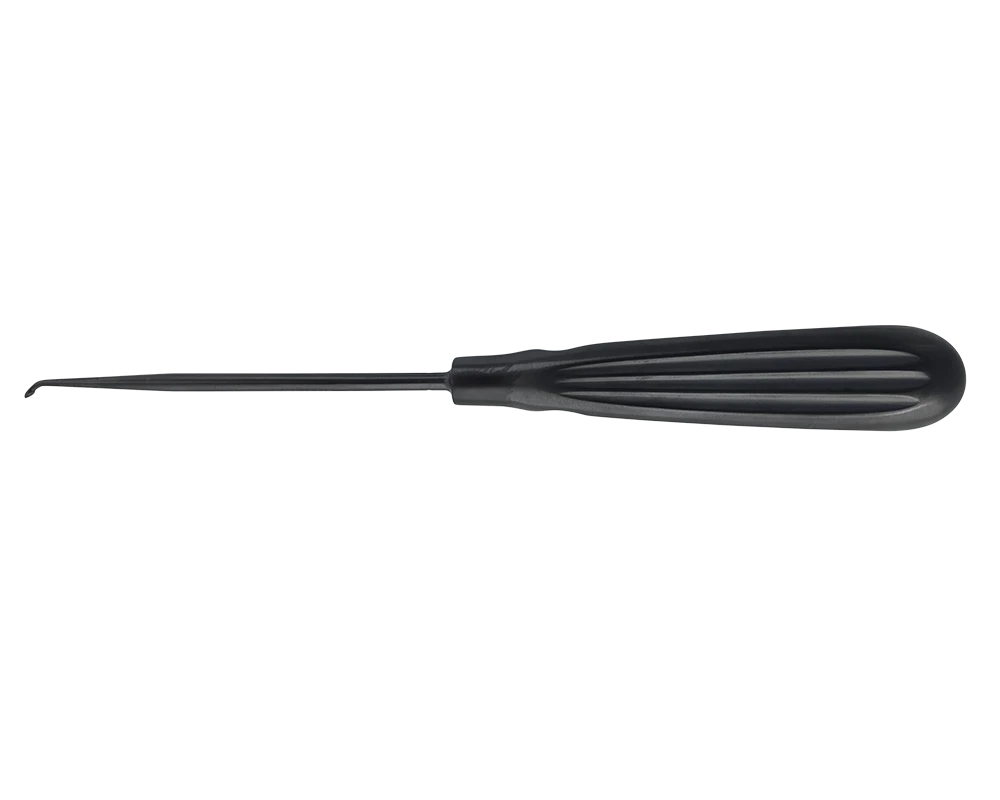
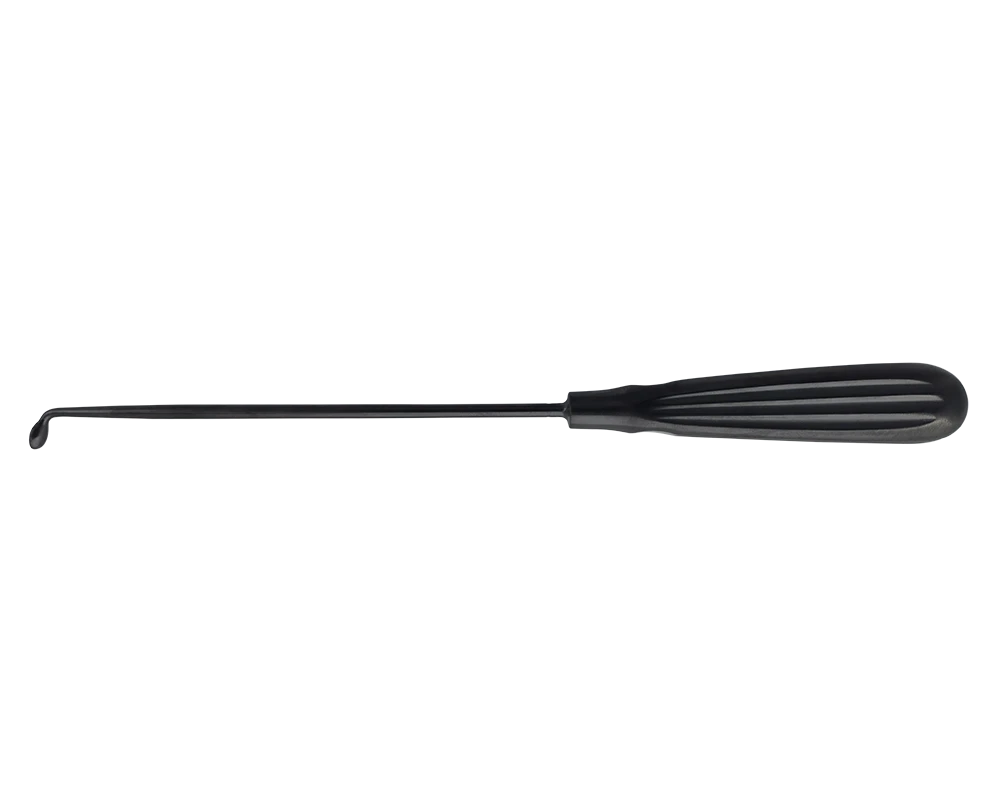
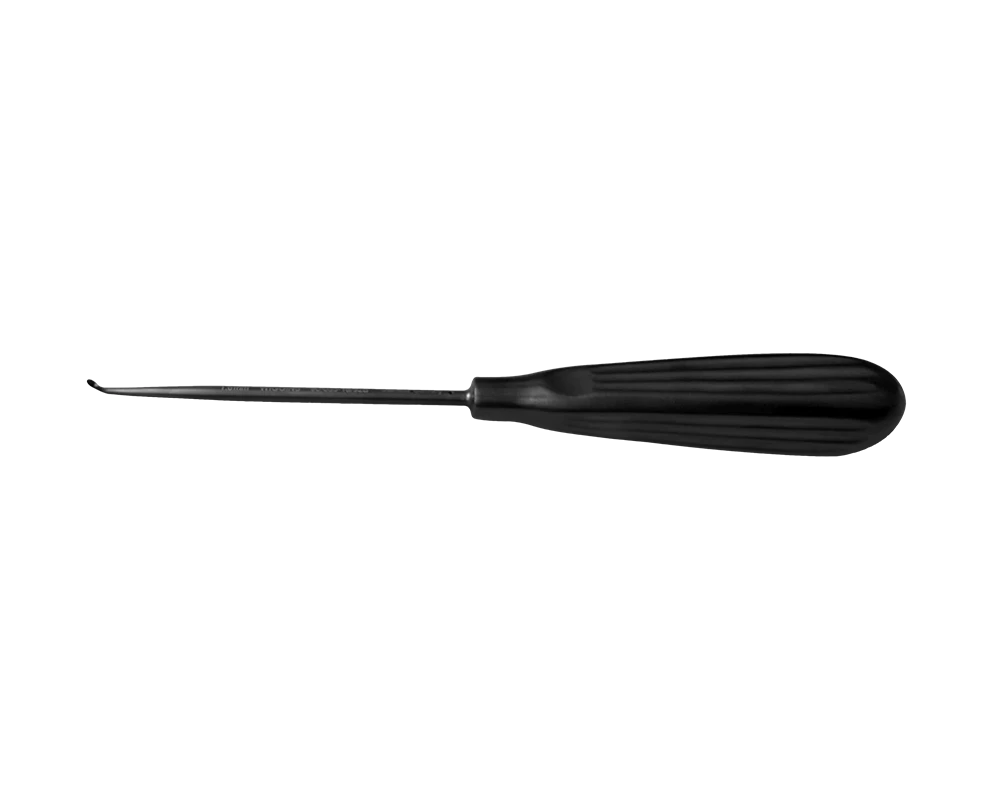
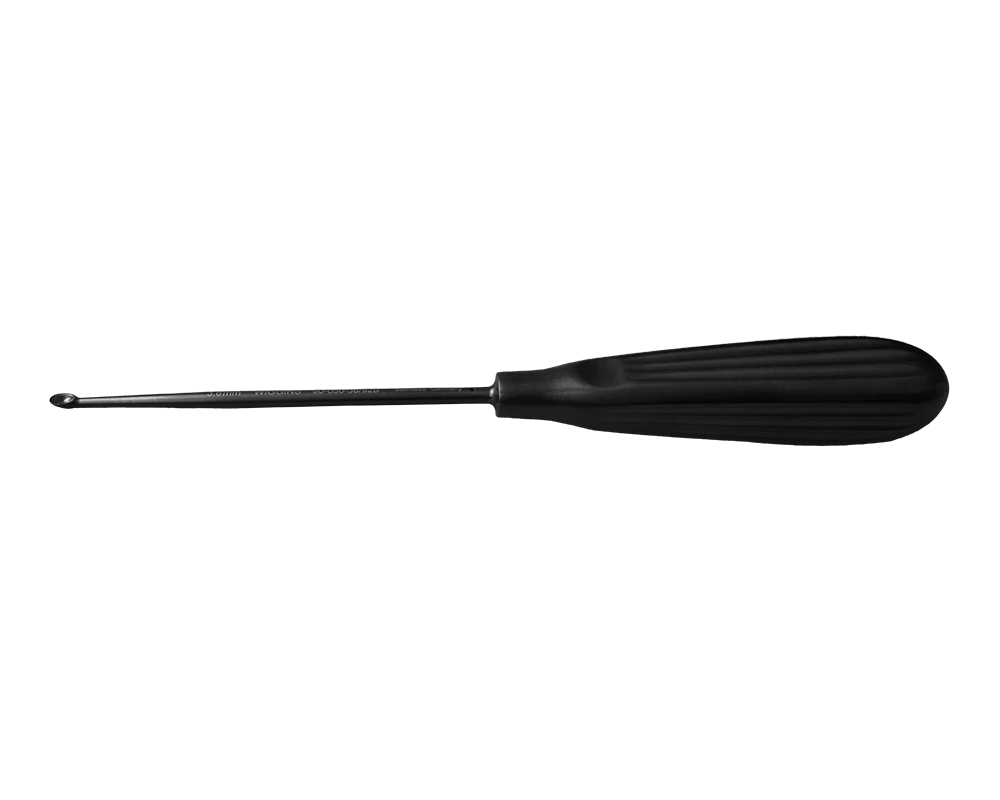
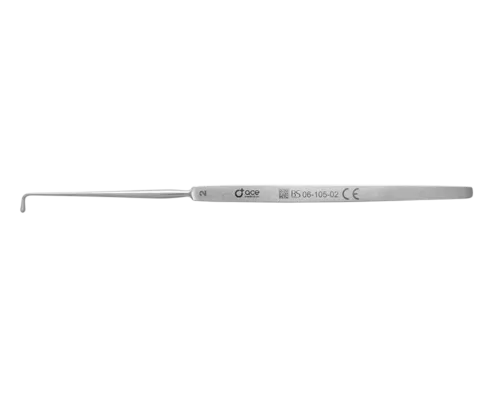
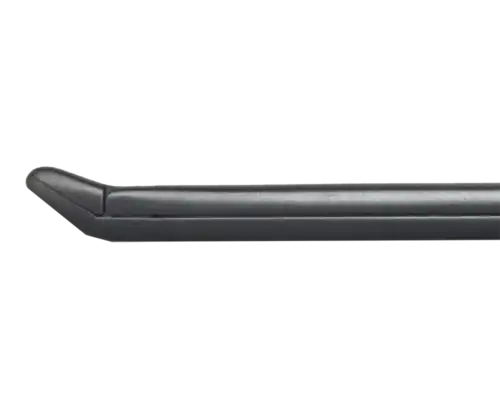
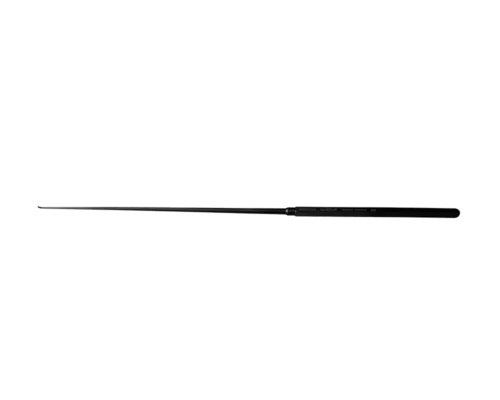
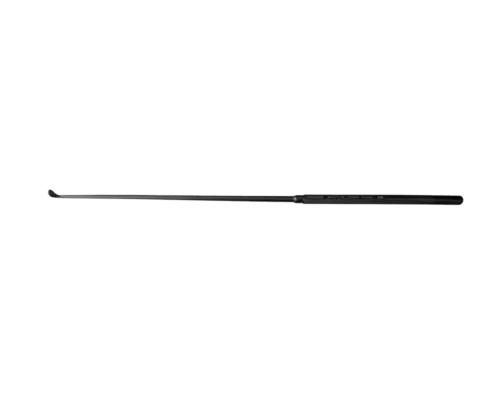
Bruns bone curettes, also widely known as Epstein bone curettes, are precision surgical instruments used for controlled bone scraping, debridement, and contouring across a wide range of surgical specialties. These curettes are designed to remove cancellous bone, pathological tissue, and residual debris in areas where precision and tactile control are essential. Because Bruns bone curettes and Epstein bone curettes share the same functional design, the two terms are often used interchangeably in surgical practice, literature, and instrument catalogs.
In spine surgery, Bruns bone curettes are commonly used during decompression procedures to carefully remove residual bone after rongeur or burr work has been completed. Surgeons rely on Epstein bone curettes for fine bone removal along the lamina, facet joints, and vertebral bodies, particularly when working close to neural structures where aggressive instruments may pose risk 🧠. The ability to scrape bone incrementally allows surgeons to refine decompression while maintaining excellent tactile feedback.
Use of Bruns Bone Curettes in Spine and Neurosurgical Procedures 🧠
Bruns bone curettes for spine surgery are frequently used in procedures such as laminectomy, laminotomy, and spinal decompression. After larger bone segments are removed, Epstein bone curettes allow surgeons to smooth remaining bone edges, remove hypertrophic bone, and prepare surfaces near the spinal canal. Their controlled scraping action supports precise bone removal without excessive force, making them valuable tools in posterior spine surgery and neurosurgical applications.
In neurosurgery, Epstein bone curettes are used to remove thin layers of bone and pathological material in confined operative fields. These curettes are especially useful when working near the dura or nerve roots, where careful bone removal is required to avoid unintended injury. The availability of multiple cup sizes allows surgeons to match the instrument to the delicacy of the task, from fine debridement to broader bone contouring 🔍.
Bruns Bone Curettes for Fine Bone Removal
The small cup sizes of Bruns bone curettes are often selected for delicate neurosurgical work where controlled bone scraping is essential. These instruments provide predictable engagement and smooth handling in narrow surgical corridors.
Orthopedic Applications of Epstein Bone Curettes 🦴
Epstein bone curettes are widely used in orthopedic surgery for bone debridement, lesion removal, and surface preparation. In orthopedic procedures, these curettes assist in removing cancellous bone, cleaning bony defects, and preparing surfaces for grafting or fixation. Their design allows surgeons to remove unwanted bone gradually while maintaining precise control over depth and direction.
Bruns bone curettes are also used during joint procedures and trauma surgery to clear bone fragments, remove necrotic tissue, and prepare bone beds for reconstruction. The ability to select different cup sizes and orientations supports access to irregular surfaces and confined anatomical regions 🏥.
ENT and Maxillofacial Uses of Bruns Bone Curettes 🦷
In ENT and maxillofacial surgery, Bruns bone curettes are used for controlled removal of bone and tissue in areas where visibility and access are limited. Epstein bone curettes are commonly employed to scrape bone surfaces, remove granulation tissue, and refine bony structures during sinus, nasal, and facial procedures.
Their ergonomic design and smooth scraping action allow surgeons to work efficiently while minimizing trauma to surrounding soft tissue. The availability of different working end orientations supports angled access in anatomically complex regions of the head and neck 🔬.
Surgical Applications and Technique Considerations 🧠
Bruns bone curettes for spinal decompression are valued for their ability to remove residual bone while preserving surrounding anatomy. Epstein bone curettes for neurosurgical bone removal are often chosen when surgeons require fine control near delicate structures. In orthopedic bone debridement, Bruns bone curettes provide reliable performance for surface preparation and lesion cleanup.
Surgeons performing posterior spine surgery often use Bruns bone curettes to refine decompression zones after rongeur use. In cases involving spinal stenosis or hypertrophic bone, Epstein bone curettes help contour bony surfaces to achieve adequate neural decompression while maintaining precision.
Instrument Design Supporting Clinical Versatility ⚙️
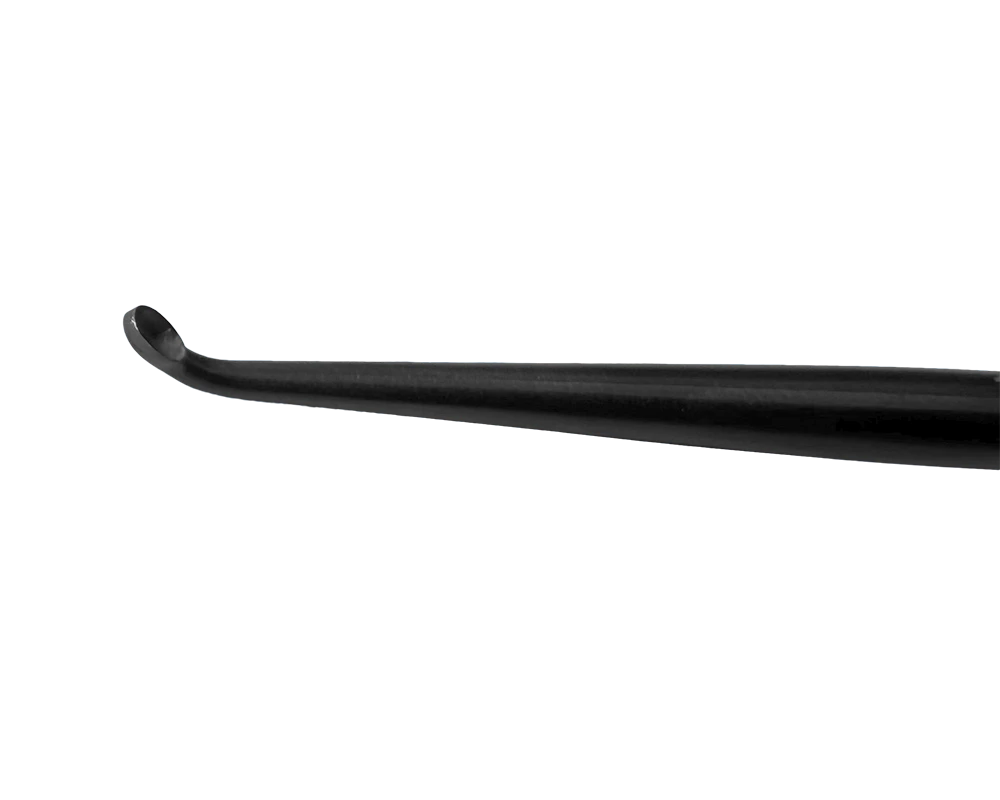
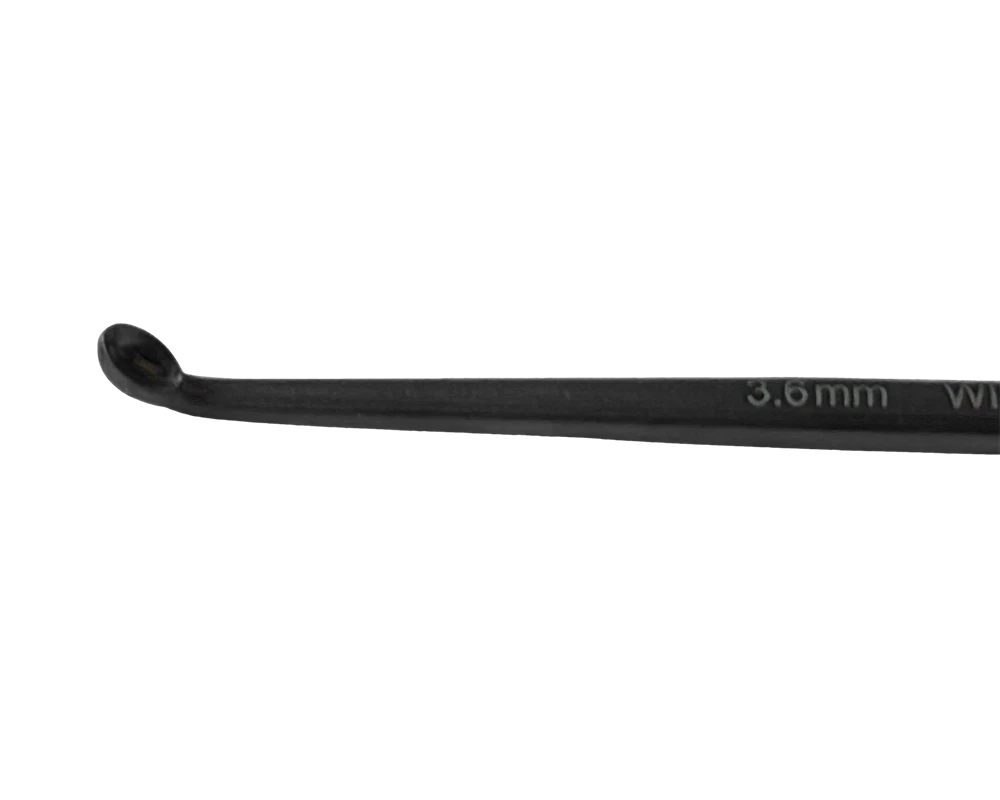
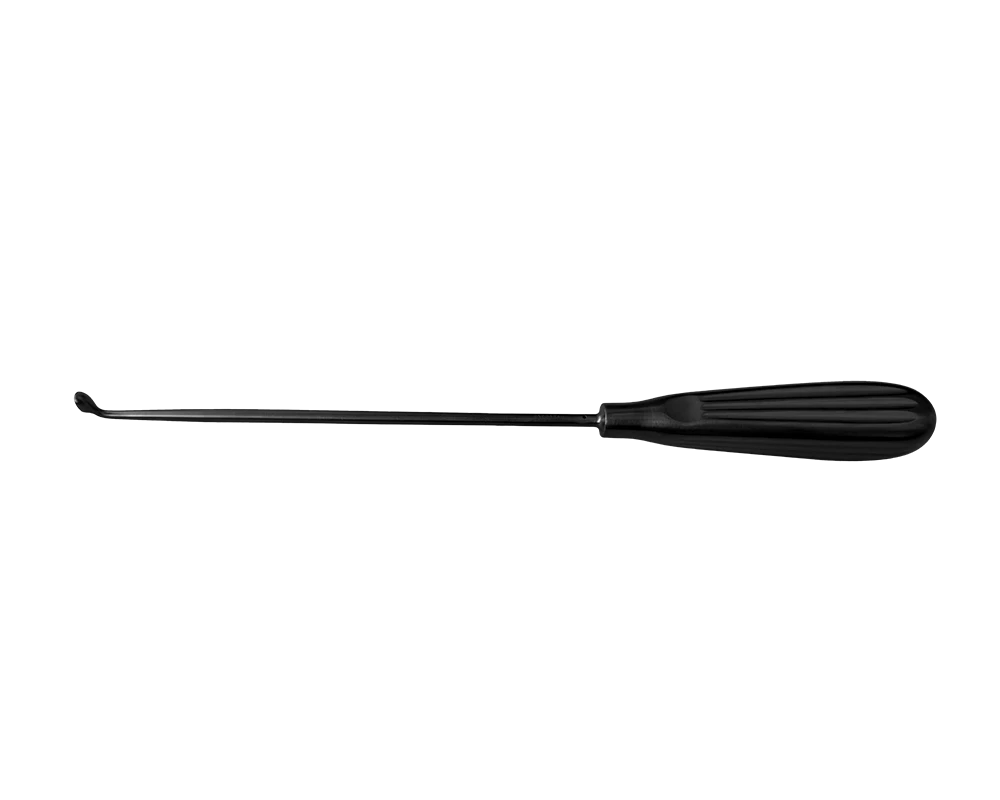
Bruns and Epstein bone curettes are available in multiple lengths, cup sizes, and orientations to support diverse surgical techniques. Longer lengths provide additional reach in deep operative fields, while shorter lengths offer enhanced control in confined spaces. Cup size selection allows surgeons to scale bone removal from fine scraping to broader debridement.
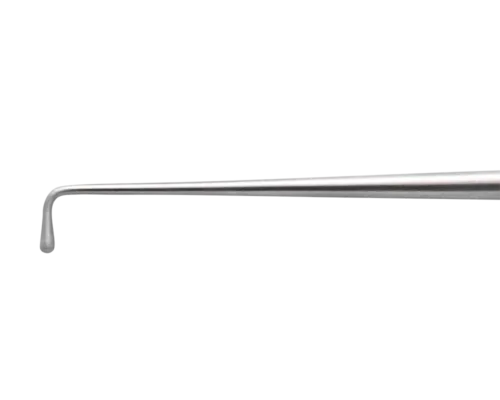
Different working end orientations allow access to angled surfaces and challenging anatomical regions without compromising ergonomics. This versatility makes Bruns bone curettes and Epstein bone curettes essential components of surgical instrument sets across multiple specialties 🏥.
Why Surgeons Choose Bruns and Epstein Bone Curettes ✨
Surgeons select Bruns bone curettes and Epstein bone curettes for their precision, control, and adaptability. These instruments support meticulous bone removal in procedures where accuracy directly impacts outcomes. Their consistent performance and tactile feedback allow surgeons to work confidently in sensitive areas, making them indispensable tools in spine surgery, neurosurgery, orthopedics, ENT, and maxillofacial procedures.
By offering controlled bone scraping and debridement across a wide range of clinical applications, Bruns bone curettes and Epstein bone curettes continue to be trusted instruments for surgeons who demand reliability and precision in every case 🦴🔬.