Description
Laminectomy Dissectors for Precision Spine Surgery 🧠🔬
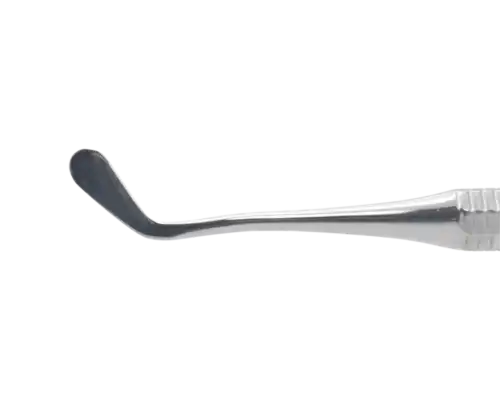
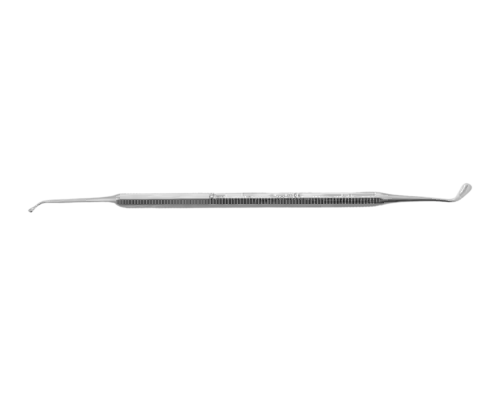
Laminectomy dissectors are essential instruments used throughout spine surgery procedures where careful tissue separation, nerve protection, and controlled anatomical exposure are required. During laminectomy and decompression procedures, surgeons rely on laminectomy dissectors to gently mobilize soft tissue, identify neural structures, and maintain safe working planes before and after bone removal. These instruments are designed to provide tactile feedback and precision in areas where accuracy directly impacts patient outcomes.
In posterior spine surgery, dissectors help establish clear access to the lamina, ligamentum flavum, and surrounding structures. Before rongeurs, curettes, or Kerrison instruments are introduced, dissectors are used to define tissue planes and reduce resistance. This controlled preparation supports safer decompression and minimizes unintended stress on nerve roots and the dura 🧠.
Role of Dissectors in Decompression Procedures 🦴
During laminectomy procedures, dissectors are frequently used to separate ligamentous tissue from underlying bone and neural elements. This step is critical when preparing to remove laminar bone or hypertrophic tissue contributing to spinal stenosis. By gently elevating and mobilizing tissue, dissectors help surgeons visualize the operative field and plan precise bone removal.
In spinal decompression surgery, dissectors are also used to palpate and confirm anatomical landmarks. This tactile confirmation helps surgeons assess the extent of compression and identify safe zones for further instrument use. The controlled probing action provided by these dissectors supports deliberate, step by step surgical progression 🏥.
Laminectomy Dissectors for Nerve Identification and Protection
One of the most important applications of laminectomy dissectors is nerve identification and protection. During posterior spine surgery, nerve roots and the dura may be obscured by soft tissue or ligament. Dissectors allow surgeons to gently retract and define these structures, reducing the risk of unintended contact during bone removal. This makes laminectomy dissectors indispensable tools in procedures where neural safety is paramount 🧠.
Procedure Based Applications of Laminectomy Dissectors 🔬
Laminectomy dissectors are used across a range of spine procedures, including lumbar laminectomy, cervical decompression, thoracic spine surgery, and revision cases. In lumbar spine surgery, dissectors assist with tissue mobilization around the lamina and facet joints. In cervical procedures, where anatomy is tighter and structures are more delicate, micro dissectors and nerve hooks provide the fine control required for safe manipulation.
In thoracic spine surgery, laminectomy dissectors help navigate deeper operative fields and assist with tissue separation before bone removal. Their controlled design supports access in anatomically challenging regions while maintaining surgeon confidence and stability 🦴.
Versatility of Styles in Laminectomy Dissectors 🧠
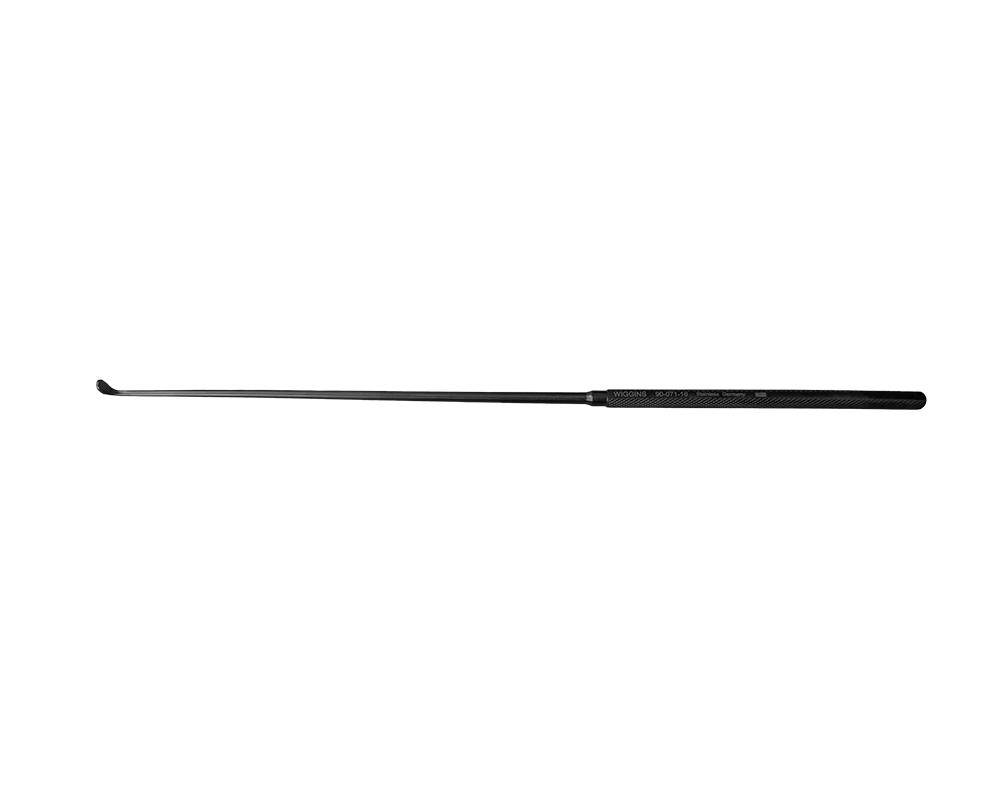
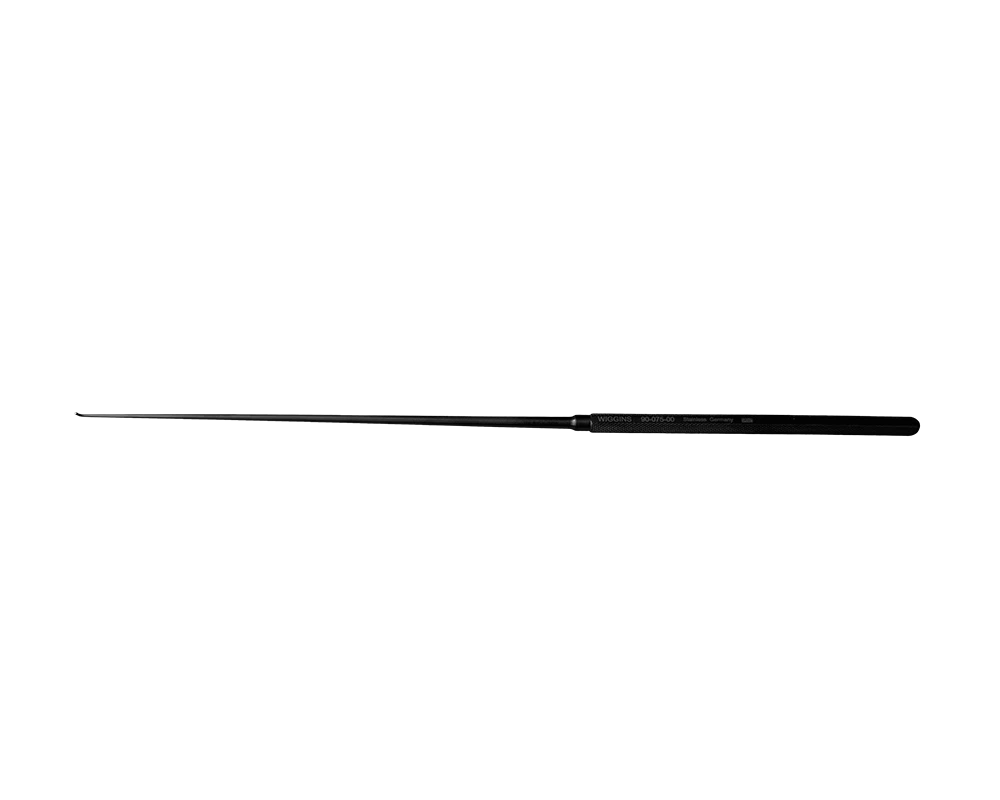
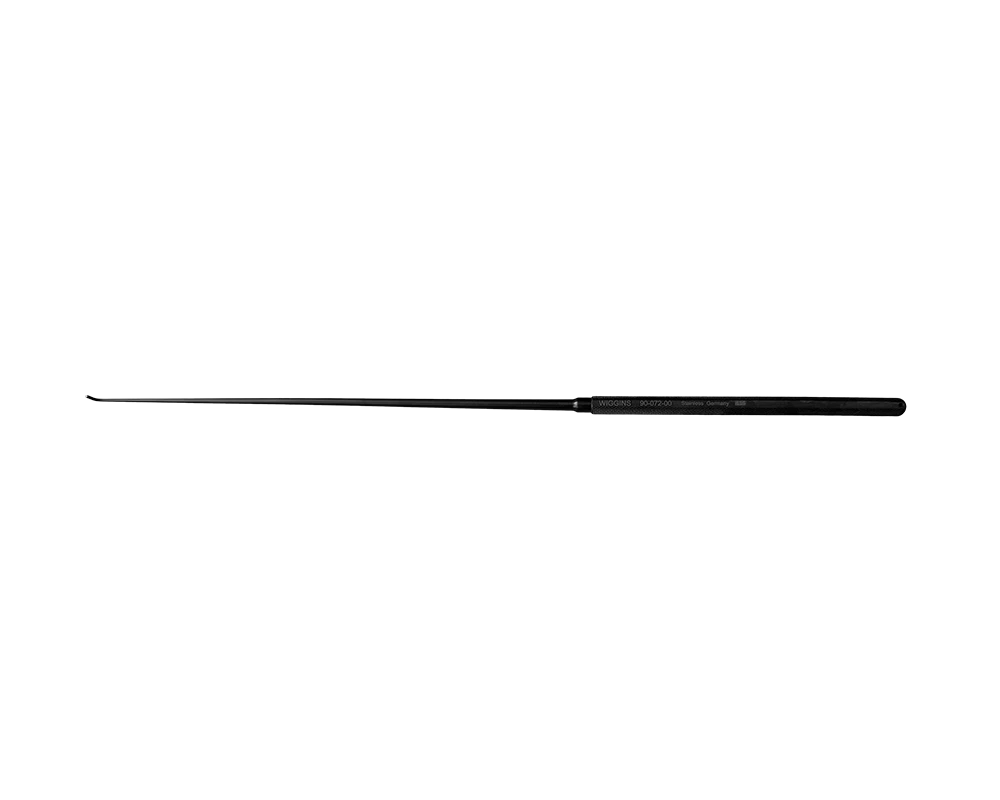
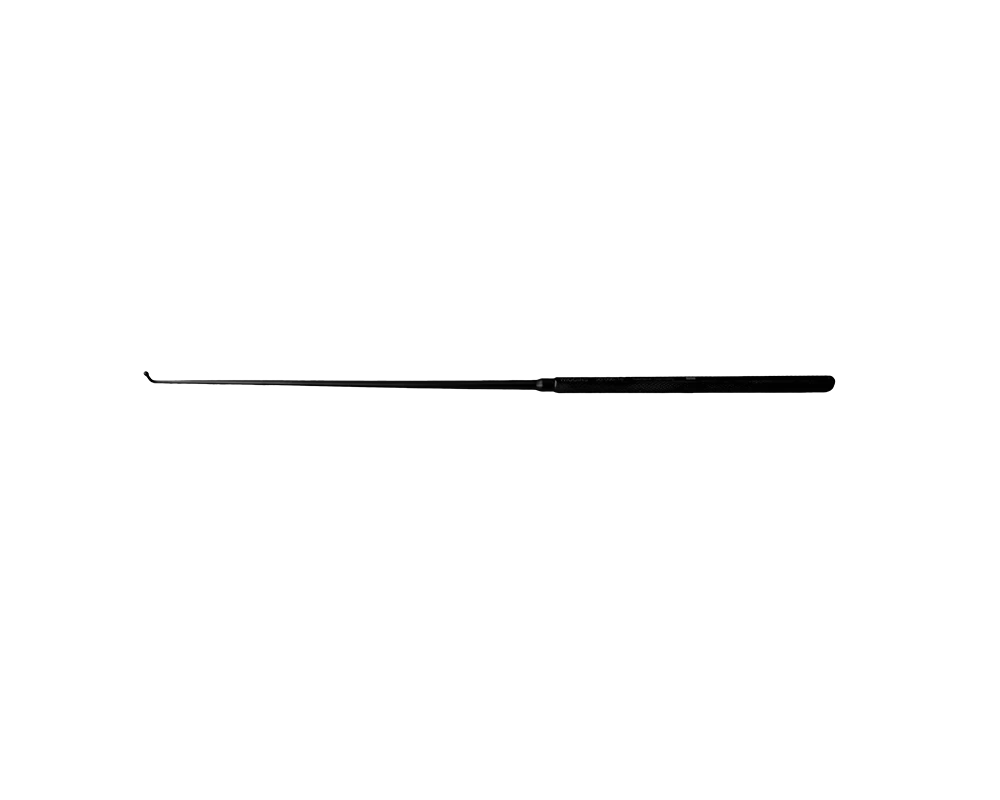
Different surgical scenarios call for different dissector styles. Micro nerve hook laminectomy dissectors are often selected for delicate nerve root work and fine tissue separation near the dura. Standard nerve hook dissectors provide slightly broader engagement for controlled retraction and guidance around neural structures.
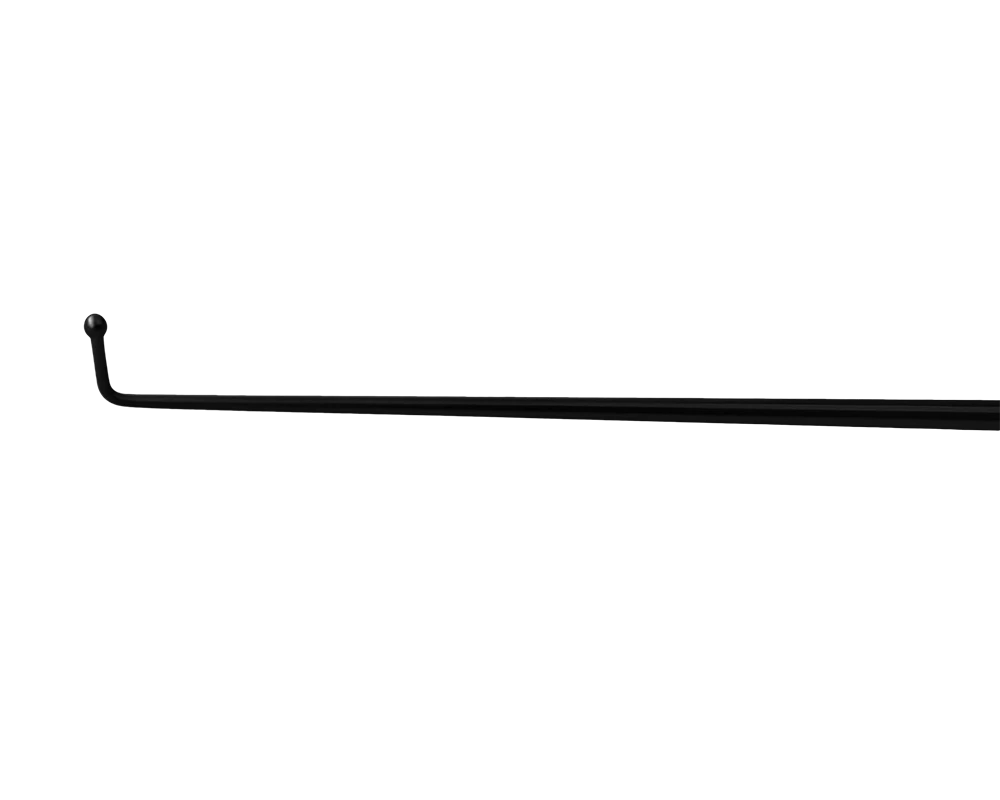
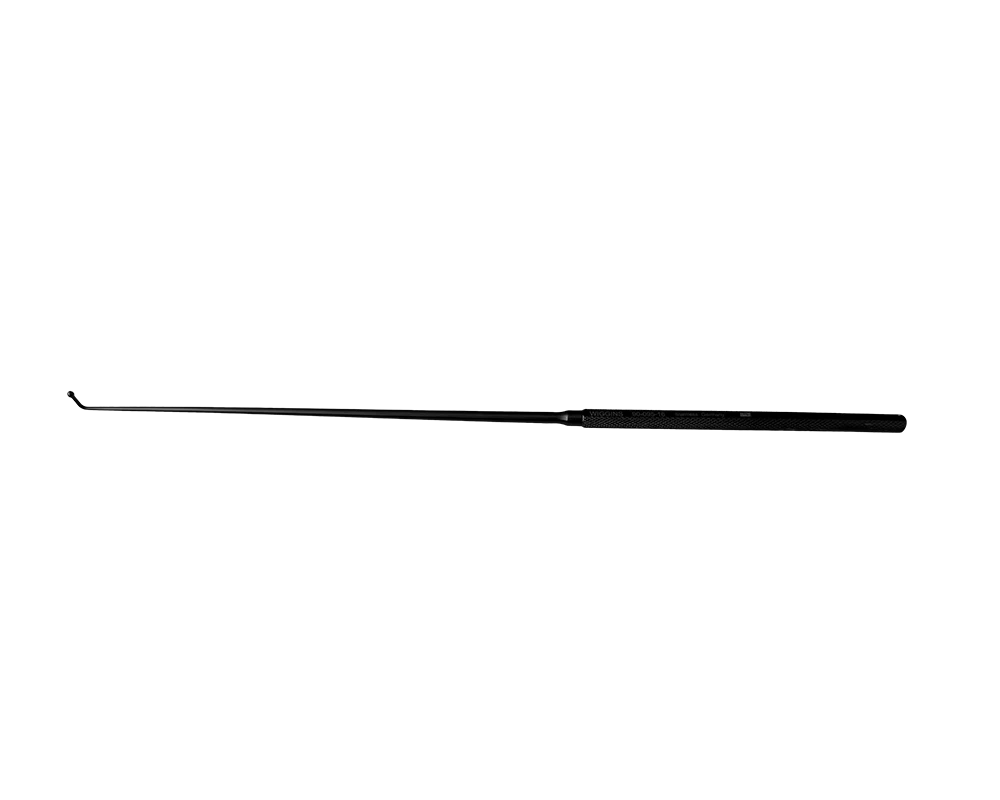
Dissector probes are used to explore tissue planes and confirm anatomical pathways before advancing other instruments. Ball probe dissectors, available in both long and short configurations, offer smooth, rounded tips that allow gentle tissue mobilization without sharp edges. The long ball probe supports deeper access, while the short ball probe provides enhanced control in shallow or confined spaces 🔍.
Laminectomy Dissectors in Revision and Complex Spine Surgery 🏥
Revision spine surgery often presents additional challenges due to scar tissue and altered anatomy. Laminectomy dissectors are especially valuable in these cases, allowing surgeons to carefully separate fibrotic tissue and re identify anatomical landmarks. Their controlled action supports safer re entry into surgical planes and reduces the risk of complications during complex decompression procedures.
In cases of severe spinal stenosis or multilevel decompression, laminectomy dissectors help maintain orientation and protect neural structures throughout prolonged procedures. Their role extends beyond initial exposure, supporting ongoing tissue management as the procedure progresses 🧠.
Ergonomics and Control in Laminectomy Dissectors ✨
Laminectomy dissectors are designed to provide ergonomic handling and balanced control during extended procedures. Comfortable grip and predictable response help reduce hand fatigue while maintaining precision. This is especially important during longer laminectomy procedures where sustained focus and steady instrument control are required.
Surgeons value laminectomy dissectors for their ability to transmit tactile feedback, allowing subtle assessment of tissue resistance and anatomical boundaries. This feedback enhances surgical confidence and supports safer, more efficient technique across a wide range of spine surgery applications 🦴🔬.
Why Laminectomy Dissectors Are Essential in Spine Instrument Sets 🏥
Laminectomy dissectors are foundational instruments in spine surgery sets because they support nearly every stage of decompression and exposure. From initial tissue separation to nerve protection and final inspection, these instruments enable surgeons to work methodically and safely in sensitive anatomical regions.
By providing controlled tissue handling, precise probing, and reliable nerve protection, laminectomy dissectors contribute directly to procedural success and patient safety. Their versatility across procedures and anatomy makes them indispensable tools for spine surgeons performing laminectomy and decompression procedures 🧠✨
👉 Scroll up to request a quote or explore package options.
Need help selecting the right set for your workflow? 👉 Contact us here.