
🔧 Precision Spine Surgery Starts with A Quality Forcep
In spine procedures, a quality forcep is indispensable instruments, they enable surgeons to securely grasp tissue, handle bone fragments, and manipulate delicate structures with precision. ACE Medical offers a comprehensive range of surgical forceps tailored for laminectomy and spine surgery, including Russian, tissue, Adson, Gerald, and specialized bayonet styles. Each instrument is crafted from premium German stainless steel to ensure exceptional durability, comfort, and control in demanding surgical environments.
Our Russian forcep, with their spoon-shaped tips, are ideal for gentle tissue handling, while a serrated tissue forcep offer a firm grip on delicate structures without causing trauma. Adson and Gerald forceps are designed for fine manipulation in tight spaces, delivering consistent performance in even the most complex spinal procedures.
Whether you’re performing a standard decompression or a multi-level fusion, ACE Medical’s spine instruments provide the precision and reliability your team needs to work efficiently and confidently, supporting safer outcomes and streamlined reprocessing in every case.
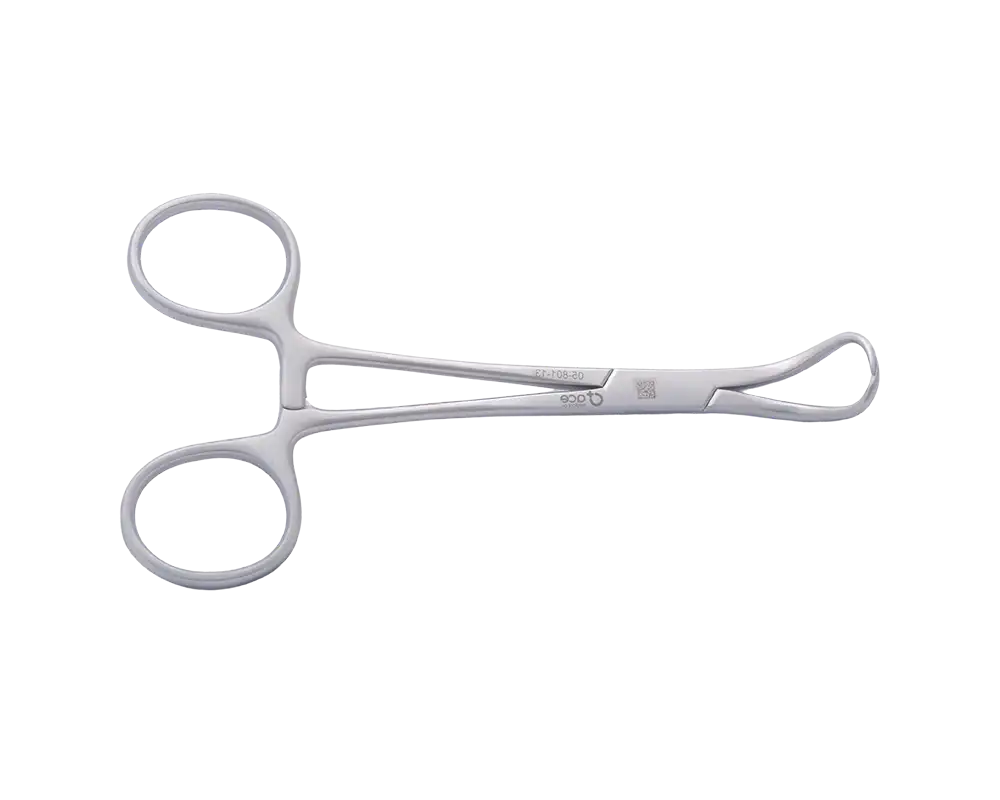
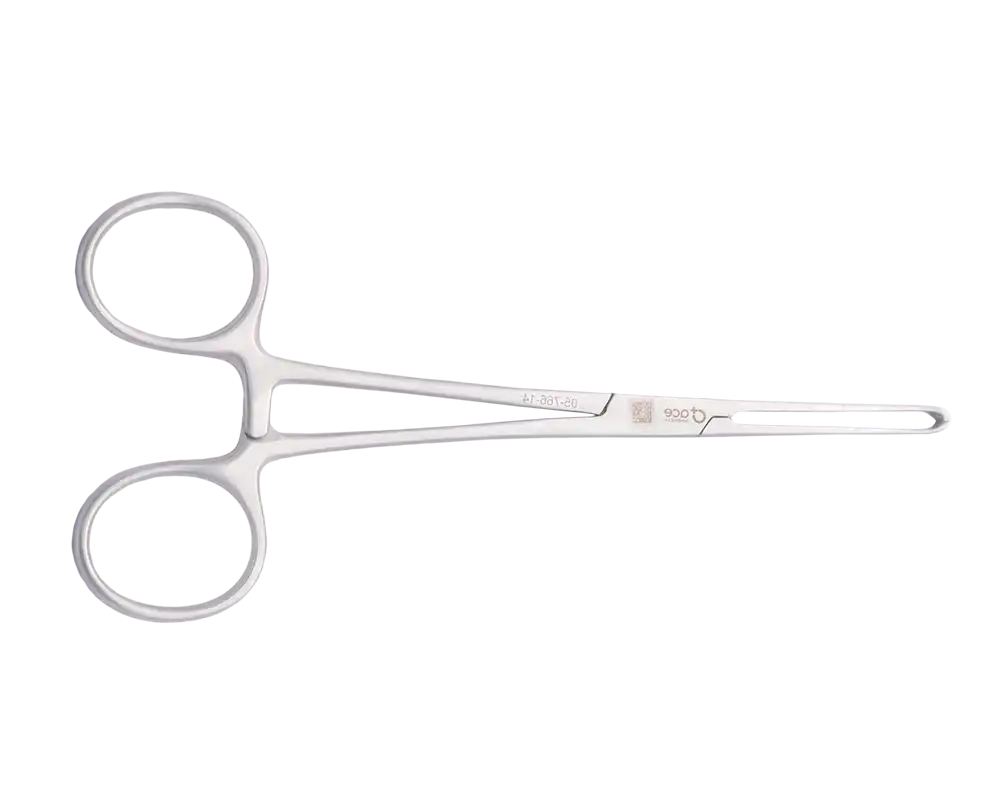
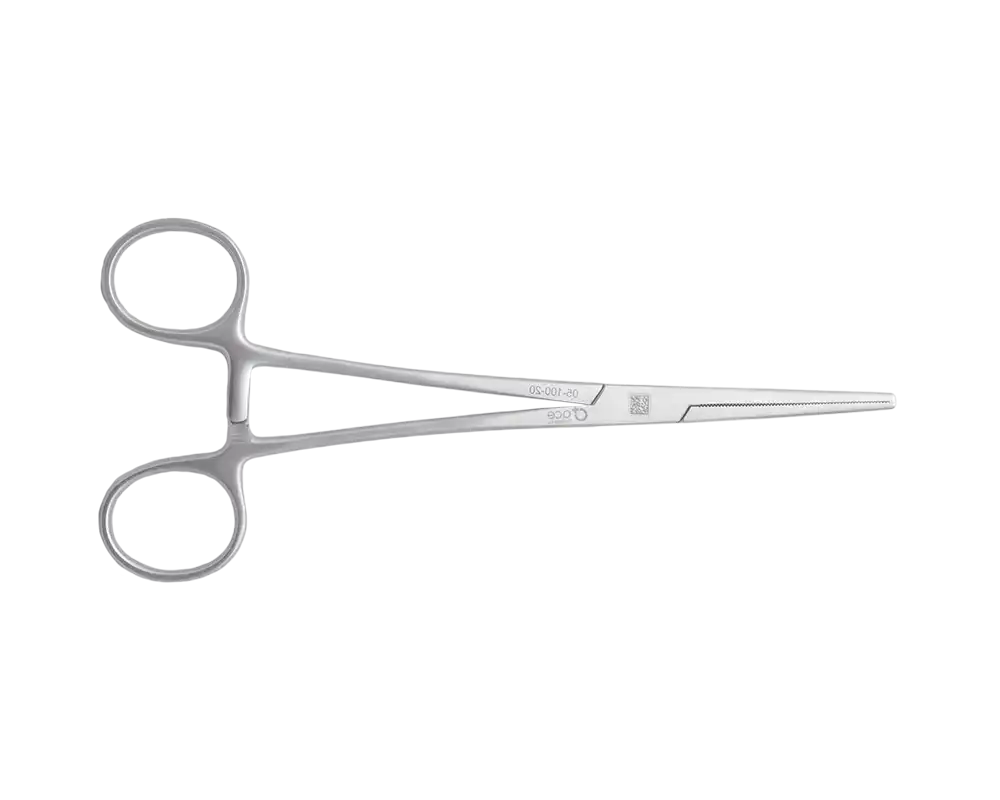
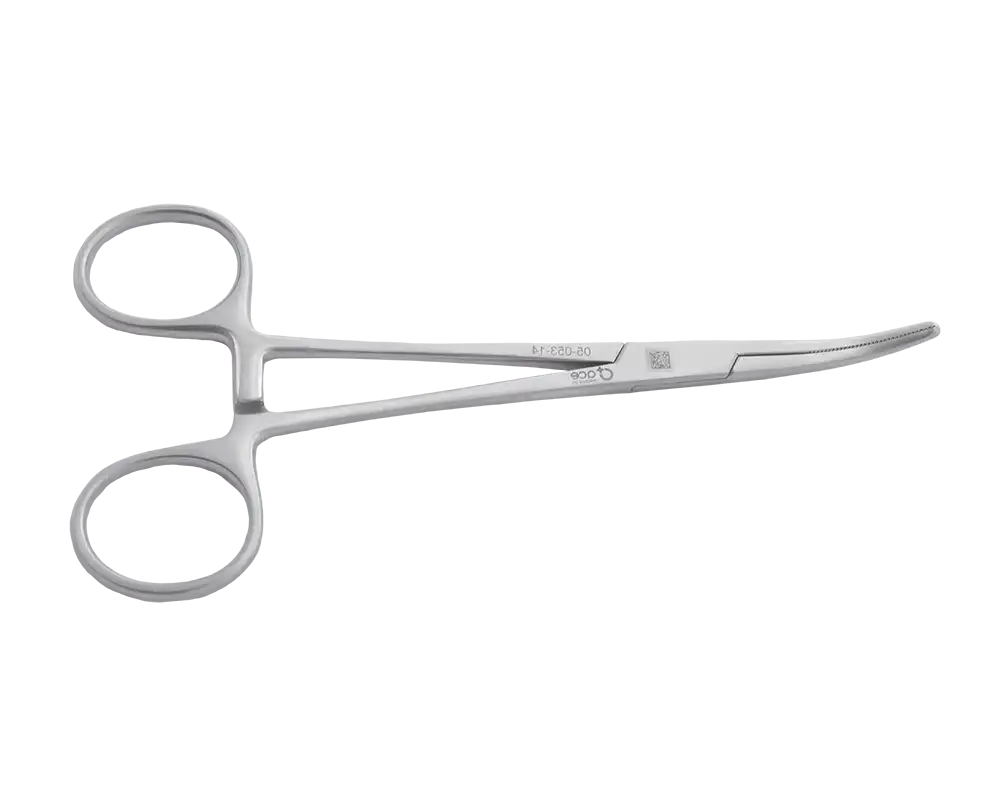
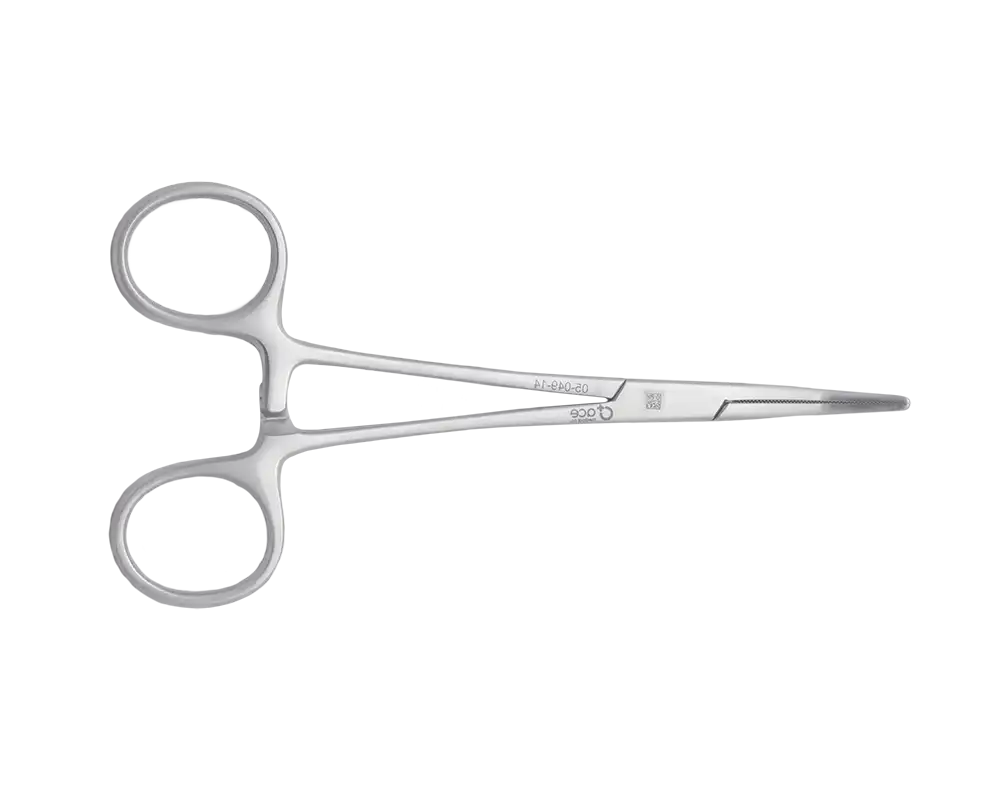
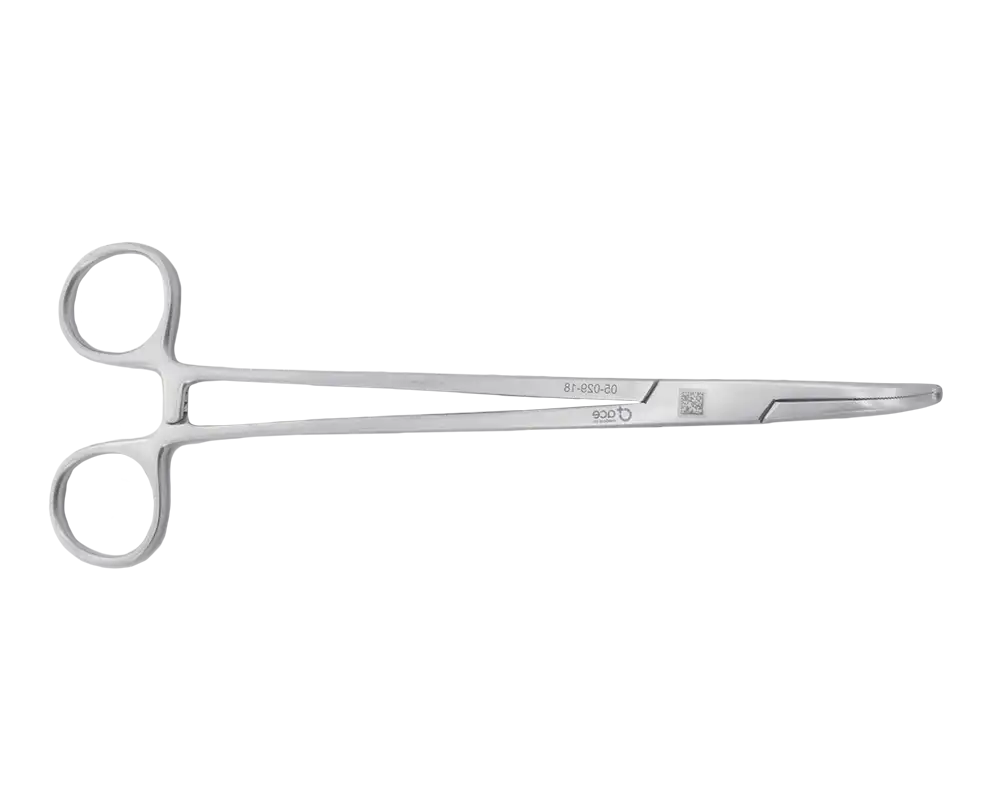
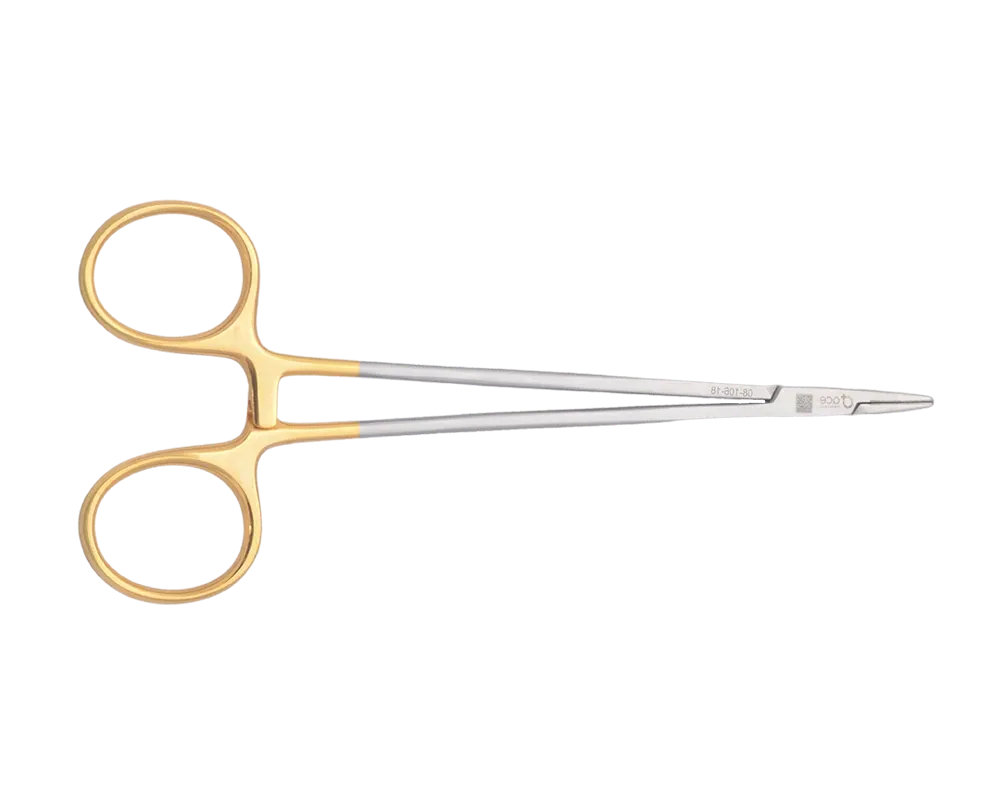
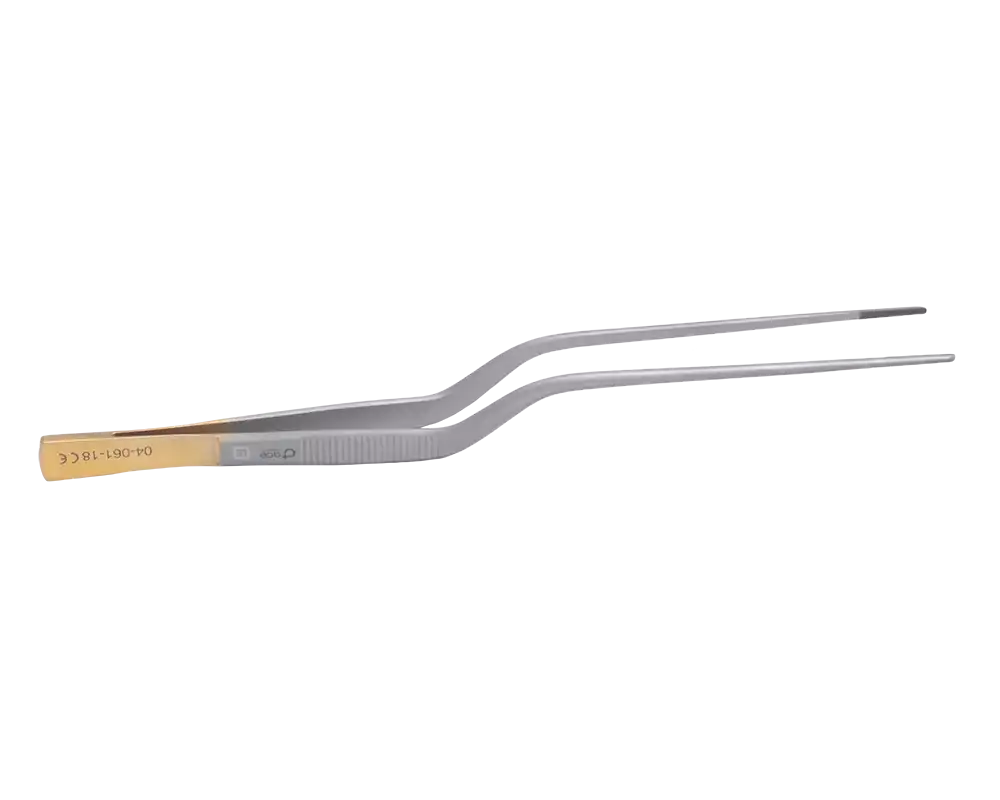
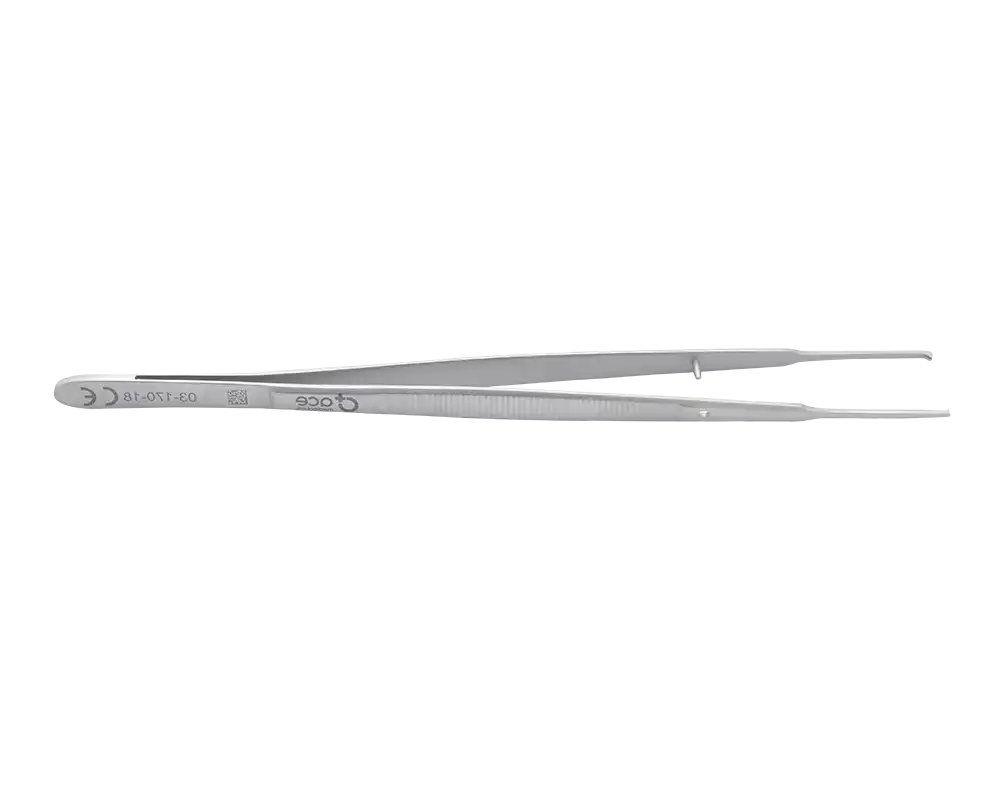
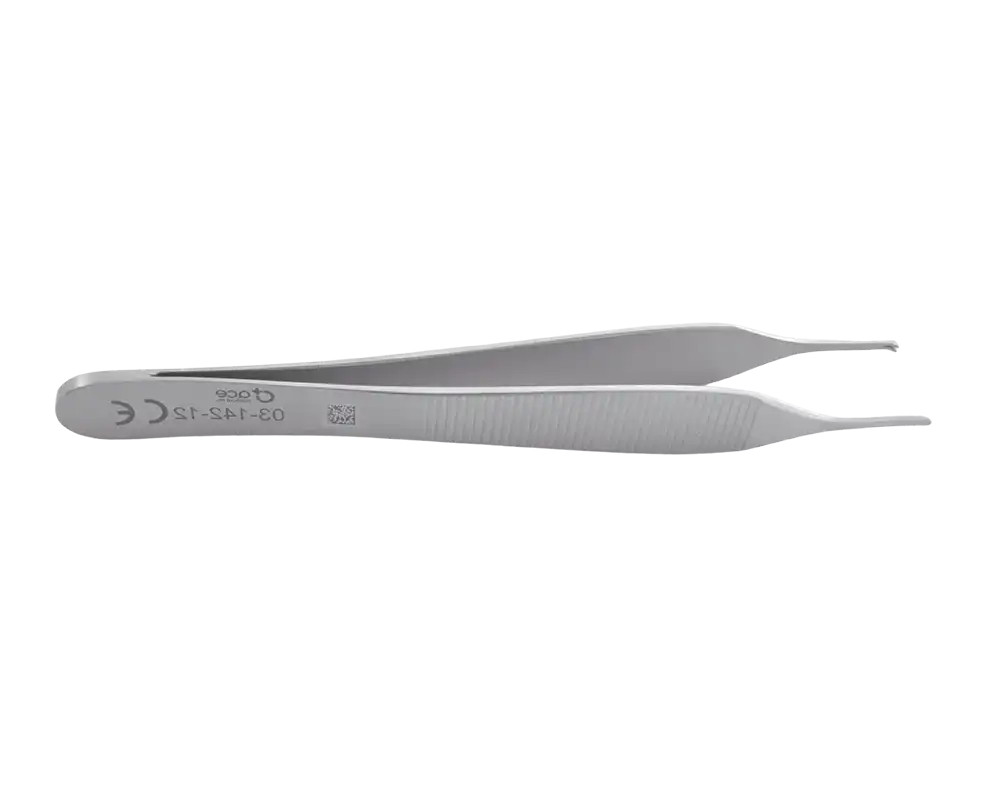
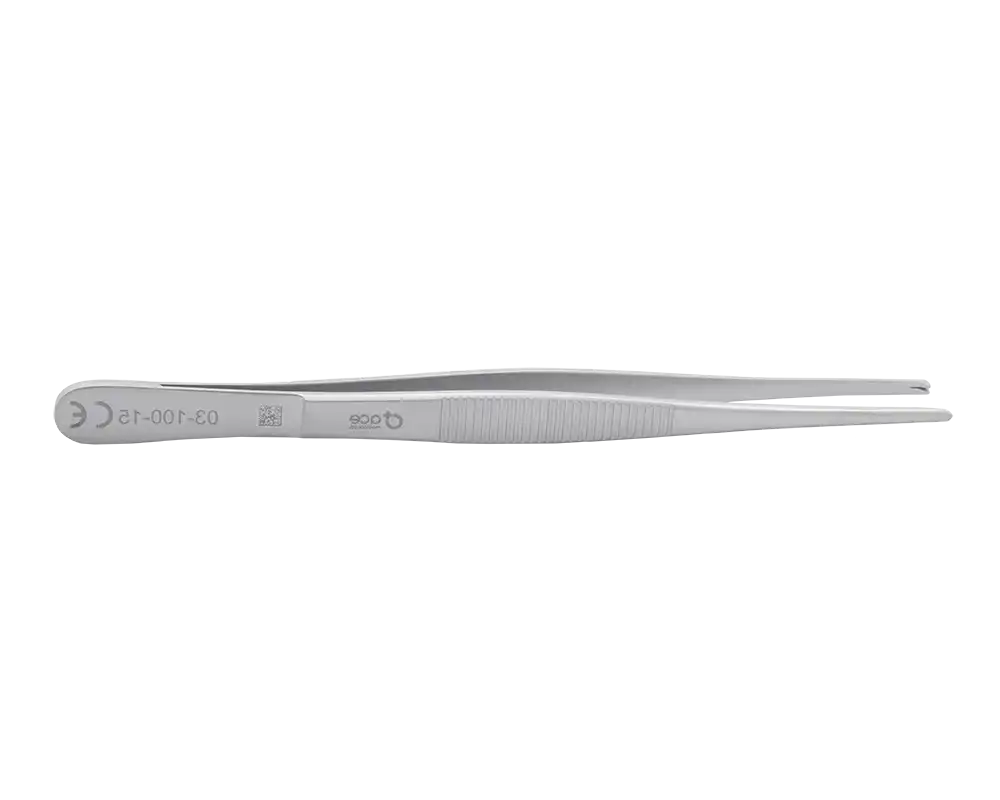
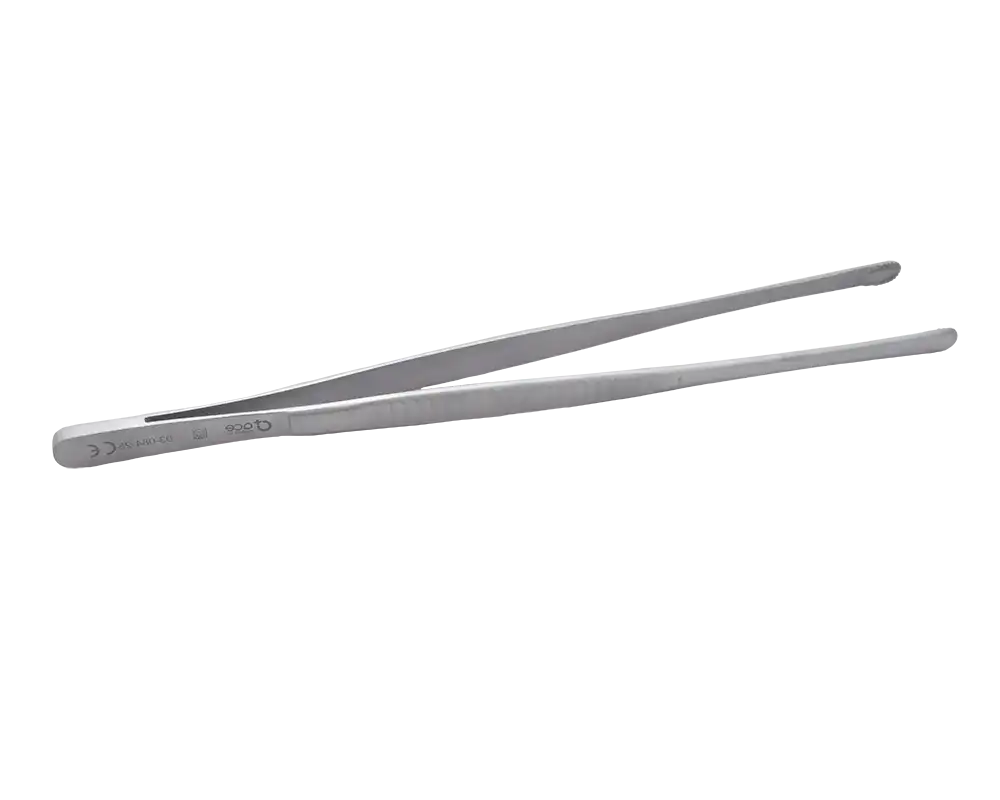
Forceps for Spine Surgery and Laminectomy 🦴🔬
Forceps are fundamental instruments in spine surgery and laminectomy procedures, providing surgeons with precise control when grasping, manipulating, and removing tissue within delicate anatomical environments 🧠. In spinal procedures where visibility is limited and structures are highly sensitive, a quality forcep allows surgeons to work methodically and safely while maintaining a clear operative field. Their role spans both soft tissue management and assistance with bone related tasks, making a quality forcep an essential component of any laminectomy instrument set.
In modern spine surgery, a forcep is relied upon for their versatility and tactile feedback. Whether managing ligamentous tissue, assisting with decompression, or maintaining exposure during bone removal, they support accuracy and efficiency throughout each stage of the procedure 🏥. Their ability to provide controlled engagement helps surgeons minimize unnecessary trauma while maintaining confidence in confined surgical spaces.
Role of a quality Forcep in Laminectomy Procedures 🧠🦴
Laminectomy procedures require careful removal of laminar bone and associated soft tissue to relieve pressure on the spinal cord or nerve roots. During these procedures, a forcep is used extensively to grasp and retract ligamentum flavum, manage connective tissue, and retrieve small bone or tissue fragments following resection. Their precise tip control allows surgeons to work close to neural elements while maintaining stability and visibility 🔍.
A great forcep also assist in clearing the surgical field after bone removal with rongeurs or bone cutters. By removing residual tissue and debris, they help ensure thorough decompression and support smooth progression through the procedure. Their contribution is critical during the final stages of laminectomy, where precision and control directly impact patient outcomes 🏥.
A great Forcep for Soft Tissue Management
Soft tissue handling is one of the most important applications of a quality forcep in spine surgery. A great forcep enable surgeons to gently retract muscle, fascia, and ligamentous tissue without excessive force. This controlled manipulation helps protect surrounding structures while improving access to the operative site, especially in posterior spine approaches 🧬.
Forceps in Spinal Decompression Surgery 🔬
In spinal decompression procedures, a forcep plays a key role in managing tissue that contributes to neural compression. Surgeons use forceps to remove hypertrophic ligament, fibrotic tissue, and small residual bone fragments that remain after primary bone removal. This precise tissue management supports complete decompression while reducing the risk of unintended injury to the dura or nerve roots 🧠.
A quality Forcep is often used alongside suction instruments to maintain a clean operative field during decompression. Their ability to grasp and control tissue allows surgeons to work efficiently while maintaining excellent visualization, which is especially important in multilevel or complex decompression cases 🏥.
Forceps for Posterior Spine Surgery
Posterior spine surgery requires careful navigation around paraspinal muscles and dorsal bony elements. A great forcep is used to retract tissue, maintain exposure, and assist with removal of small structures that obstruct access to the surgical site. Their role in posterior approaches is essential for maintaining surgical precision while minimizing tissue disruption 🦴.
Neurosurgical Applications of a Forcep 🧠🔬
Forceps are equally critical in neurosurgical spine procedures where precision and tactile feedback are paramount. When working near the spinal cord and nerve roots, surgeons rely on forceps that provide consistent tip alignment and controlled grip. These features allow safe manipulation of tissue in environments where even minor deviations can have significant consequences.
In neurosurgical applications, a quality forcep is frequently used for fine tissue handling, removal of small fragments, and assistance with hemostasis. Their controlled action supports meticulous technique and enhances surgeon confidence during delicate stages of the procedure ✨.
Design Considerations and Instrument Selection ⚙️
Different spine procedures require a different forcep configuration. Fine tipped forceps are often selected for cervical spine work where access is narrow, while broader tipped forceps provide additional grip strength for lumbar procedures. Textured tips offer improved purchase on fibrous tissue, while smooth tips are preferred when working close to sensitive neural structures 🧬.
Ergonomic handle design and balanced construction help reduce hand fatigue during longer procedures. A well designed forcep support natural hand positioning, allowing surgeons to maintain steady control throughout extended surgical cases 🏥.
Quality and Reliability in a Spine Surgery Forcep 🛡️
High quality forceps are manufactured from surgical grade stainless steel to ensure durability, corrosion resistance, and compatibility with repeated sterilization cycles. Precision engineering and careful finishing contribute to smooth operation and reliable tip engagement over time. These qualities are essential in high demand surgical environments where consistency and performance cannot be compromised 🔧.
For hospitals and surgery centers, investing in a reliable forcep supports long term value and procedural efficiency. Durable instruments reduce replacement frequency and help maintain consistent surgical performance across teams and cases 🏥.
A Quality Forcep as a Core Component of Laminectomy Instrument Sets 🦴✨
An exceptional forcep are indispensable instruments that complete comprehensive laminectomy and spine surgery instrument sets. Their versatility across soft tissue handling, decompression support, and neurosurgical applications makes them essential for achieving precise and controlled surgical outcomes. From initial exposure to final decompression, forceps support surgeons at every stage of the procedure.
As you review the forcep options available on this page, consider how each configuration supports specific procedural needs and anatomical challenges. Selecting the right forceps enhances surgical efficiency, improves control, and ultimately contributes to better patient care and outcomes 🧠🏥.
German Made Quality and Regulatory Standards for A Surgical Forcep 🛡️🏭
Quality and regulatory compliance are essential considerations when selecting a forcep for spine surgery and laminectomy procedures. Every forcep offered by Ace Medical is manufactured in Germany, where precision engineering and strict production standards support consistent performance in demanding surgical environments. German made manufacturing ensures careful control over materials, machining, and finishing, resulting in instruments that deliver reliable handling and long term durability 🧠.
All forceps are produced under ISO 13485 certified quality management systems. This certification ensures that every stage of manufacturing follows rigorous controls designed to maintain consistency, traceability, and compliance with international medical device standards. ISO 13485 certification reinforces confidence for surgeons and procurement teams by demonstrating a commitment to quality, safety, and continuous improvement throughout the production process ⚙️.
Together, German made manufacturing, ISO 13485 certification, and FDA approval reflect a comprehensive approach to quality and compliance. These standards support surgeon confidence in the operating room and provide procurement teams with assurance that their instrument selections meet the highest expectations for safety, performance, and long term value ✨
Explore Our Full Selection of Precision Surgical Forceps 🦴✨
To find the perfect forcep that best support your spine surgery and laminectomy procedures, scroll back to the top of the page to review our complete range of high quality instruments. Each forceps is designed to deliver precision, control, and reliability in demanding surgical environments.
Explore our quality selections to identify the configurations that align with your procedural needs and surgical preferences. Investing in the right forceps helps support efficient workflow, confident technique, and positive patient outcomes 🧠🏥
Additional Search Terms
surgical forcep for spine surgery, forcep for laminectomy procedures, neurosurgical forcep instruments, orthopedic spine forcep, posterior spine surgery forceps, forceps for spinal decompression, surgical tissue forcep, precision surgical forceps, reusable spine surgery forcep, german made surgical forceps, iso certified surgical instruments, fda approved surgical forceps, laminectomy instrument forcep