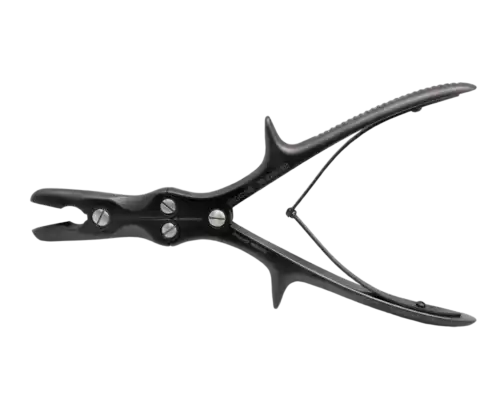
Description
🩺 Towel Clamps That Work as Hard as Your OR Team ⚙️
Reliable Draping Starts with Reliable Instruments. Every surgery begins long before the first incision. It begins with preparation, positioning, and precision setup, where every instrument, table, drape, and clamp plays a vital role in supporting sterile technique, efficiency, and patient safety. Among these foundational tools, the Towel Clamp may seem small, but its function is critical: securing drapes, stabilizing cables, and maintaining a clean, fixed operative field. In high-stakes surgical environments, especially where turnover time and room utilization are under constant pressure, having dependable, surgical-grade towel clamps is a necessity, not a luxury.
🔧 The Realities of Operating Room Setup
Before a single scalpel is touched, surgical teams spend time preparing the sterile field, positioning equipment, and ensuring the patient and the surgical site are isolated from contamination. Drapes, often large, multi-layered, and easily displaced, must be anchored firmly to prevent sliding, wrinkling, or exposure of non-sterile surfaces. This is where the humble Towel Clamp becomes an unsung hero. But not all towel clamps are created equal. Inferior instruments may slip, lose tension, rust prematurely, or damage surgical drapes, creating avoidable costs and workflow interruptions.
Poor-quality clamps can even compromise the sterile field if they snap open unexpectedly or apply uneven pressure. In contrast, well-made towel clamps support smoother setup, stronger field integrity, and faster transitions between procedures. That’s why hospitals and surgical centers increasingly rely on German-made clamps, precision-engineered to deliver consistent performance day after day.
🛠️ Understanding the Types of Towel Clamps
Two of the most commonly used designs in modern Operating Room’s are:
🔩 Backhaus Towel Clamps
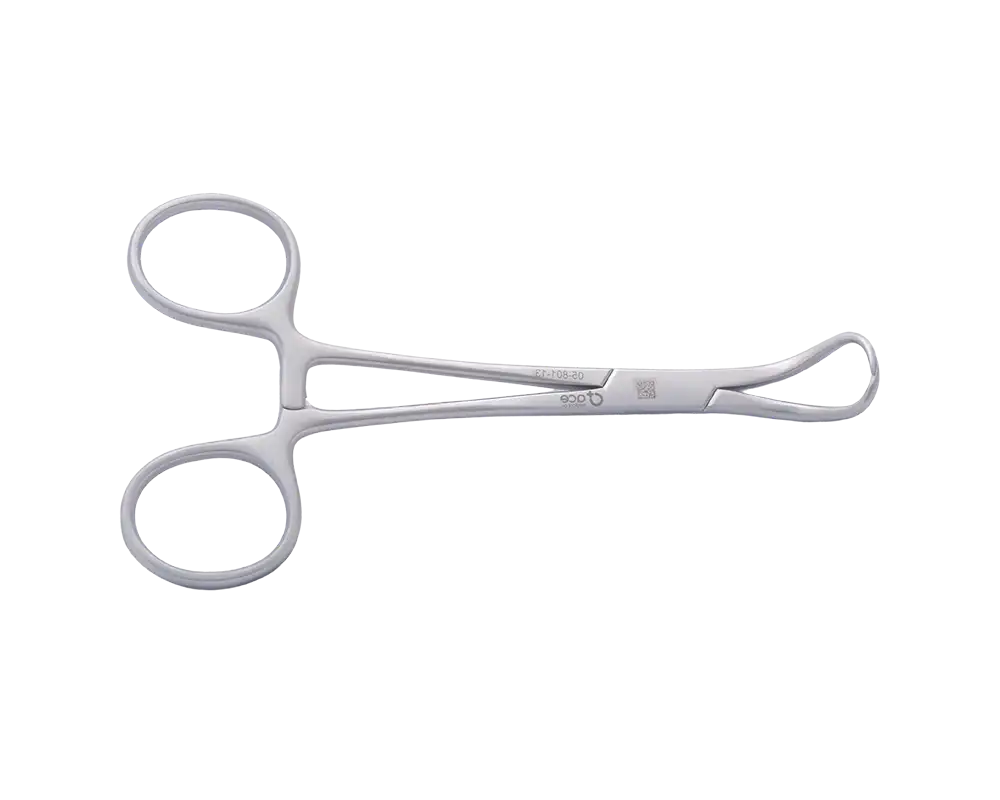
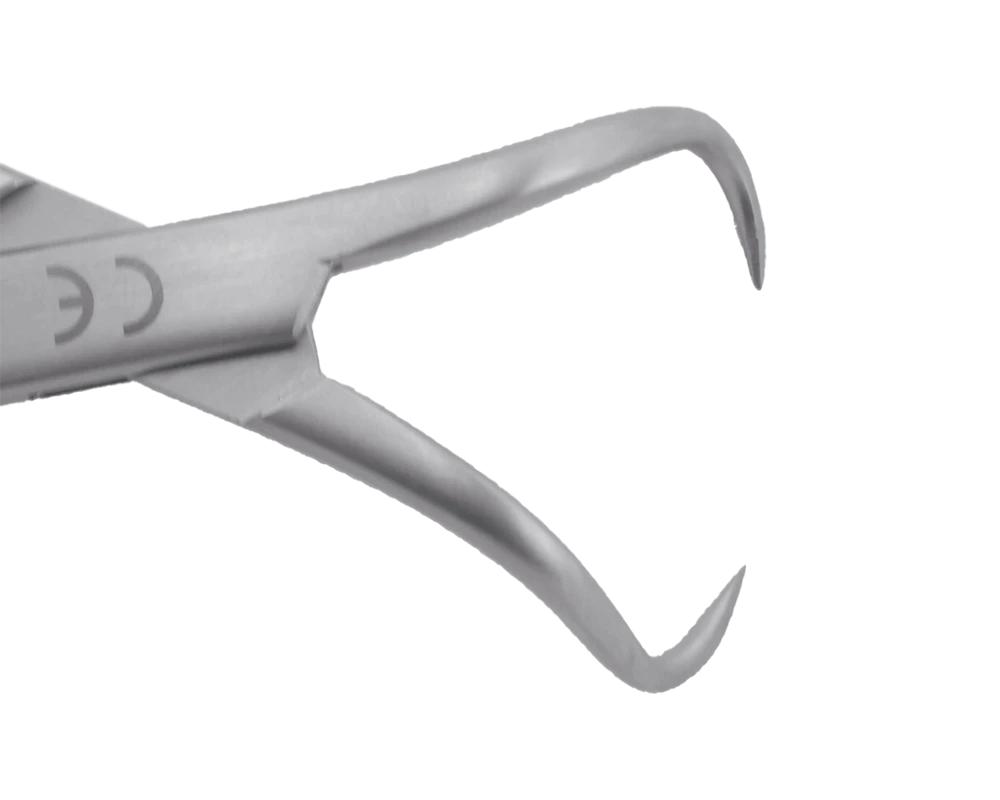
These are the go-to choice for firm drape fixation. Featuring sharp, curved tips, they can pierce through drapes or even soft tissue if needed, providing rock-solid anchoring during longer or more movement-intensive cases. Surgeons appreciate their ability to maintain consistent tension without slippage.
Ideal for:
⚖️ Standard Towel Clamps
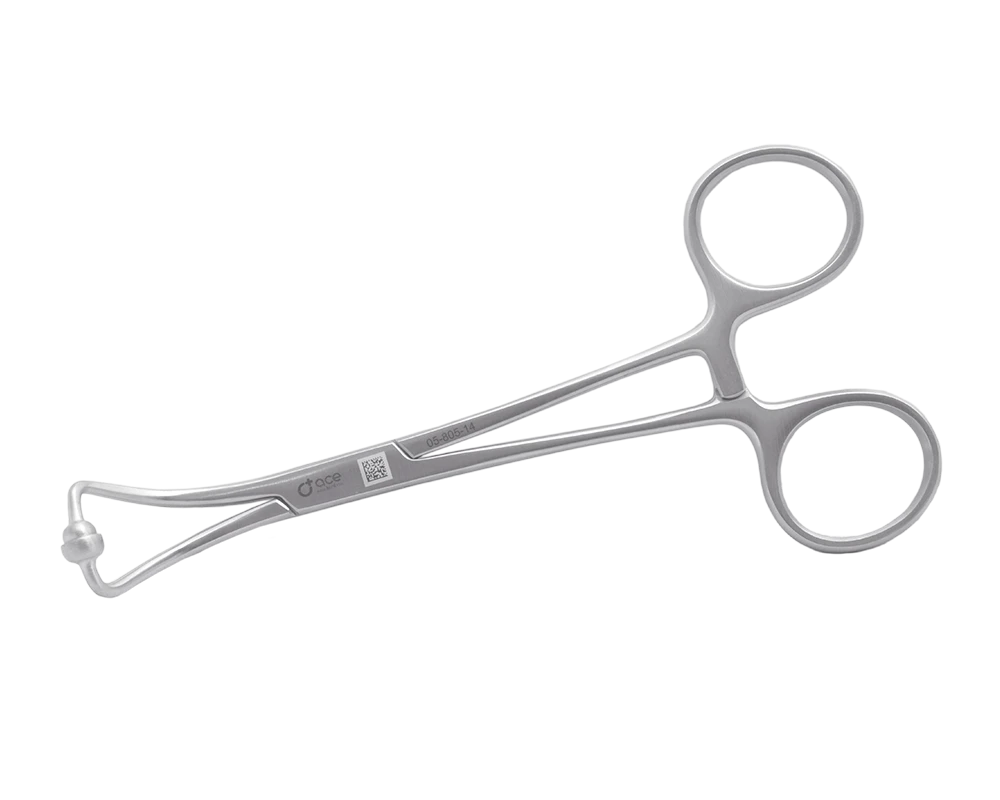
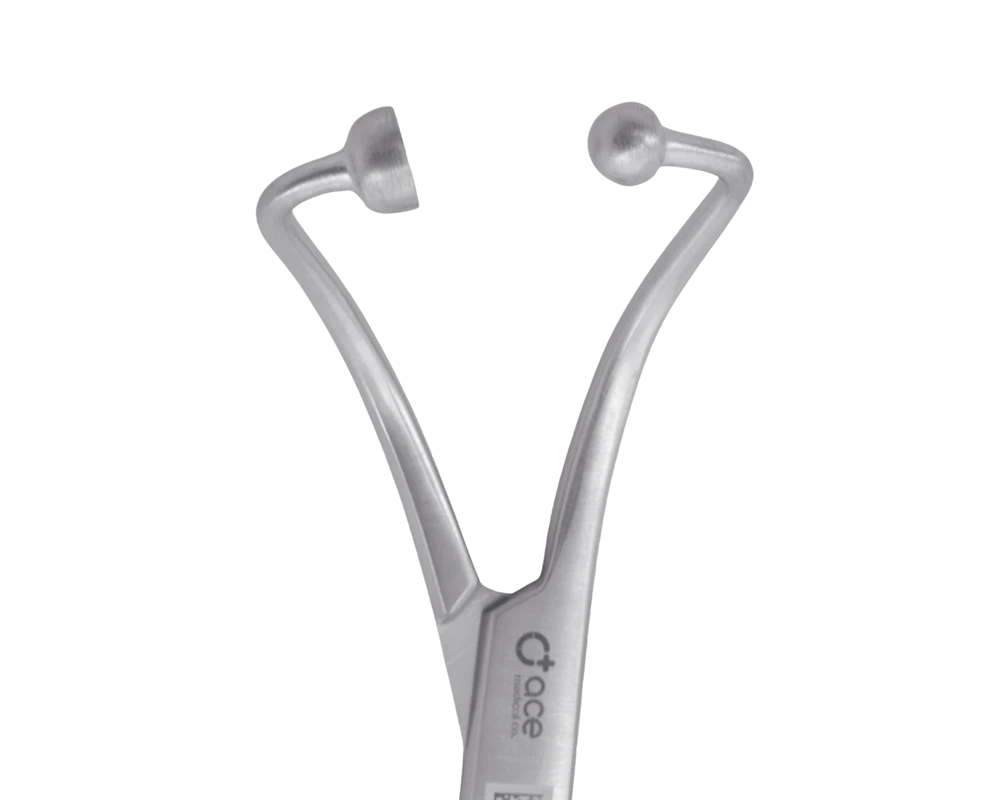
Sometimes called non-penetrating towel clamps, these have rounded or blunt tips, making them perfect for holding lightweight drapes, cords, or tubes without tissue contact. They’re useful in delicate cases where maintaining the integrity of soft surgical covers or equipment is essential.
Ideal for:
-
Outpatient or ambulatory surgery centers
-
Pediatric or cosmetic procedures
-
Delicate draping scenarios with minimal required tension
🧼 Quality = Efficiency: The Case for German-Made Clamps
When hospitals invest in high-quality instruments, especially those made in Germany 🇩🇪, they’re not just buying a tool. They’re buying efficiency, longevity, and lower cost-per-use.
German surgical instruments are world-renowned for their:
-
🔩 Precision Engineering — Every joint, hinge, and tip is machined with micro-level accuracy.
-
🔒 Consistent Performance — Clamps open and close smoothly every time, no jams, no unexpected loosening.
-
🔁 Durability — High-grade stainless steel resists rust, pitting, and deformation, even after hundreds of autoclave cycles.
-
🧼 Sterility-Ready Design — Smooth, non-porous surfaces reduce biofilm buildup and simplify cleaning.
Over time, hospitals that invest in better instruments spend less time replacing, repairing, or discarding faulty ones, which directly impacts operational budgets and surgical team satisfaction.
⏱️ Faster Turnover, Less Downtime
In the OR, minutes matter. A single equipment failure or adjustment mid-case can set off a domino effect of delays, rescheduling, or additional staffing costs. Towel clamps that fail to hold can lead to:
-
Breaks in the sterile field
-
Time spent re-draping the patient
-
Frustration among scrub techs and circulating nurses
-
More stress for the surgical team
By contrast, a quality clamp works intuitively, requires no second-guessing, and supports faster setup and takedown, which becomes critically important in high-volume institutions or during back-to-back procedures.
🏥 Small Tools, Big Impact
Though small in size, towel clamps are used in virtually every operating room in the world. Their importance stretches far beyond holding fabric, they contribute to:
-
📦 Inventory Standardization — Towel clamps are one of the few universal tools used across nearly every surgical specialty.
-
📈 Cost Control — Reliable clamps reduce waste, eliminate recurring replacements, and streamline surgical tray planning.
-
👨⚕️ Clinical Confidence — When teams know their tools won’t fail, they work more confidently and focus on the patient, not the equipment.
Simply put, a good towel clamp helps the entire surgical team work better.
🔍 What to Look for in a Quality Towel Clamp
When evaluating towel clamps for procurement, business managers and OR leaders should look for:
-
✅ Strong Closing Force without deforming or damaging materials
-
✅ Consistent Resistance across open/close cycles
-
✅ Rust-Free Stainless Steel, ideally German-forged
-
✅ Autoclavable Construction with a reliable locking mechanism
-
✅ Appropriate Size Options for different tray setups
-
✅ Reusability without loss of tension or accuracy
💼 The Business Case for Better Instruments
As purchasing managers know, low upfront cost doesn’t always mean lower spend over time. Tools like towel clamps are used in nearly every case, sometimes multiple times per tray. Choosing clamps with longer lifespans, better reliability, and global manufacturing standards helps control:
Switching from generic, low-grade towel clamps to German-made🇩🇪, hospital-grade alternatives can offer substantial return on investment, both financially and clinically.
🛒 Ready to Upgrade Your OR Setup?
Whether you’re outfitting a new facility or replacing worn-out inventory, investing in better towel clamps is a small change with major impact. From Backhaus clamps for surgical stability to standard clamps for lighter, non-penetrating uses, our lineup is precision-made in Germany and ready for the demands of modern ORs.
🎯 Ensure every procedure starts with confidence.
⚙️ Build smarter, faster setups.
🩺 Support your team with tools they can trust.
👉 Scroll back up to shop towel clamps today, or contact us for volume pricing and institutional orders.