
Surgical Instruments Guide: Complete Resource for Medical Professionals
Understanding Surgical Instruments Guide Classifications
Surgical instruments are categorized based on their function, design, and intended use. Understanding these classifications helps surgical teams select the appropriate tools for specific procedures and maintain organized instrument sets.
Cutting and Dissecting Instruments
Surgical scissors represent the most common cutting instruments in any operating room. Different blade configurations serve specific purposes:
Metzenbaum scissors are designed for delicate tissue dissection with their long, slender blades. Available in standard and TC (tungsten carbide) versions, these scissors provide exceptional precision for abdominal and body contouring procedures. The TC coating significantly extends blade life and maintains sharpness through hundreds of sterilization cycles.
Mayo scissors feature heavier, stronger blades ideal for cutting dense tissue, sutures, and dressings. Their robust construction makes them essential for general surgical procedures where durability matters more than fine precision.
Stevens tenotomy scissors and iris scissors serve ophthalmic and plastic surgery applications, offering fine-point precision for delicate facial and oculoplastic procedures. The smaller blade size allows surgeons to work in confined anatomical spaces with enhanced control.
Grasping and Holding Instruments for our Surgical Instruments Guide
Forceps and clamps serve critical functions in tissue manipulation, hemostasis, and retraction. Tissue forceps come in various configurations:
Adson forceps provide delicate tissue handling with their fine serrations, making them ideal for plastic surgery and general surgical applications. The 1×2 teeth configuration offers secure grip without excessive tissue trauma.
Russian forceps feature atraumatic rounded platforms perfect for handling bowel and other delicate tissues during abdominal procedures. Their broad grasping surface distributes pressure evenly, minimizing tissue damage.
Clamping and Occluding Instruments
Hemostatic clamps control bleeding and maintain hemostasis throughout surgical procedures. Kelly and Crile forceps feature transverse serrations along their jaws, providing secure vessel occlusion without slippage. These workhorse instruments appear in virtually every surgical specialty.
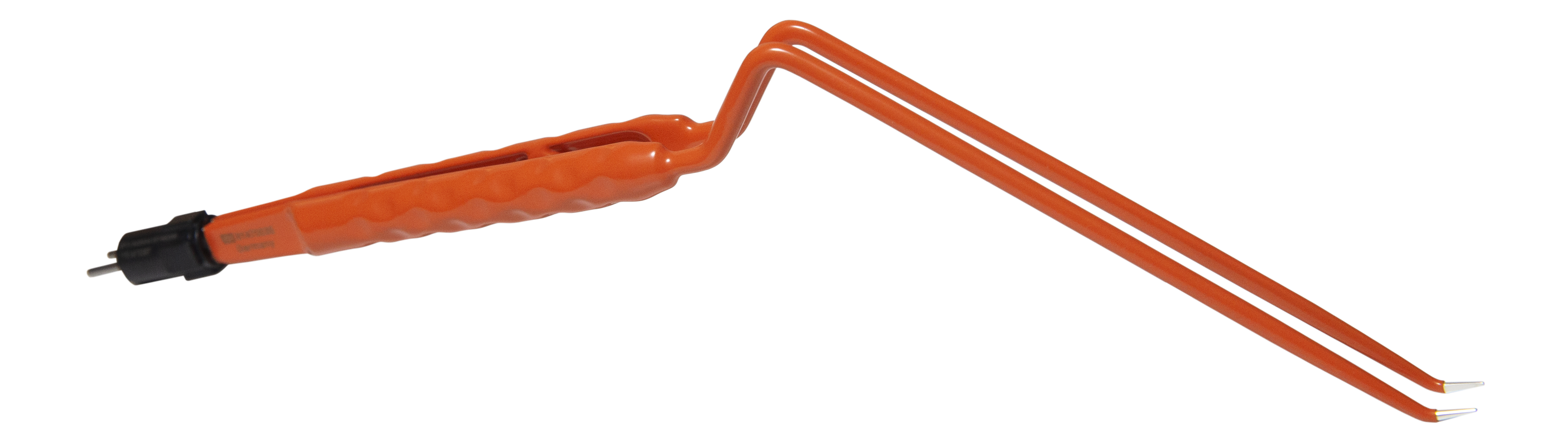
Bipolar forceps deserve special attention in modern surgery. These specialized instruments deliver electrical current only between their two tips, allowing precise coagulation with minimal thermal spread. Neurosurgery, spine surgery, and plastic surgery rely heavily on bipolar forceps for their superior hemostatic control and reduced collateral tissue damage. Different tip configurations, straight, bayonet, angled, serve specific anatomical approaches and surgical preferences.
Essential Surgical Instruments Guide by Specialty
Different surgical specialties require specific instrument sets optimized for their unique anatomical challenges and procedural requirements. This surgical instruments guide breaks down essential tools by specialty.
Spine Surgery Instruments
Spine surgery demands specialized instruments designed for working in deep, confined spaces around critical neural structures. The surgical instruments guide for spine procedures emphasizes precision and control.
Kerrison rongeurs are the workhorses of spinal decompression procedures. These bone-cutting forceps feature footplates in various widths (1mm to 5mm) and angles (up-biting, down-biting, straight) to remove lamina and decompress neural elements safely. Quality Kerrison rongeurs maintain sharp cutting edges through hundreds of uses and feature smooth, precise action that prevents inadvertent tissue damage.
Detachable Kerrison rongeurs offer the advantage of sterilizing the handle separately from footplates, extending instrument life and reducing replacement costs. Rotating Kerrison rongeurs provide access to difficult angles without repositioning the entire instrument.
Pituitary rongeurs excel at disc removal during microdiscectomy and ACDF procedures. Their cup-shaped jaws grasp and remove nucleus pulposus material efficiently. Variations include straight, curved, and specialized designs like the Caspar pituitary rongeur for anterior cervical approaches.
Minimally invasive spine surgery requires specialized instruments with extended lengths and bayonet or pistol-grip handles. These instruments access deep surgical corridors through tubular retractors while maintaining ergonomic positioning for the surgeon.
Plastic Surgery Instruments Guide
Plastic surgery instruments prioritize precision, delicacy, and aesthetic outcomes. This section of our surgical instruments guide focuses on tools essential for cosmetic and reconstructive procedures.
Liposuction cannulas come in numerous configurations designed for specific body areas and fat removal techniques. Mercedes cannulas feature three or four holes arranged in a star pattern, allowing efficient fat aspiration with minimal tissue trauma. Single-port and multi-port designs serve different purposes:
Fat harvesting cannulas use smaller holes and gentler aspiration to collect viable adipose tissue for fat transfer and Brazilian butt lift (BBL) procedures. The delicate extraction preserves adipocyte viability, improving graft survival rates.
Body contouring cannulas feature larger apertures and more aggressive designs for removing larger fat volumes during abdominoplasty, liposuction, and body sculpting procedures.
Facial and neck cannulas have smaller diameters and shorter lengths optimized for delicate facial contouring and neck liposuction. Their reduced size minimizes visible scarring and provides enhanced control in sensitive aesthetic areas.
Rhinoplasty instruments include specialized rasps, osteotomes, and scissors designed for nasal reshaping procedures. Fine instruments like Freeman-Kaye scissors and Aston facelift scissors provide the precision required for aesthetic facial procedures.
Neurosurgery Surgical Instruments Guide
Neurosurgical procedures demand the finest precision instruments available. The margin for error when working near brain tissue, cranial nerves, and the spinal cord is essentially zero.
Bipolar forceps designed for neurosurgery feature ultra-fine tips with various configurations: straight for surface work, bayonet for deep access, and jeweler’s forceps for microscopic procedures. The quality of bipolar forceps directly impacts surgical precision and patient outcomes.
Neurosurgical patties and cottonoids protect delicate neural tissue during retraction and provide hemostasis. These critical disposables come in various sizes and should be x-ray detectable to prevent retained surgical items.
Otolaryngology (ENT) Surgical Instruments Guide
ENT surgery encompasses otology (ear), rhinology (nose and sinuses), and laryngology (throat) procedures, each requiring specialized instruments.
Otology instruments include myringotomy knives for tympanic membrane incisions and ventilation tube insertion. These precision instruments must maintain extreme sharpness to create clean incisions without excessive trauma to the delicate tympanic membrane.
Rhinology instruments serve sinus surgery and nasal procedures. Specialized forceps, scissors, and curettes access the paranasal sinuses through narrow nasal passages. Endoscopic sinus surgery has driven innovation in long, angled instruments that work through limited anatomical corridors.
Urology Instruments
Urological procedures range from endoscopic interventions to open surgery, requiring diverse instrument sets.
Urethral dilators and sounds gradually expand urethral strictures and prepare the urethra for scope insertion. These instruments must be smooth, well-polished, and available in graduated sizes.
Stone management instruments include baskets for retrieving kidney stones and specialized graspers for endoscopic stone removal. The surgical instruments guide for endourology emphasizes compatibility with modern flexible ureteroscope and rigid nephroscopes.
How to Choose Quality Surgical Instruments
Selecting high-quality surgical instruments requires understanding key factors that distinguish professional-grade tools from inferior alternatives. This surgical instruments guide provides criteria for evaluating instrument quality.
Material Quality and Construction
Premium surgical instruments utilize medical-grade stainless steel, typically 300 or 400 series alloys. German and Japanese stainless steel are industry standards, offering optimal corrosion resistance and durability.
Tungsten carbide (TC) inserts in cutting instruments provide exceptional edge retention and longevity. TC scissors and needle holders feature golden-colored rings on their handles, identifying them as premium instruments. While TC instruments cost more initially, their extended lifespan often makes them more economical over time.
Manufacturing quality shows in details: smooth surfaces without pitting or roughness, perfectly aligned jaws that close without gaps, and precisely machined ratchets that hold securely at each position. Substandard instruments exhibit visible manufacturing defects, misaligned components, and premature wear.
Ergonomics and Design
Surgeon fatigue during long procedures is a real concern that proper instrument design addresses. Ring handles should accommodate different hand sizes comfortably. Ratchets should close and release smoothly without excessive force.
Instrument weight distribution affects handling precision and surgeon endurance. Well-balanced instruments feel natural in hand and reduce muscular strain during extended procedures. Lightweight titanium alternatives exist for surgeons who prefer reduced weight, though they typically cost significantly more than stainless steel.
Certification and Standards
FDA registration indicates that instruments meet United States regulatory requirements for medical devices. ISO 13485 certification demonstrates that manufacturers maintain quality management systems specific to medical device production.
CE marking (for European markets) confirms compliance with European medical device directives. These certifications aren’t just bureaucratic requirements—they represent verified quality control processes that protect patients and healthcare providers.
Instrument Maintenance and Care
Proper maintenance extends instrument life, maintains optimal performance, and prevents costly premature replacement. This section of our surgical instruments guide covers essential maintenance protocols.
Cleaning Protocols
Immediate point-of-use treatment prevents bioburden from drying on instruments. Enzymatic foam or spray applied immediately after use loosens organic material and prevents corrosion. Never allow blood or saline to dry on instruments.
Ultrasonic cleaning effectively removes debris from hinges, box locks, and serrations where manual cleaning cannot reach. Proper ultrasonic cleaning requires degassed solution, appropriate temperature (typically 40-45°C), and sufficient contact time.
Automated washer-disinfectors provide consistent, validated cleaning when properly maintained and loaded. Instruments should be positioned to allow complete contact with cleaning solutions—hinged instruments opened, cannulated instruments flushed.
Inspection and Testing
Regular inspection identifies instruments requiring repair or replacement before they compromise surgical outcomes. Check scissors sharpness by cutting through gauze cleanly without dragging. Test forceps alignment by holding them to a light source—properly aligned jaws show no light gaps when closed.
Ratchets should hold firmly at each position without slipping. Box locks should operate smoothly without excessive play or binding. Surface finish should remain smooth without pitting, rust, or discoloration.
Document inspection findings and track instrument performance over time. This data helps optimize replacement schedules and identify problematic instrument types or manufacturers.
Lubrication
Water-soluble, autoclave-safe instrument lubricants protect hinges and moving parts during sterilization. Apply lubricant to box locks, ratchets, and hinges after cleaning and before sterilization. Never use WD-40 or other non-medical lubricants—these products contain substances unsafe for surgical use and can carbonize during autoclaving.
Sterilization Best Practices for Surgical Instruments
Proper sterilization ensures patient safety and regulatory compliance. This surgical instruments guide section addresses critical sterilization considerations.
Steam sterilization (autoclaving) remains the most common method for surgical instruments. Standard cycles run at 132°C (270°F) for 4 minutes or 121°C (250°F) for 15-30 minutes, depending on load configuration and wrapping.
Instrument trays should never be overloaded—excessive density prevents steam penetration and compromises sterilization. Hinged instruments must be opened during sterilization to allow steam contact with all surfaces.
Biological indicators containing Geobacillus stearothermophilus spores provide the gold standard for steam sterilization verification. Regular use of BIs, combined with chemical indicators, ensures sterilization processes meet required standards.
Low-temperature sterilization methods (ethylene oxide, hydrogen peroxide plasma) serve heat-sensitive instruments and scopes. These methods require longer cycle times and specific packaging but prevent thermal damage to delicate instruments.
Instrument Storage and Organization
Organized instrument storage improves efficiency, protects instrument integrity, and facilitates inventory management. Sterile Processing Department (SPD) organization directly impacts OR efficiency.
Sterilization trays and containers should be clearly labeled with contents and organized by procedure type. Color-coded systems or barcode tracking streamline instrument set identification and reduce setup time.
Dedicated racks for delicate instruments like Kerrison rongeurs and bipolar forceps prevent damage during storage. These instruments should never be loose in trays where they can collide with heavier instruments.
Instrument identification tags permanently mark instruments for tracking through repair, loan, and replacement cycles. Laser etching or electro-pencil marking provides durable identification without compromising instrument integrity.
Cost Considerations and ROI
Surgical instrument purchasing decisions balance upfront cost against long-term value. This surgical instruments guide addresses total cost of ownership considerations.
Premium instruments with higher initial costs often deliver better ROI through extended lifespan and reduced replacement frequency. A quality Kerrison rongeur that lasts 500 procedures costs less per use than a budget alternative requiring replacement after 100 procedures.
Repair costs factor into total ownership expenses. Some instruments—particularly complex designs or proprietary systems—cost nearly as much to repair as replace. Detachable instruments often reduce repair costs by allowing replacement of wear components without discarding the entire instrument.
Hidden costs include sterilization expenses, storage space, and inventory carrying costs. Standardizing on fewer instrument patterns reduces these indirect expenses while simplifying staff training and inventory management.
Emerging Technologies in Surgical Instrumentation
Surgical instrument technology continues evolving, with innovations improving precision, safety, and outcomes.
Advanced bipolar forceps now feature integrated irrigation channels for clearer visualization during coagulation. These designs reduce surgical smoke and maintain better hemostatic control with less thermal spread.
Laparoscopic and robotic surgery instruments incorporate increasingly sophisticated articulation, rotation, and feedback systems. These technological advances enable minimally invasive approaches to procedures previously requiring open surgery.
Smart instruments with embedded sensors provide real-time feedback about temperature, pressure, and usage metrics. These data-driven instruments promise to enhance surgical precision and enable new quality monitoring capabilities.
Frequently Asked Questions About Surgical Instruments
What is the difference between German and Japanese surgical instruments?
German instruments traditionally emphasize robust construction and durability, ideal for high-volume use. Japanese instruments often feature lighter weight and finer precision, preferred for delicate procedures. Both represent high-quality options, with selection based on surgical specialty and surgeon preference.
How often should surgical instruments be replaced?
Replacement timing depends on usage frequency, maintenance quality, and instrument type. Scissors may require replacement after 200-500 procedures, while forceps and retractors often last thousands of uses. Regular inspection identifies instruments requiring retirement before they compromise surgical outcomes.
What does TC mean on surgical instruments?
TC indicates tungsten carbide inserts in cutting surfaces or gripping jaws. TC instruments feature gold-colored rings on handles and provide superior edge retention and longevity compared to standard stainless steel. The harder tungsten carbide maintains sharpness through many more sterilization cycles.
Can surgical instruments be sharpened?
Yes, most scissors and cutting instruments can be professionally sharpened multiple times. However, sharpening removes metal and eventually compromises instrument geometry. Quality varies significantly among sharpening services—improper sharpening damages instruments irreparably. Many facilities prefer replacement over sharpening for critical precision instruments.
What causes instrument staining and discoloration?
Staining results from mineral deposits in water, blood protein residue, or chemical reactions during sterilization. Proper cleaning immediately after use prevents most staining. Mild staining doesn’t affect function, but extensive discoloration may indicate corrosion that compromises instrument integrity. Water quality and cleaning chemistry significantly impact staining rates.
Conclusion: Building Your Surgical Instrument Inventory
This surgical instruments guide provides the foundation for making informed purchasing decisions, maintaining instrument quality, and optimizing surgical outcomes. Whether equipping a new facility or upgrading existing inventory, understanding instrument classifications, quality markers, and specialty requirements ensures you select the right tools for your surgical team.
Quality surgical instruments represent investments in patient care and operational efficiency. Premium instruments may cost more initially, but their superior performance, extended lifespan, and reduced failure rates deliver better value over time.
Partner with experienced surgical instrument suppliers who understand your specialty needs and can provide technical support, proper documentation, and reliable service. The right supplier relationship extends beyond product sales to include education, instrument management consultation, and responsive customer service.
Explore Our Comprehensive Surgical Instrument Collections
Browse our extensive selection of surgical instruments organized by specialty:
- Spine Surgery Instruments – Kerrison rongeurs, pituitary rongeurs, and specialized decompression tools
- Plastic Surgery Instruments – Liposuction cannulas, rhinoplasty instruments, and aesthetic surgery tools
- Bipolar Forceps – Neurosurgery, spine surgery, plastic surgery, and laparoscopic configurations
- Surgical Scissors – Complete selection including Metzenbaum, Mayo, Stevens, and specialty scissors
- ENT Instruments – Otology and rhinology instrumentation
- Needle Holders – Micro-vascular, laparoscopic, and general surgical configurations
- Sterilization and SPD Products – Instrument trays, identification systems, and maintenance supplies
Contact our surgical instrument specialists for personalized recommendations, volume pricing, and technical support. We’re committed to helping you find the right instruments for your surgical practice.
Bipolar Forceps Cleaning and Sterilization
Bipolar Forceps Cleaning and Sterilization Bipolar forceps are critical instruments [...]