
Spine Retractors for Laminectomy and Posterior Spine Surgery 🦴🔬
Spine retractors are essential surgical instruments used to maintain clear exposure and protect soft tissue during laminectomy and posterior spine surgery procedures. These retractors allow surgeons to gently separate muscle and tissue, creating a stable operative field that supports visibility, precision, and procedural efficiency throughout decompression cases 🧠.
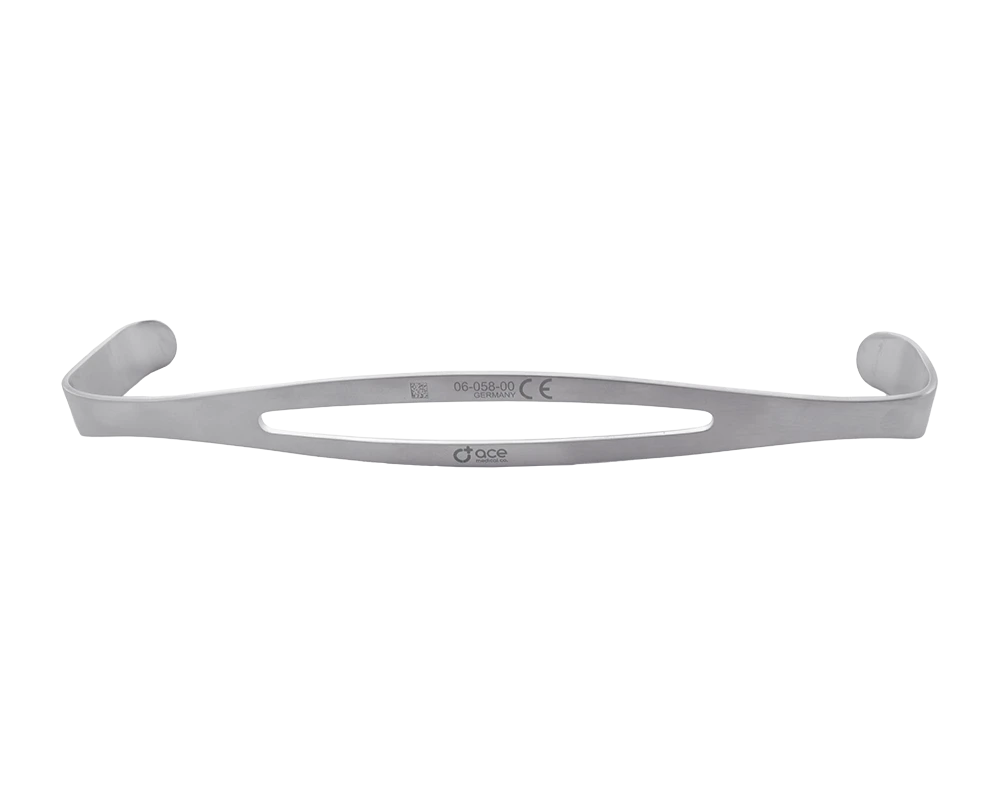
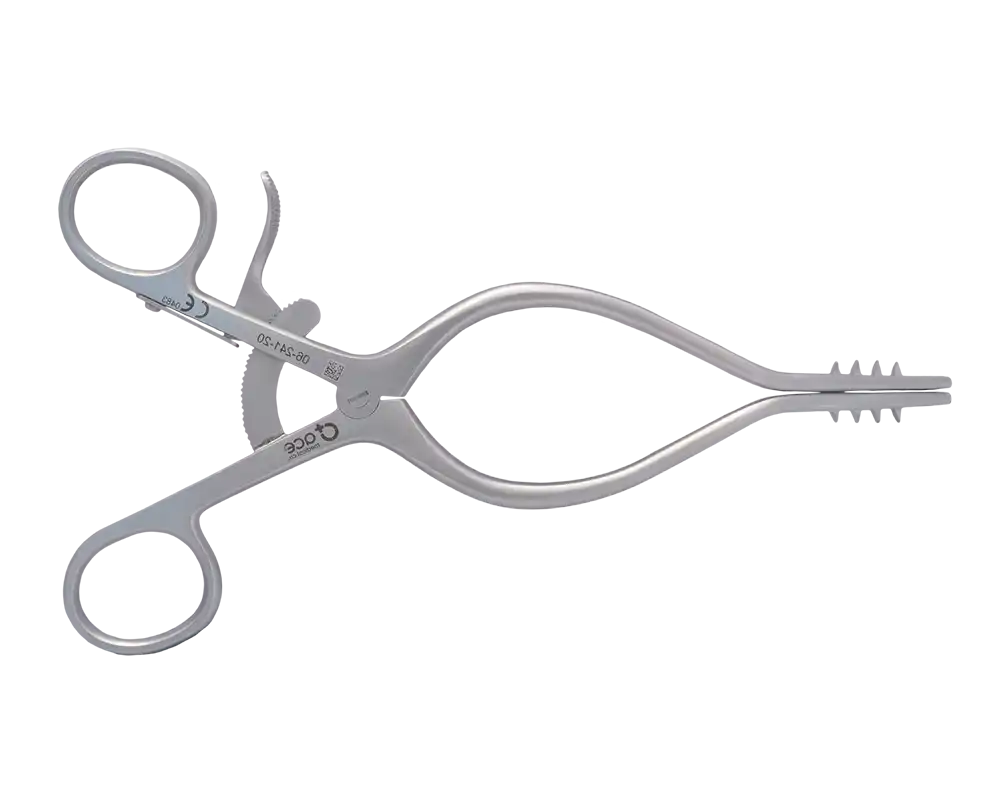
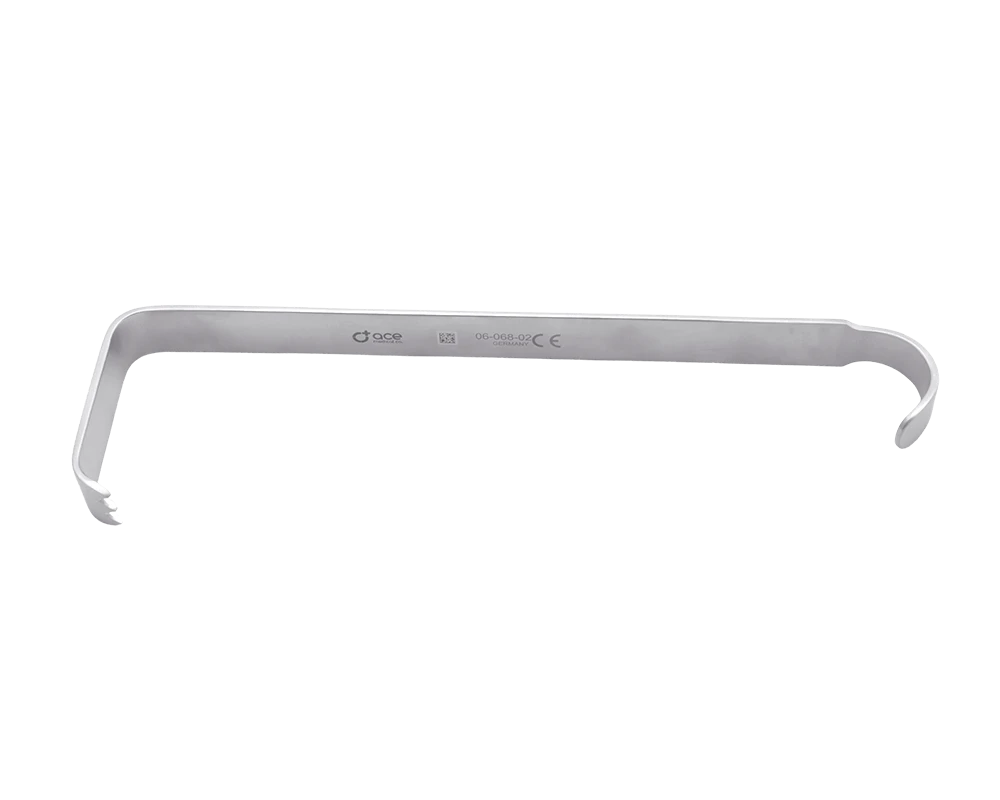
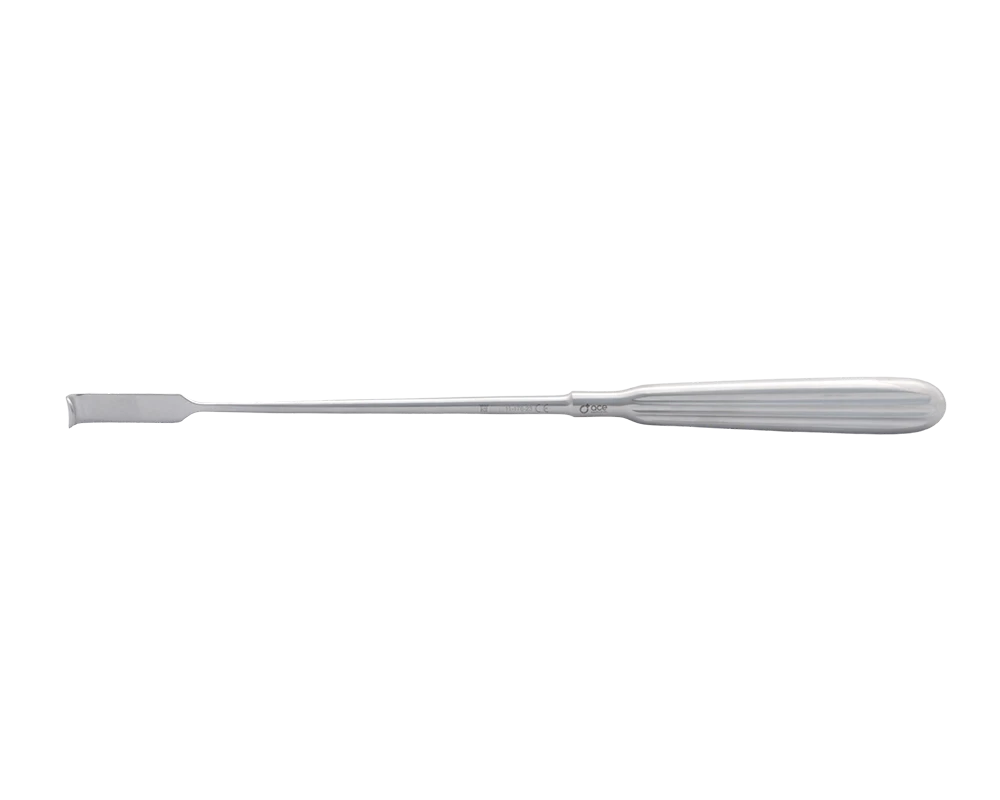
Our spine retractors include both handheld and self retaining options to accommodate different surgical techniques and preferences. Handheld spine retractors such as the Army Navy, Hibbs, and Scoville retractors provide flexible, surgeon controlled retraction for dynamic tissue management during exposure. Self retaining spine retractors, including the Adson Cerebellar and Cloward Lamina Retractor, are designed to maintain consistent retraction without continuous manual assistance, helping stabilize the surgical field during longer or more complex spine procedures 🏥✨
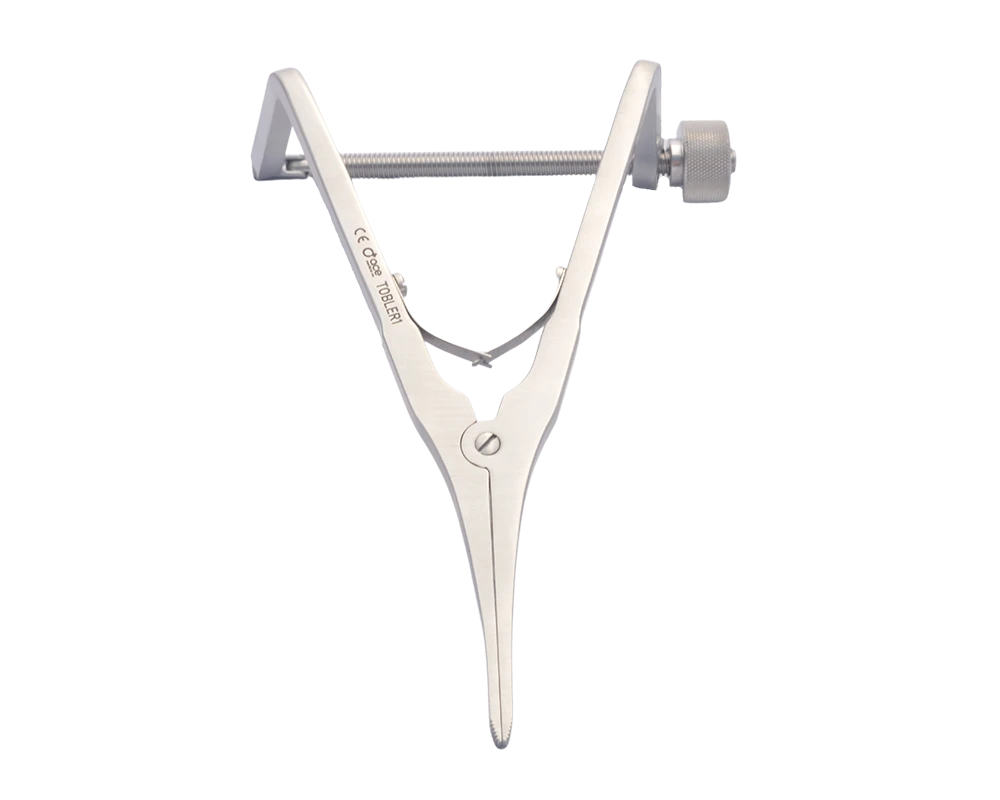
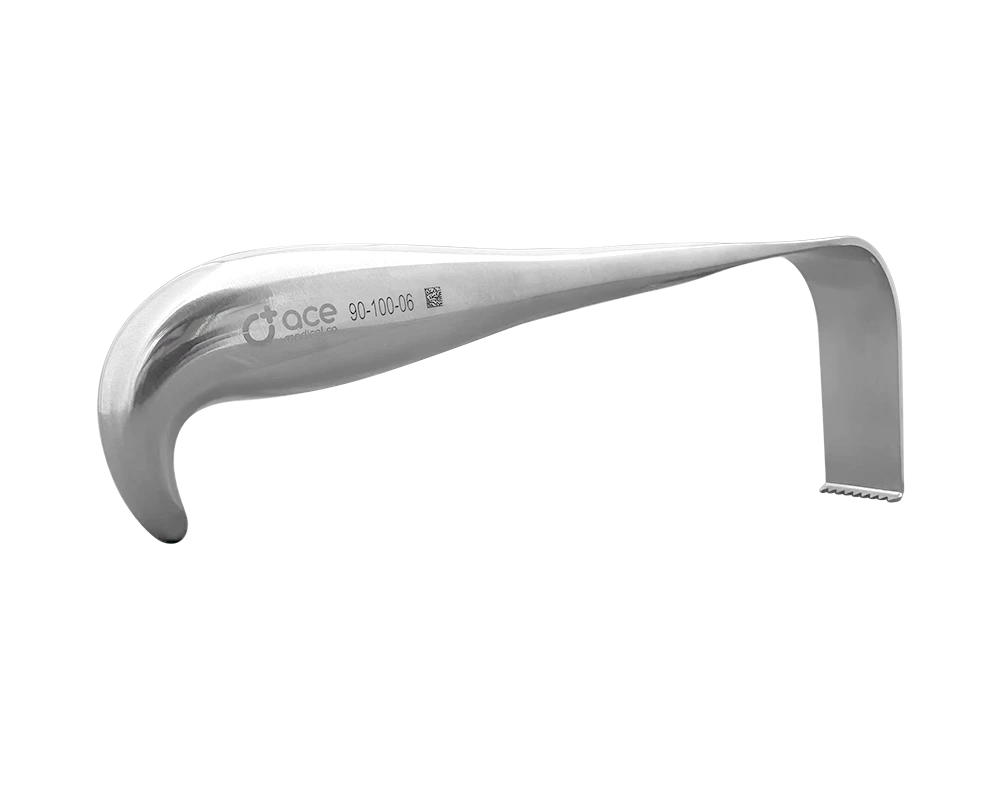
High Quality German Made Spine Retractors 🦴🔬
Our spine retractors are manufactured in Germany using high quality surgical grade materials and precision manufacturing standards designed to meet the demands of modern spine surgery. German made spine retractors are valued by surgeons for their consistent performance, refined ergonomics, and long term durability in demanding operative environments. These instruments are built to provide reliable tissue retraction while preserving soft tissue integrity during laminectomy and posterior spine surgery procedures.
In spine surgery, maintaining a clear and stable operative field is essential for accuracy and patient safety. German made spine retractors are engineered to deliver controlled retraction with smooth contact surfaces that help minimize tissue trauma. Their balanced construction supports steady handling, allowing surgeons to maintain exposure while focusing on precise bone removal and decompression 🧠.
These spine retractors are commonly used during laminectomy procedures, spinal decompression, and posterior approaches where muscle and soft tissue must be gently separated to access the lamina, facet joints, and spinal canal. By providing dependable exposure, high quality spine retractors support efficient workflow and improved visualization throughout the procedure 🏥.
Handheld Spine Retractors for Surgeon Controlled Exposure ✋🦴
Handheld spine retractors are widely used in laminectomy and posterior spine surgery due to their flexibility and direct surgeon control. These instruments allow the surgical team to dynamically adjust retraction based on anatomy, tissue response, and procedural stage. Handheld spine retractors are especially valuable during initial exposure, targeted decompression, and cases where precise adjustments are required throughout the operation.
Our handheld spine retractors include the Army Navy, Hibbs, and Scoville retractors. Each design serves a specific role in spine surgery and offers distinct advantages depending on surgical approach and preference.
Army Navy Retractor for Spine Surgery and Laminectomy 🦴
The Army Navy retractor is a versatile handheld spine retractor commonly used during laminectomy and posterior spine surgery procedures. Its double ended design provides two different blade sizes, allowing surgeons to adapt retraction based on tissue depth and exposure needs. This flexibility makes the Army Navy retractor a staple instrument in spine surgery sets.
In laminectomy procedures, the Army Navy retractor is often used during early exposure to gently separate muscle layers and maintain access to the posterior elements of the spine. Surgeons frequently rely on this retractor to hold tissue aside while identifying anatomical landmarks and preparing for deeper dissection. The smooth blade edges help reduce tissue trauma while maintaining reliable retraction 🧠.
The Army Navy retractor is also commonly used in spinal decompression surgery to assist with visualization around the lamina and facet joints. Its compact profile allows use in confined operative fields, making it suitable for both lumbar and thoracic spine procedures. Because it is handheld, the Army Navy retractor allows immediate adjustments as the procedure progresses, supporting precise and responsive tissue management 🏥.
Long tail clinical use terms such as Army Navy retractor for spine surgery and Army Navy retractor for laminectomy naturally describe its role in posterior spine exposure and decompression workflows.
Hibbs Retractor for Posterior Spine Surgery 🦴🔬
The Hibbs retractor is a handheld spine retractor designed to provide deeper and more robust tissue retraction during posterior spine surgery. Its wider blade and ergonomic handle allow surgeons to maintain stable exposure in procedures that require greater retraction force or deeper access to the spinal column.
In laminectomy and spinal decompression procedures, the Hibbs retractor is often used once initial exposure has been achieved. It helps maintain separation of paraspinal muscles, providing a clear view of the lamina and posterior bony structures. This makes the Hibbs retractor especially useful in lumbar spine surgery where muscle mass is greater and sustained retraction is required 🧠.
Surgeons performing posterior spine surgery frequently choose the Hibbs retractor when working across multiple levels or during longer procedures. Its design supports consistent retraction without excessive pressure on soft tissue, helping reduce fatigue for both the surgeon and assistant. The Hibbs retractor for spine surgery is valued for its strength, stability, and reliable performance in demanding cases 🏥.
Long tail SEO phrases such as Hibbs retractor for laminectomy and Hibbs retractor posterior spine surgery align naturally with its clinical applications in decompression and exposure.
Scoville Retractor for Spine and Neurosurgical Applications 🧠🦴
The Scoville retractor is a handheld spine retractor commonly used in both spine surgery and neurosurgical procedures. Its design allows for controlled retraction in narrow operative fields, making it particularly useful when working near neural structures. The Scoville retractor provides precise tissue control while maintaining a low profile within the surgical site.
During laminectomy procedures, the Scoville retractor is often selected for fine tissue retraction around the lamina and ligamentous structures. Its shape allows surgeons to gently retract tissue without obstructing the operative field, supporting improved visualization during delicate stages of decompression 🧠.
In neurosurgical spine procedures, the Scoville retractor is frequently used to protect nerve roots and the dura while bone removal instruments are introduced. Its controlled retraction helps maintain safe working distances from sensitive anatomy, making it a trusted choice for procedures requiring heightened precision. The Scoville retractor for spine surgery supports careful exposure and nerve protection throughout posterior approaches 🏥.
Long tail terms such as Scoville retractor for spine surgery and Scoville retractor for laminectomy reflect its role in controlled exposure and neurosurgical applications.
Clinical Benefits of Handheld Spine Retractors ✨
Handheld spine retractors provide surgeons with direct control over tissue management during laminectomy and posterior spine surgery. This control allows immediate adjustments in response to anatomical variation, tissue tension, or procedural progression. The ability to dynamically reposition retractors helps maintain optimal exposure while minimizing unnecessary tissue stress 🧠.
In procedures such as lumbar laminectomy, cervical decompression, and thoracic spine surgery, handheld spine retractors support flexible workflows where exposure needs may change rapidly. Surgeons can reposition the Army Navy, Hibbs, or Scoville retractors as needed, maintaining clear visualization without relying on fixed retraction systems 🏥.
Handheld retractors also play an important role during revision spine surgery, where scar tissue and altered anatomy require careful and adaptable tissue management. The tactile feedback provided by these instruments allows surgeons to assess tissue resistance and adjust retraction accordingly, contributing to safer and more controlled procedures 🔬.
Why Surgeons Choose Our German Made Handheld Spine Retractors 🦴✨
Surgeons choose our German made handheld spine retractors for their precision, durability, and consistent performance in the operating room. Each instrument is crafted to support controlled retraction while maintaining ergonomic comfort during extended procedures. The combination of refined design and high quality manufacturing helps ensure reliable performance across a wide range of spine surgery applications 🏥.
By offering multiple handheld options including the Army Navy, Hibbs, and Scoville retractors, our spine retractors provide versatility for different surgical approaches and preferences. Whether used for initial exposure, sustained retraction, or delicate neurosurgical work, these instruments support confident technique and efficient workflow during laminectomy and posterior spine surgery procedures 🧠🔬.
Adson Cerebellar Retractor for Posterior Cervical Spine Surgery and Cranial Procedures 🧠🔬
The Adson Cerebellar retractor is a self retaining surgical retractor widely used in both spine surgery and neurosurgical applications where stable, hands free tissue exposure is required. Commonly selected as an adson cerebellar retractor for posterior cervical spine surgery, this instrument allows surgeons to maintain consistent retraction while working in anatomically sensitive regions of the cervical spine and cranial cavity. Its design supports clear visualization and controlled access during procedures where precision and stability are critical 🏥.
Our Adson Cerebellar retractors are manufactured in a 19 cm length, providing the ideal balance of reach and control for posterior cervical procedures and cranial surgery. Surgeons frequently use an adson cerebellar retractor for spine surgery to maintain muscle separation and expose the cervical lamina, facet joints, and surrounding structures during laminectomy and decompression procedures. The length allows effective access without overextension, supporting ergonomic handling throughout the case 🧠.
These self retaining retractors are available with either sharp or blunt blades, allowing surgeons to tailor tissue engagement based on procedural needs. Sharp blade configurations are often preferred when secure retraction is required during posterior cervical spine surgery, helping prevent tissue slippage and maintain consistent exposure. Blunt blade options are commonly selected for adson cerebellar retractor neurosurgery applications and cranial procedures where tissue preservation is a priority. This flexibility makes the instrument suitable across a wide range of spine and cranial surgeries 🔬.
The Adson Cerebellar retractor is offered in both three blade and four blade configurations. Three blade designs are frequently chosen as a self retaining retractor for posterior cervical procedures where focused exposure is needed in a confined operative field. Four blade configurations provide broader, evenly distributed retraction and are often used as an adson cerebellar retractor for cranial procedures, supporting consistent access and visibility during longer neurosurgical cases 🧠.
In posterior cervical spine surgery, the Adson Cerebellar retractor helps maintain stable exposure while reducing the need for continuous manual retraction. This improves workflow efficiency and allows the surgical team to focus on precise decompression and instrumentation. In cranial surgery, the retractor provides dependable tissue control while protecting surrounding soft tissue, making it a trusted cerebellar retractor for cervical laminectomy and neurosurgical procedures 🏥✨.
Extended Length Cloward Lamina Retractor for Spine Surgery 🦴🔬
Our Cloward Lamina Retractor is designed with an extended working length to support spine surgery in patients requiring deeper exposure. While standard cloward lamina retractors typically offer a working spread of approximately 55 mm, our design provides an extended 130 mm working length. This deeper spread allows surgeons to achieve stable exposure in larger patients and in cases involving increased soft tissue depth or challenging anatomy 🧠.
The extended length of this cloward lamina retractor for spine surgery supports even, controlled tissue retraction without excessive force. By reaching deeper into the operative field, the retractor helps maintain consistent visualization and reduces the need for repeated repositioning during laminectomy and posterior spine surgery procedures 🏥.
Cloward Lamina Retractor for Laminectomy and Posterior Spine Surgery 🦴
The Cloward Lamina Retractor is a self retaining spine retractor used to maintain hands free exposure during laminectomy and posterior spine surgery. Commonly selected as a cloward lamina retractor for laminectomy, this instrument allows surgeons to focus on precise bone removal and neural decompression while maintaining a stable operative corridor.
In posterior cervical and lumbar spine surgery, the cloward lamina retractor for posterior spine surgery provides consistent retraction of muscle and soft tissue. This stable exposure helps surgeons visualize the lamina, facet joints, and posterior elements while reducing tissue fatigue during longer decompression procedures 🧠.
The self retaining design minimizes the need for manual retraction, improving workflow efficiency and allowing the surgical team to maintain focus throughout the procedure 🏥.
Posterior Cervical Spine Benefits of the Cloward Lamina Retractor 🧠🔬
In posterior cervical spine surgery, controlled exposure is critical due to the compact anatomy of the cervical region. The Cloward Lamina Retractor provides focused, balanced retraction that supports safe access to the cervical lamina and surrounding structures.
The extended working length of this self retaining cloward lamina retractor allows deeper, parallel tissue retraction in posterior cervical procedures. This helps maintain a stable operative field and reduces the need for frequent adjustments, supporting improved efficiency and precision during cervical decompression 🏥.
Anterior Cervical Discectomy and Fusion Applications 🧠✨
The Cloward Lamina Retractor is also used in anterior cervical discectomy and fusion procedures. With its unique design, the retractor can be placed directly on the adjacent vertebral endplates, allowing controlled distraction of the cervical spine without the use of distraction pins or screws.
When used as a cloward lamina retractor for anterior cervical discectomy and fusion, the instrument enables parallel distraction of the vertebral bodies. This approach helps maintain alignment during disc removal and implant placement while reducing procedural complexity. By distracting the spine in a parallel manner, surgeons can reduce the risk of rotational movement, a commonly reported issue during cervical distraction techniques 🧠.
This technique allows surgeons to maintain consistent alignment and stability throughout the procedure, supporting accurate implant positioning and predictable outcomes 🦴.
Surgeon Technique Tips for the Cloward Lamina Retractor 🧠🛠️
During posterior spine surgery, surgeons may position the Cloward Lamina Retractor after initial muscle exposure to maintain stable retraction throughout decompression. Gradual opening of the retractor helps minimize tissue stress while achieving the desired exposure.
In posterior cervical procedures, using the extended length cloward lamina retractor allows deeper placement with controlled, even retraction. Maintaining symmetrical blade positioning helps preserve a balanced operative field and reduces lateral tissue strain.
For anterior cervical discectomy and fusion, surgeons often place the retractor blades directly on the adjacent vertebral endplates before applying distraction. Applying distraction slowly and evenly helps maintain parallel alignment and reduces the likelihood of rotational forces. Confirming alignment before proceeding with disc removal and implant placement can further enhance procedural control and safety 🏥.
Why Surgeons Choose the Extended Length Cloward Lamina Retractor 🦴✨
Surgeons choose our extended length Cloward Lamina Retractor for its deeper working spread, stable hands free retraction, and versatility across posterior and anterior cervical spine procedures. The 130 mm working length supports exposure in larger patients and complex cases, while the self retaining design improves efficiency during laminectomy and spinal fusion surgery.
By combining extended reach with controlled, parallel distraction capabilities, this cloward lamina retractor for spine surgery delivers consistent exposure, improved alignment, and enhanced surgical confidence across a wide range of spine surgery applications 🧠✨.
Choose the Right Spine Retractor for Your Practice 🧠✨
Selecting the right spine retractor plays a critical role in achieving consistent exposure, surgical efficiency, and patient safety during laminectomy and spine surgery procedures. Each retractor design offers unique advantages depending on surgical approach, anatomy, and technique. To find the option that best fits your procedural needs and workflow, scroll back to the top of the page to explore our full selection of spine retractors. Review the available models, configurations, and features to confidently choose the instrument that will support optimal outcomes for your practice and your patients 🦴🏥
Additional Search Terms
spine retractors, spine surgery retractors, laminectomy retractors, posterior spine retractors, self retaining spine retractors, handheld spine retractors, cloward lamina retractor, adson cerebellar retractor, posterior cervical spine retractors, cervical spine retractors, lumbar spine retractors, neurosurgical spine retractors, surgical retractors for spine surgery, spinal decompression retractors, laminectomy exposure retractors, spine surgery instrument sets, posterior cervical retractors, anterior cervical spine retractors, acdf retractors, cervical distraction retractors