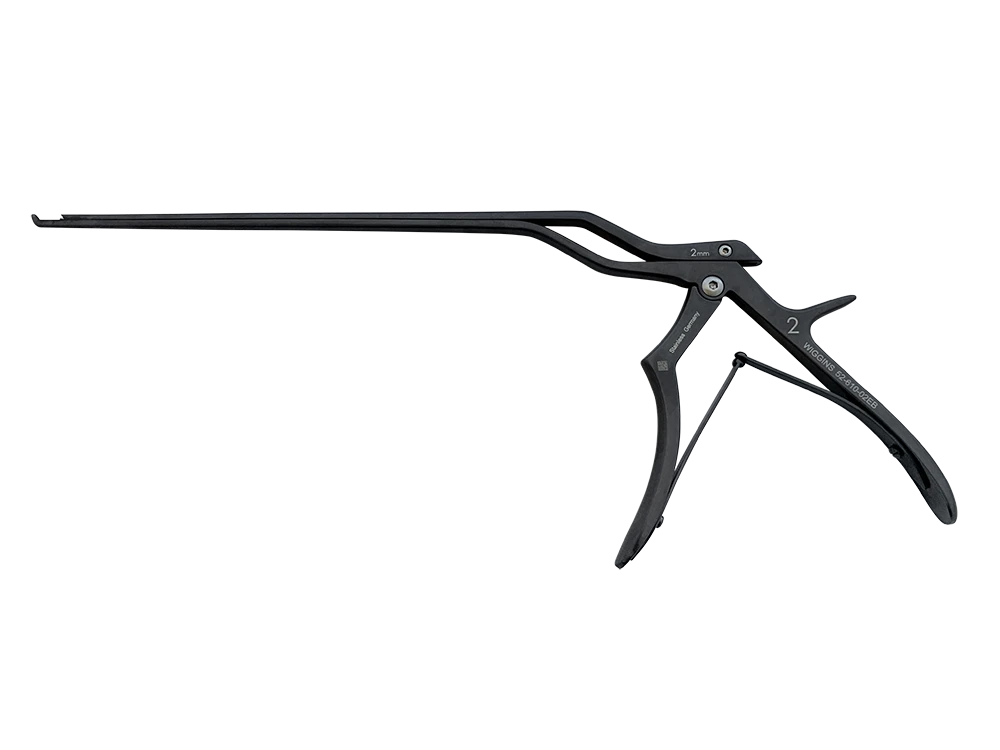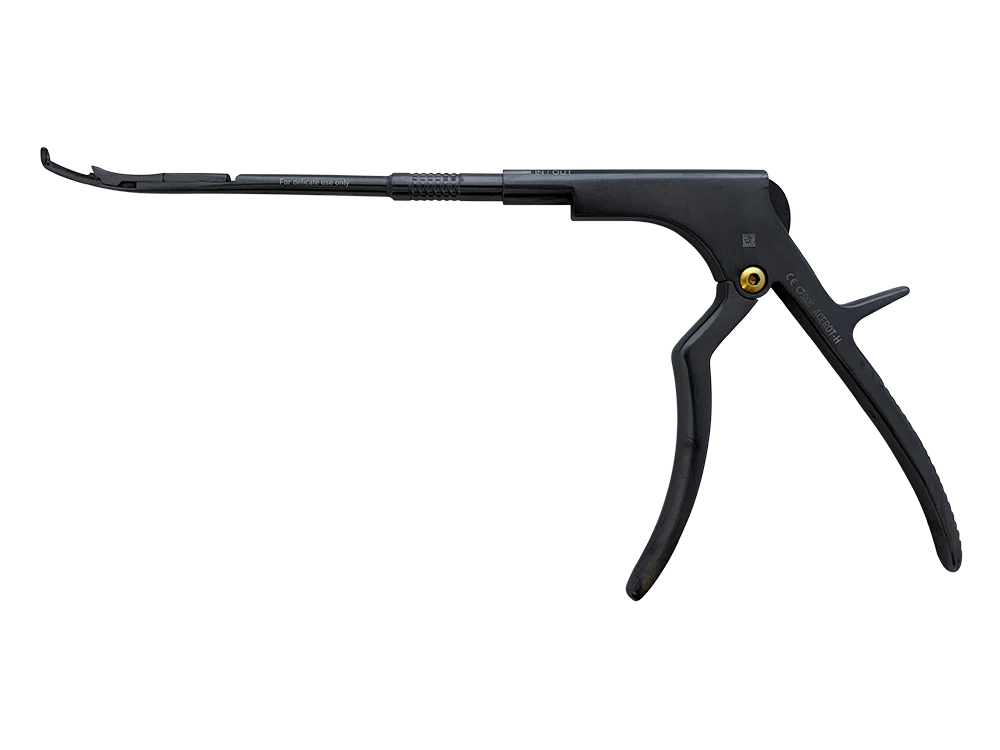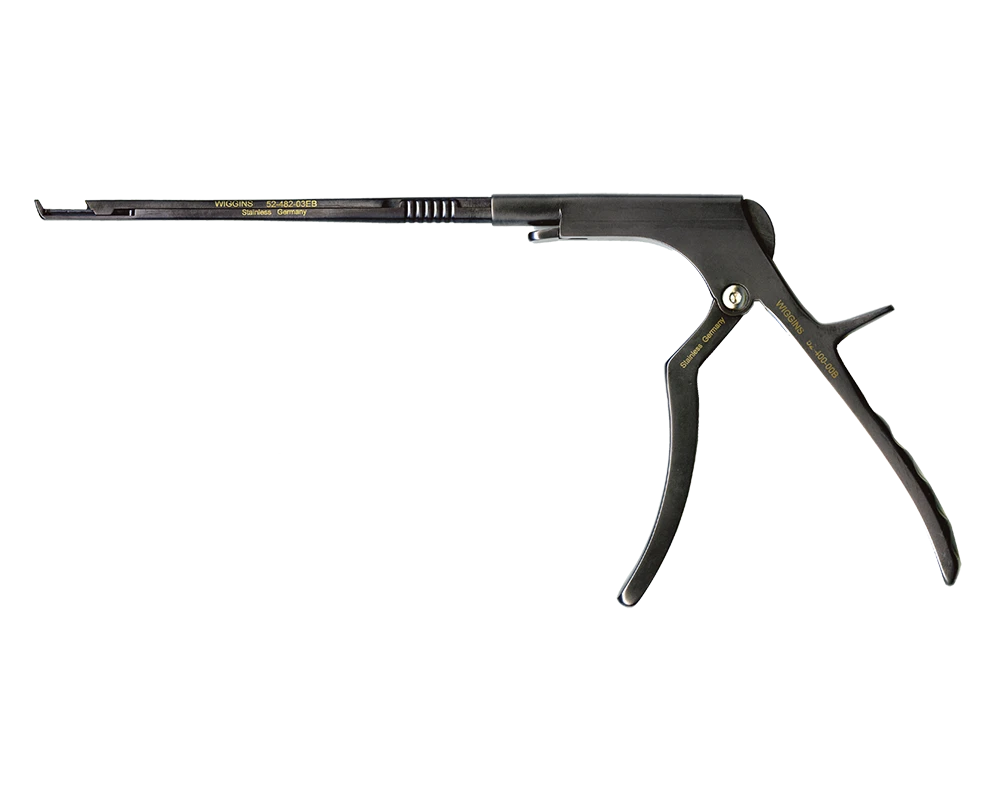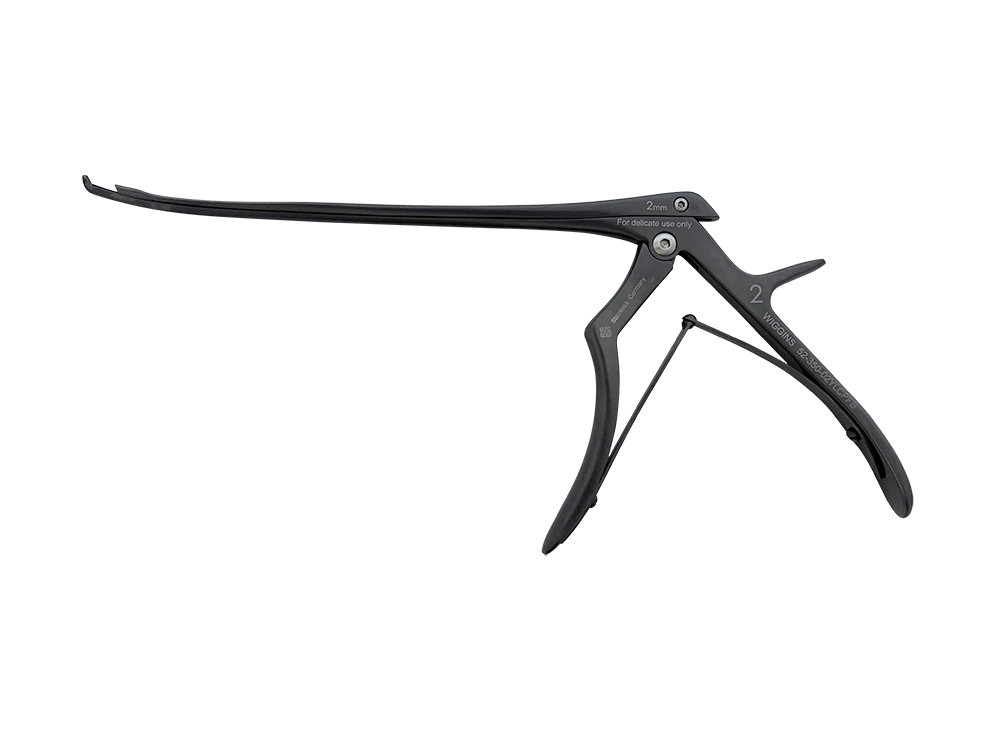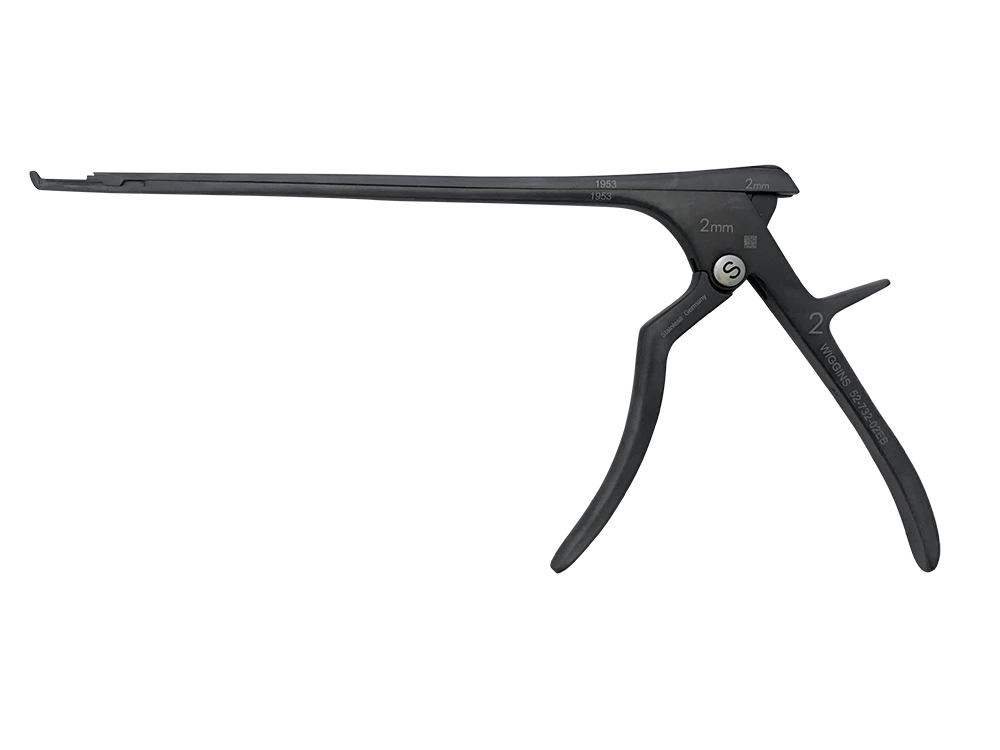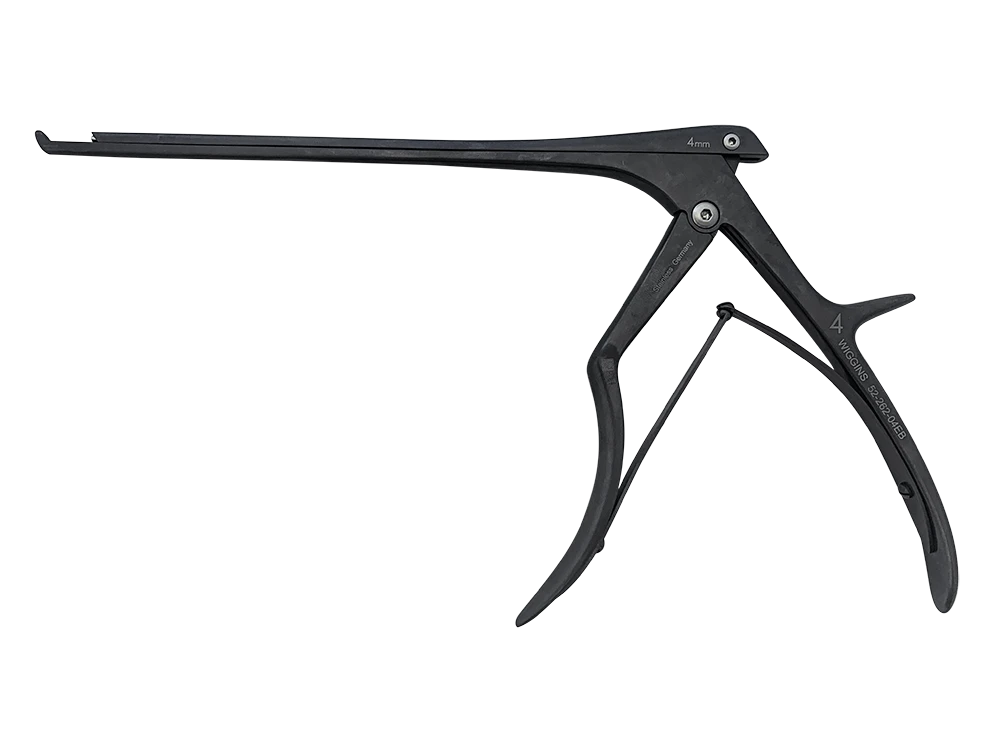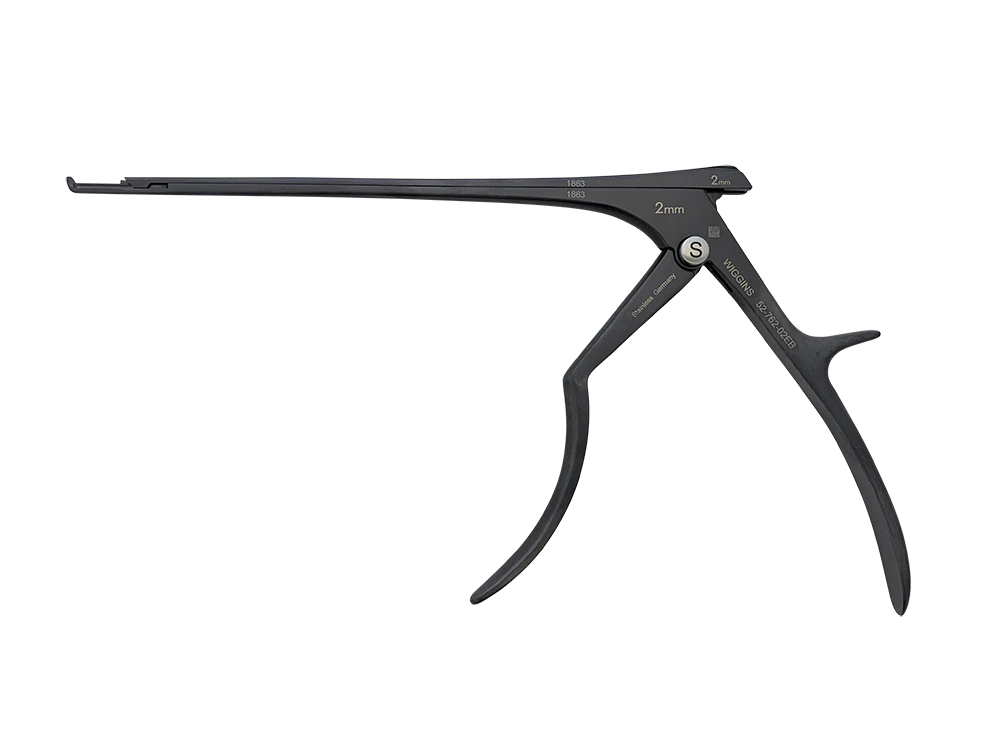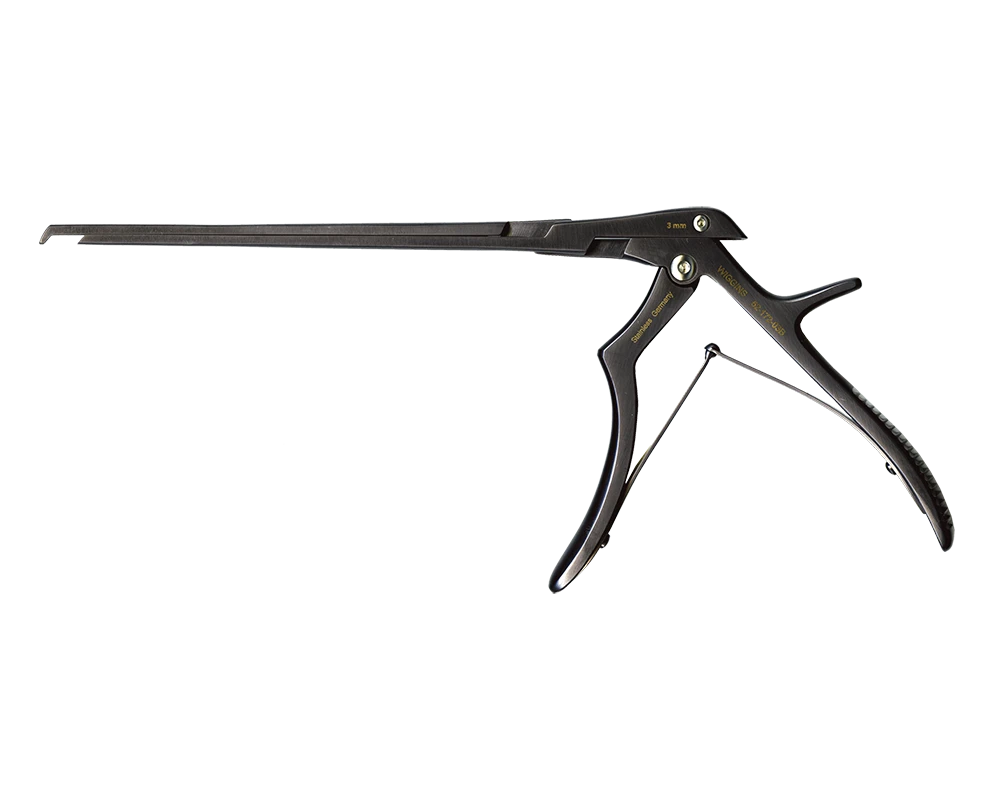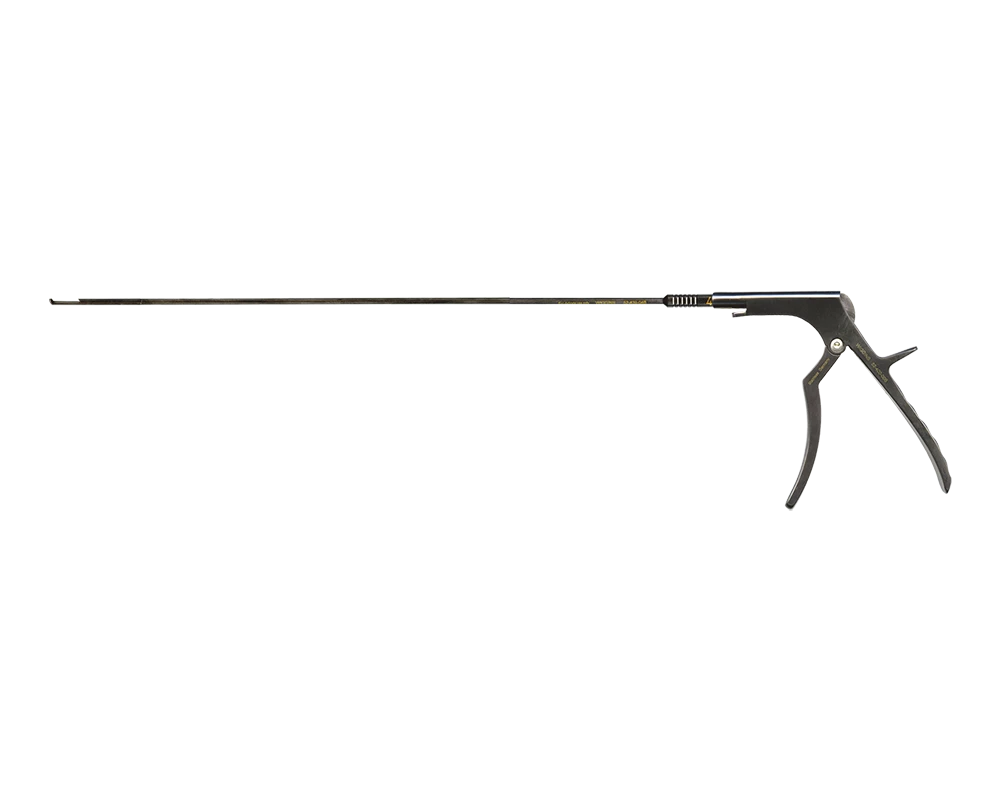
🦴 Kerrison Rongeurs from ACE Medical Company

At ACE Medical Company, we proudly offer one of the most comprehensive and trusted selections of Kerrison Rongeurs available today 🩺. Every instrument is 510(k) approved for use around the spine and delicate neural structures, giving surgeons confidence in both safety and performance.

Precision crafted and hand finished in our renowned South German factory πŸ‡©πŸ‡ͺ, these Kerrison Rongeurs represent a standard of quality that stands apart. Whether you need an ultra thin footplate for delicate ACDF procedures, a bayonet design for minimally invasive spine access, or a curved Kerrison for precise bone removal during a tight foraminotomy, we offer the right solution for every surgical approach ✨.

βœ‚οΈ Engineered for Precision and Long Term Performance

Each cutting edge is meticulously hand finished to deliver smooth, powerful performance with every bite. Designed to maintain sharpness case after case, our Kerrison Rongeurs provide consistent cutting efficiency while reducing the need for frequent servicing or repairs πŸ”¬.

This durability helps minimize instrument downtime and lowers long term hospital repair costs, ensuring your tools are always ready when precision matters most πŸ’ͺ.

🌍 Trusted by Spine Surgeons Worldwide

Surgeons around the world rely on ACE Medical Kerrison Rongeurs for their reliability, performance, and craftsmanship. These instruments are built to support confident technique in even the most demanding spine procedures.

Explore our full range of Kerrison Rongeurs today and experience the difference that true surgical excellence can make in the operating room 🌟.
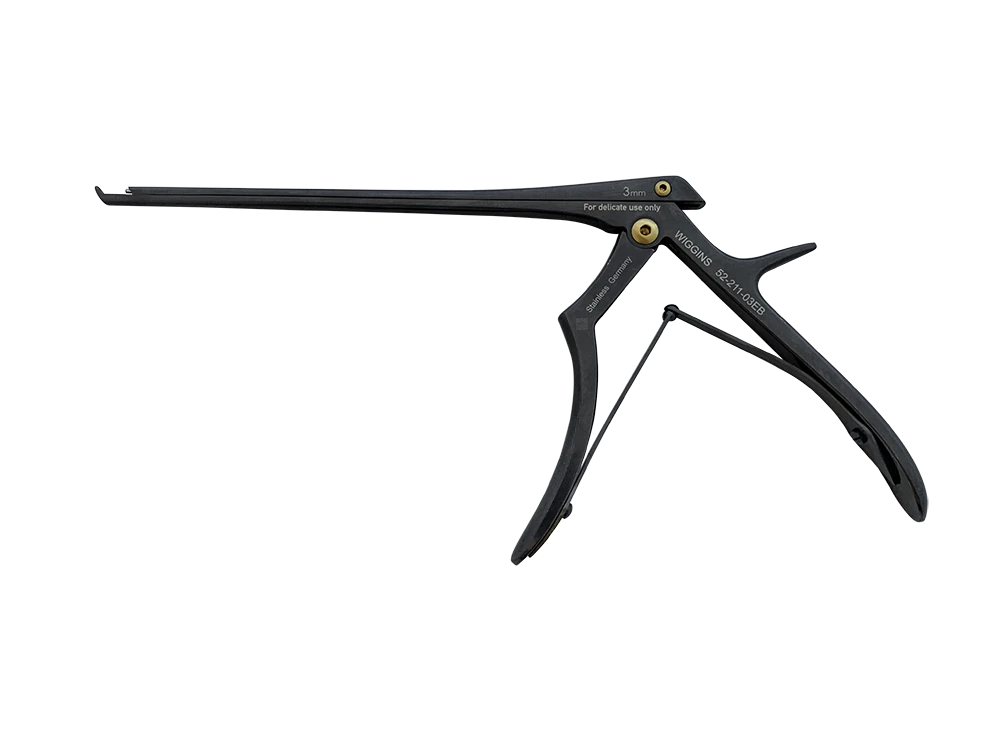
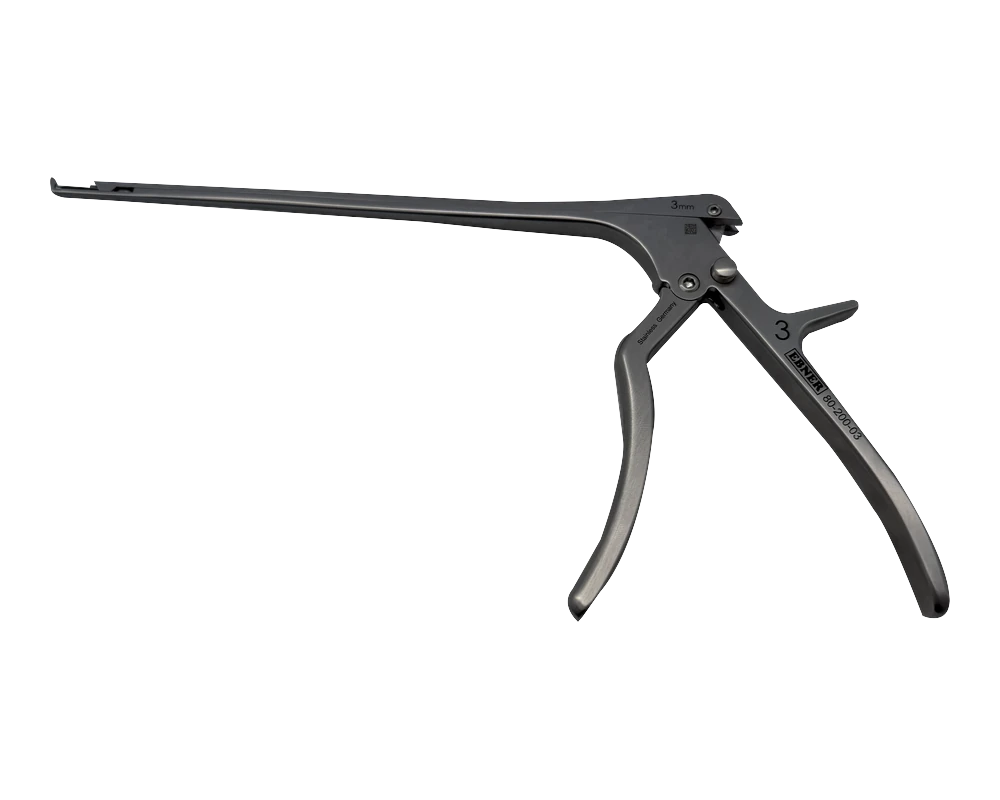
🎯 Introduction β€” ACE Medical & Wiggins Medical Kerrison Rongeurs

When it comes to Kerrison Rongeurs and precision bone punches for spine surgery, ACE Medical and Wiggins Medical together represent one of the most comprehensive instrument offerings available to surgeons today. Both brands are crafted in our renowned South German factory, where centuries of metallurgical expertise, meticulous hand-finishing, and rigorous quality standards come together to produce instruments trusted in operating rooms worldwide.

The ACE Medical Kerrison Rongeur is engineered with a focus on predictable cutting performance, consistent bone removal, and integrated ejector mechanisms. Every ACE Kerrison Rongeur includes an ejector built into the shaft, allowing bone fragments to be cleared quickly and efficiently after each bite. This makes ACE instruments particularly well-suited for surgeons who prioritize smooth workflow and uninterrupted decompression during procedures such as laminectomy, foraminotomy, and discectomy.

In contrast, Wiggins Medical Kerrison Rongeurs complement the ACE line by offering additional configurational flexibility. Wiggins has been a respected leader in spine instruments since 1992, known for its broad selection of patterns, working lengths, and unique design features. Many Wiggins Kerrisons are available with a pin ejector or no ejector at all, giving surgeons the option to tailor their instrument setup based on personal preference, case type, or clinical indication.

This variety can be particularly valuable in minimally invasive and open spine procedures where tactile feedback, instrument feel, or specific workflow preferences influence performance. Whether the surgeon prefers the simplicity of a non-ejector bone punch for tight anatomy or the control of a pin ejector to manage debris in confined spaces, Wiggins Medical fills those needs with a suite of curved, bayonet, rotating, and specialty Rongeurs.

Both ACE and Wiggins Medical Kerrisons reflect the precision, balance, and durability that spine surgeons demand. Engineered for performance, these instruments make controlled bone removal, precise decompression, and safe neural access possible across cervical, thoracic, and lumbar applications.

πŸ› οΈ Materials and Quality Standards Behind Our Kerrisons

Every ACE Medical and Wiggins Medical Kerrison Rongeur is manufactured using 100 percent German stainless steel, combining premium US grades 420 and 304 for exceptional strength, corrosion resistance, and cutting stability πŸ§ͺ. This material selection allows each bone punch to maintain consistent performance while resisting wear from repeated use and sterilization.

Our Kerrisons are produced in our South German factory under strict ISO 13485 certified quality management systems 🏭. This ensures every instrument meets precise manufacturing tolerances and delivers predictable results when used around delicate neural and vascular structures in spine surgery.

Unlike many large competitors that recommend sharpening Kerrison rongeurs every 15 uses, our instruments are engineered to maintain their cutting edge for the life of the instrument πŸ”§. In real clinical environments, this typically translates to 4 to 5 years of reliable use without routine sharpening, dramatically reducing downtime and maintenance costs.

Each Kerrison Rongeur is FDA 510k cleared for use in spine surgery, confirming its safety and performance for procedures such as laminectomy, foraminotomy, and decompression 🧠. Surgeons can rely on consistent bite strength and clean bone removal without the gradual performance loss common in economy grade bone punches.

This commitment to materials, quality control, and long term durability allows surgeons to focus on technique and patient outcomes rather than instrument limitations ⭐. Reliable performance from the first case to the last is what defines a truly premium Kerrison Rongeur.

🦴 Understanding Kerrison Rongeur Anatomy and Surgical Function

A Kerrison Rongeur is more than a bone punch, it is a precision instrument engineered for controlled spinal decompression 🧠. Each component of the Kerrison rongeur plays a critical role in achieving safe, efficient bone removal during procedures such as laminectomy, foraminotomy, and cervical decompression.

At the working end, the footplate defines how the Kerrison engages bone and protects surrounding neural structures πŸ”¬. Thin and ultra thin footplates are commonly selected for cervical spine surgery and anterior decompression, while standard footplates provide strength and stability for lumbar bone removal and wider exposure.

The bite width determines how much bone is removed with each cut, allowing surgeons to choose between fine, incremental decompression or more aggressive bone removal βš™οΈ. Available sizes ranging from 0.8mm to 6mm support precise control across both delicate and demanding spine procedures.

The handle and shaft geometry influence ergonomics and surgical efficiency βœ‹. Bayonet, curved, rotating, and straight Kerrison rongeurs are designed to improve visualization, reduce wrist strain, and maintain a natural hand position during minimally invasive spine surgery and open decompression cases.

🦴 Using a great spinal decompression bone punch, predictable bite depth, clean cutting action, and stable footplate positioning are essential to avoid slipping, excessive force, or unintended trauma.

ACE Medical and Wiggins Medical Kerrison Rongeurs are engineered so every component works together as a system ⭐. This anatomical precision allows surgeons to remove bone confidently, maintain control in confined anatomy, and complete decompression efficiently without unnecessary instrument changes.

🧠 Procedure Specific Applications of Kerrison Rongeurs

Kerrison punches are essential across a wide range of spine procedures, and selecting the correct configuration directly impacts surgical efficiency and patient outcomes πŸ”¬. During cervical spine surgery, surgeons frequently rely on thin or ultra thin footplate Kerrison rongeurs for anterior cervical decompression and ACDF procedures. These designs allow precise bone removal behind posterior osteophytes while minimizing risk to the spinal cord and nerve roots.

For lumbar spine surgery, Kerrison punches are commonly used during lumbar laminectomy and lumbar decompression procedures 🦴. Standard footplate bone punches provide strength and stability when removing thicker lamina and ligamentum flavum. Larger bite widths support efficient decompression while maintaining controlled, predictable cutting action throughout the case.

In foraminotomy procedures, curved Kerrison Rongeurs are a preferred instrument due to their ability to follow natural anatomical contours βš™οΈ. Foraminotomy bone punch techniques require precise angulation to decompress nerve roots without excessive bone removal. Slight curve and standard curve Kerrison rongeurs improve access to the neural foramen while maintaining visibility and ergonomic hand positioning.

Minimally invasive spine surgery often demands bayonet Kerrison Rongeurs and rotating Kerrison Rongeurs to preserve visualization under the microscope or endoscope πŸ”. MIS spine decompression procedures benefit from bayonet bone punches that keep the surgeon’s hand out of the visual field, while rotating Kerrison rongeurs allow angle adjustments without repositioning the instrument or endoscope.

Endoscopic spine surgery and transforaminal decompression procedures require long working length Kerrisonss with thin footplates 🌐. Endoscopic Kerrison rongeurs are designed to work through tubular retractors and narrow corridors, enabling controlled bone removal during endoscopic lumbar decompression and endoscopic cervical spine surgery.

Across all procedures, surgeons search for reliable spinal decompression instruments that deliver consistent performance ⭐. Whether performing ACDF surgery, lumbar laminectomy, foraminotomy, MIS spine surgery, or endoscopic decompression, Kerrison Rongeurs remain the gold standard bone punch for safe, efficient spinal bone removal.

⏱️ Laminectomy Efficiency and Why Instrument Performance Matters

A laminectomy is often the foundation of successful spine surgery, yet it can quickly become the most time-consuming portion of the case when instruments fail to perform as expected 🦴. The goal is straightforward remove bone cleanly decompress neural structures and move forward efficiently. In reality many surgeons experience prolonged laminectomies because the Kerrison rongeur on the field is not cutting consistently.

When a dull or ineffective Kerrison rongeur is used the surgeon is forced to take partial bites apply excessive hand force or repeatedly reposition the instrument to achieve the same result. Each failed bite adds seconds that compound into minutes and in some cases hours over multiple levels ⏳. What should be a controlled predictable decompression becomes physically demanding and mentally frustrating.

High quality Kerrison rongeurs designed for spine surgery allow surgeons to complete laminectomies smoothly with clean single bites. Consistent cutting performance reduces hand fatigue and improves rhythm throughout the procedure 🧠. This efficiency becomes even more critical during multilevel decompressions where cumulative delays significantly extend anesthesia time and overall case length.

Using reliable spine bone punches and Kerrison rongeurs that hold their edge allows surgeons to focus on anatomy rather than fighting their instruments. Shorter laminectomy times translate directly into safer cases improved workflow and better patient outcomes ⭐.

⚠️ Dull Kerrisons Hard Bone and the Risk to the Dura

One of the most serious risks during spine surgery occurs when a Kerrison rongeur fails to bite and instead slips off hard bone 🧠. In cervical and lumbar procedures this loss of control can send the cutting edge directly toward the dura nerve roots or vascular structures. A momentary slip can result in a dural tear or cerebrospinal fluid leak.

CSF leaks are not minor inconveniences. They extend operative time increase postoperative monitoring and may require additional repair steps such as suturing sealants or grafting πŸ§ͺ. Each added intervention introduces new risks and delays closure. What began as a routine decompression can quickly become a complex problem.

Dull Kerrison rongeurs are especially dangerous when encountering sclerotic bone osteophytes or dense lamina. Instead of cutting cleanly the instrument skates across the surface forcing the surgeon to apply more pressure or adjust wrist angle in unnatural ways ⚠️. These compensations increase the likelihood of unintended movement.

High performance Kerrison rongeurs engineered for spine surgery eliminate this risk by delivering predictable bite engagement every time. When the cutting edge performs as intended the surgeon can confidently place the footplate behind the bone and complete the bite without hesitation 🦴. This control is essential for safe laminectomy foraminotomy and decompression near critical anatomy.

🧠 Surgeon Fatigue and Long Term Physical Strain

Repeatedly squeezing a dull Kerrison rongeur does more than slow the case. It places unnecessary strain on the surgeon’s hand wrist and forearm πŸ’ͺ. Over years of practice this contributes to fatigue discomfort and even carpal tunnel symptoms that affect longevity in the operating room.

Effective spine instruments reduce the force required to remove bone. Clean cutting action means fewer repeated bites and less grip pressure per motion. Surgeons experience smoother workflow and less physical stress over long cases 🧘.

This is particularly important in high volume spine practices where surgeons perform multiple decompressions per week. Instrument quality directly impacts surgeon health as much as procedural efficiency. Reliable Kerrison rongeurs protect not only the patient but also the surgeon performing the operation ⭐.

πŸ’° Time Saved in Surgery Is Time Saved Everywhere

Every extra minute in the operating room has a cost. Extended case times increase anesthesia exposure staffing requirements and turnover delays ⏱️. When laminectomies take longer due to ineffective instruments the entire surgical schedule is affected.

Reliable Kerrison rongeurs shorten decompression time by allowing surgeons to work efficiently from the first bite to the last. Faster bone removal leads to smoother transitions between surgical steps and reduces cumulative delays across multilevel procedures 🦴.

This time savings benefits everyone. Surgeons maintain focus staff experience less fatigue and patients spend less time under anesthesia. Hospitals benefit from improved throughput and reduced overtime costs πŸ₯.

πŸ”§ Downtime Repair Cycles and the Hidden Cost of Sharpening

Many so-called industry standard Kerrison rongeurs require sharpening every 15 uses. This frequent maintenance cycle creates hidden costs and logistical challenges πŸ”. Instruments must be pulled from rotation shipped for service and replaced with backup sets that often perform inconsistently.

As instruments are repeatedly sharpened their lifespan shortens. Bite geometry changes performance degrades and surgeons lose confidence in the tray. Hospitals compensate by purchasing extra sets to cover downtime increasing capital spend without improving outcomes πŸ’Έ.

ACE Medical and Wiggins Medical Kerrison rongeurs are designed to avoid this cycle. Their cutting edges do not require routine sharpening and maintain performance for years of clinical use. Many sets remain in service for four to five years with minimal maintenance βš™οΈ.

Instead of managing constant repairs facilities can rely on fewer sets that perform consistently every time they are opened. This reliability simplifies inventory management and eliminates unnecessary downtime.

πŸ” Consistency Case After Case

Surgeons depend on predictability. When an instrument performs differently from one case to the next it disrupts technique and confidence 🧠. Consistent Kerrison rongeur performance allows surgeons to develop muscle memory and refine their approach without compensating for dull or unreliable tools.

ACE and Wiggins Medical spine instruments are manufactured in the same South German facility using rigorous quality standards. This consistency ensures that every Kerrison rongeur feels and performs the same regardless of size style or configuration 🏭.

Predictable performance means surgeons can focus on patient anatomy rather than instrument limitations. That confidence carries through every laminectomy foraminotomy and decompression procedure ⭐.

πŸš€ Better Instruments Better Outcomes

When surgeons use sharp reliable Kerrison rongeurs procedures move faster complications decrease and physical strain is reduced 🧠. Patients benefit from shorter operative times lower risk of dural injury and smoother recoveries.

Hospitals benefit from fewer repairs lower instrument replacement costs and improved OR efficiency πŸ₯. Surgeons benefit from instruments that work exactly as expected every time they reach for them.

Choosing ACE Medical and Wiggins Medical Kerrison rongeurs is not about upgrading equipment. It is about removing obstacles from spine surgery and allowing surgeons to perform at their highest level every day ⭐.

🧩 Finding the Right Kerrison Rongeur for Your Surgical Technique

No two surgeons operate the same way, and no two spine cases are identical 🧠. Choosing the right Kerrison Rongeur is not about selecting a single β€œbest” instrument, but about matching the instrument to your technique, anatomy, and procedural goals. Having access to both ACE Medical and Wiggins Medical Kerrison Rongeurs gives surgeons the flexibility to build a setup that works the way they do.

Some surgeons prefer the consistent debris control of an ejector with every bite, especially during high volume lumbar decompression or laminectomy procedures βš™οΈ. Others favor the tactile feedback of a pin ejector or no ejector at all when performing fine cervical decompression or foraminotomy. By offering both systems, surgeons are not forced to adapt to the instrument, the instrument adapts to them.

Technique also drives decisions around length, bite width, and footplate style 🦴. Pediatric spine surgery may require shorter working lengths, while deep lumbar exposure benefits from longer shafts. Thin and ultra thin footplates support ACDF and anterior cervical decompression, while standard footplates deliver power and stability during lumbar laminectomy. Curved, bayonet, rotating, and detachable options further expand the ability to customize for each surgical approach.

Having both ACE Medical and Wiggins Medical Kerrison Punches available allows surgeons to confidently treat a wide range of spinal pathologies using instruments designed for precision, reliability, and comfort ⭐. When the goal is to deliver the best possible care to patients, having the right options on the tray makes all the difference.

πŸš€ Take Control of Every Decompression

When precision matters and time in the OR counts, your Kerrisons should work as hard as you do 🧠. Dull bone punches, missed bites, and constant instrument changes slow cases down and increase fatigue. Your tools should never be the limiting factor in spine surgery.

ACE Medical and Wiggins Medical Kerrison Rongeurs are built to deliver clean, reliable cuts with every bite βš™οΈ. From ACDF and foraminotomy to lumbar laminectomy and MIS spine procedures, these instruments are designed to support confident technique and efficient workflow case after case.

Stop adapting your hands to ineffective instruments 🦴. Upgrade to Kerrison Rongeurs engineered for durability, precision, and surgeon preference. Your patients deserve better outcomes, and you deserve instruments that perform exactly as expected.

⬆️ Scroll back to the top of the page
πŸ“© Request a quote and build the ideal Kerrison Rongeur set for your surgical technique today

πŸ” Additional Search Terms Related to Kerrison Rongeurs

kerrison rongeur, bone punch, bone punches, spinal bone punch, spine rongeur, spinal rongeurs, laminectomy instruments, foraminotomy instruments, cervical spine bone punch, lumbar spine rongeur, MIS spine instruments, minimally invasive spine rongeur, bayonet kerrison rongeur, curved kerrison rongeur, down biting kerrison, sublaminar kerrison, endoscopic spine rongeur, neurosurgical bone punch, orthopedic spine instruments.