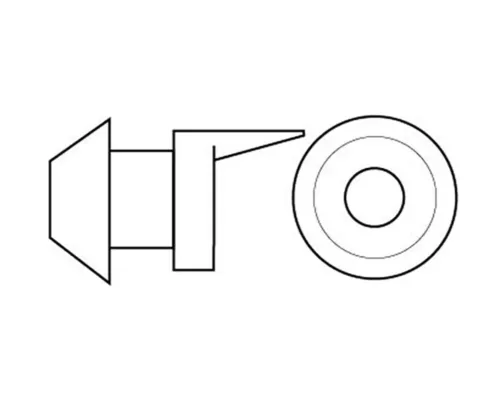
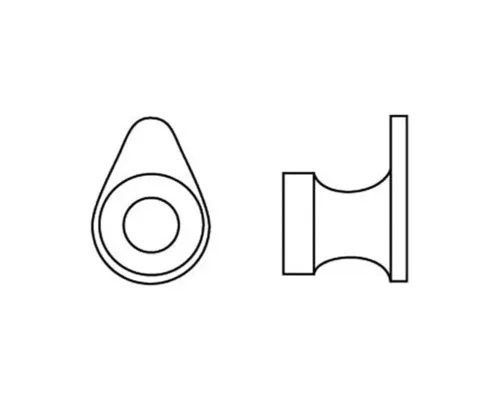
Description
T Tube Ventilation Ear Tubes for Long Term Middle Ear Support
T Tube Ventilation Ear Tubes are designed for cases where extended middle ear aeration is required to manage chronic and recurrent otologic conditions 👂🩺. Unlike short term grommet styles, T tube designs provide prolonged retention within the tympanic membrane, making them a preferred option for surgeons treating patients with persistent middle ear disease or repeated tube extrusion.
These tubes are commonly selected when long term ventilation is essential to maintaining middle ear health, reducing fluid buildup, and preserving hearing outcomes over time.
Use in Chronic Otitis Media and Persistent Effusion
One of the most common indications for T Tube Ventilation Ear Tubes is chronic otitis media with effusion that does not resolve with standard short term tube placement 🌬️. In patients who experience ongoing fluid accumulation behind the tympanic membrane, long term ventilation supports continuous pressure equalization and drainage.
Surgeons performing tympanostomy with long term ventilation ear tubes often choose T tube designs to reduce the need for repeat procedures and to provide stable aeration during extended healing and monitoring periods.
T Tube Ventilation Ear Tubes for Recurrent Tube Extrusion
Patients who have a history of early tube extrusion may benefit from the increased retention offered by T tube ventilation designs 🔁. The unique shape of the tube anchors it more securely within the tympanic membrane, helping maintain position over a longer duration.
In these cases, surgeons frequently select T Tube Ventilation Ear Tubes for recurrent middle ear disease when conventional designs have failed to remain in place long enough to achieve lasting clinical improvement.
Adult Indications and Long Term Eustachian Tube Dysfunction
While commonly associated with pediatric care, T Tube Ventilation Ear Tubes are also widely used in adult patients 👂. Adults with chronic eustachian tube dysfunction, barotrauma, or persistent middle ear fluid often require longer term solutions to stabilize pressure and prevent recurring symptoms.
Surgeons placing ventilation tubes for adult patients may prefer T tube designs due to their durability and ability to support sustained middle ear aeration without frequent replacement.
Surgical Technique and Procedural Integration
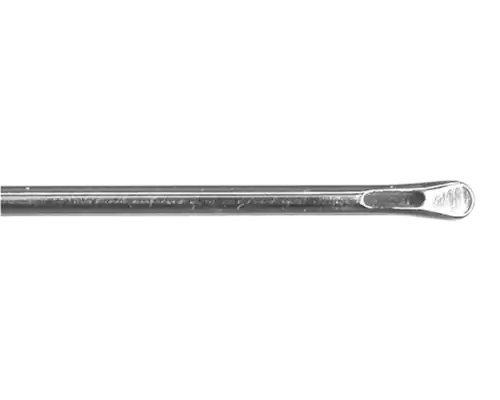
T Tube Ventilation Ear Tubes are typically placed during tympanostomy procedures following precise incision of the tympanic membrane 🧠. The use of sharp myringotomy blades allows for controlled access, while disposable ear speculums provide clear visualization of the ear canal and tympanic membrane throughout the procedure 🔍.
Careful placement technique supports secure seating of the tube and minimizes trauma to surrounding tissue, contributing to predictable healing and reduced complication rates.
Buyer Considerations for Long Term Ventilation Solutions
For buyers and procurement teams, T Tube Ventilation Ear Tubes represent a strategic option for supporting complex and long term ENT care 🏥📦. These tubes are often stocked to meet the needs of surgeons treating advanced cases where extended ventilation is clinically necessary.
Including T tube designs within an ear tube portfolio allows facilities to support a broader range of procedures while reducing repeat interventions and improving continuity of care for patients with chronic middle ear conditions.
A Reliable Solution for Extended Middle Ear Ventilation
Whether used for chronic otitis media, recurrent effusion, or adult eustachian tube dysfunction, T Tube Ventilation Ear Tubes provide dependable long term support for middle ear health 👂📈. Their retention focused design and clinical versatility make them an essential option for ENT practices managing complex ventilation needs.
Request a Quote
⬆️ Scroll back to the top of the page to review our selection of T Tube Ventilation Ear Tubes and explore the options that best support your surgical approach and patient population 👂🩺. When you’re ready, request a quote to equip your practice with long term ventilation solutions designed for reliability, durability, and consistent clinical outcomes 📩📦.