Description
✂️ Crile Forceps — Trusted Hemostats for Every Procedure
Precision-Clamping, German-Made, and Designed for Daily Use in High-Demand Operating Rooms
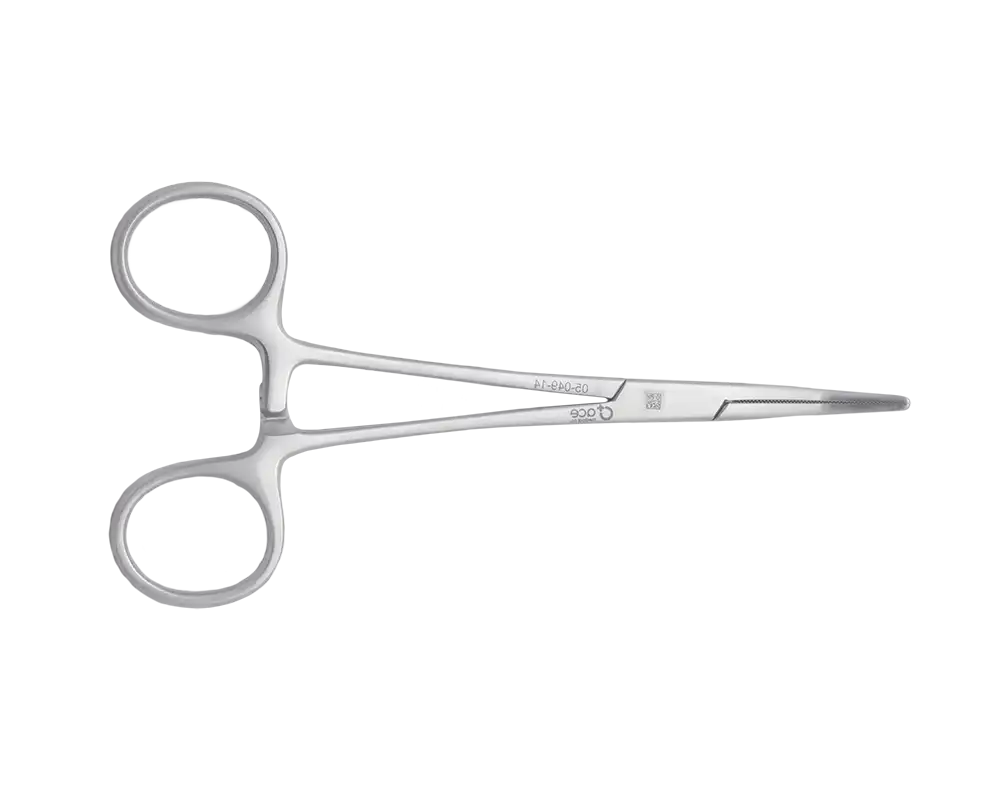
In surgery, reliability isn’t optional, it’s essential. Few instruments embody that principle better than the Crile Forceps. Designed with full-length serrated jaws, a ratcheted finger-ring handle, and available in straight or curved patterns, Crile Forceps are an OR essential for achieving hemostasis, dissecting tissue planes, and controlling vessels with precision.
Our German-made Crile Forceps, forged from high-quality surgical stainless steel, are trusted by surgical teams across specialties for their firm grip, consistent performance, and long-term durability. Whether in a trauma suite, outpatient surgery center, or high-volume hospital, these forceps earn their keep, case after case.
🧠 What Are Crile Forceps?
Crile Forceps, often referred to as “standard hemostats,” are a type of surgical clamp used to occlude blood vessels, grasp soft tissue, and assist in blunt dissection. Named after Dr. George Crile, a pioneer in surgical hemostasis, these forceps are distinguished by full-length jaw serrations, which provide a secure, uniform grip along the entire clamping surface.
They’re used in virtually every surgical specialty and are one of the most common instruments found in both basic and advanced surgical trays.
📏 Standard Sizing and Design
The most commonly used Crile Forceps are approximately 5.5 inches (14 cm) long. This size strikes the perfect balance between reach and control for both surface-level procedures and deeper access in confined fields.
Two design options are typically available:
Both patterns are equally essential, and many surgical sets include both options to accommodate varying procedural needs.
🔍 Key Features of Crile Forceps
🔒 Full Jaw Serration
The most important design distinction in Crile Forceps is the complete serration across the entire inner jaw, unlike Kelly Forceps, which are serrated only at the tip. This allows for even pressure distribution and firm tissue control along the entire length of the clamp.
-
✅ Excellent for vessel occlusion
-
✅ Maintains grip in wet or fibrous tissue
-
✅ Reduces the risk of slippage or trauma
⚙️ Ratcheted Locking Mechanism
The handle includes a multi-position ratchet that locks the jaws in place once applied, providing hands-free operation and consistent tension during dissection or retraction.
-
🔐 Smooth engagement, minimal hand fatigue
-
💼 Reliable lock-and-release cycle for quick application and removal
🖐️ Ergonomic Finger Rings
Designed for comfort and control, the rounded finger rings reduce hand strain even during lengthy cases. The forceps feel balanced and lightweight, but sturdy, helping ensure confident manipulation in tight or complex fields.
🏥 Clinical Applications of Crile Forceps
Crile Forceps are considered one of the most universally used instruments in surgical practice. Their versatility makes them a go-to for both scheduled procedures and emergencies.
General Surgery
-
Clamping bleeding vessels during incisions
-
Holding sutures or small sponges
-
Performing blunt dissection of tissue planes
OB/GYN
-
Securing the uterine vessels during hysterectomy
-
Controlling bleeding during dilation and curettage
-
Manipulating tissue in pelvic cavity surgeries
Orthopedic Surgery
Emergency/Trauma
-
Achieving rapid hemorrhage control
-
Holding vascular clips or tying ligatures
-
Providing temporary occlusion in field conditions
Minor Procedures
-
Used in clinics for laceration repairs, I&Ds, or foreign body retrieval
-
Preferred by dermatologists for small excisions or cautery control
🧼 Built for High-Volume Reuse
Hospitals and ambulatory surgery centers rely on instruments that can withstand daily use and frequent sterilization. Crile Forceps are used dozens of times per day, often across multiple cases and surgical teams. That means quality isn’t a luxury, it’s a necessity.
Why German Stainless Steel?
-
🔩 Corrosion-resistant, even after hundreds of autoclave cycles
-
🧽 Smooth surface finish for easy cleaning and inspection
-
🧬 Non-reactive, surgical-grade alloy ensures biocompatibility
-
⚙️ Strong hinge tolerances keep the clamp aligned and functional long-term
Purchasing Tissue Forceps made in Germany 🇩🇪 means you’re investing in craftsmanship and reliability that pays off over time, both clinically and financially.
⏱️ For the OR and the SPD
From the Operating Room to the Sterile Processing Department, Tissue Forceps are easy to manage and highly dependable. Key benefits include:
-
🔁 Quick to clean and inspect
-
🧼 Autoclavable up to 134°C
-
🔍 Minimal hinge wear or lock slippage over time
-
🧰 Easily standardized across multiple trays
💼 The Procurement Perspective
From a hospital administrator’s standpoint, Tissue Forceps are one of the highest-ROI instruments in your catalog. Choosing low-grade clamps might save money in the short term, but lead to long-term issues such as:
Choosing well-crafted, German-made Crile Forceps eliminates those pain points while improving performance, turnover efficiency, and surgical outcomes.
🛒 Why Choose Crile Forceps from ACE Medical?
At ACE Medical, we offer Forceps that meet rigorous quality standards:
-
📏 Available in both straight and curved patterns
-
🔒 Full serrated jaws for secure grip
-
🧼 Reusable, durable, and easy to sterilize
-
🇩🇪 Made in Germany from high-quality stainless steel
-
🧠 Trusted by surgeons and OR teams worldwide
Whether you’re equipping a new surgical suite, replenishing aging inventory, or standardizing trays across multiple departments, Crile Forceps from ACE Medical deliver unmatched reliability, comfort, and performance.
👉 Order Now — Dependable Performance Starts Here
Looking to upgrade your surgical tray with dependable, high-performance instruments?