Description
Septal Buttons for Nasal Septal Perforation Repair and Support
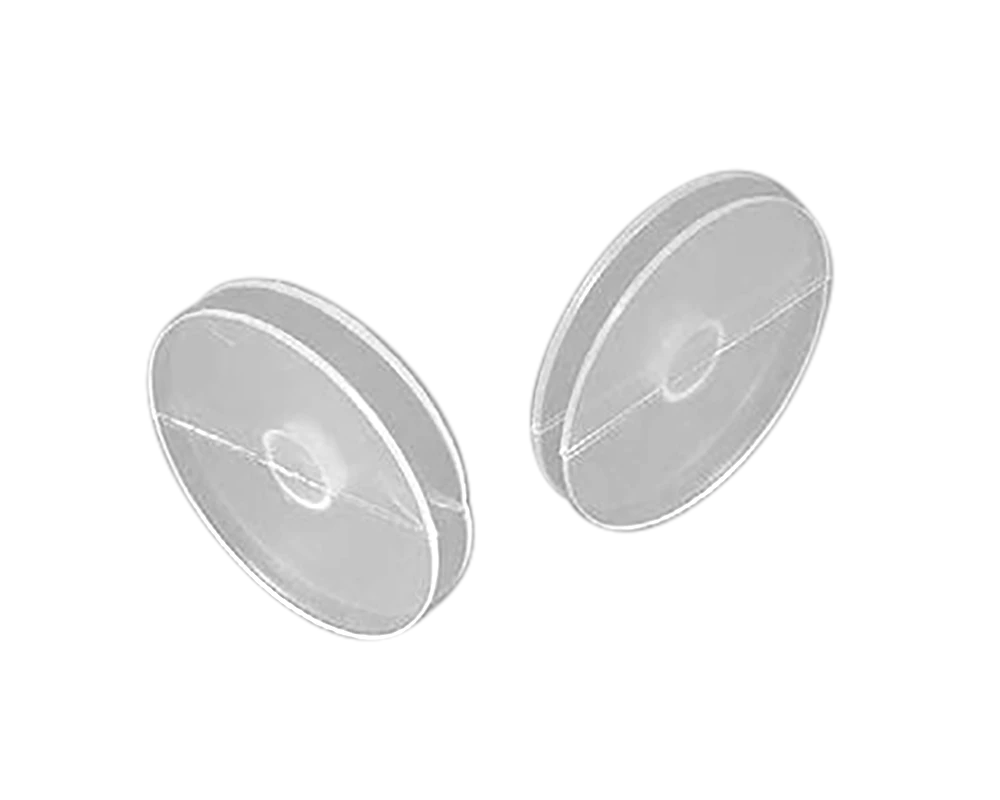
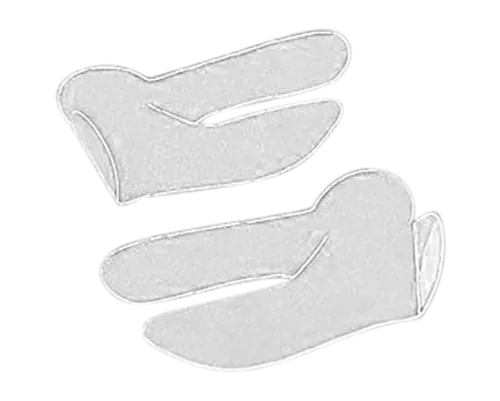
Septal Buttons are specialized ENT implants designed to support patients with nasal septal perforations, preventing airflow turbulence, crusting, and discomfort while improving nasal function and quality of life 👃🩺. These devices provide a minimally invasive option for septal defect management, offering structural support and symptom relief without the need for extensive surgery.
Septal buttons are commonly used in both clinical and surgical settings when patients present with symptomatic perforations caused by trauma, septoplasty complications, inflammatory disorders, or prior nasal surgery. By stabilizing the septal tissues and bridging the defect, septal buttons help restore normal airflow and reduce secondary issues like bleeding, whistling, and chronic crusting.
Clinical Use in Nasal Septal Perforation Management
Nasal septal perforations occur when there is a full-thickness defect in the cartilaginous or bony septum, leading to symptoms such as whistling during breathing, epistaxis (nosebleeds), crust formation, and a sensation of nasal obstruction 🌬️. Septal buttons serve as an effective non-surgical or adjunctive solution for managing these perforations, particularly in patients who are not ideal surgical candidates or who prefer a less invasive option.
ENT surgeons often consider septal buttons when conservative measures like saline irrigation and topical therapy are insufficient. By covering the perforation, the button reduces exposed edges and promotes a more stable mucosal environment, helping decrease crusting and bleeding while improving nasal airflow dynamics.
Design Features and Material Considerations
Septal buttons are engineered with smooth, biocompatible surfaces that minimize irritation and encourage patient comfort 😌. Their rounded profile and gentle edges help reduce the risk of pressure necrosis or additional mucosal injury, making them suitable for extended wear in the nasal cavity.
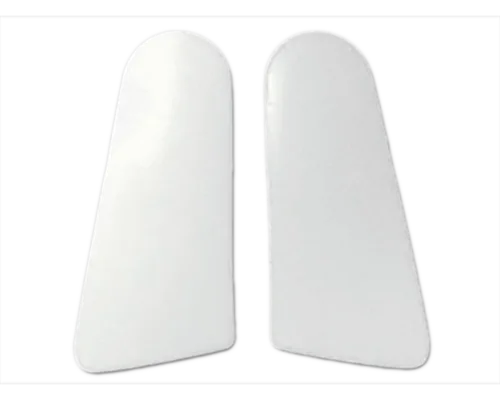
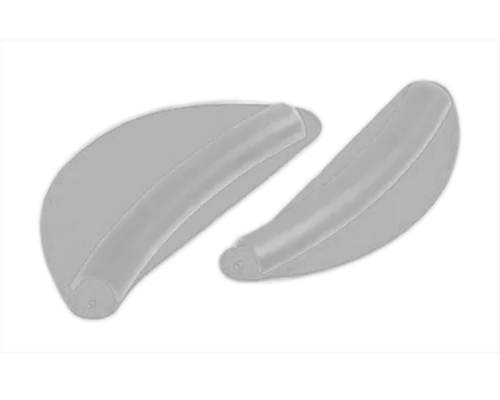
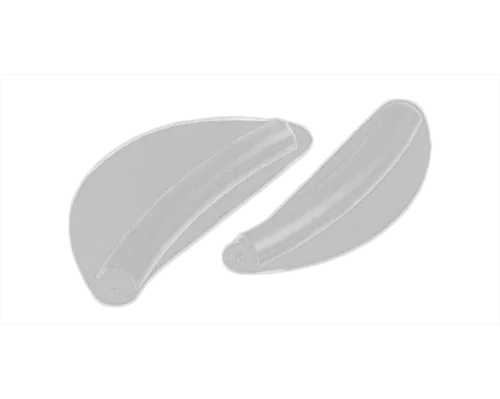
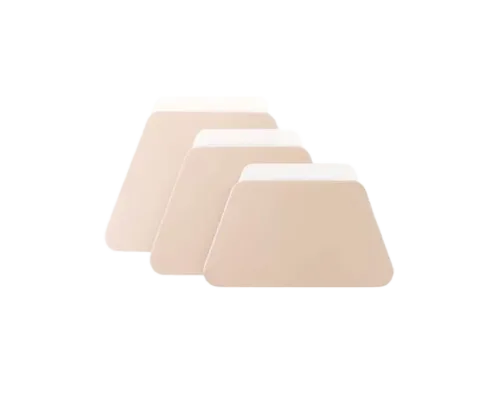
The soft silicone material and manufacturing precision ensure reliable performance across a range of perforation sizes. Buttons are available in multiple diameters and thicknesses to match the specific defect size and anatomical requirements of each patient. This allows surgeons to tailor device selection based on perforation characteristics and patient comfort.
Benefits for Patient Comfort and Nasal Function
One of the primary benefits of septal buttons is improved nasal function and symptomatic relief 🧠. By sealing the perforation, these devices help normalize airflow and reduce the turbulence that contributes to nasal dryness, crusting, and noise during respiration.
Patients often report a decrease in nosebleeds, less crusting, and better overall comfort when breathing through the nose following septal button placement. The ability to sit comfortably in the nasal cavity without frequent adjustment or irritation makes these devices a reliable choice for patients seeking long-term management of septal perforations.
Integration with ENT Surgical Workflow
Placement of septal buttons is typically performed in the office or minor procedure setting, often under local anesthesia 🧪. The technique involves identifying the perforation, sizing the defect, and selecting the appropriate button diameter, followed by careful insertion to span the perforation without excessive pressure on surrounding mucosa.
Because septal buttons can be used as a primary therapy or in conjunction with surgical repair, they offer flexibility in clinical practice. Surgeons appreciate having a non-invasive option that can provide immediate symptomatic relief while supporting patient-centered decision-making.
Pediatric and Adult Considerations
Septal perforations can occur in both pediatric and adult patients due to trauma, prior surgery, inflammatory disease, or structural weakness 👶👩⚕️. Septal buttons are suitable across age groups when appropriately sized and selected, providing a tailored approach to management without the need for extensive surgical intervention.
In adult patients, septal buttons may be particularly valuable in those with comorbidities that increase surgical risk or in those who prefer a conservative management strategy. In younger patients with smaller anatomy, careful sizing and gentle placement help ensure comfort and function.
Buyer and Inventory Considerations
For buyers and surgical supply teams, septal buttons represent a critical option in a comprehensive ENT instrument and implant inventory 📦. Offering a range of sizes and styles supports surgeon preference and patient anatomy diversity, reducing the need for special orders or delays in care.
Stocking septal buttons alongside other perforation management tools and nasal surgery supplies allows facilities to provide a full continuum of care for patients with septal defects.
Request a Quote
⬆️ Scroll back to the top of the page to explore our full selection of Septal Buttons and review the available sizes and configurations 👃🩺. When you’re ready, request a quote to equip your practice with reliable solutions designed to support improved nasal airflow, reduced symptoms, and enhanced patient comfort📩📦.