Description
🧠 MIS Dissectors & Probes — Precision Tactile Control in Minimally Invasive Procedures
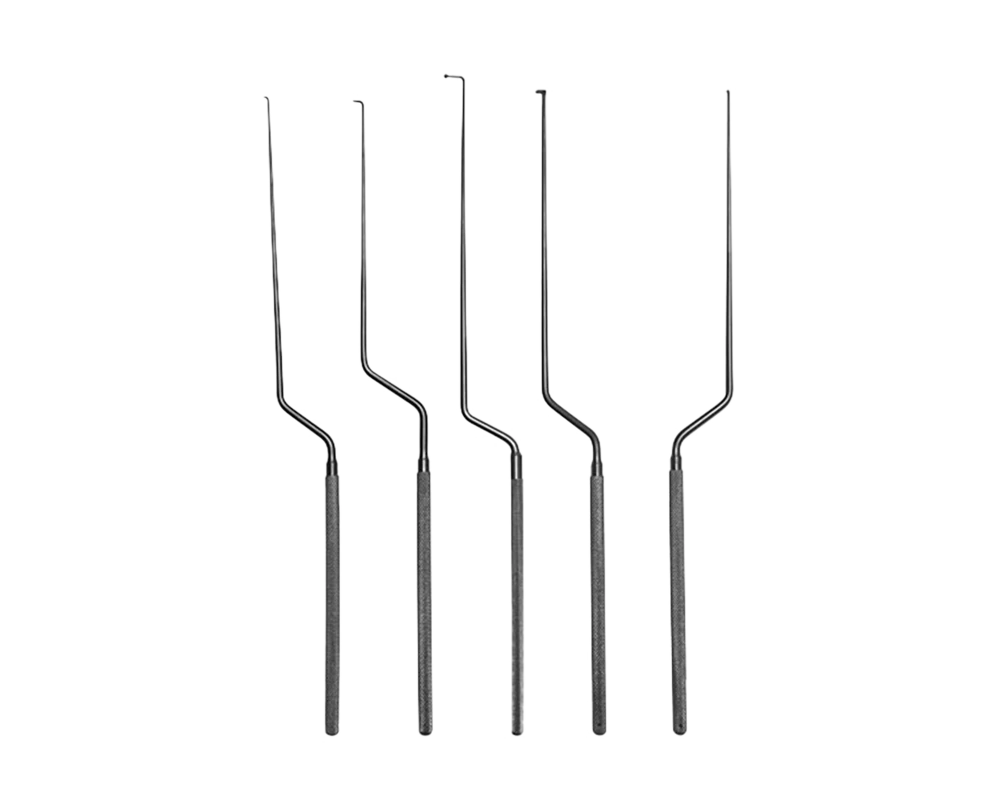
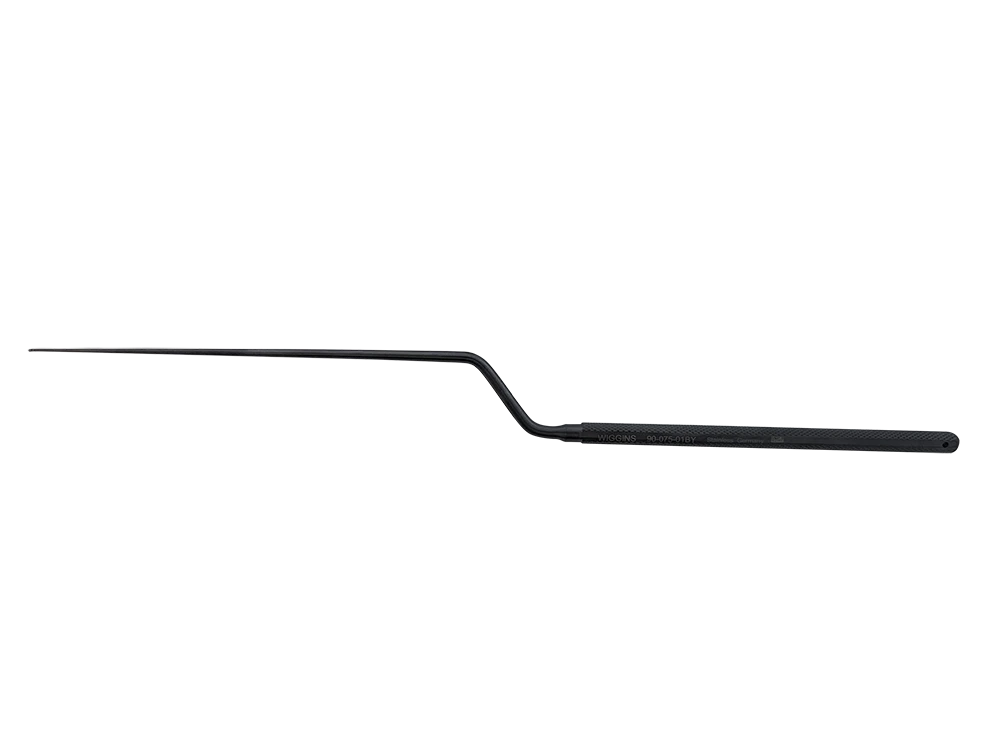
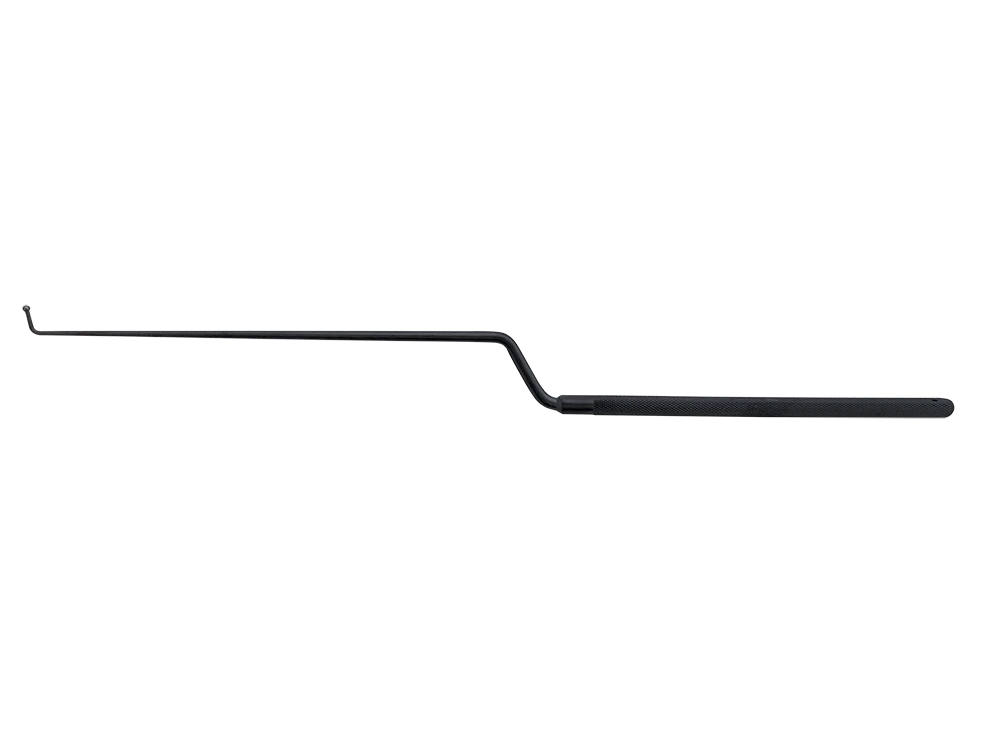
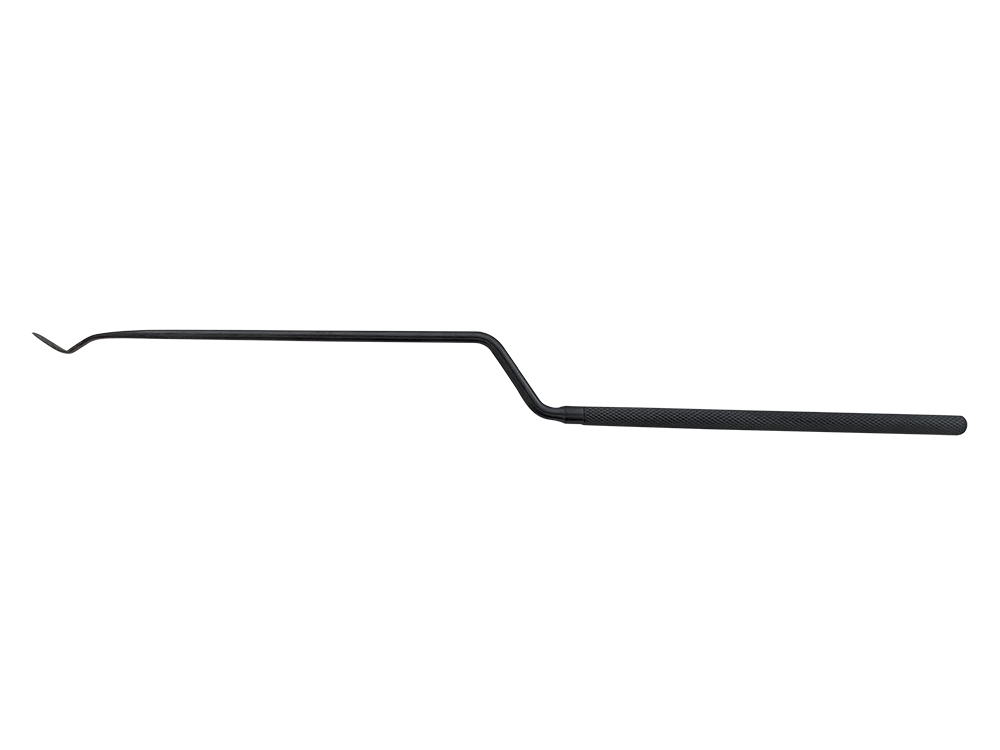
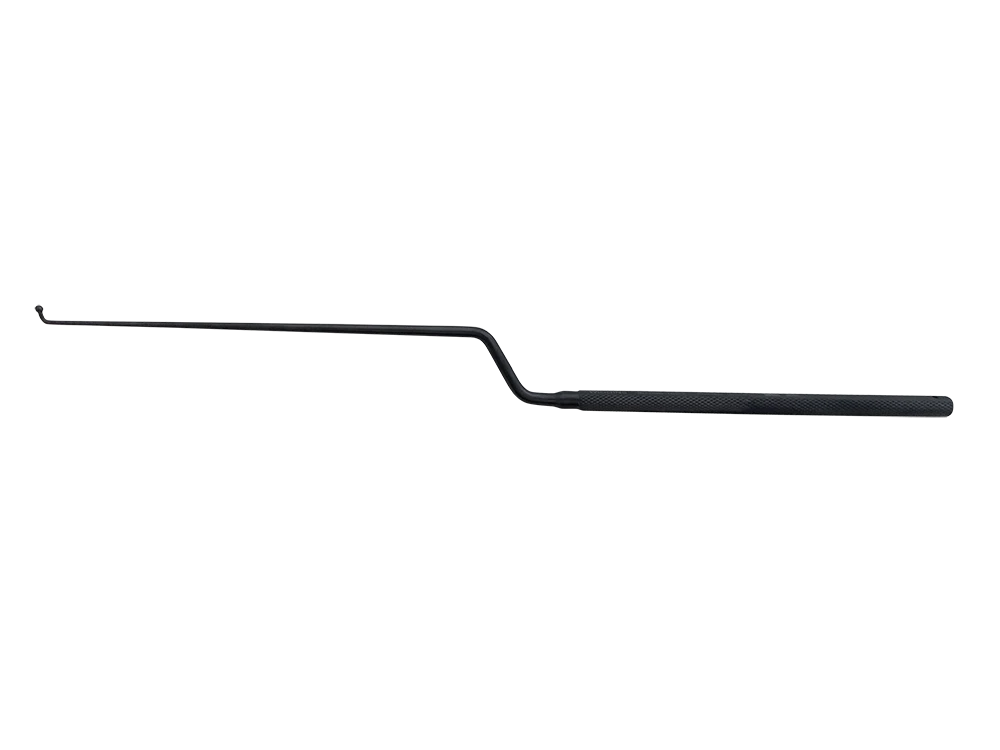
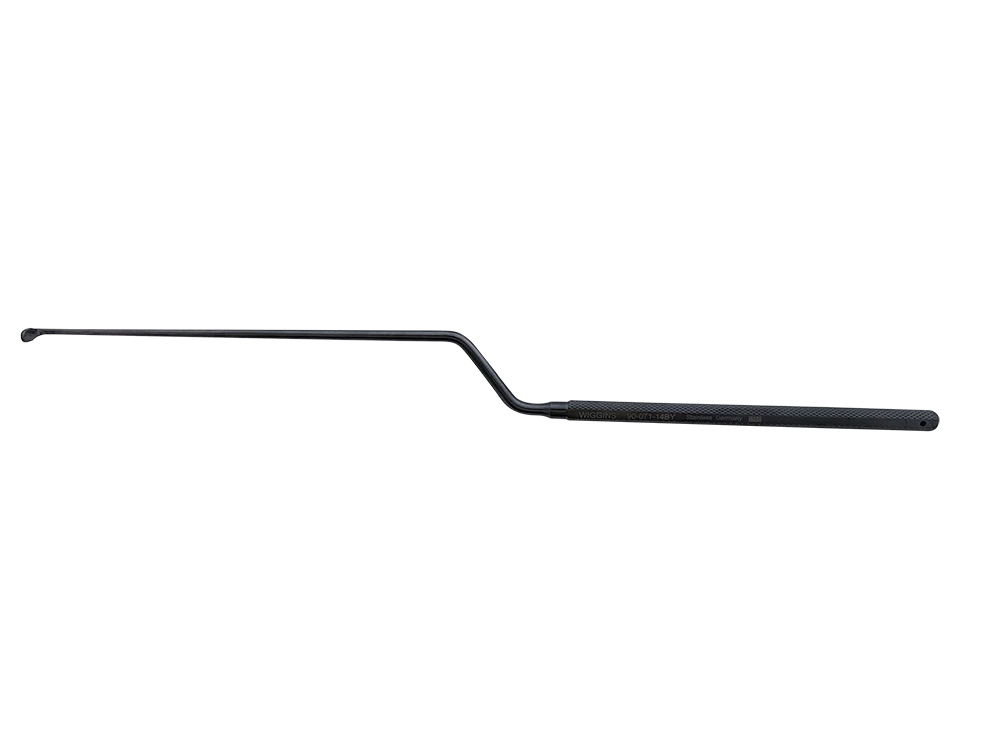
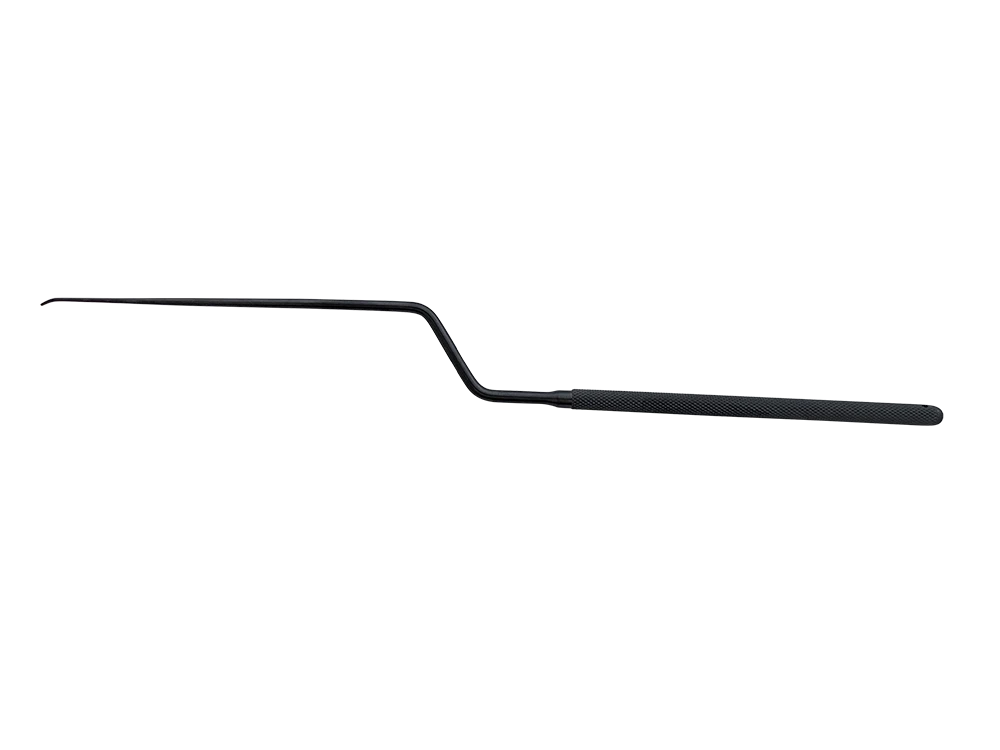
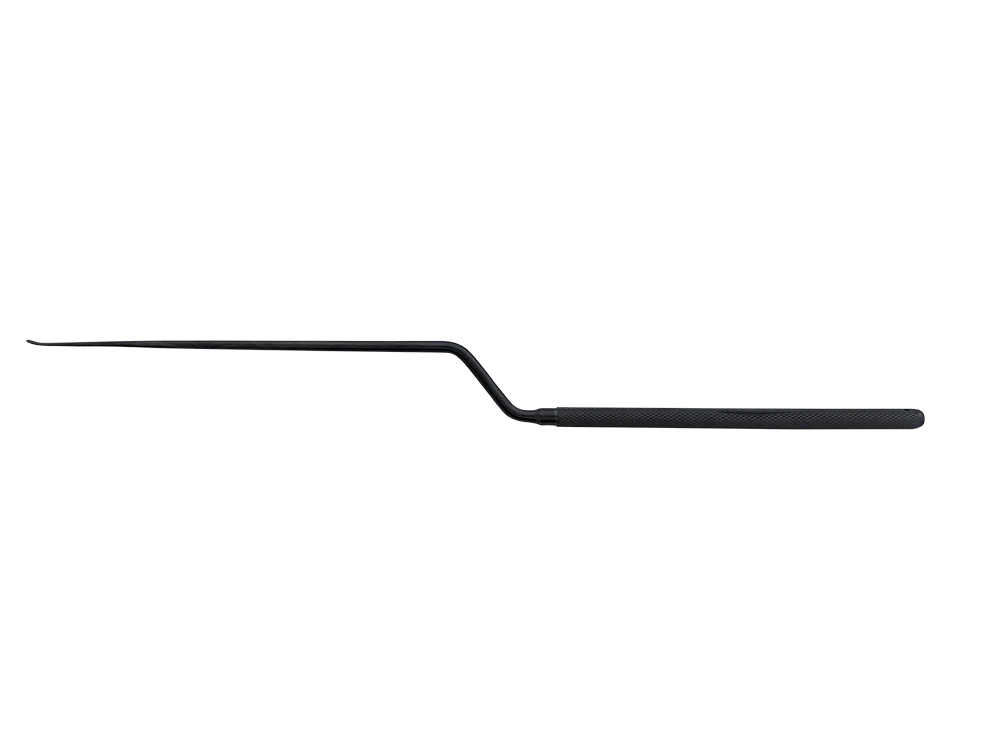
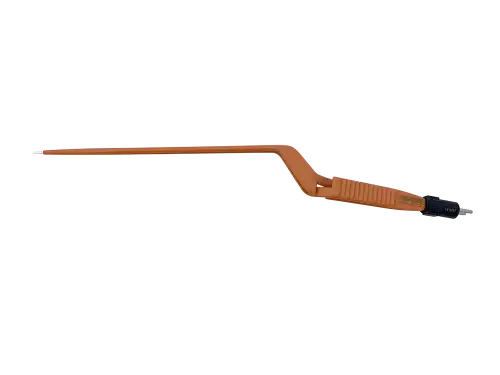
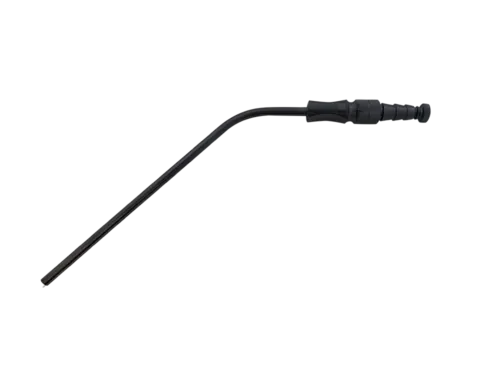
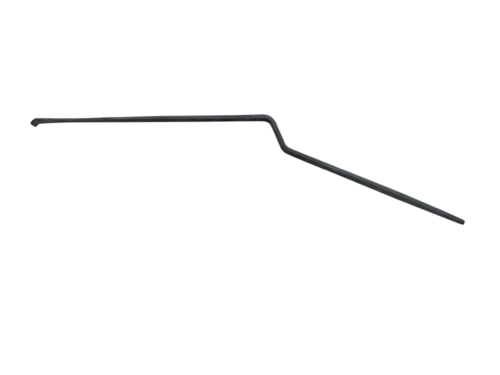
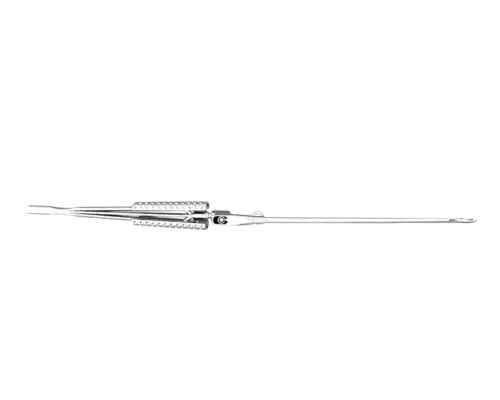
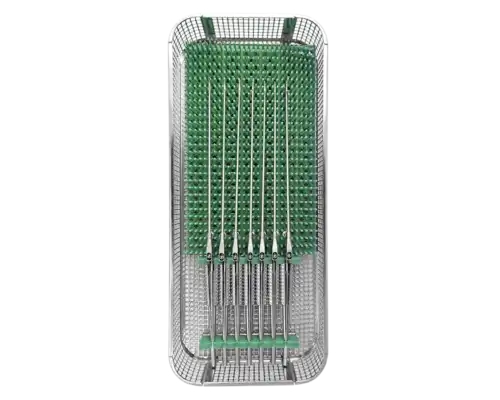
In the intricate world of minimally invasive spinal, cranial, ENT, and microvascular surgery, a surgeon’s sense of touch is paramount. The MIS Dissectors & Probes set offers responsive, fine-tuned instruments engineered for navigating and separating delicate tissues in narrow anatomical corridors. But these aren’t just ordinary probes, each pattern is also available in straight, left-angled, and right-angled orientations, ensuring optimal approach and tactile feedback tailored to every case.
🔍 A Closer Look at Design & Functionality
🛠️ Diverse Tip Profiles
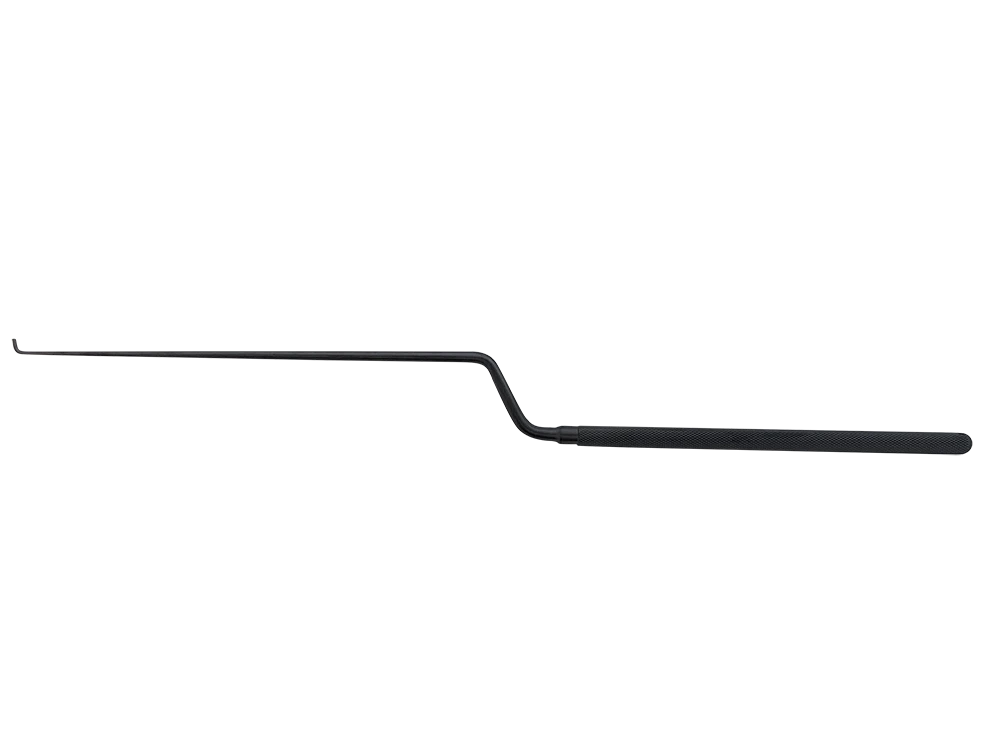
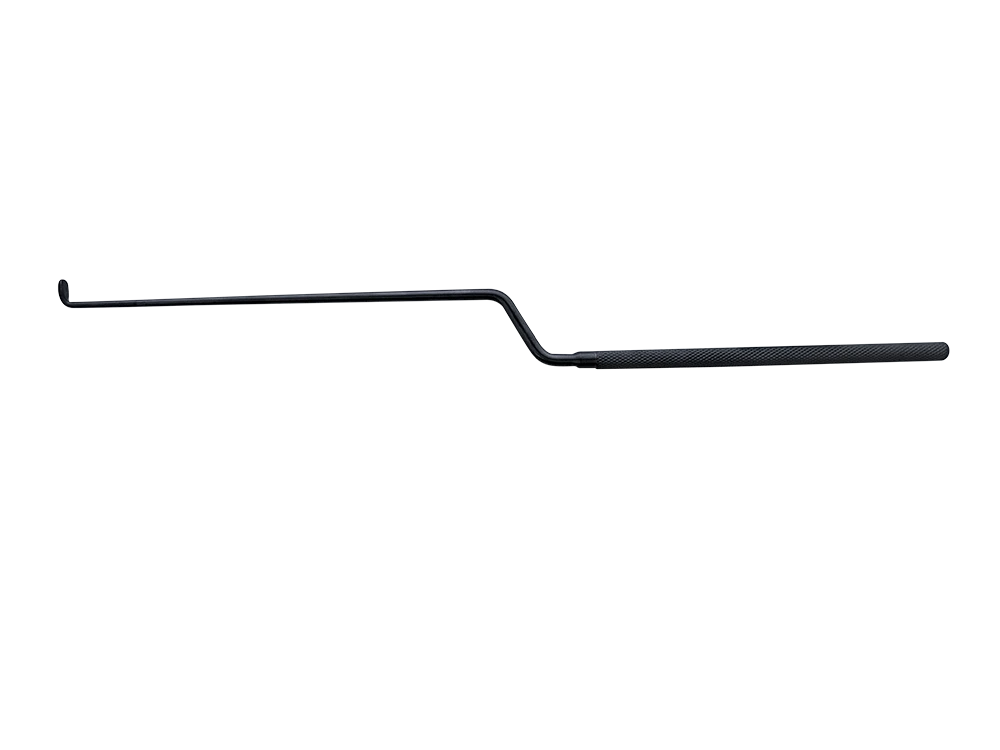
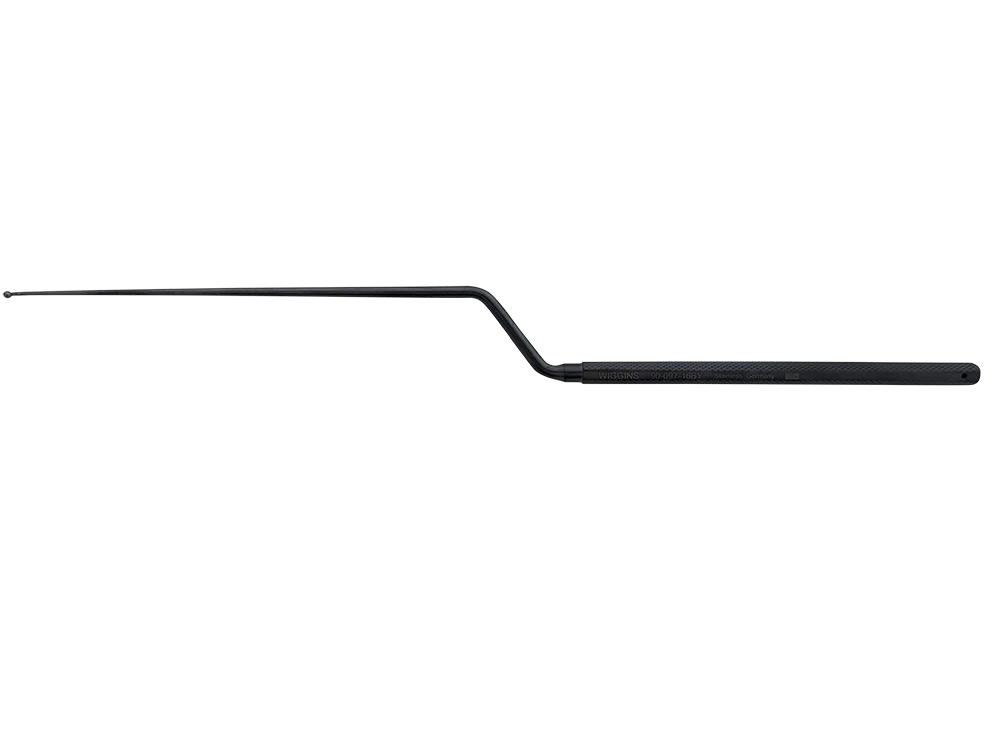
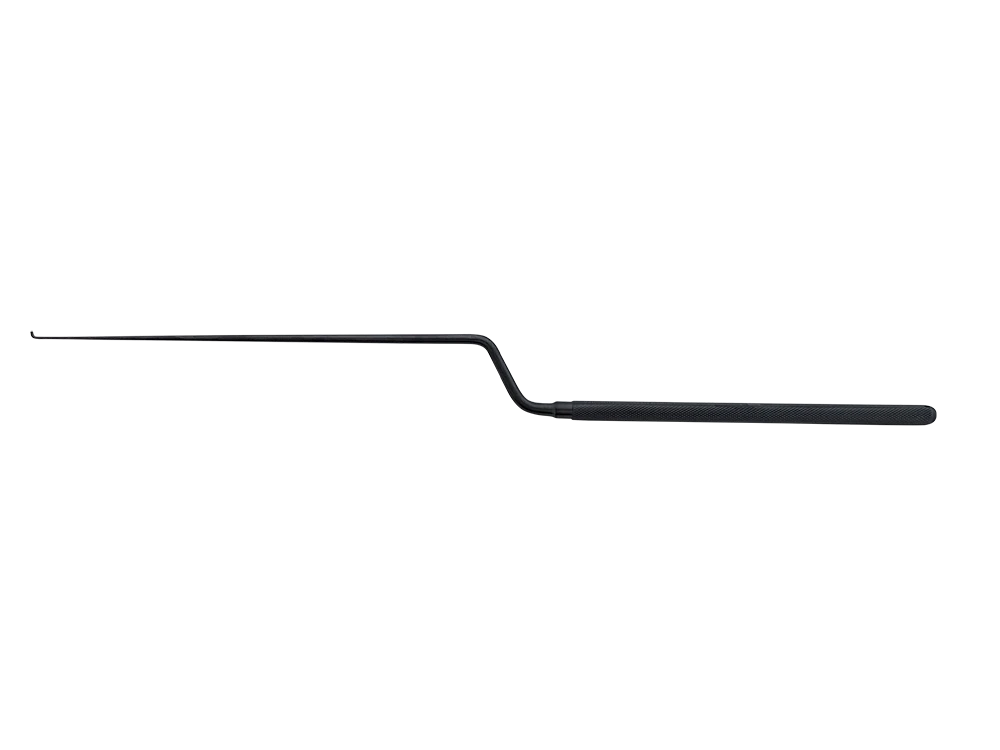
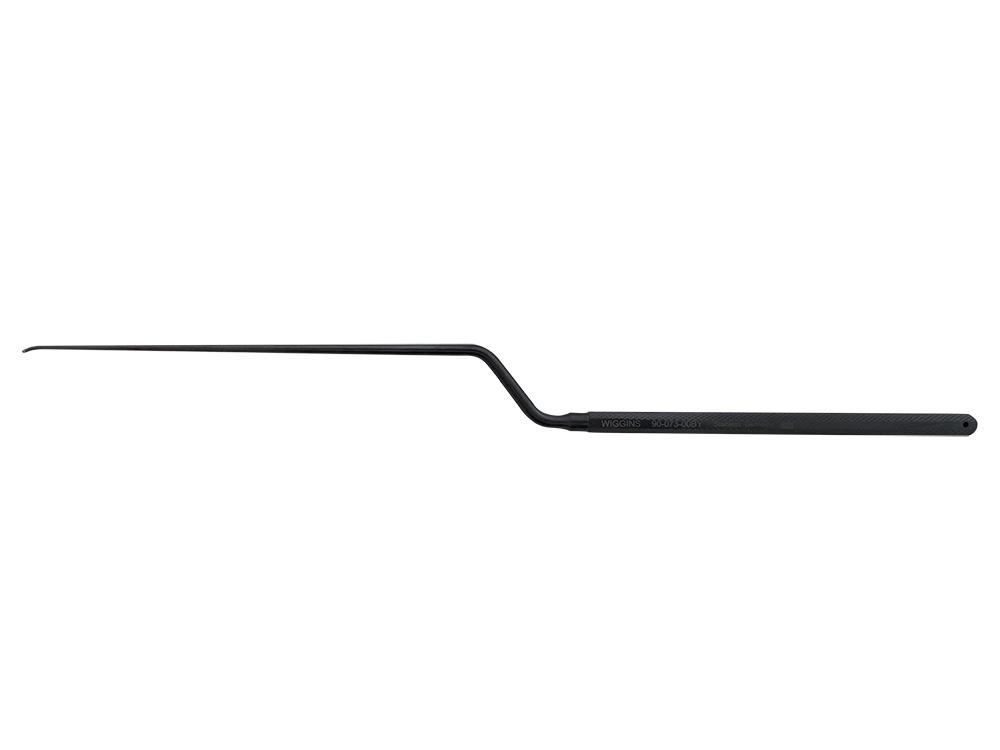
- Sharp Probes — Ideal for exploring guided paths in tissue or space; used to assess tract depth and check neural foramen.
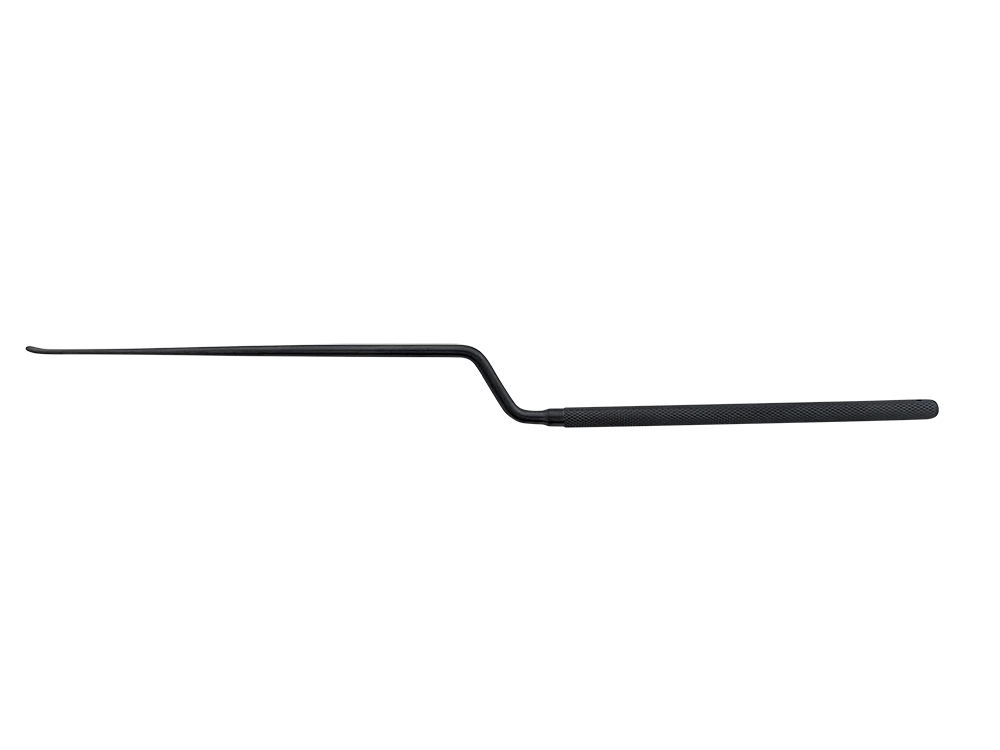
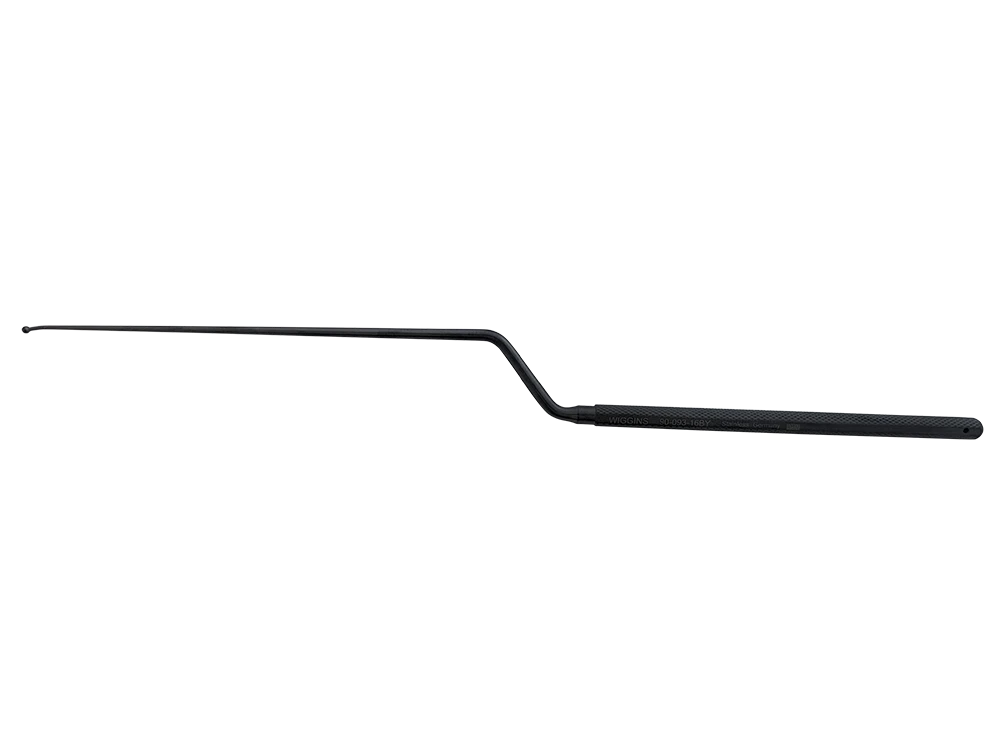
- Blunt (Rounded) Probes — Safely slide through tissue layers or adhesions without causing perforation or bruising.
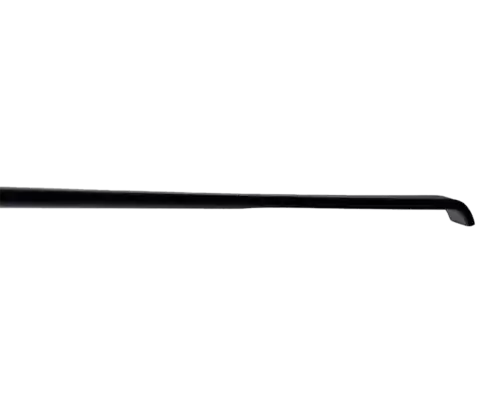
- Angled Dissectors — Useful for gently lifting, teasing apart, or retracting tissues and membranes under direct or angled vision.
🔄 Orientation Options
Each tip is available in straight, left-angled, and right-angled variants to match surgical access:
- Straight tools for direct, frontal approaches
- Left-angled for navigating around anterior or lateral structures on the left side
- Right-angled for symmetrical angle access on the right
✋ Ergonomic Construction
Handles are textured and shaped to reduce fatigue while offering enhanced grip control during long or delicate procedures. Instruments are balanced for responsive feedback and confident manipulation.
🧼 Premium Construction & Sterility
Crafted from high-grade German stainless steel 🇩🇪, these instruments are corrosion-resistant, autoclavable, and designed for dependable long-term use. Their smooth, mirror-polished finish promotes efficient cleaning and long-lasting reliability.
🏥 Clinical Applications & Benefits
🦴 MIS Spine
- Probing neural foramen to identify root irritation
- Separating ligamentous tissue during tubular discectomy
- Crevice detection along vertebral endplates and graft sites
🧠 Neurosurgery & Cranial Access
- Exploring cortical sulci or lesions
- Separating arachnoid membranes or fibrous adhesions
👂 ENT & Skull Base
- Guiding sinus dissections through narrow ostia
- Retracting mucosa in otological and skull base procedures
🧬 Microvascular & General Microsurgery
- Precise tissue manipulation around tiny vessels and nerves
- Tuning of micro-dissection approach to minimize collateral tissue disturbance
🔒 The Edge Surgeons Rely On
- 🎯 Unmatched tactile feedback for confident tissue passage
- 📐 Orientation-specific design for flexible single-instrument access
- 🧼 Minimal tissue trauma, improving function and healing
- 🔁 Versatile across specialties, reducing tray complexity
- 🛠️ Durable quality, built to withstand repeated sterilization
🧼 Sterilization & Care
- Fully autoclavable to 134 °C (273 °F)
- Smooth finish ensures easy decontamination
- Regular inspection recommended to confirm tip integrity and handle stability
✅ Summary of Key Features
- Multiple tip types: sharp, blunt, angled
- Left, straight, and right orientations for tailored surgical access
- Ergonomic, responsive handles
- German stainless steel for durability and sterility
- Essential in MIS Spine, Neurosurgery, ENT, and Microvascular procedures
🛒 Add Tactile Precision to Your Surgical Tray
Equip your practice with instruments designed for the pace, depth, and complexity of today’s minimally invasive surgeries.
👉 Scroll up to request a quote or explore package options.
Need help selecting the right set for your workflow? 👉 Contact us here.