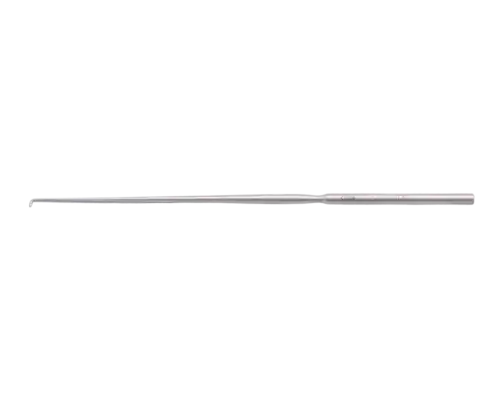
Description
Meatal Dilator; Urethral Meatal Stenosis & Stricture Treatment
Meatal stenosis; a narrowing of the urethral opening — is technically a form of urethral stricture, though in clinical practice the two terms are used distinctly: meatal stenosis refers specifically to the external urethral opening, while urethral stricture typically describes narrowing deeper within the urethral canal. Whether the obstruction is at the meatus or proximal to it, progressive dilation with a purpose-built instrument is the first-line, non-surgical intervention.
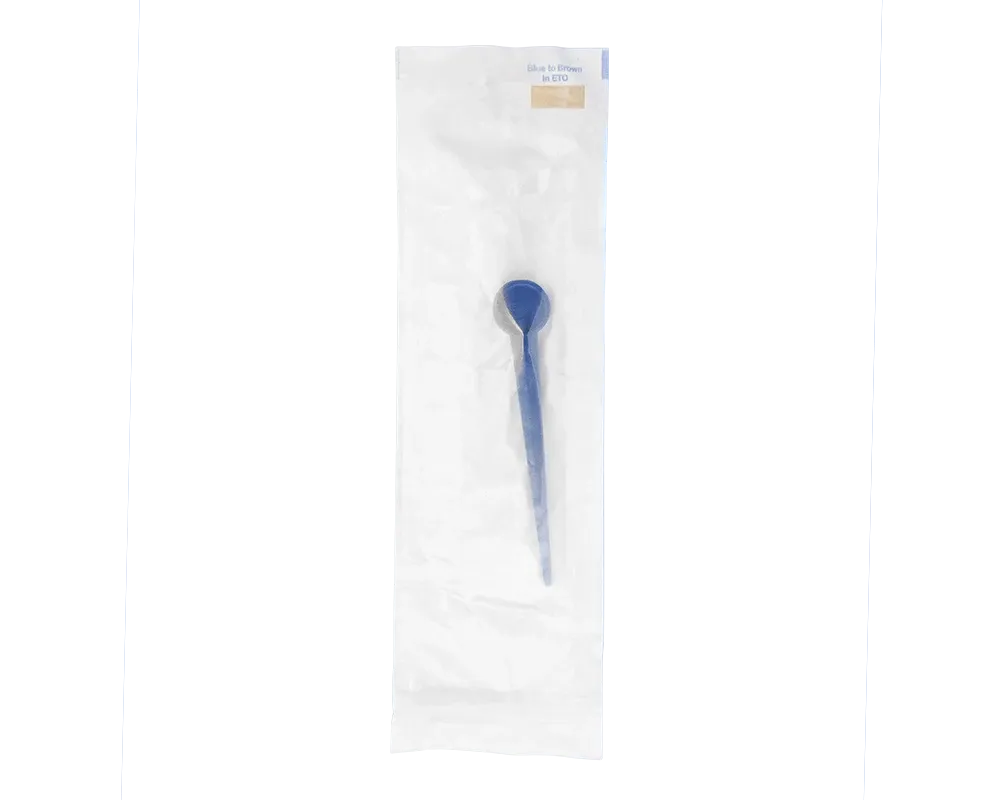
The ACE Medical Meatal Dilator is engineered for exactly this indication. Its tapered hydrophobic polycarbonate tip advances smoothly through stenotic tissue to restore adequate luminal caliber, reduce post-void dribbling, and re-establish normal urinary flow; in both adult and pediatric patients.
Has your doctor told you to order a Meatal Dilator at home?
Patients should never order a Meatal Dilator from unregulated online marketplaces. These are Class II medical devices that require a physician prescription. Products sourced from sites such as eBay or Amazon; particularly those shipping from overseas, may not meet sterilization or material standards, and unverified seller claims cannot be trusted with your health. Use our secure order form: provide your doctor’s office contact details and we work directly with your healthcare provider to dispense compliant product. Learn more about safe sourcing here.
Design for Patient Comfort and Procedural Efficiency
The dilator’s precision taper allows progressive, atraumatic stretching of the urethral meatus in a single, controlled pass. The hydrophobic surface coating minimizes mucosal adherence, reducing friction on insertion and withdrawal. Unlike stainless-steel dilators, the medical-grade polycarbonate construction is firm enough to transmit dilating force while remaining smooth and non-abrasive against sensitive tissue.
Sterile, Single-Use Packaging for Infection Control
Each unit is individually packaged in a sterile peel-open pouch. Single-use eliminates the risk of cross-contamination, requires no additional sterilization cycle, and integrates seamlessly into standard outpatient and ambulatory surgical workflows.
Pediatric Applications
Meatal stenosis is disproportionately common in circumcised male infants and boys, often presenting as a thin, misdirected urinary stream. The Meatal Dilator is suitable for use in pediatric patients under urologist or pediatric urology supervision. Its gentle taper and controlled engagement allow precise dilation at smaller meatal diameters without requiring surgical meatotomy in many cases. Consult the treating urologist for appropriate sizing and technique.
Dutch Engineering — ISO 13485 and FDA Registration
Manufactured in the Netherlands in full compliance with ISO 13485:2016 medical device quality management standards and FDA registered, every unit undergoes rigorous process controls before leaving the facility. ACE Medical Co. holds ISO 13485 certification; documentation available on our Certifications page.
Clinical Applications
- Dilation of urethral meatal stenosis (meatal stricture)
- Conservative management of distal urethral stricture at the meatus
- Preoperative preparation to facilitate catheter or endoscope passage
- Postoperative maintenance of meatal patency following meatoplasty or circumcision
- Pediatric meatal stenosis management under specialist supervision
Key Specifications
- Material: Medical-grade hydrophobic polycarbonate
- Design: Precision-tapered tip for controlled progressive dilation
- Sterility: Individually sterile-packaged, single-use
- Standards: ISO 13485:2016 | FDA Registered
- Origin: Manufactured in the Netherlands
- Available quantities: 1, 5, 10, 50, 100 units
Frequently Asked Questions
What is the difference between meatal stenosis and a urethral stricture?
Meatal stenosis is a narrowing at the external urethral opening (the meatus). A urethral stricture generally refers to scar tissue narrowing within the urethral canal, beyond the visible meatal opening. Meatal stenosis is technically a subtype of urethral stricture but is managed differently — typically with dilation or minor meatotomy rather than internal urethrotomy or urethroplasty.
Can patients perform meatal dilation at home?
Home dilation is sometimes prescribed by urologists for maintenance after initial clinical dilation. However, patients must only use devices prescribed and sourced through their healthcare provider. Never use unverified or non-sterile instruments.
Is this dilator suitable for pediatric patients?
Yes, under the supervision of a pediatric urologist or urologist. Meatal stenosis in pediatric males following circumcision is a recognized indication. Consult your specialist for guidance on technique and frequency.
What quantities are available?
The Meatal Dilator (model MD6/16) is available in packs of 1, 5, 10, 50, and 100 units. Use the Request a Quote option above or contact us for volume pricing and distributor inquiries.
Is the Meatal Dilator FDA approved?
The device is FDA registered as a Class II medical device. FDA registration confirms the manufacturer meets applicable federal requirements. For regulatory documentation, contact our team directly.
Ready to order?
Scroll up to request a quote, or contact us for bulk orders, distributor pricing, and clinical support.