
🔍MIS Spine Instruments That Keep You in Control, See More Do More 🛠️🧠
Looking for smarter instruments for minimally invasive spine surgery?
👇 Scroll down to explore MIS Spine Instruments designed to keep your hands working and your eyes on the anatomy.
🦴 Bayonet-Pattern Designs — Ergonomically offset to preserve your visual field and surgical precision.
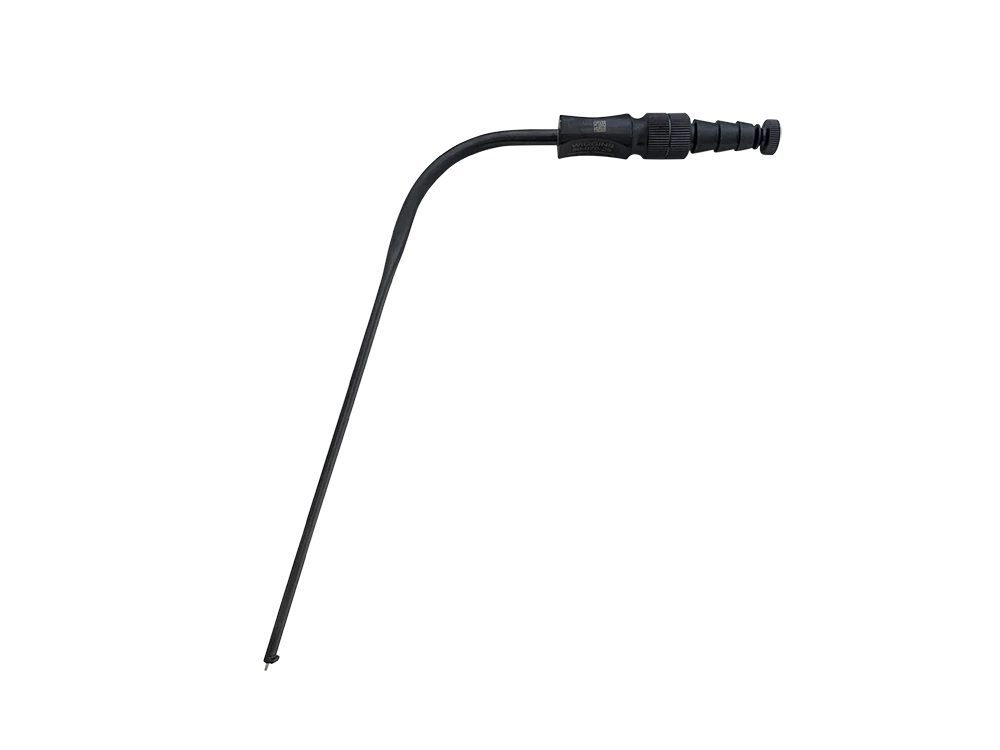
🔧 Ceramic-Coated Suctions — Reduce glare, resist buildup, and clean easily.
🧲 Slim MIS Profiles — Ideal for working through tubes or tight access points.
✂️ Curettes, Probes & Scissors — Angled and optimized for delicate spinal work.
🛒 Ready to Operate Smarter? Keep scrolling to shop the full lineup.
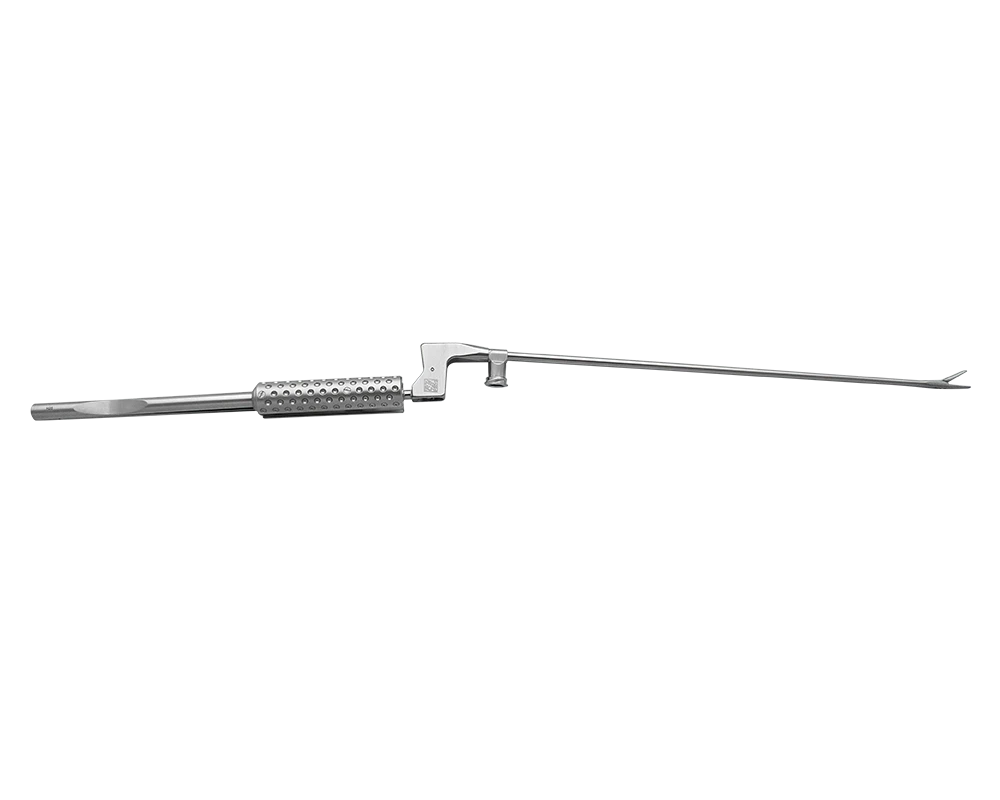

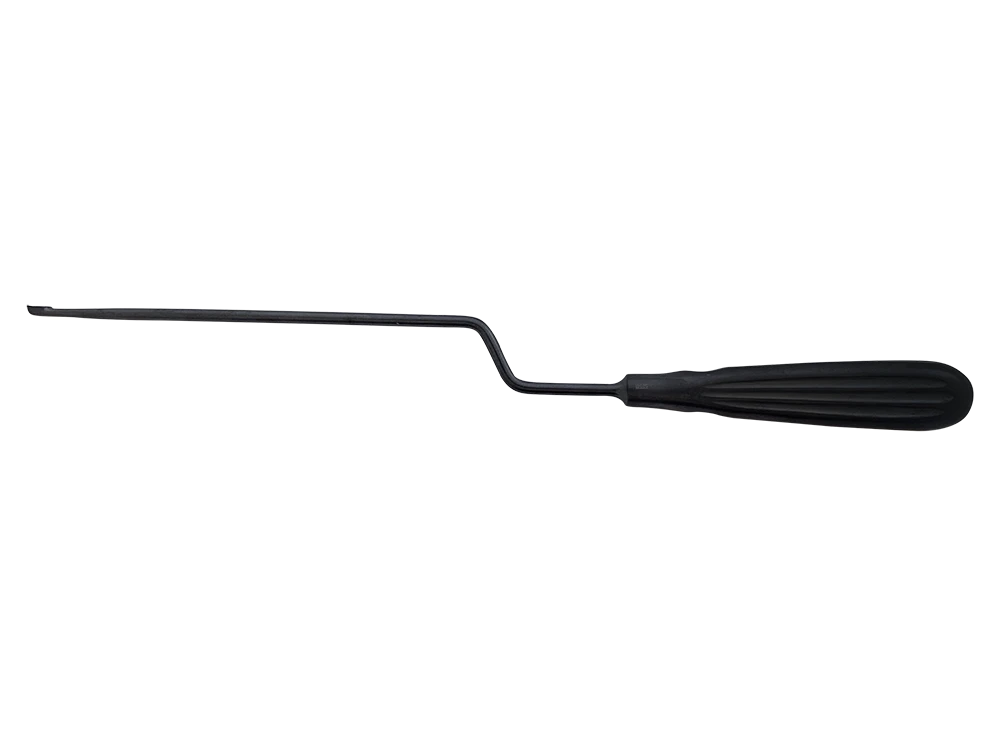
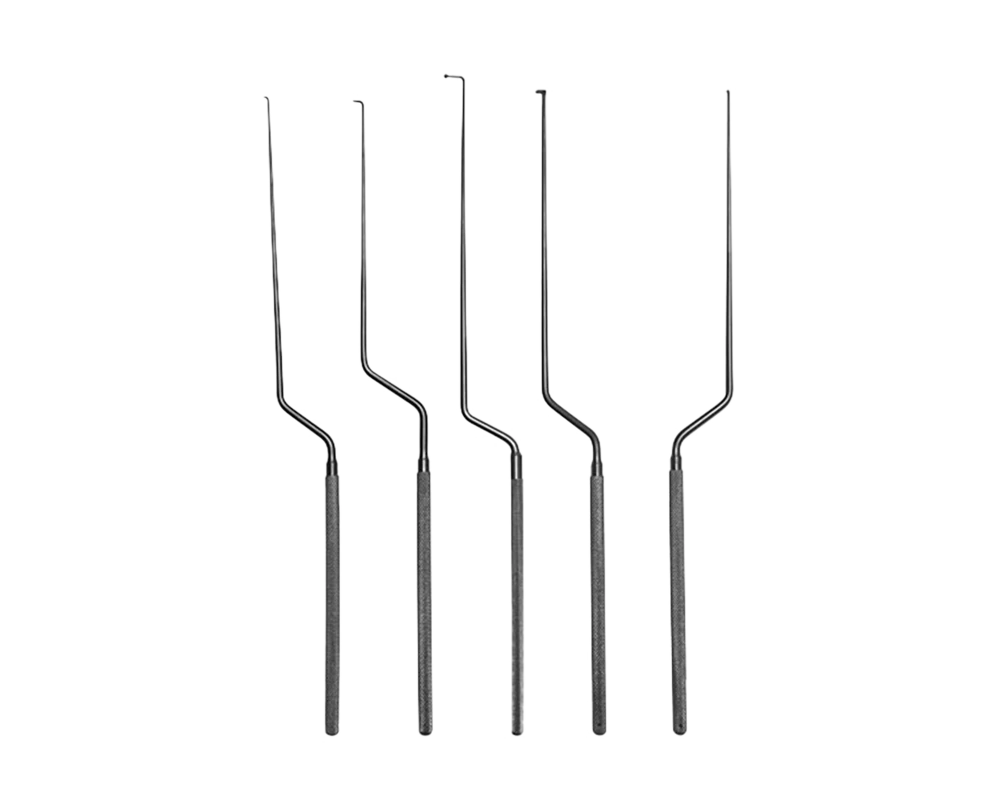
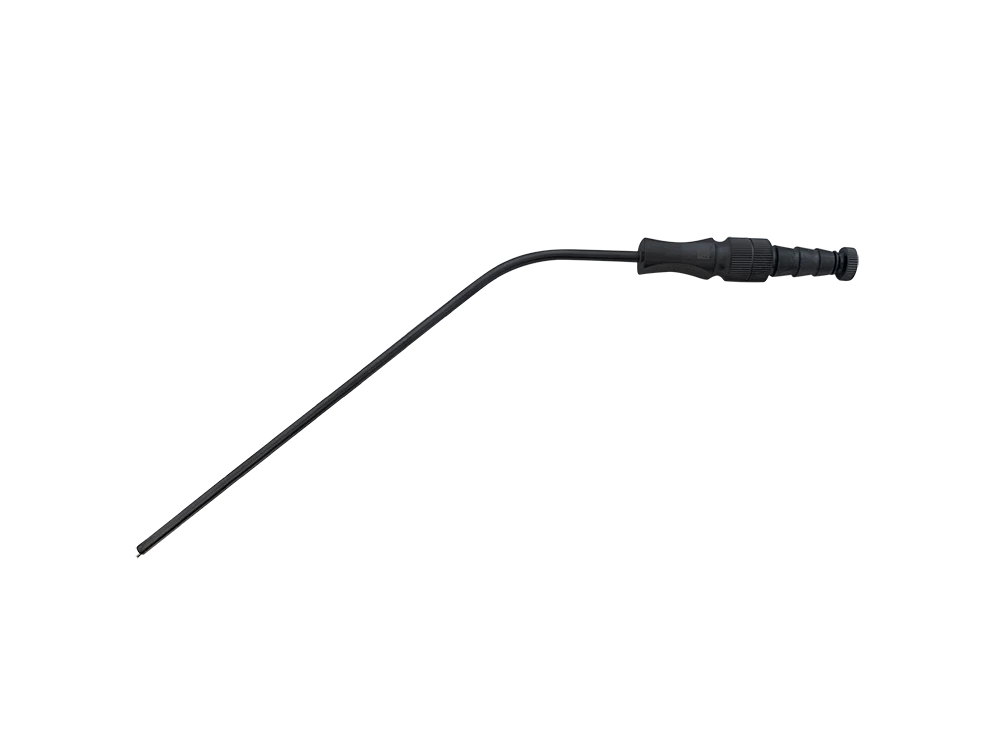
🔬 Revolutionize Spine Surgery with MIS Spine Instruments 🦴✨
Minimally Invasive Spine Surgery (MIS) isn’t just a trend, it’s the future of spinal care. At Ace Medical, we’ve developed a powerful line of MIS Spine Instruments that give surgeons the visibility, control, and ergonomic advantage needed to perform at their best, with smaller incisions, faster recoveries, and uncompromised precision.
⚖️ Why Go MIS? The Clear Edge Over Open Surgery
🩻 Smaller Incisions, Less Trauma
Traditional open spine surgery often requires large incisions and significant tissue disruption. MIS techniques reduce this dramatically, leading to less blood loss, reduced infection risk, and faster recovery times.
Spine Conditions Treated with MIS Spine Instruments 🧠🔬
MIS spine instruments are specifically designed to support minimally invasive posterior spine surgeries performed through tubular retractor systems. These procedures allow surgeons to access the spine through small incisions while minimizing muscle disruption, blood loss, and postoperative pain. By working through tubes, surgeons can treat a wide range of spinal conditions with precision while preserving surrounding anatomy. MIS spine instruments play a critical role in enabling safe, effective treatment of both degenerative and compressive spine disorders using minimally invasive techniques 🦴.
Minimally invasive posterior spine surgery focuses on addressing pathology while reducing the collateral tissue damage associated with traditional open approaches. MIS spine instruments are engineered with elongated profiles, narrow working ends, and ergonomic handling to function efficiently within tubular access systems. This allows surgeons to perform decompression, bone removal, and soft tissue management through limited corridors while maintaining visualization and control 🧠.
Lumbar Spinal Stenosis Treated with MIS Spine Instruments 🦴
Lumbar spinal stenosis is one of the most common conditions treated using minimally invasive posterior spine surgery. This condition occurs when narrowing of the spinal canal compresses neural structures, leading to back pain, leg pain, and neurogenic claudication. MIS spine instruments are used to perform targeted decompression through tubular retractors, allowing surgeons to remove hypertrophic ligament, bone, or overgrown facets while preserving muscle and stability.
During minimally invasive lumbar decompression, MIS spine instruments are used to carefully remove portions of the lamina and ligamentum flavum through the tube. The precision of these instruments supports adequate nerve decompression while limiting disruption to surrounding tissue. This approach often results in faster recovery, reduced postoperative pain, and shorter hospital stays compared to traditional open surgery 🏥.
MIS Decompression for Central and Foraminal Stenosis
MIS spine instruments allow surgeons to address both central canal stenosis and foraminal stenosis through posterior tubular approaches. Their slim design supports access to confined anatomical spaces while maintaining surgical accuracy.
Lumbar Disc Herniation and MIS Posterior Discectomy 🧠
Lumbar disc herniation is another common indication for minimally invasive posterior spine surgery using MIS spine instruments. Herniated disc material can compress nerve roots, causing radicular pain, numbness, or weakness. MIS posterior discectomy performed through tubular retractors allows surgeons to remove herniated disc fragments while minimizing muscle trauma.
MIS spine instruments are used to gently retract soft tissue, access the disc space, and remove disc material under direct visualization. Their extended length and fine working tips are optimized for use through tubes, supporting controlled manipulation in narrow operative corridors. This minimally invasive approach helps preserve spinal stability and often allows patients to return to normal activities more quickly 🦴✨.
Degenerative Disc Disease and MIS Spine Surgery 🦴
Degenerative disc disease can lead to chronic back pain and functional limitation due to disc collapse, instability, or associated nerve compression. In select cases, minimally invasive posterior spine surgery may be used to address contributing factors such as stenosis or disc-related nerve irritation. MIS spine instruments enable surgeons to perform decompression and prepare the spine for stabilization through tubular access systems.
By limiting muscle dissection and preserving posterior elements, MIS spine surgery helps reduce postoperative stiffness and muscle weakness. MIS spine instruments support precise work within the tube, allowing surgeons to address degenerative pathology while maintaining the benefits of a minimally invasive approach 🧠.
Spondylolisthesis and MIS Posterior Decompression 🧠🔬
Spondylolisthesis occurs when one vertebra slips relative to another, often leading to nerve compression and back pain. In cases where decompression is indicated, MIS spine instruments are used to perform posterior decompression through tubular retractors. This approach allows surgeons to relieve nerve pressure while minimizing disruption to stabilizing structures.
MIS spine instruments support careful bone and ligament removal in patients with low grade spondylolisthesis, helping reduce symptoms while preserving anatomy. When combined with minimally invasive stabilization techniques, this approach can provide effective symptom relief with reduced recovery time 🦴🏥.
Targeted Decompression in MIS Spondylolisthesis Cases
Through tubular access, MIS spine instruments allow surgeons to decompress neural elements while limiting exposure to only the affected levels.
Facet Joint Hypertrophy and MIS Facetectomy 🦴
Facet joint hypertrophy is a common contributor to spinal stenosis and nerve compression. MIS spine instruments are frequently used to perform partial facetectomy through posterior tubular approaches. By selectively removing hypertrophic bone, surgeons can restore space for neural structures without destabilizing the spine.
The precision offered by MIS spine instruments is especially important during facetectomy, where excessive bone removal can compromise stability. Working through tubes, surgeons can target only the necessary bone while maintaining control and visualization throughout the procedure 🧠.
Recurrent Stenosis and Revision MIS Spine Surgery 🔬
Revision spine surgery presents unique challenges due to scar tissue and altered anatomy. MIS spine instruments are particularly valuable in revision cases because they allow surgeons to access the spine through small, targeted corridors. This helps reduce additional tissue trauma while addressing recurrent stenosis or residual compression.
Using MIS spine instruments through tubular retractors, surgeons can carefully navigate scar tissue and re decompress neural elements with precision. This minimally invasive approach may reduce complication rates and improve recovery compared to traditional open revision surgery 🏥.
Advantages of Treating Spine Conditions with MIS Spine Instruments 🧠✨
Treating spine conditions using MIS spine instruments offers several advantages for both surgeons and patients. Reduced muscle disruption, smaller incisions, and targeted exposure contribute to less postoperative pain and faster recovery. MIS spine instruments are specifically designed to function within tubular systems, supporting accurate work in confined spaces.
For posterior spine surgeries performed through tubes, MIS spine instruments enable surgeons to address a wide range of conditions while preserving normal anatomy. This approach aligns with modern surgical goals of minimizing invasiveness while achieving effective decompression and symptom relief 🦴🏥.
Why MIS Spine Instruments Are Essential for Posterior Tubular Spine Surgery 🧠
MIS spine instruments are essential tools for treating degenerative, compressive, and recurrent spine conditions using minimally invasive posterior approaches. Their design supports precision, control, and efficiency within tubular retractor systems, allowing surgeons to address complex pathology through small incisions.
By enabling effective treatment of conditions such as spinal stenosis, disc herniation, spondylolisthesis, and facet hypertrophy, MIS spine instruments play a central role in modern minimally invasive spine surgery. These instruments help surgeons deliver high quality care while supporting improved patient outcomes and recovery ✨🦴.
⏱️ Built for Speed Without Compromising Precision
In a high-volume practice, every second in the OR matters. Our MIS Spine Instruments are designed for efficiency in setup, use, and cleaning, so you can focus on what you do best, operating. The bayonet patterns and ergonomic profiles reduce hand fatigue during long cases, while the intuitive instrument layout minimizes unnecessary movement or repositioning, helping you maintain momentum throughout even the most complex procedures.
🧼 Streamlined Workflow, Cleaner Surgeries
When your schedule is packed and turnover is tight, you need instruments that work as hard as you do. Our Physical Vapor Deposition (PVD)-coated MIS instruments resist staining and are easier to clean and sterilize, saving your staff valuable time between cases. With improved durability and reduced glare under OR lights, these instruments help you maintain a high standard of care, case after case, without added stress or delays.
👀 Superior Visualization with Bayonet Patterns
Unlike straight instruments that block your view, our bayonet-style instruments are designed to keep your hands out of the line of sight, giving you unobstructed visibility of the surgical field. When precision matters most, seeing is everything.
🧠 Less Muscle Retraction = Happier Patients
By accessing the spine through small portals or tubular retractors, MIS reduces the need for aggressive muscle retraction. This minimizes post-operative pain, shortens hospital stays, and promotes quicker returns to daily life.
📈 Faster Procedures, Better Outcomes
With enhanced control, ergonomic handles, and a full suite of MIS-specific instruments, you can move confidently and efficiently, improving throughput and surgical outcomes.
🧰 Explore the Instruments Designed for MIS Mastery
🔧 PVD Coated Suctions
Maintain a clear view while evacuating with precision — available in 2.5 – 4.6 mm diameters with ceramic coating for better hygiene and glare control.
🧲 Nerve Root Retractors
Long, slim, and ergonomically designed for tubular approaches — protect neural structures with enhanced reach and control.
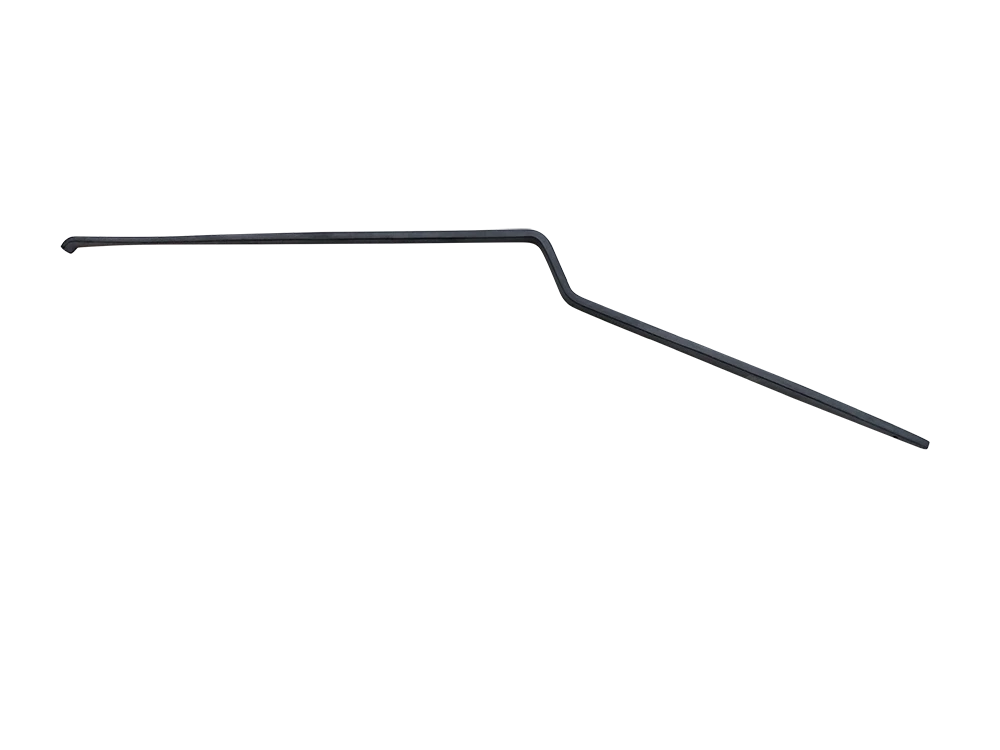
🧪 Bayonet Curettes & Probes
Optimized for angled access in tight spaces, allowing you to work without disrupting your view.
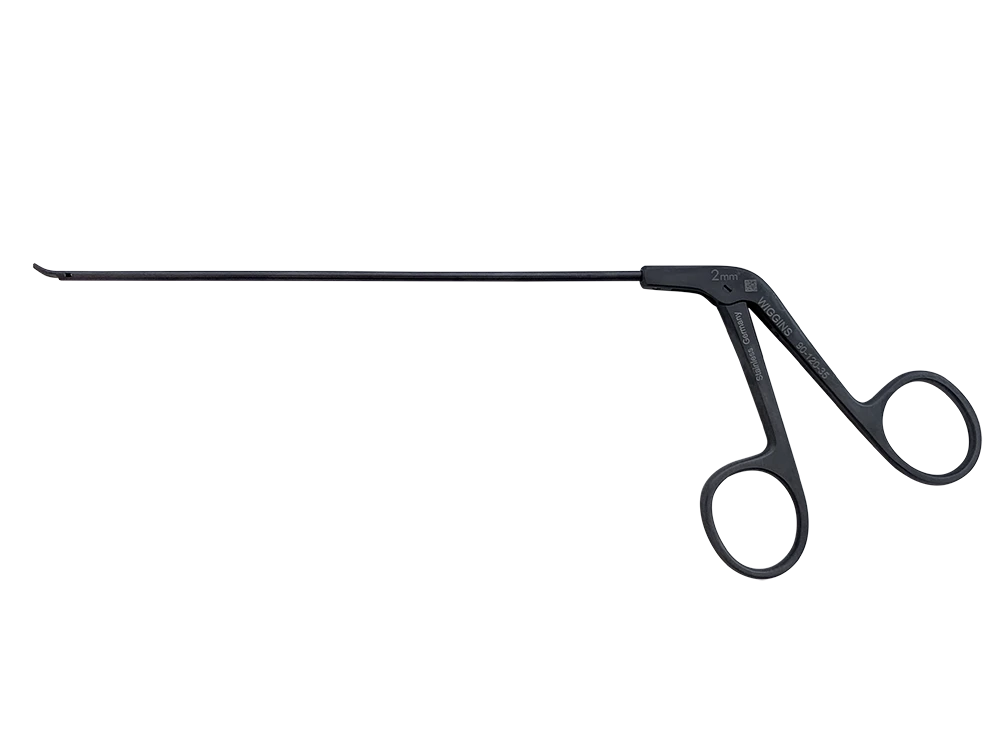
✂️ MIS Scissors & Dissectors
Designed for clean, sharp dissection in minimally invasive corridors. Balanced. Reliable. Built to perform.
💡 Engineered for Surgeons. Trusted in the OR.
Ace Medical’s MIS Spine Instruments were designed in collaboration with leading spine surgeons, so every curve, length, and coating serves a purpose. From the bayonet patterns that preserve sight lines, to the ceramic coatings that reduce bio-burden and boost efficiency, these instruments don’t just meet the demands of MIS, they exceed them.
🛒 Ready to Upgrade Your Surgical Setup?
🎯 Whether you’re outfitting a new MIS suite or enhancing your existing tray, our MIS Spine Instruments deliver the clarity, control, and confidence you need.
👉 Scroll up to browse the full lineup, or contact us to request a quote or schedule a demo.
Elevate your spine surgery. Choose MIS instruments that work with you, not against you.